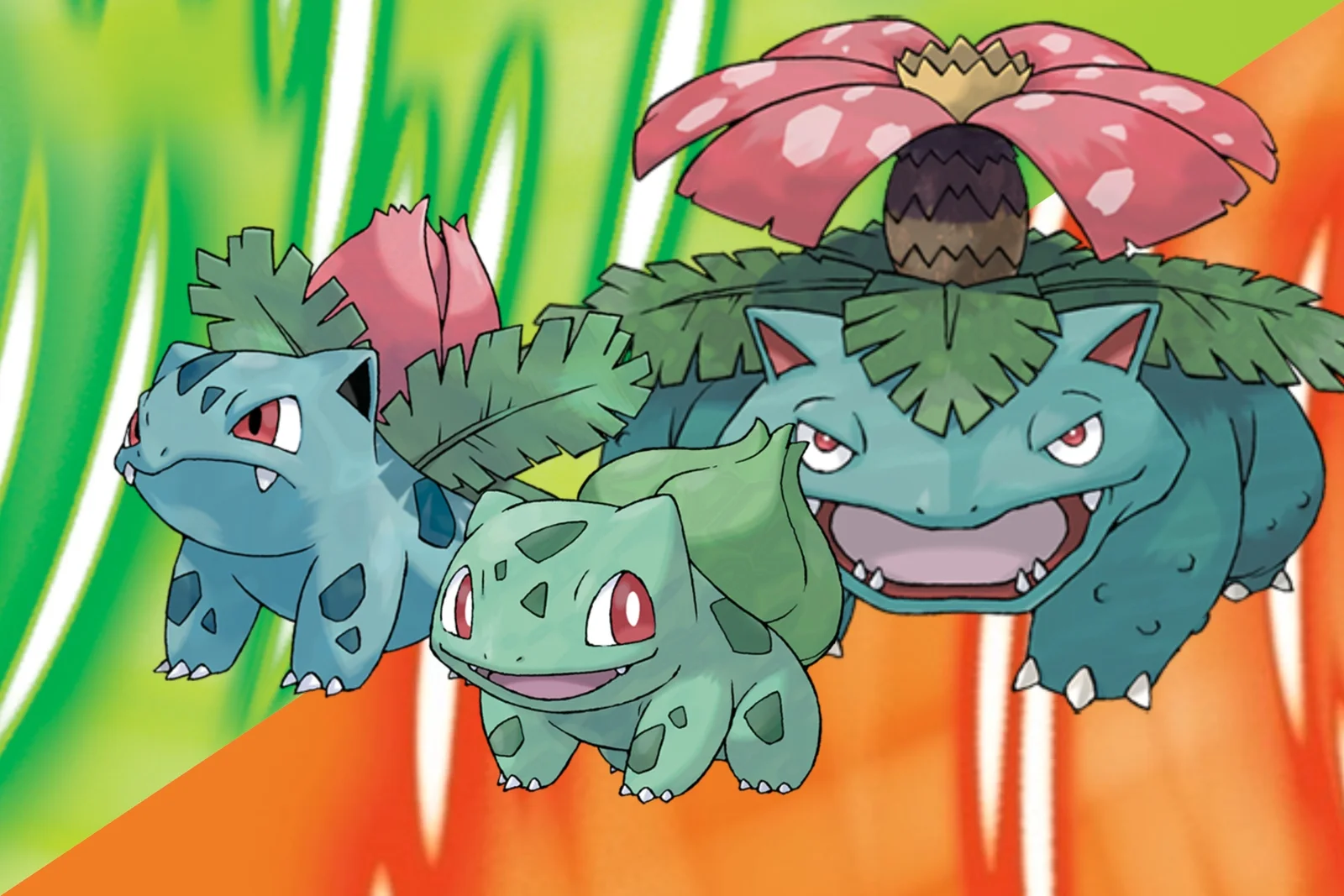
Pokemon hit the world like a meteor in the late ’90s, and it’s only grown since. In its thirty-year-and-counting run, it’s become one of the biggest franchises in gaming (and, for that matter, in all of media, and it shows no signs of stopping. Its roster of Pocket Monsters has also grown nearly tenfold, from the original 151 to over 1000, and a new generation on the horizon with the upcoming launch of Winds and Waves.
Series producer Masaaki Hoshino recently gave an interview where he envisioned the Pokemon ecosystem growing, in effect, indefinitely. He was talking about the implementation of Pokemon Champions as the permanent standard for competitive play, and what really stood out was his extremely forward-thinking stance. “We’re planning to keep Pokemon Champions going far into the future – basically forever, as long as the Pokemon series is continuing. And who knows? Far in the future, we’ll have 2,000, 3,000, maybe 10,000 Pokemon.”
That’s a lot of Pokemon, and a time frame that spans decades if the series continues to grow at its current pace – centuries, in the case of the 10,000 mark. Is Hoshino just being wildly optimistic, or can a media franchise on this scale continue to expand successfully for generations of human lifetimes?
Pokemon Champions
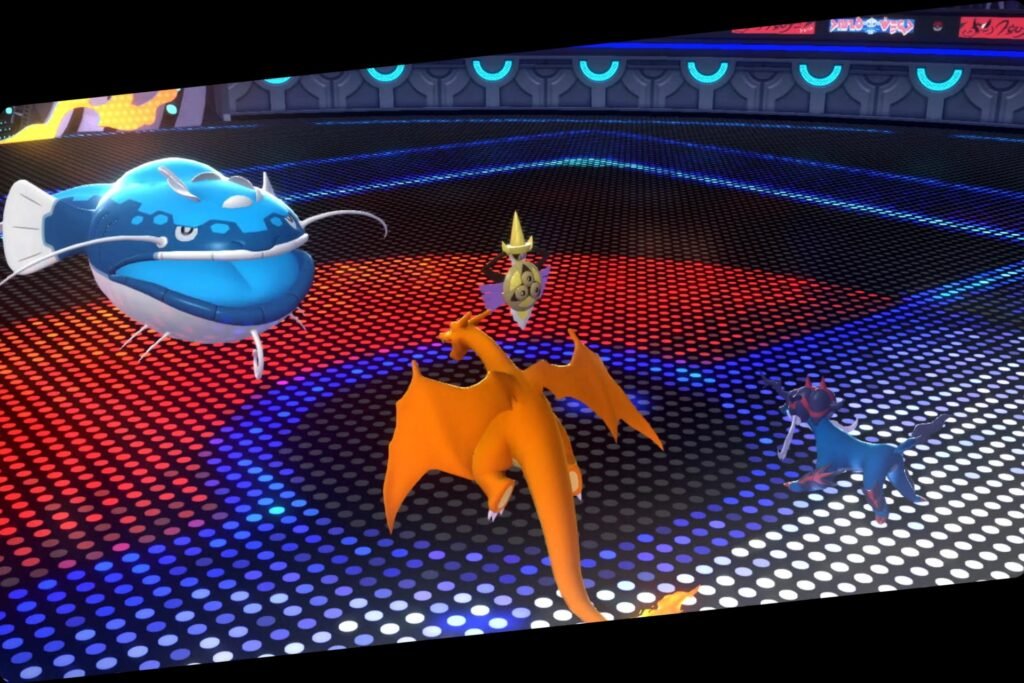
Before we get into the hypotheticals, let’s be clear about what Hoshino was actually saying when he made that comment. He’s not necessarily saying that there’s some grand plan for Pokemon to go on forever, just that in an ideal world it will continue to succeed. What he was doing was hyping up Pokemon Champions, launching April 8, a Switch title similar to Pokemon Colosseum (GameCube, 2003) that lets players import and battle Pokemon from other titles. The intent, beyond having another product to sell, is for Pokemon Champions to be the platform for competitive tournament play, creating a standardized, generation-neutral environment.
It’s a good idea in theory, and if the plan really is to use Pokemon Champions on the competitive circuit forever, then planning far ahead is absolutely the right thing to do. There’s just no way that it realistically works out that way in practice, though, and for the same reason we aren’t dragging our old GameCubes to events and importing our Zacians to Colosseum; Champions will become obsolete eventually. There might be sequels that fill the same role on whatever hardware succeeds the Switch family of consoles, but it’s ludicrous to expect that tournament players in 2056 will be using software from 2026 for their roster of 18th-generation Pokemon with Pokedex numbers around 2,000.
How Long Can Pokemon Play Ball?
So what would it mean for Pokemon to last for another thirty years? Or a hundred and thirty? The fact of the matter is, there’s never been a cultural phenomenon like it before, so all we can really do is guess. I do, however, think that as long as the folks in charge don’t make any terrible blunders, it’s not out of the question to think that Pokemon will still be going strong a century from now. My evidence? The continued relevance of Pokemon’s closest equivalent – baseball.
Trading cards, a growing and shifting roster of names, competition, rivalries, a fanbase that insists everything was better in the good old days… Pokemon in 1996 was what baseball was in 1896, and could very well be on a similar trajectory as an entrenched institution. The biggest difference, of course, is that Pokemon never get old and retire, which ultimately leads to the very challenges that Hoshino was talking about in his interview; as the roster continues to grow, some Pokemon will have to be rotated out of Champions and its successors, even temporarily, simply for logistical purposes.
Unlike sports, though, which can rest on the popularity of regional teams with maybe an expansion every few decades, Pokemon needs consistent growth to maintain its appeal. Endless remakes of Red and Blue aren’t going to cut it, especially if the series plans to last into the 22nd century after all the nostalgia-fueled millennials like me have died. We simply have to accept, as I think GameFreak has, that not every Pokemon is going to be a star.
The Missing Number
Be honest, the only reason anyone gives a second thought to Pidgey and Rattata are because they were the first Pokemon you could catch in the first games. Once you take off the rose-colored glasses, there are only a handful of Pokemon in each generation that are truly memorable, and that’s fine! The great thing about Pokemon is that the list varies from player to player – I can hardly name any Alolan Pokemon, but I can darn sure remember Mudsdale, the star of my team from Sun and Moon.
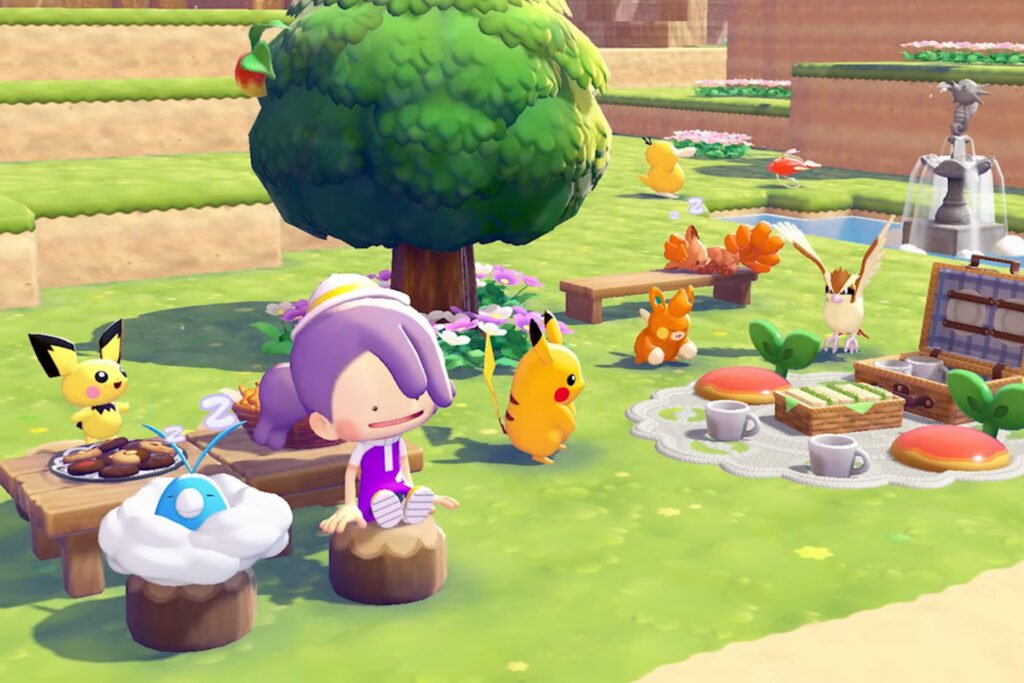
It’s that ability to be all things to all people that gives Pokemon its lasting appeal. From card collectors to hardcore tournament players, from day-one oldheads like me to kids picking their very first starter as you read this, Pokemon is built to be for everyone. The smartest thing that The Pokemon Company can do going forward is lean into it; the explosive success of Pokopia is all the proof you need! Here’s a third-party developer, clearly made up of fans with a deep love of the source material, given license to make something new and creative with it. If that becomes the norm for Pokemon over the next thirty years, coupled with the tried-and-true model that’s already in place, then I think Hoshino might actually be on to something when he says the roster could hit ten thousand.