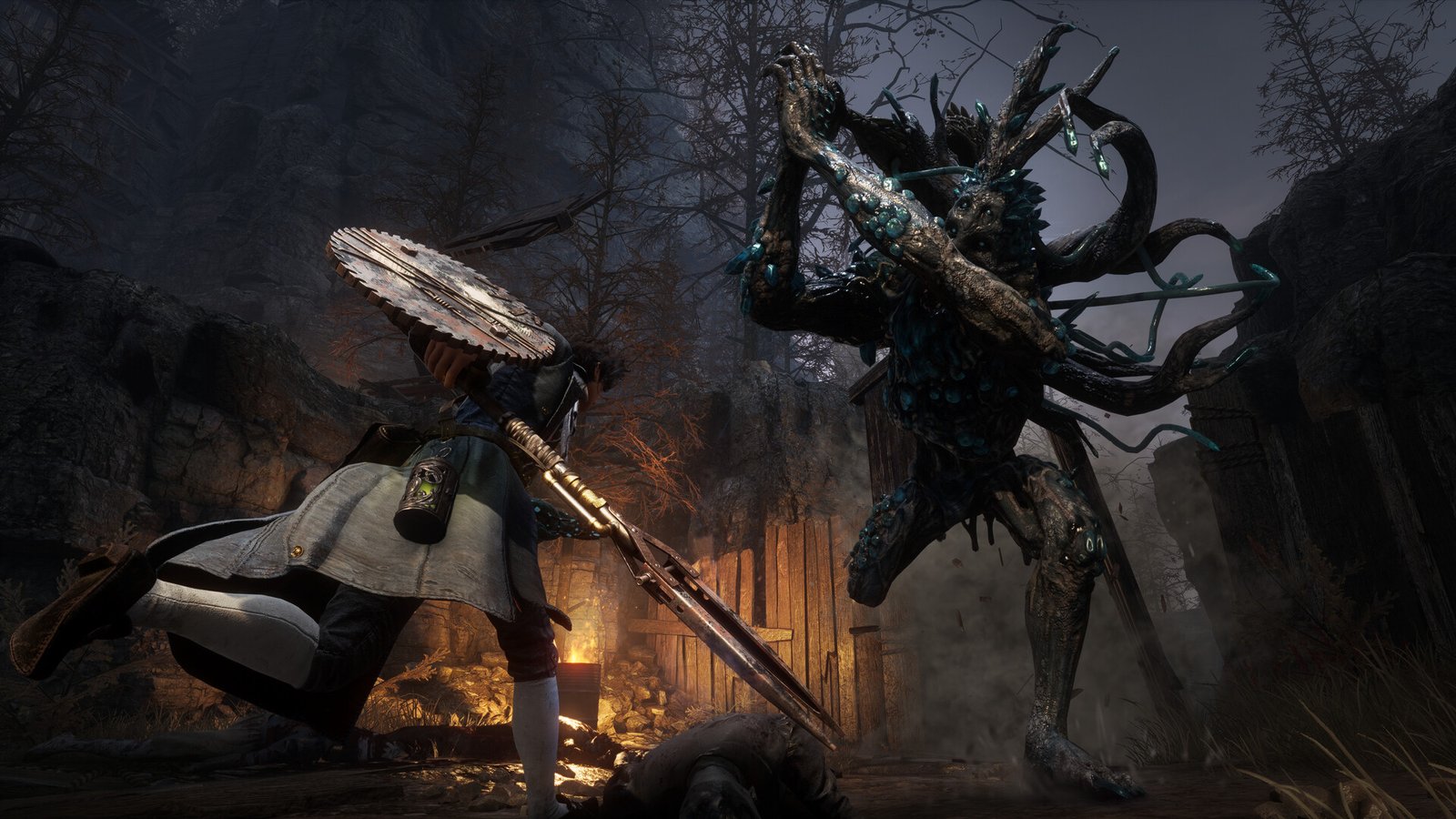
Souls-like games have quickly become one of the most rapidly growing genres in the games industry. Many studios have taken note of FromSoftware’s success with the Souls series and have attempted to emulate or find their own niche within the genre to capitalize on.
With the genre getting so oversaturated over the years, it can be hard to determine which of these games are actually worth playing. As someone who’s sunk hundreds of hours into the genre, I’ve got you covered with a ranking of the 10 best souls-likes of all time.
Note: I also feel it’s important to add that I won’t include any games by FromSoftware in this list; these are all Souls-LIKEs, not Souls games themselves.
10. Code Vein
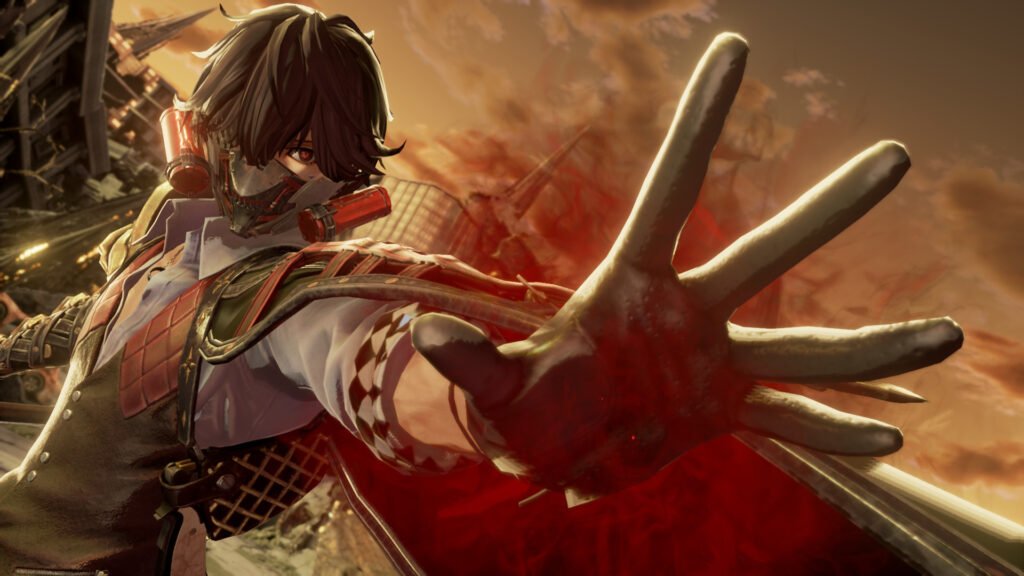
One of the very first Souls imitators. Code Vein is an action JRPG that took the desolate world and methodical combat of Souls and injected it with a healthy dose of anime. This style brought with it emphasis on a more direct approach to storytelling with frequent cutscenes and constant exposition.
Made by the developers of God Eater, a series that has been touted as “faster Monster Hunter”, much the same can be said for Code Vein and its relation to Dark Souls. Combat is faster, with less commitment and more mobility than a Souls player would be used to. Couple that with the fact that you can play the whole game with AI party members, and you have a very accessible souls-like with some fun bosses and decent combat held back mostly by its simple, generic-looking levels and weak enemy variety.
9. Another Crab’s Treasure
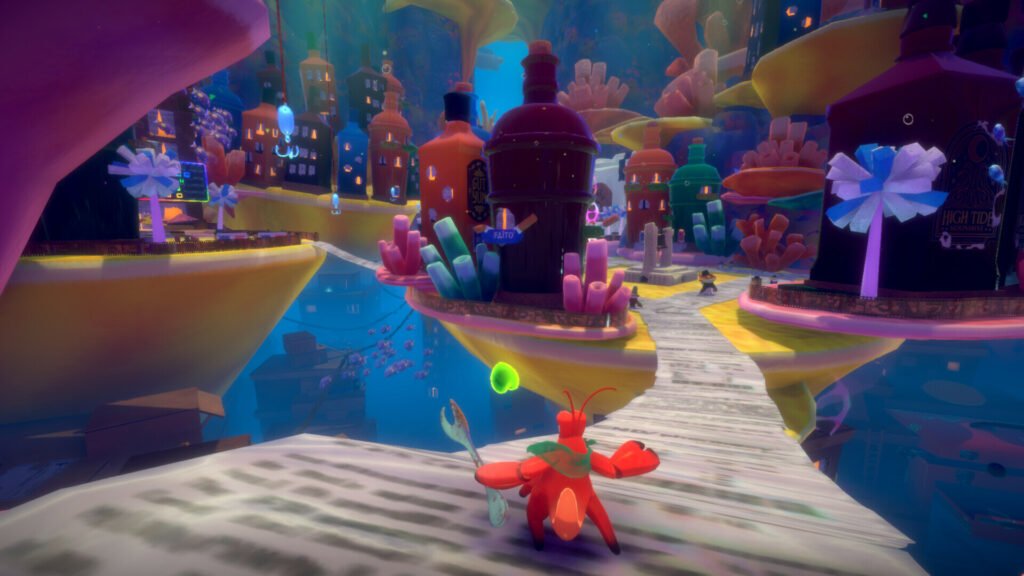
Yes. You are seeing this right. One of the best souls-likes around is a game where you play as a Crab fighting underwater sea animals. Another Crab’s Treasure is a funny, charming little Souls-like that replaces the dark, desolate worlds of the average genre title with a cartoony underwater setting. Think of it like Dark Souls if it were set in SpongeBob’s Bikini Bottom.
What makes Another Crab’s Treasure stand out from other Souls-likes is its unique shell system. So, instead of shields like in other games, you have to scour the environments for shells, which have their own HP and are used as your primary means of defense. If you run out of HP and the shell breaks, then you’ll have to search for another one on the fly. It’s a clever system that punishes tactics like turtling and encourages a more active approach to combat.
8. Salt and Sanctuary
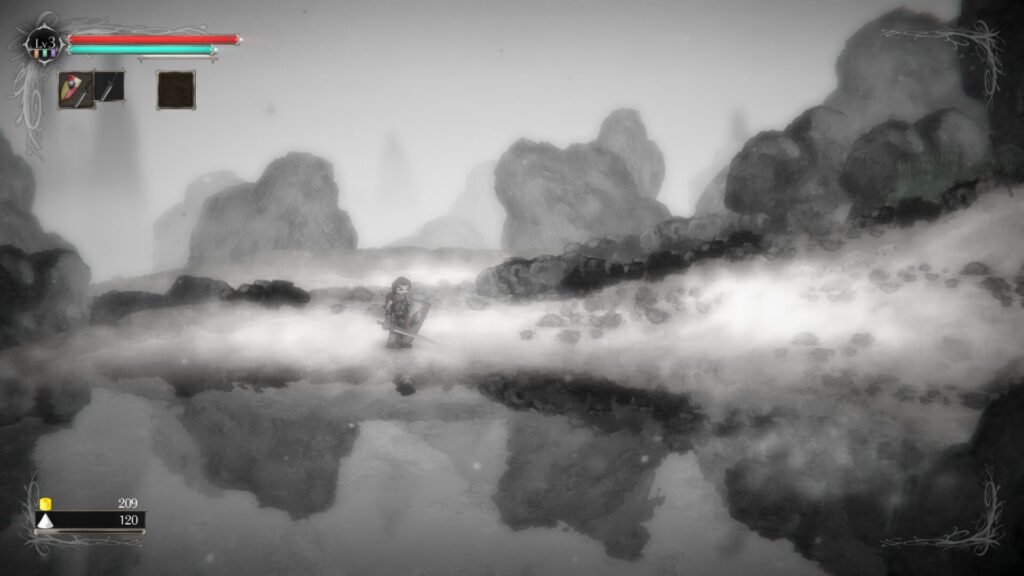
Another Souls-like that once again came out at the heyday of Dark Souls’ success. Released in 2016 by Ska Studios, Salt and Sanctuary is an indie souls-like with one unique twist: It’s 2D!
It’s a very neat, cute little game that does a great job translating the feel and fundamentals of Souls into a 2D format with slow, positioning-based combat that has some great feedback as well as features a rich, interconnected world that harkens back to the best of Souls level design.
7. The First Berserker: Khazan
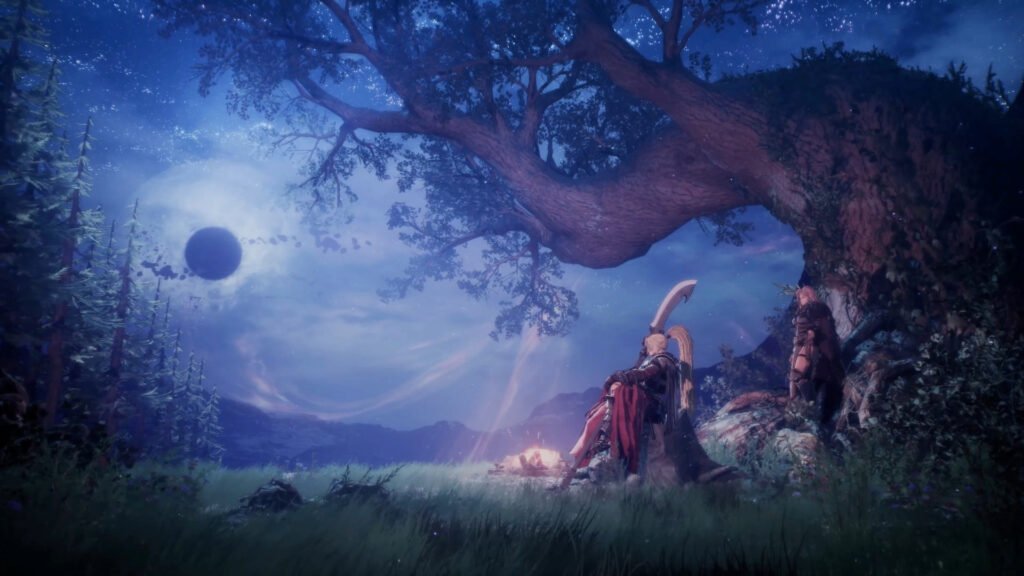
Another anime-inspired Souls-like, The First Berserker Khazan leans even further into the action with an emphasis on fast-paced combo-heavy combat that’s all about overwhelming enemies with your offense. It’s a game that often feels like it borders on being a character action game; however, its strong focus on stamina management ensures that there’s always a distinct choice to be made between going on the offense and staying on defense with built-in trade-offs for both.
It also has to be mentioned that the game owes a lot of its identity to iconic set-pieces and levels from the Souls series. For example, one of the late-game levels takes place in a flooded city where, after fighting through a major part of the level, you push a very similar-looking lever to drain the water and unlock an entirely new area.
Another late-game level feels like an almost 1:1 rendition of Castle Boletaria from Demon’s Souls, right down to running across long bridges while dodging explosives from a catapult (I know you have to run while avoiding a dragon/drake in Demon’s Souls, but it’s close enough). Throw in a decently engaging story of vengeance and redemption, and you have a great souls-like experience that’s often as brutal as it is rewarding to master.
6. Nioh
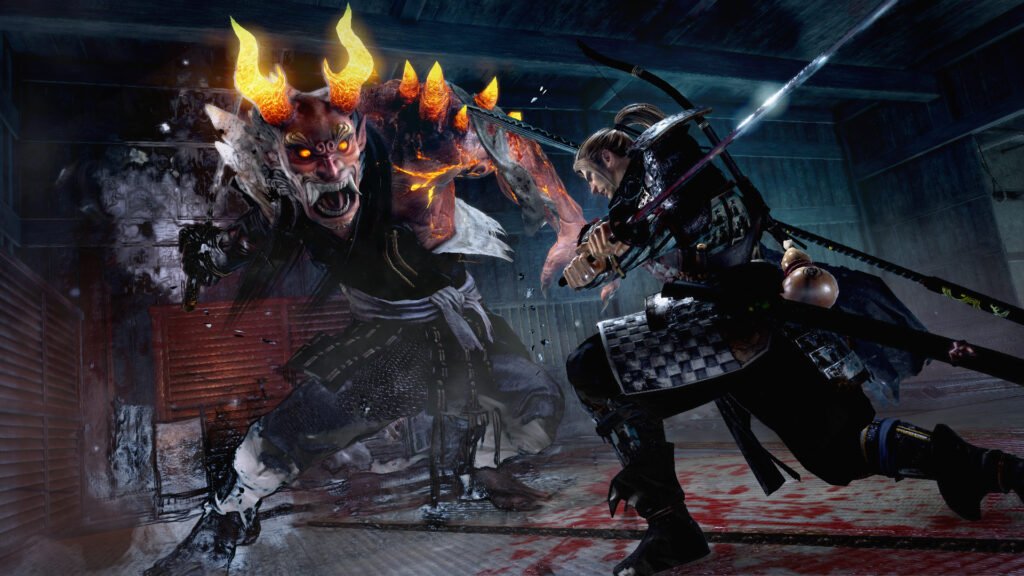
A personal favorite of mine, and one that would be higher if I went solely by my personal tastes (don’t worry, number 2 made up for that). Another one of the early Souls-likes, but one I’d argue became the most successful out of any of the games that tried to borrow ideas from Souls. We’ve had Souls meets 2D, Souls meets anime, now it’s time for Souls meets Diablo (with a dash of Ninja Gaiden).
Developed by Team Ninja, Nioh was the first souls-like to effectively carve out its own specific niche in the souls-like genre. Moving away from slow, commitment-heavy combat that relied more on i-frames and positioning, and instead, a game where mechanical execution reigned supreme. Where Souls gameplay emphasizes the struggle of survival in a harsh world, Nioh is all about being graceful and the perilous road towards attaining mastery over its mechanics.
Depending on who you ask, the Diablo inspirations are either a blessing or a curse for this game. On one hand, those who love managing builds and attaining progression by finding stronger and stronger loot will love Nioh enough to branch out into its much harder NG+ modes; on the other, for those looking for a more traditional souls-like, the game might be full of the game by the time the first playthrough ends.
5. Wuchang: Fallen Feathers
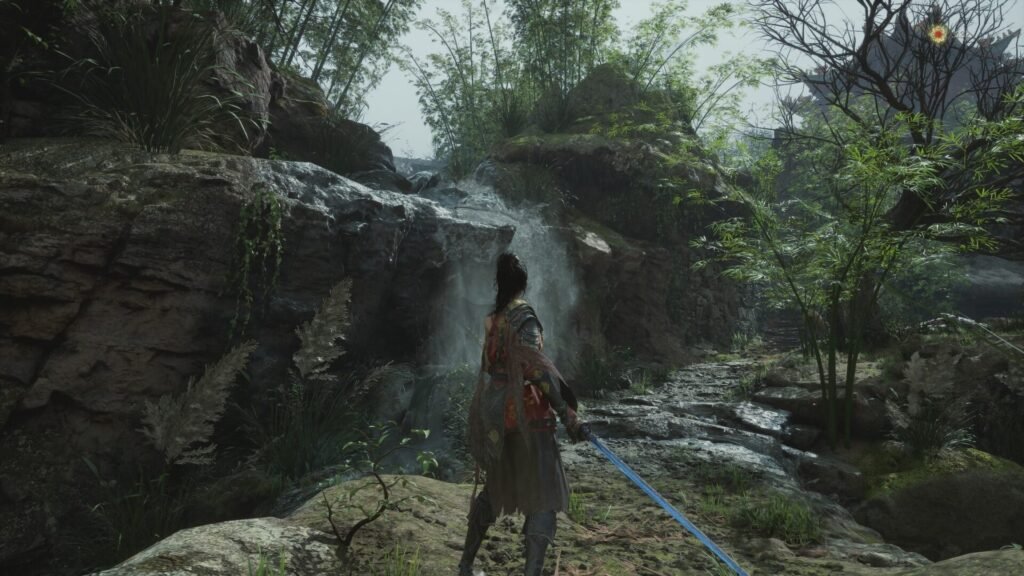
One of the two games in this list that I’d argue is spiritually the closest to the original FromSoftware Souls games. Fighting and exploring my way through Wuchang’s long, winding levels gave me the exact same euphoria I felt uncovering a great Dark Souls level. For this game, instead of talking about it like the others, I just want to describe an experience I had on my first playthrough.
I knew Wuchang was special when, early in my playthrough, I ended up exploring my way into an entirely new area. I went through the level with dwindling resources, trying my hardest to conserve the 3 healing items I had on me. Each hit felt punishing, eating away at my already limited healing, and the fear of losing almost 30 minutes of progress hung heavy over my head.
Very soon, after one mistake too many, I was out of healing, and in front of me was an elite that I absolutely was not ready to take on. Thankfully, I noticed that he was facing away from me, and I quickly dashed to the side, running away into a bridge that, to my utter shock, led to yet another area, and only seconds later, when I finally saw that checkpoint, it was a feeling I have not experienced in a Souls game since Bloodborne.
4. Remnant 2
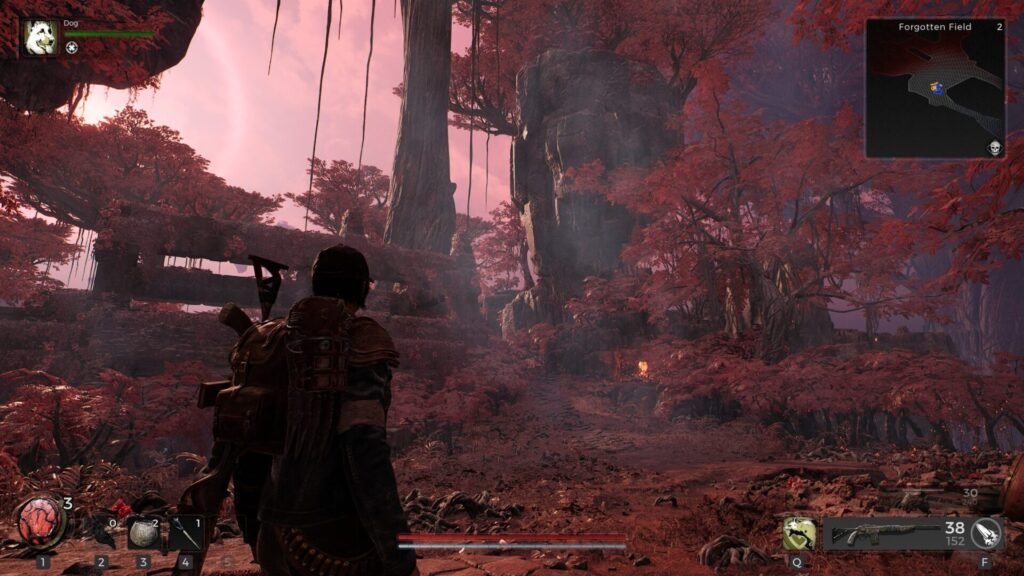
“Hey, this isn’t a Souls-like! This is a third-person shooter!” I probably hear you muttering under your breath. All I have to say is, hold up, let me cook – Remnant has more in line with Souls than it does with most other shooters. Combat is slow, with generally slow-shooting weapons that encourage proper positioning. You have limited healing, and each area is dotted with limited checkpoints that reset the world upon use, and there is a hub area that you constantly return to upgrade and restock yourself with stronger weapons.
But instead of legitimizing Remnant 2’s status as a souls-like, I feel that energy is better spent explaining to you WHY it’s among the best of its ilk, and so much of that has to do with its level design. Unlike other games, Remnant 2 uses a very different kind of procedural generation in its design.
Rather than procedurally generating entire layouts, Remnant 2 has multiple handmade layouts and dungeons for each of the three acts that it procedurally generates at the start of its campaign. It’s kind of like a roguelike campaign. Which means that to see all of what Remnant 2 has to offer, you need to finish it at least 3 different times, and couple that with the sheer variety of classes that each have their own builds, and you have arguably the single most replayable game in the souls-like genre.
3. Hollow Knight
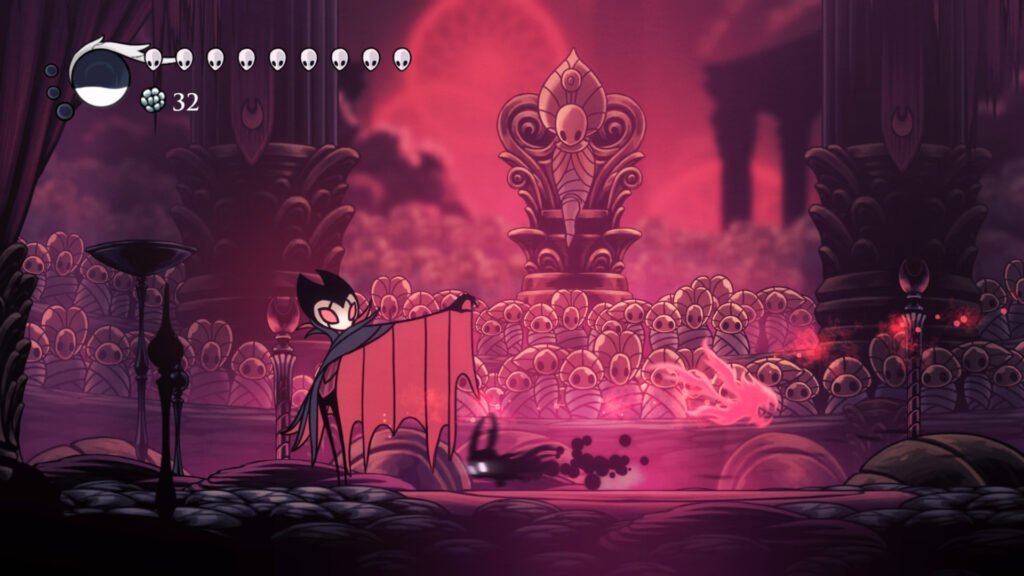
I initially considered adding Hollow Knight Silksong here instead, because I strongly believe that Silksong is the far better game of the two; however, when it comes to being souls-like, I think Hollow Knight is a more fitting pick. This is one of those picks that I consider to be strongly “vibes-based.” I feel justified in including the title because a lot of what makes a Souls-like tick for me is a very specific atmosphere. A tightrope act between beauty and ugliness, hope and despair – an idea of struggling against a world that is not hostile, but indifferent to your existence.
Outside of Hollow Knight and the Souls series, there are extremely few games that I think nail this very specific style of atmosphere, and thus I feel it deserves a spot on this list. It also helps that the game has extremely responsive controls with tight combat and some of the best bosses in the 2D Metroidvania genre.
2. Nioh 2
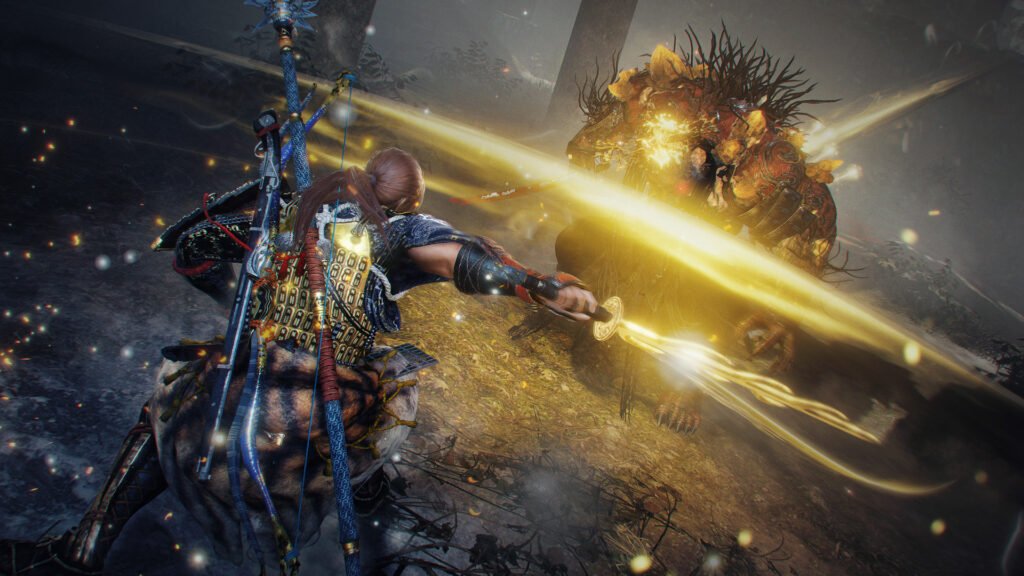
This was a personal pick, and if I wasn’t strictly looking at Souls-likes, this likely would’ve broken into the Number 1 spot on most any other list. Take everything I said about Nioh 1 and multiply it by 100. That’s Nioh 2, a sequel that expands and adds onto the original, while changing so much of it that it begins to feel like an entirely new experience.
Nioh 2 ratchets up the action even further and brings with it an even harsher difficulty. The new enemies fight smarter, hit harder, and require a degree of concentration from the player that puts most other games in the genre to shame. It’s a sequel that fixes nearly all the problems of its predecessor, from the weak story to the lackluster enemy variety and boring levels. It’s a perfect sequel in every sense of the world and one of the best souls-likes around.
1. Lies of P
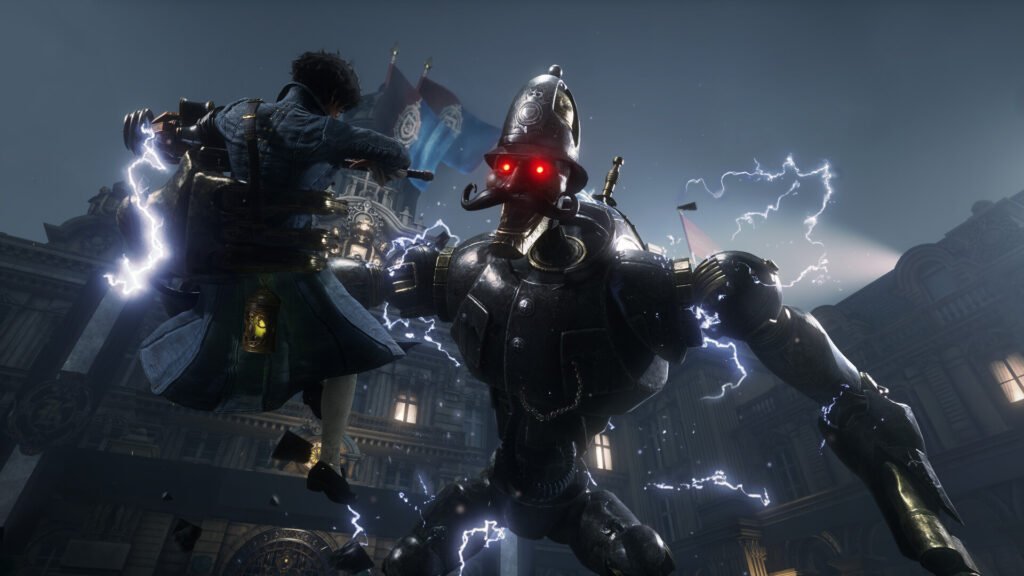
I believe that outside of FromSoftware’s own games, Lies of P is the best Souls-like ever made. This is the second game of the two that I’d say feel closest to the original FromSoftware titles. Based on the story of Pinocchio, Lies of P is a game set in the recent city of Krat where you take control of a humanoid Puppet to fight through an army of puppets gone berserk. It sounds simple on paper, but it’s actually a very interesting story with some genuine twists and turns as you go throughout the campaign.
Thankfully, Lies of P also has fantastic combat to make up for it, that’s upheld by strong enemy and level design as well as a fantastic set of bosses. Attacks feel powerful, with great animations and punchy hit feedback for each weapon. Lies of P’s most unique feature however, is the weapon crafting system. Each weapon in Lies of P has two parts, a handle and the front.
Whenever you find a weapon in Lies of P, that weapon’s parts get added to a crafting pool which lets you mix and match the handle and blade of any weapon with any other weapon letting you create entirely unique combos of weapons with whatever moveset, range and speed that you prefer. Its a rare souls-like that truly feels like it understands what made the Dark Souls and Demon’s Souls work so well, and while it lacks the interconnectivity that often defines the latter, it makes up for it by having some of the best levels across the entire Souls-like genre.
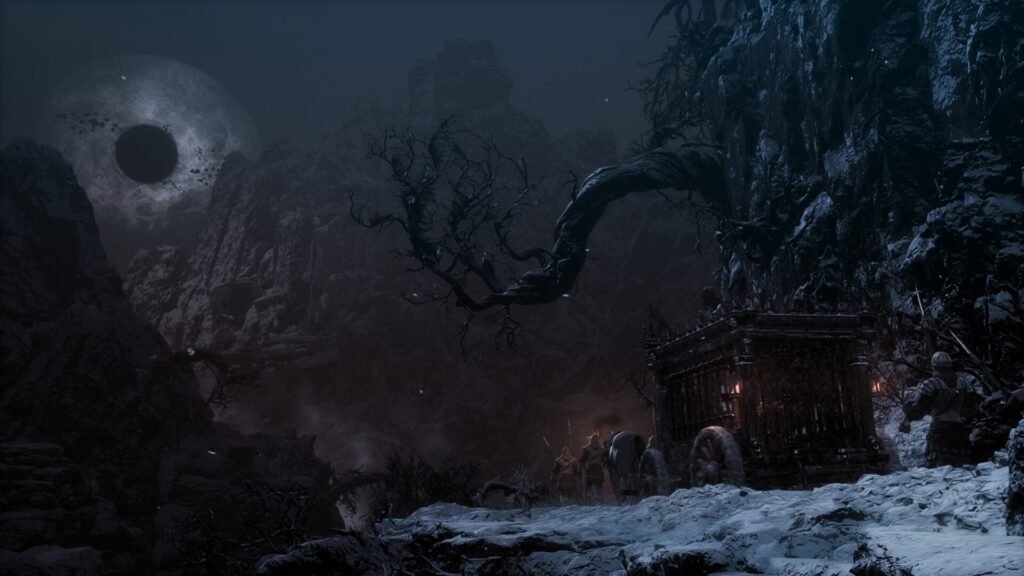
Souls-like games have become a fascinating genre, especially in their evolution. Developers continue to borrow ideas to create unique hybrids in all sorts of styles, ranging from an FPS like Witchfire to the aforementioned Remnant 2. It’s a style of game that’s often misunderstood by developers, but when it’s done right, it’s a marvelous gaming experience and a must-play for any fan.