
Pearl Abyss did not design Crimson Desert to be kind to first-timers. From the moment Kliff sets foot on the war-torn continent of Pywel, the game throws mercenaries, multi-phase bosses, and a staggering number of interconnected systems at the player — often without much of an explanation. It respects your time by giving you an enormous world, and then quietly expects you to figure most of it out yourself.
That earned reputation for being dense is exactly why so many players who grabbed a Crimson Desert Steam key in the early days hit a wall around the third or fourth hour. This guide is written for those people — the ones staring at a skill tree with no idea what to spend their Abyss Artifacts on, or dying to the same boss for the fifth time wondering what went wrong.
Where to Get the Game for Less
Anyone who has not yet picked up their copy does not need to pay full retail to get started. LootBar is a trusted game shop that consistently offers a cheap game key across major titles, including Crimson Desert. Known for transparent pricing, fast delivery, and a clean purchasing experience, LootBar is worth checking before heading to Steam’s base price. For players hunting a Crimson Desert Steam key without paying extra, LootBar’s deals make it one of the most practical stops in the game key space.
The shop regularly updates its catalog, so checking back for further discounts is always worthwhile — especially for anyone who wants to grab a cheap game key for friends or additional copies.
- The Story Has a Purpose — Follow It First
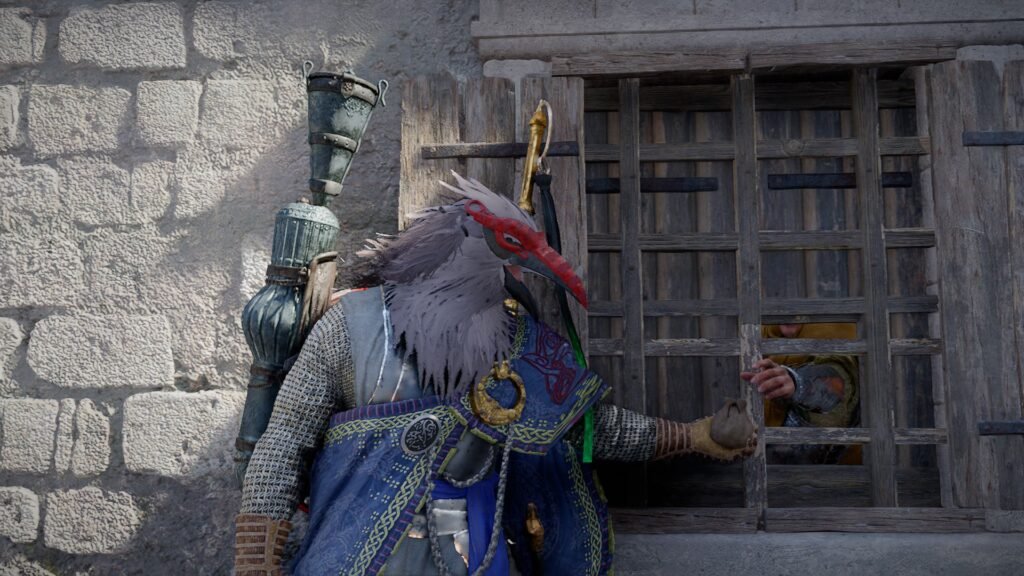
The open world of Pywel looks enormous from the very beginning, and the urge to go off exploring immediately is understandable. Resist it. Several traversal abilities — including the Force Palm triple-jump, Flight, and Damiane’s double jump — are locked behind main story progress. Without these, climbing mountains and reaching elevated areas becomes a genuine headache. The early hours are far better spent advancing the narrative, unlocking those movement tools, and then branching out into the wilderness. Exploration that comes after those unlocks feels like an entirely different — and far more enjoyable — game.
2. Parrying Changes Everything
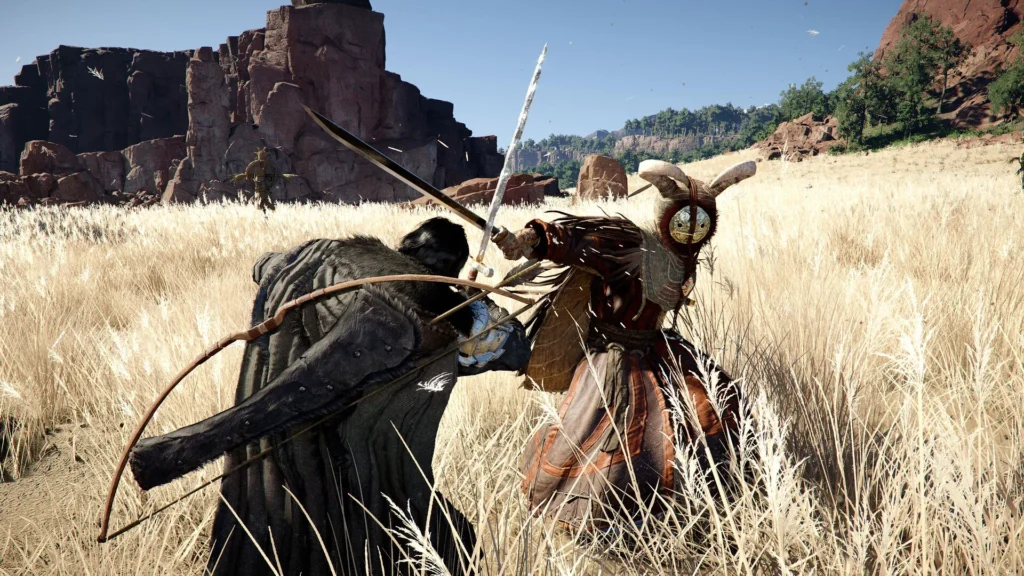
A lot of new players treat Crimson Desert like a standard hack-and-slash. They hold the attack button, chain combos, and wonder why their stamina keeps running out. The game’s combat is actually built around parrying, not aggression. Blocking right before an enemy’s hit lands counts as a parry — it interrupts the attack, instantly regenerates both stamina and spirit, and leaves a brief window to counter. Players who unlock the Counter skill (reached by leveling Keen Senses to tier three, or by watching the Hernand Guard fight at the arena near Lion Crest Manor) take this a step further, attacking into an incoming hit to interrupt it rather than blocking.
Get this into muscle memory early. Against regular enemies, parrying makes fights trivially short. Against bosses, it becomes the difference between grinding through a 15-minute encounter and finishing the same fight in half the time.
3. Stamina Is More Important Than It Looks
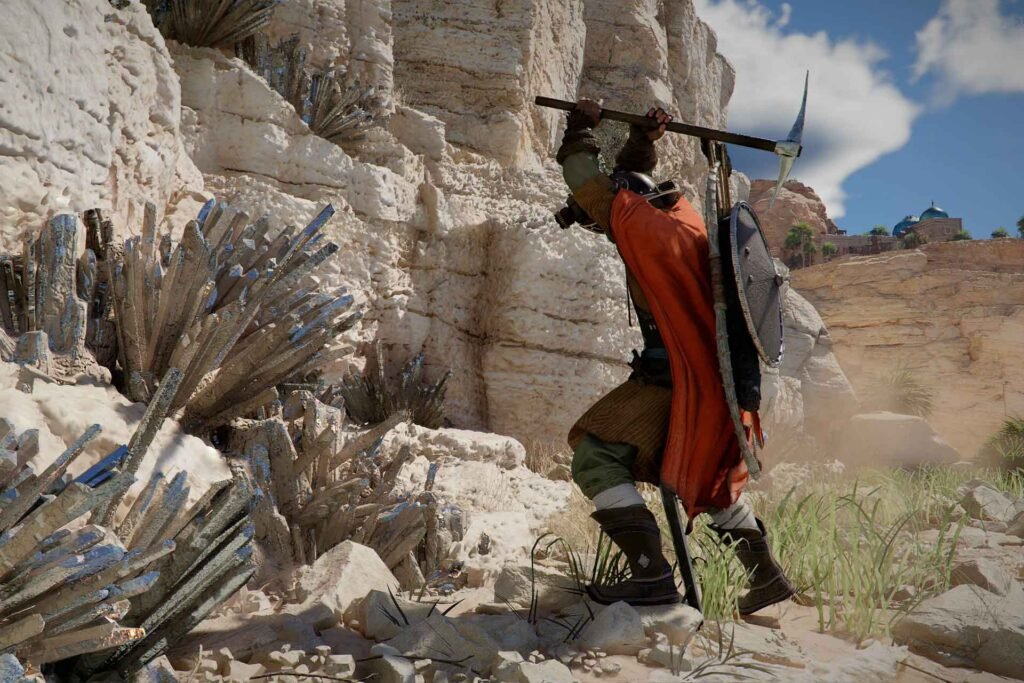
The skill tree in Crimson Desert is divided into colored nodes — red for health, blue for stamina, green for spirit. New players almost always overspend on red nodes and neglect blue ones. That is a mistake that compounds the further into the game you get. Stamina controls gliding, climbing, swimming, sprinting, blocking, and dodging. Run out while gliding over a canyon and the consequences are immediate. Run out mid-boss fight and suddenly there is no way to avoid a telegraphed attack.
Prioritize stamina nodes in the early Abyss Artifact spending. Get health to a reasonable baseline, but stamina upgrades will quietly improve almost every aspect of gameplay far more than raw health does.
One more trick that the game never actually explains: stamina food can be consumed mid-action. Open the consumable wheel while hanging off a cliff, swimming underwater, or gliding — and eating immediately refills the stamina bar without canceling the animation. This effectively removes stamina as a hard limit on traversal. Keep stamina food in that quick slot at all times.
4. Bosses Work Differently Than You Think
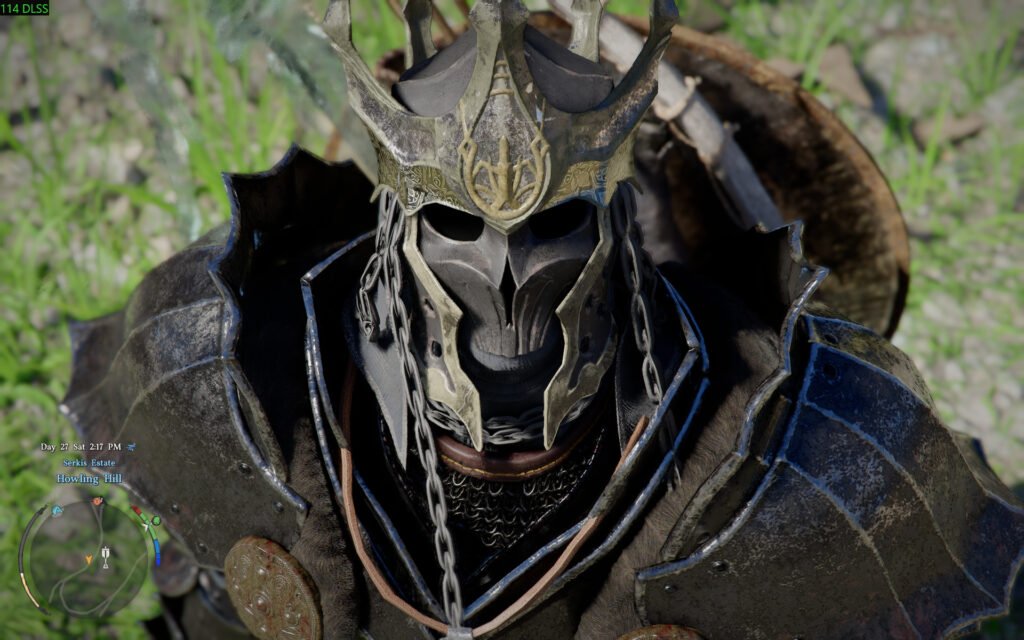
Boss encounters in Crimson Desert follow a strict phase structure. Each phase is marked by a color shift in the health bar — once the bar is drained, a cutscene plays, the health resets, and the fight escalates with new attack patterns and increased aggression. What worked in phase one will often get you killed in phase three.
Two preparation steps matter before every major boss fight.
- First, interact with any nearby grindstone or anvil — these give free temporary attack and defense buffs that cost absolutely nothing and are frequently overlooked.
- Second, bring food. Not just any food, but cooked meals prepared from hunted meat at a campfire. The fastest hunting method is to use a poison arrow, which takes down most animals in a single shot.
Stock up on both healing food and stamina food before a tough encounter, and the difficulty of multi-phase bosses drops substantially.
Palmar Pills are also worth crafting. Made from water, insects, and common plants found across Pywel, they trigger an automatic resurrection at 30% HP upon death — meaning an entire boss attempt is not lost to a single unlucky mistake.
5. The “Watch and Learn” System Is Free Progression
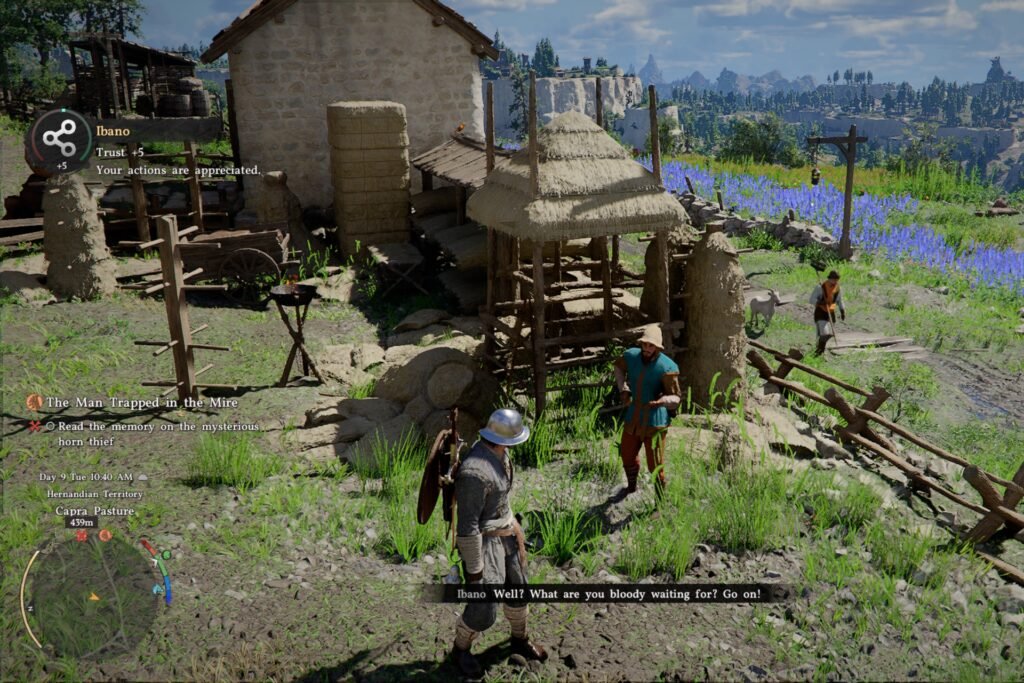
Buried in the skill tree is a mechanic that many players miss entirely. Certain skills carry a note stating they can be learned by observing an enemy perform them repeatedly during a fight. If the player survives that fight long enough for the enemy to use the ability multiple times, Kliff absorbs and learns the skill permanently — no Abyss Artifact required. This is not a minor perk. Some of the more useful combat abilities can be unlocked this way, preserving precious artifacts for health and stamina investments instead.
6. Every Merchant in Every Town Has an Extra Bag
Vendors across Pywel’s settlements sell specialty goods — fishing equipment, alchemy components, regional supplies — and it is tempting to walk past the ones that seem irrelevant to current goals. Do not. Almost every merchant sells a small, cheap bag that adds one inventory slot. Crimson Desert has no stash or storage box system. Every item collected sits in Kliff’s personal inventory. One slot sounds trivial until realizing that visiting ten merchants in the early hours quietly adds ten more spaces, which is a real and meaningful improvement in a game where item management becomes genuinely frustrating without it.
7. Ranged Attacks and Weapon Switching Are Underrated
Most early game players lock themselves into melee and never switch out. The bow is far more useful than it looks. Whenever an enemy gets knocked back or jumps away to create distance, holding the bow button and releasing fires an arrow for essentially free damage during what would otherwise be dead time. More importantly, Kliff can unlock the Quick Swap skill under the Armed Combat tree, allowing instant weapon switching between primary and secondary options mid-fight. Damiane and Oongka can swap weapons without this skill from the start, which is one of the early reasons to bring them into encounters.
Also worth noting — switching to bare fists opens an entirely separate martial arts combo set. R1 and R2 become a different attack system entirely, useful for conserving weapon durability during trash fights.
8. Pet Animals for Free Auto-Looting
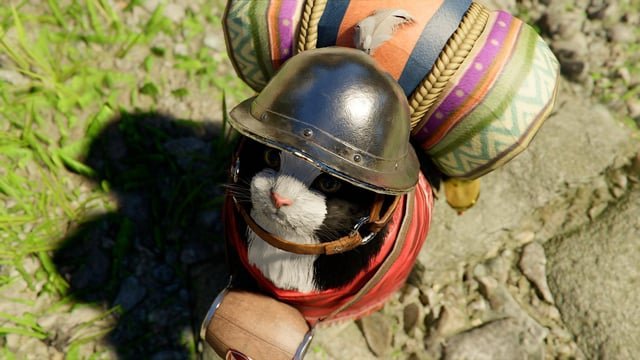
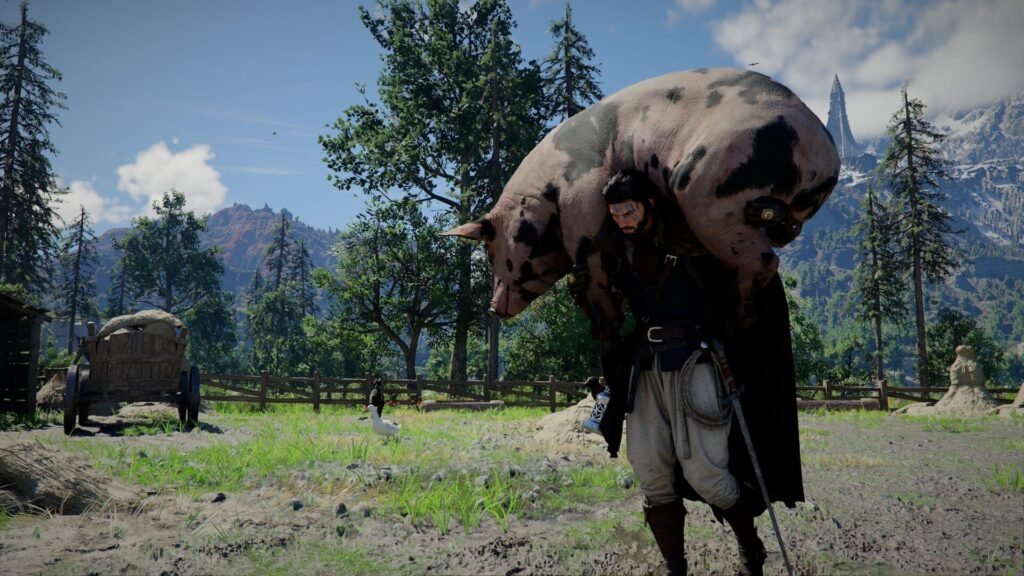
Throughout Pywel, stray dogs and cats are everywhere. Petting them earns trust — five points per action, up to five times per in-game day. Feeding them meat increases this further: tough meat gives ten trust, fine meat gives thirty-five, with up to three feedings allowed daily. When trust hits 100, that animal becomes a permanent companion. Bonded dogs automatically pick up loot from defeated enemies during combat, collecting drops while the fight is still ongoing. Up to 30 pets can be registered, with one active at a time. It sounds optional, but manual looting in a game this large gets old very fast.
Final Word
Crimson Desert is not a game that holds your hand, and honestly, that is part of the appeal. The difficulty is not arbitrary — it is teaching a language. Once parrying clicks, once stamina stops feeling like a constant obstacle, once the phase structure of boss fights becomes readable rather than chaotic, the whole experience shifts. The learning curve here is steep, but the other side of it is one of the more rewarding open-world games released in years. Pywel has the depth to justify every frustrated retry along the way.