Every year, a handful of older books return to the surface. Sometimes it is because of a new adaptation. Sometimes it is because a fresh controversy reminds us that the book was never really tame to begin with. And sometimes it is simply because a supposedly “old” novel suddenly resonates harder than half the new releases on the shelf.
From Homer to the Brontës, from Austen to Dumas, several major works are either getting new adaptations or benefiting from renewed cultural attention. This makes 2026 another very good time to go back to the source and read the books before the internet reduces them to casting debates.
Here are eight classical novels worth reading this year.
The Odyssey by Homer
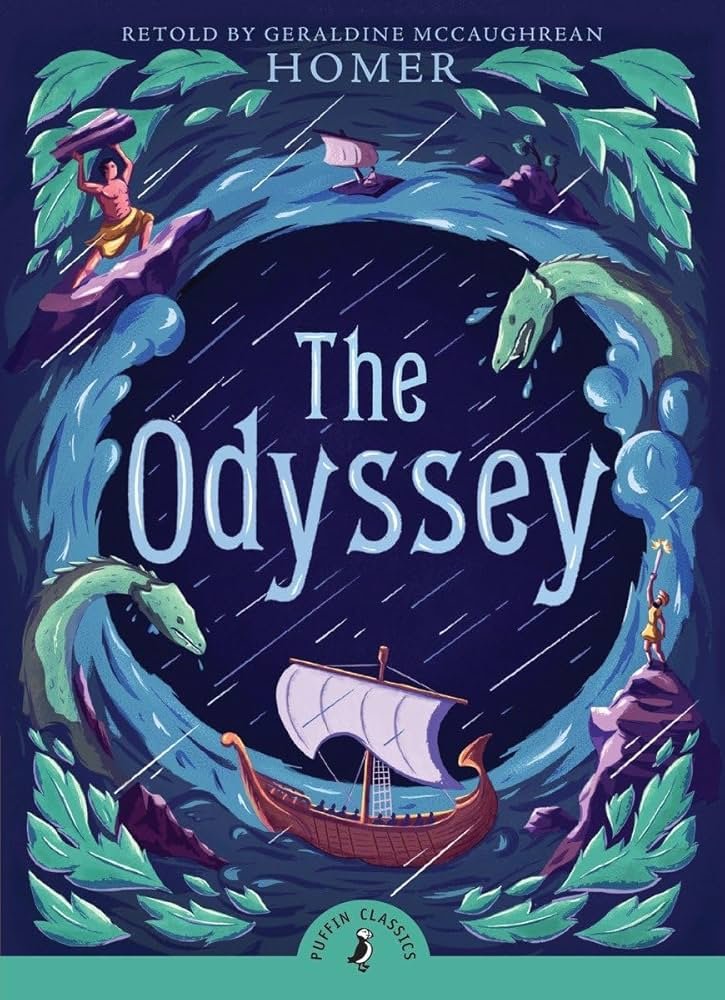
This is the clearest pick on the list, but not the easiest read.
Christopher Nolan’s The Odyssey is set for release in July 2026, which means Homer is about to be dragged back into mainstream conversation in a big way. That alone makes this the perfect moment to read the poem itself.
The Odyssey is far more than a school-text classic about a man trying to get home. It is one of the foundational adventure narratives of Western literature, but it is also stranger than many first-time readers expect. Monsters, shipwrecks, disguises, divine interventions, tests of identity, massacres, loyalty, cunning, grief: the poem moves with a speed and brutality that can still feel quite modern.
What makes it worth reading now is also the fact that the story remains endlessly reusable. It has been said that this book tells more about our times than a newspaper.
Read it now, and you will be reading one of the deepest roots of storytelling itself.
Wuthering Heights by Emily Brontë
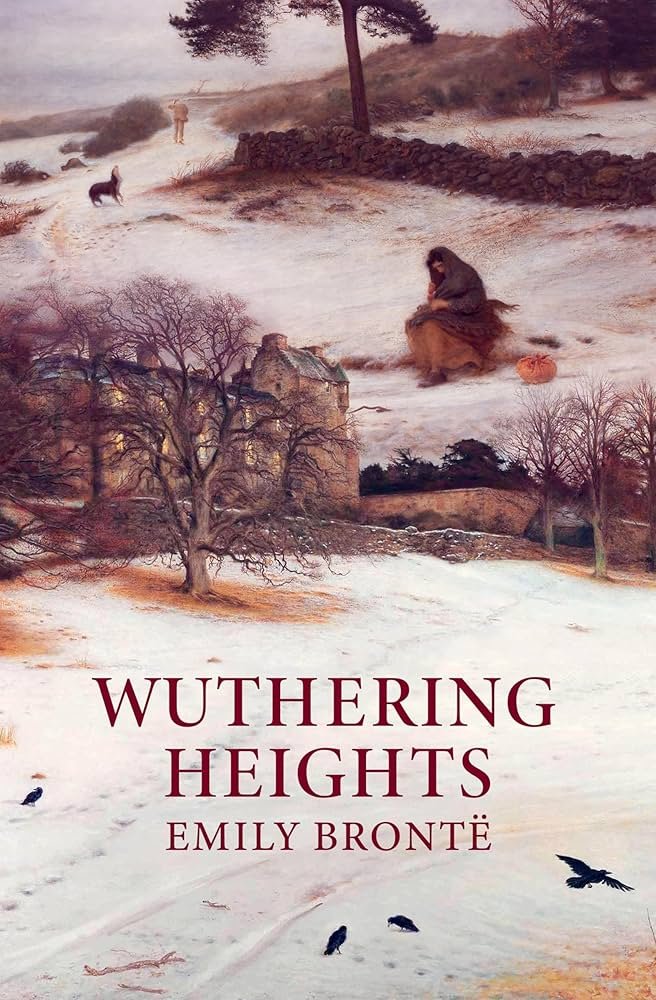
If you have only encountered Wuthering Heights through reputation, there is a decent chance you imagine it as a tragic, windswept romance.
Emily Brontë’s novel is vicious, obsessive, inhospitable, and often emotionally feral. It is a novel about fixation, revenge, inheritance, cruelty, class, and the way desire can rot into something almost supernatural.
That is why it remains so magnetic, and why 2026 is a good year to read it. Emerald Fennell’s adaptation has already brought the novel back into public conversation after its theatrical release, which means readers are once again arguing about what the book actually is. A romance? A gothic nightmare? A destructive anti-love story? The answer is, conveniently, all of the above.
This is one of those classics that benefits from being read before you absorb too many takes about it. The novel is far rougher and more destabilizing than its cultural image suggests.
Pride and Prejudice by Jane Austen
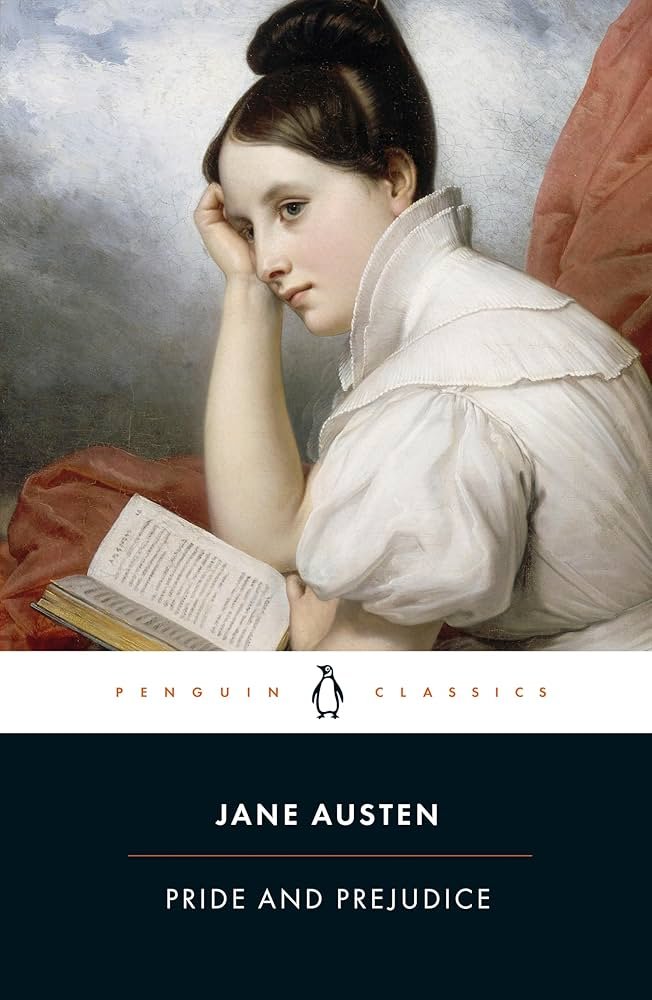
Few classics have been packaged, quoted, adapted and parodied as much as Pride and Prejudice.
A new Netflix adaptation is due in 2026, which will inevitably introduce another generation to Austen through costume design, yearning edits, and renewed debates over who the best Mr. Darcy is. But the novel itself remains sharper than its polished image.
What often gets flattened in adaptation is just how funny Austen is. Pride and Prejudice is not merely elegant. It is cutting. The social observation is exact, the dialogue is precise, and the novel’s intelligence lies as much in its irony as in its romance.
Read it now because Austen still makes social structure visible while keeping the prose light on its feet.
Jane Eyre by Charlotte Brontë
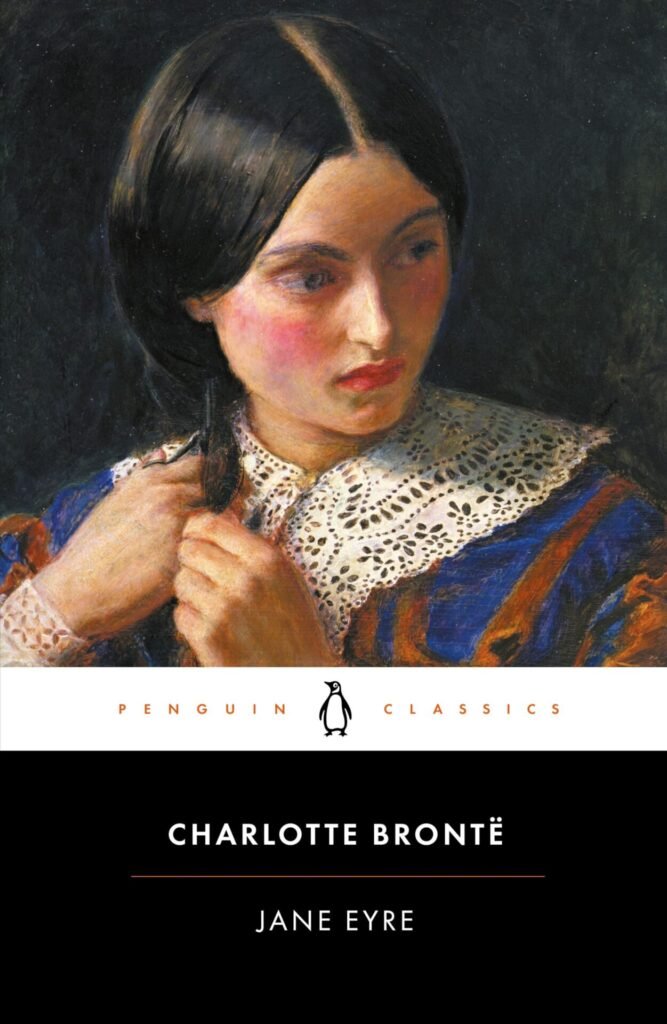
Jane Eyre is the storm gathering behind the walls.
The announcement of a new 2026 television adaptation is enough reason to bring Charlotte Brontë’s novel back into view, but the real reason to read it is that Jane Eyre still feels startlingly forceful from the inside. Jane is a moral intelligence, a will, and a voice.
The novel fuses several things that do not always coexist easily: bildungsroman, gothic fiction, spiritual crisis, class conflict, and romance. It is intense without becoming shapeless. It is passionate without losing its sense of self-command.
And because so many later novels borrow from it, reading Jane Eyre in 2026 can feel like discovering the hidden template behind countless stories of emotional self-definition.
The Count of Monte Cristo by Alexandre Dumas
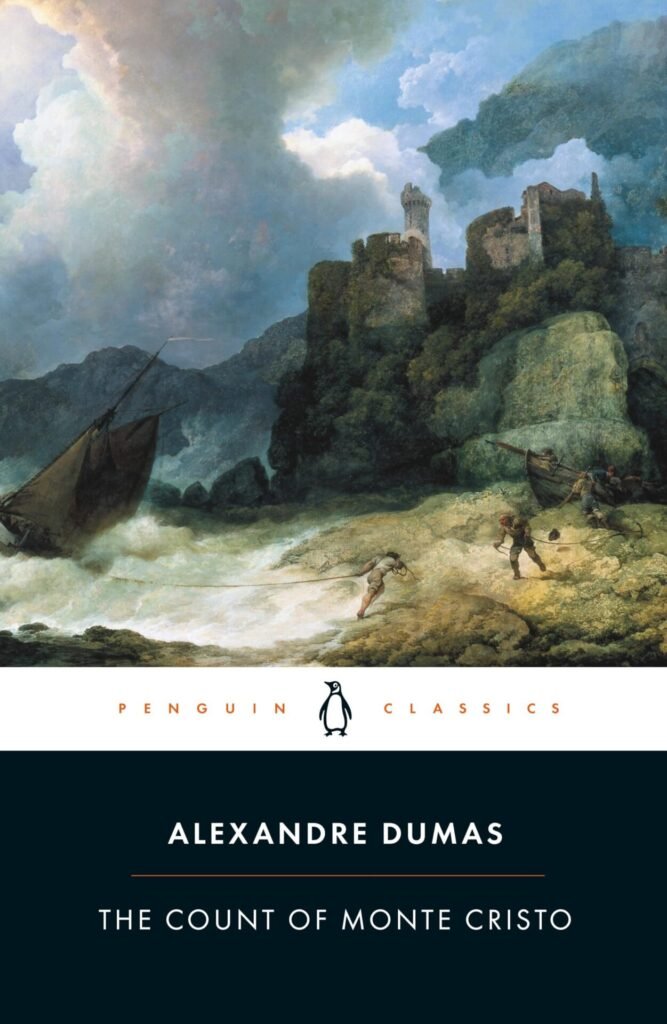
Having this one on any list almost feels like cheating. But this one is irresistibly readable and constantly readapted.
With the new television adaptation airing on Masterpiece, Dumas is once again back in circulation, and rightly so. This remains one of the great engines of narrative pleasure: betrayal, imprisonment, escape, reinvention, revenge, wealth, disguise, delayed justice. It is built to keep you turning pages.
But the novel is more than a revenge fantasy. It is also about identity and transformation. Edmond Dantès does not simply punish his enemies. He becomes someone else in the process, and the novel keeps asking what revenge does to the soul of the person carrying it out.
If you want a classic that feels huge, dramatic, and immediately readable, this is probably the safest recommendation on the list. And the one that made me fall in love with reading.
Frankenstein by Mary Shelley
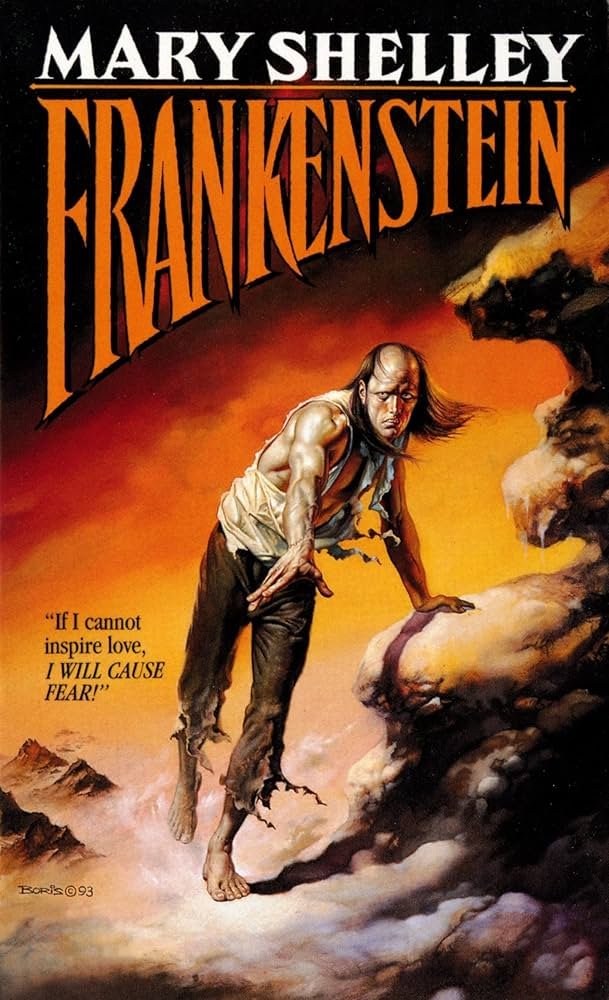
Mary Shelley’s novel never really leaves culture, but 2026 is still a very good year to return to it.
Part of that is the afterglow of adaptation momentum. Guillermo del Toro’s Frankenstein arrived on Netflix in November 2025, which has helped push readers back toward Shelley’s original novel and reminded a lot of people that the book is much richer than the flattened pop-culture image of “Frankenstein” as merely a monster with bolts in his neck.
But the deeper reason is that the novel remains astonishingly modern in its anxieties. Creation without responsibility, knowledge without wisdom, abandonment, artificial life, the ethical failure of the maker: Frankenstein keeps speaking to eras obsessed with invention.
It is also far more emotional than many people remember. The creature is one of the most painful figures in nineteenth-century fiction.
A Tale of Two Cities by Charles Dickens
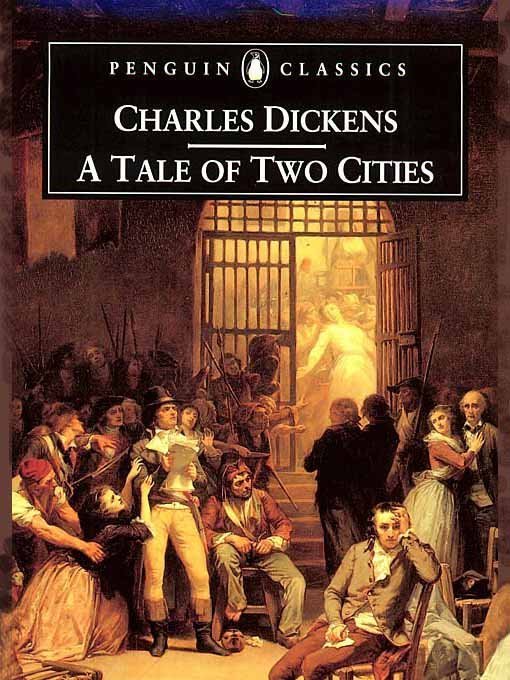
Dickens is never very far from the screen too, but A Tale of Two Cities has an especially timely reason to be read in 2026.
A new four-part adaptation starring Kit Harington, François Civil, and Mirren Mack is officially set to air on the BBC in the UK and MGM+ in the US in 2026. That makes this a strong year to revisit one of Dickens’ darkest and most famous historical novels before the new version reframes it for a television audience.
And despite its reputation as a school-text classic, A Tale of Two Cities remains a gripping book. It is about revolution, sacrifice, doubling, resurrection, class violence, and the moral pressure of history. It also contains one of the most famous acts of self-sacrifice in English literature, while remaining full of fear, crowd psychology, and political instability. It is full of fear, crowd psychology, and political instability.
If 2026 ends up bringing the French Revolution back into cultural conversation, this is the novel most likely to benefit.
The Picture of Dorian Gray by Oscar Wilde
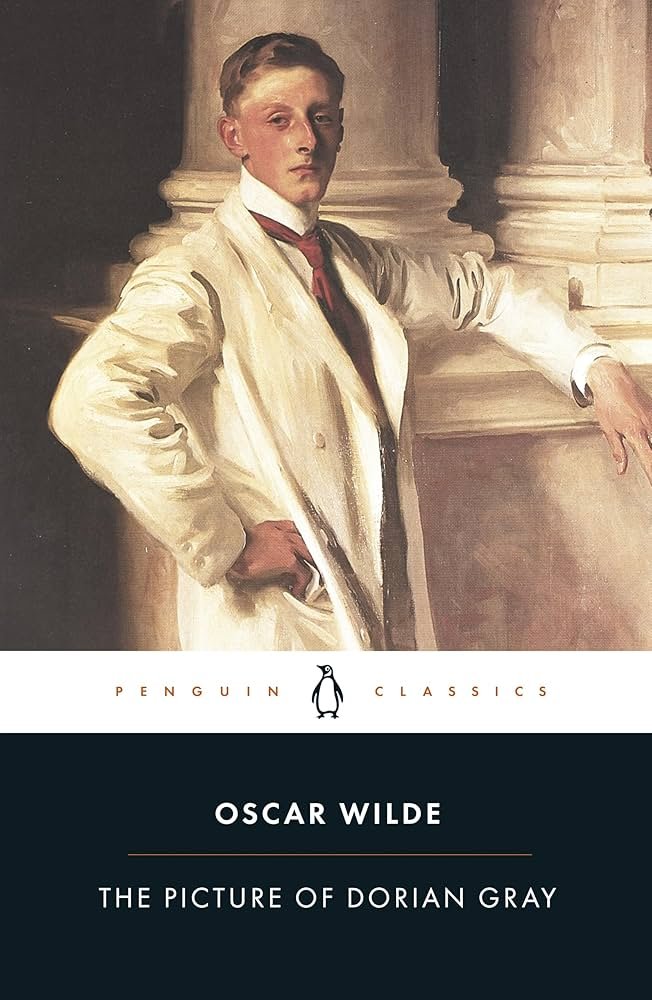
A culture obsessed with surfaces, youth, performance, self-display, and moral detachment hardly needs much help finding its way back to Wilde.
That is why The Picture of Dorian Gray feels so current in 2026. New stage interest and fresh adaptation energy are helping keep it visible, but frankly the novel barely needs an excuse. It already reads like a book written for an age of self-curation.
It is witty, poisonous, seductive, and much darker than the elegant quotations usually pulled from it. Wilde understands charm as a force that can become corruptive. He also understands that aestheticism can be both liberating and morally evasive.
If you have never read it, 2026 is a perfect year to correct that. If you have read it already, it is one of those rare classics that becomes increasingly contemporary the more vain the culture gets.
Final thoughts
The best reason to read classics in 2026 is timing.
This year gives you a rare convergence of renewed adaptations, revived public attention, and novels that still feel electrically alive once you strip away their academic packaging. And if there is one lesson in all this, it is that the original book is usually stranger, harsher, funnier, or more radical than its popular image suggests.
So yes, read The Odyssey before Nolan gets there. Then keep going.
Read the Brontës before discourse domesticates them. Read Austen before the algorithm turns her into posture. Read Dumas because narrative pleasure is not a lesser pleasure. Read Shelley, Stoker, and Wilde because the gothic never really went away, and 2026 seems determined to prove it.
The classics are back, once again. The best move is to meet them on the page first.