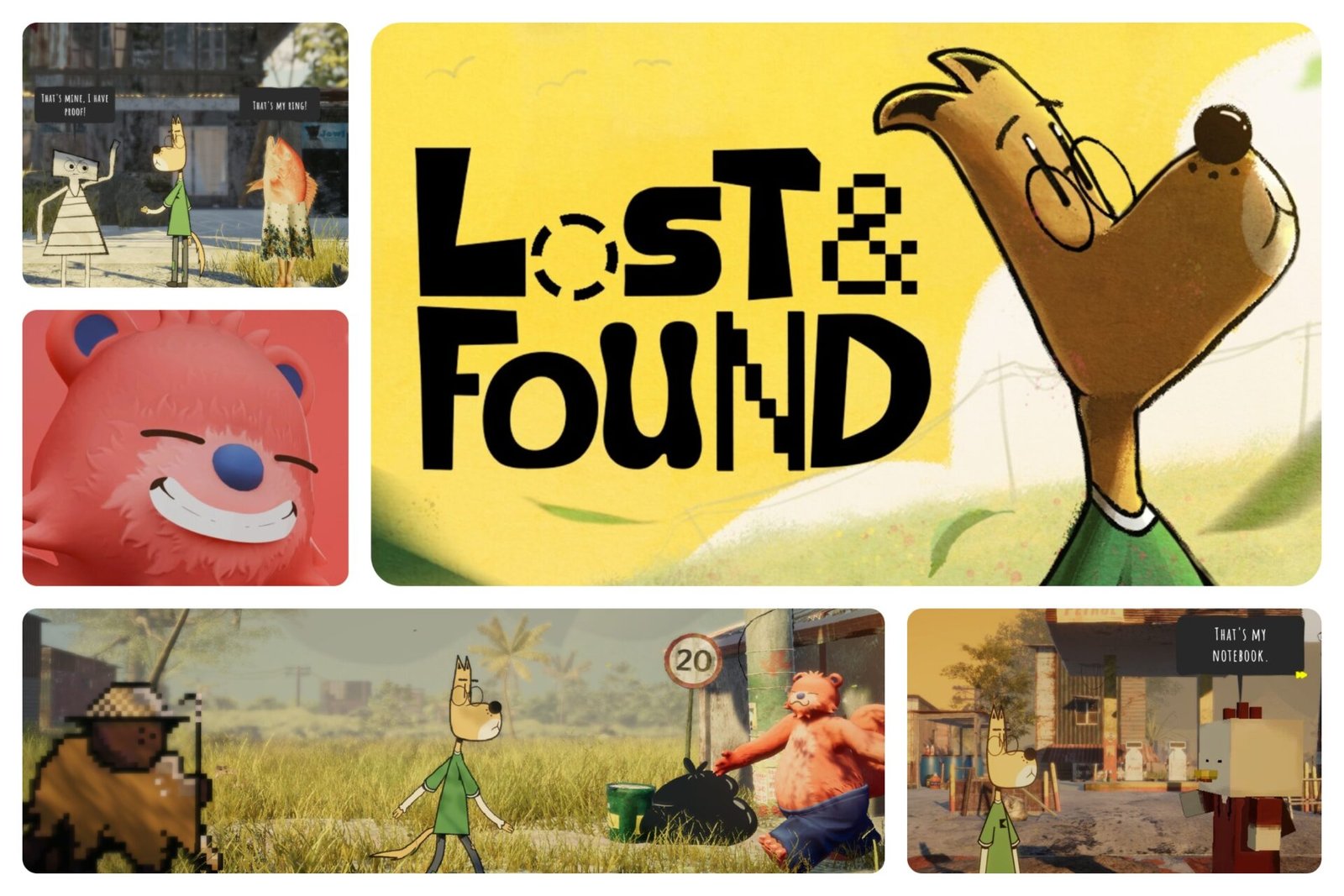
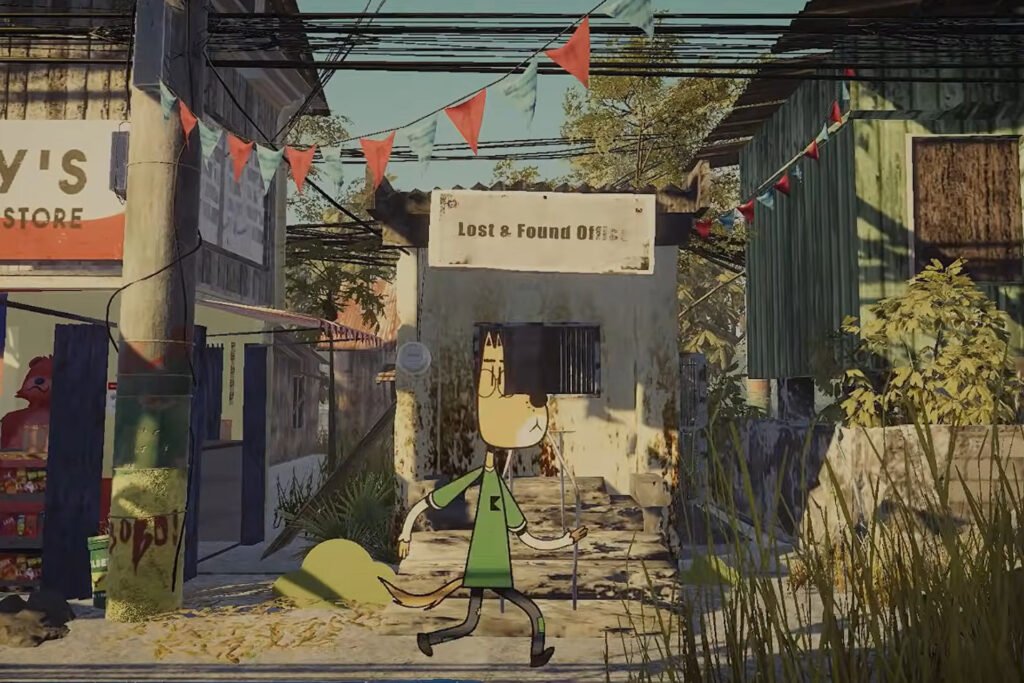
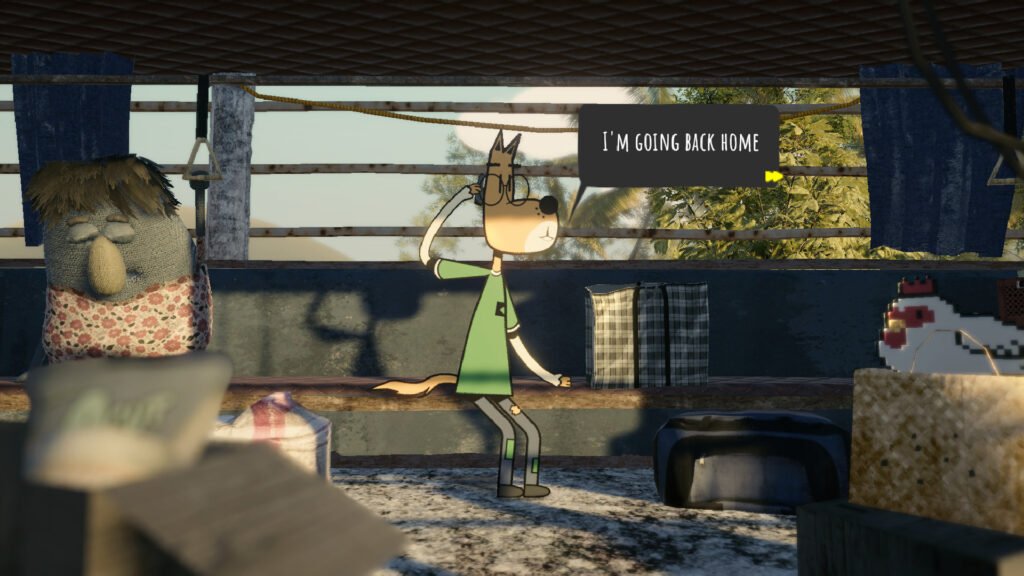
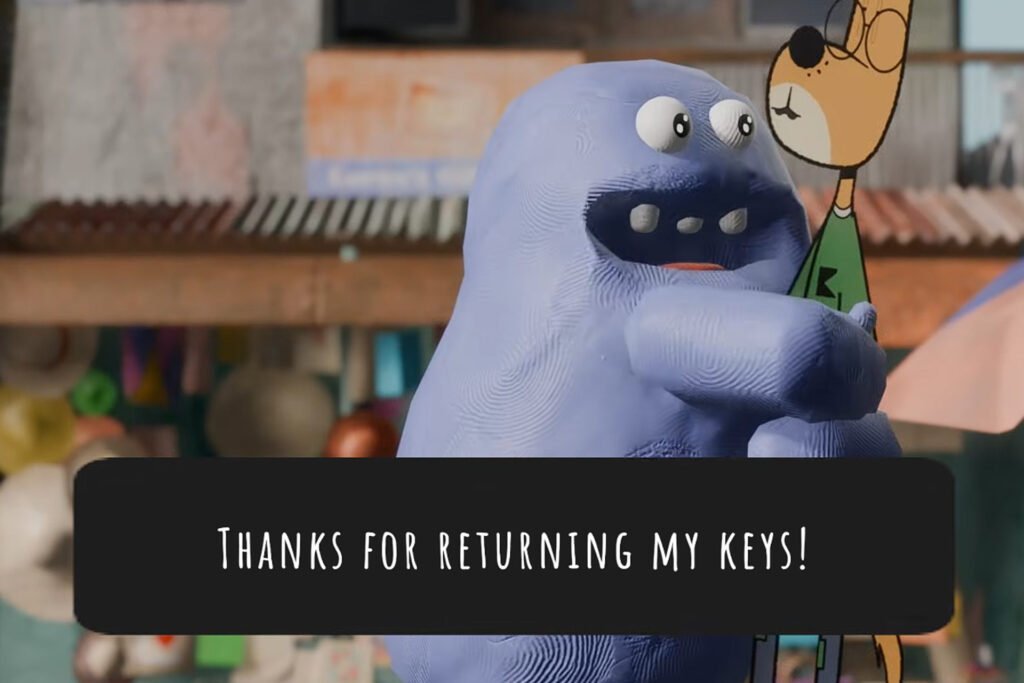
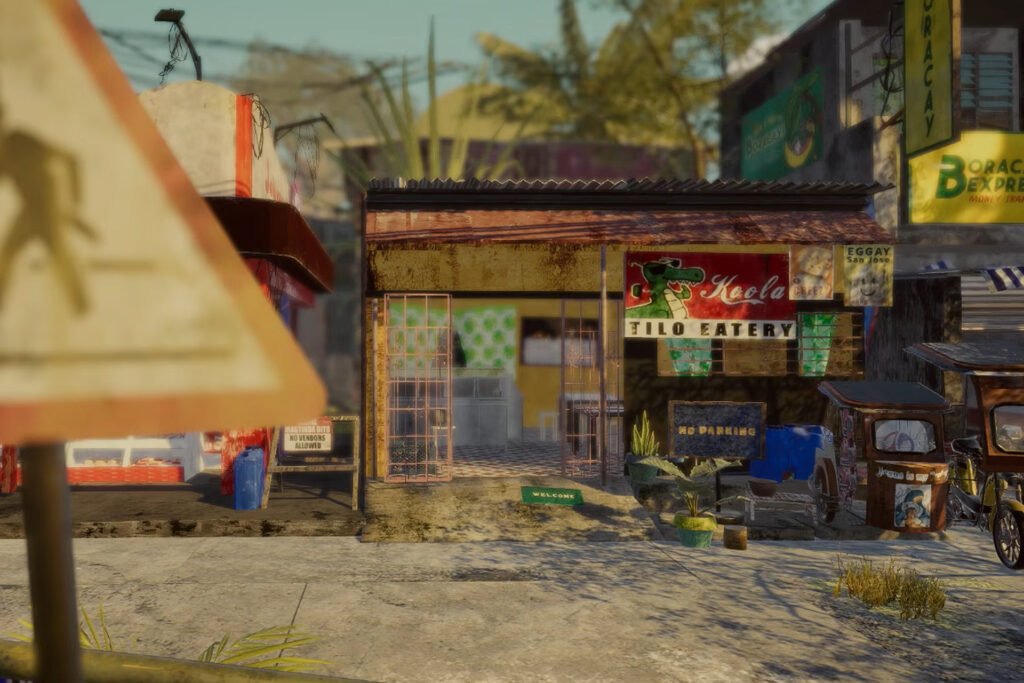
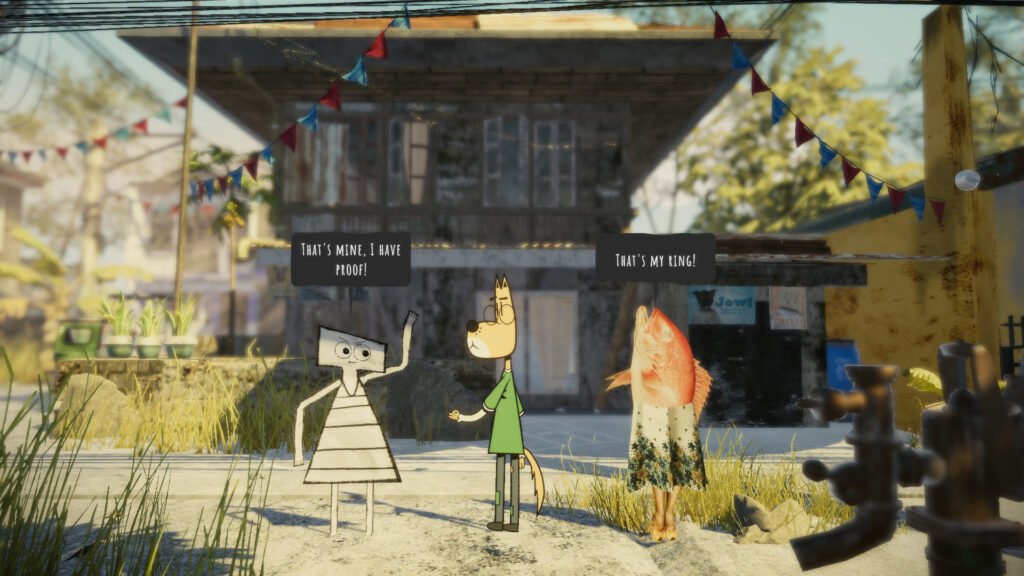
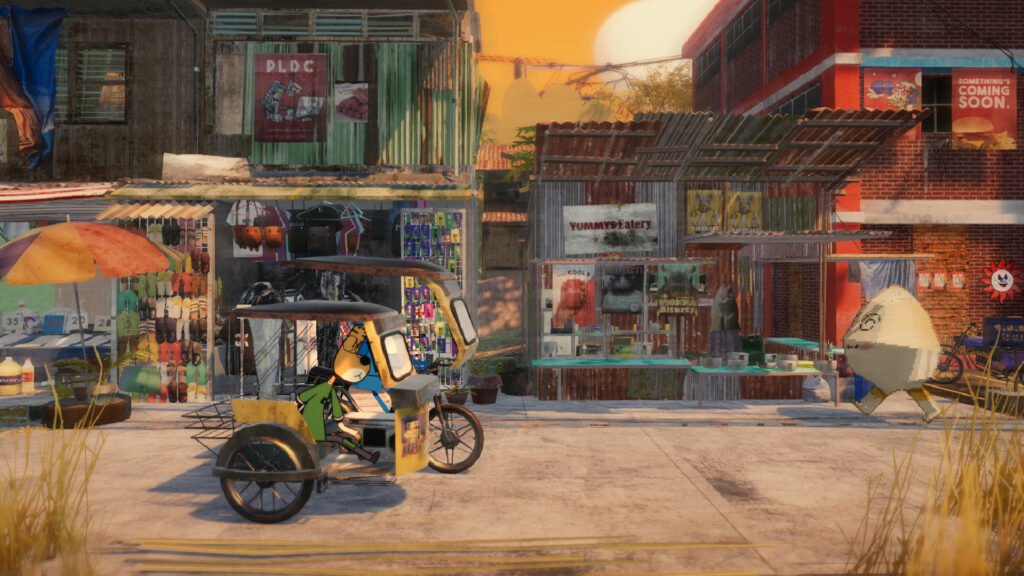
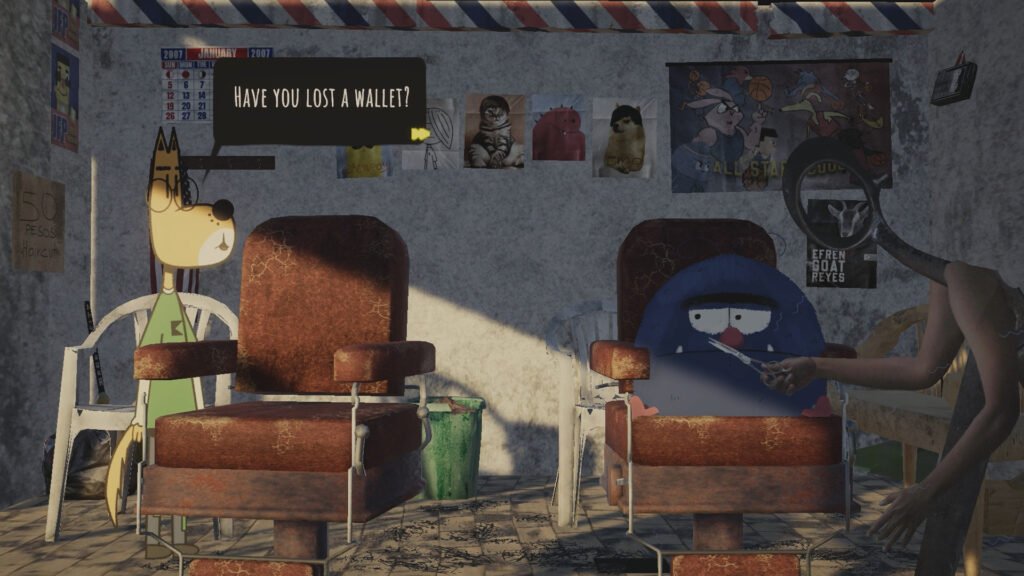
Every object you decide to keep or leave will always have a memory embedded. Whether significant or not, there’s a story to the seemingly mundane objects we encounter in our daily lives. In Lost & Found, we trail along Rico, a struggling artist starting a new job at a local Lost and Found office to help return the townsfolk’s lost belongings and uncover personal stories behind each item.
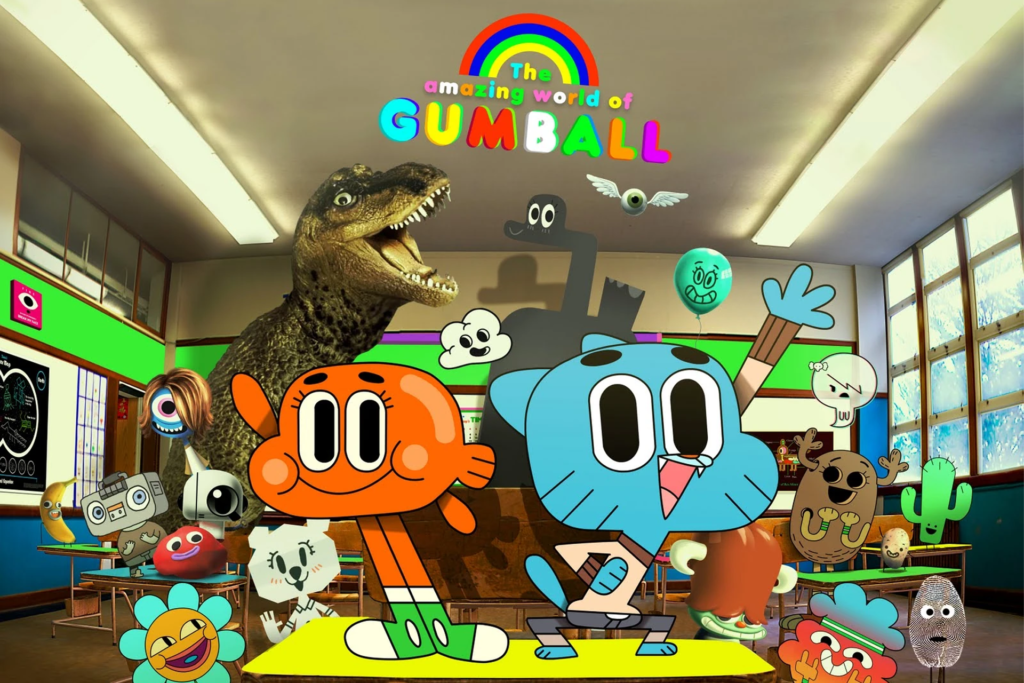
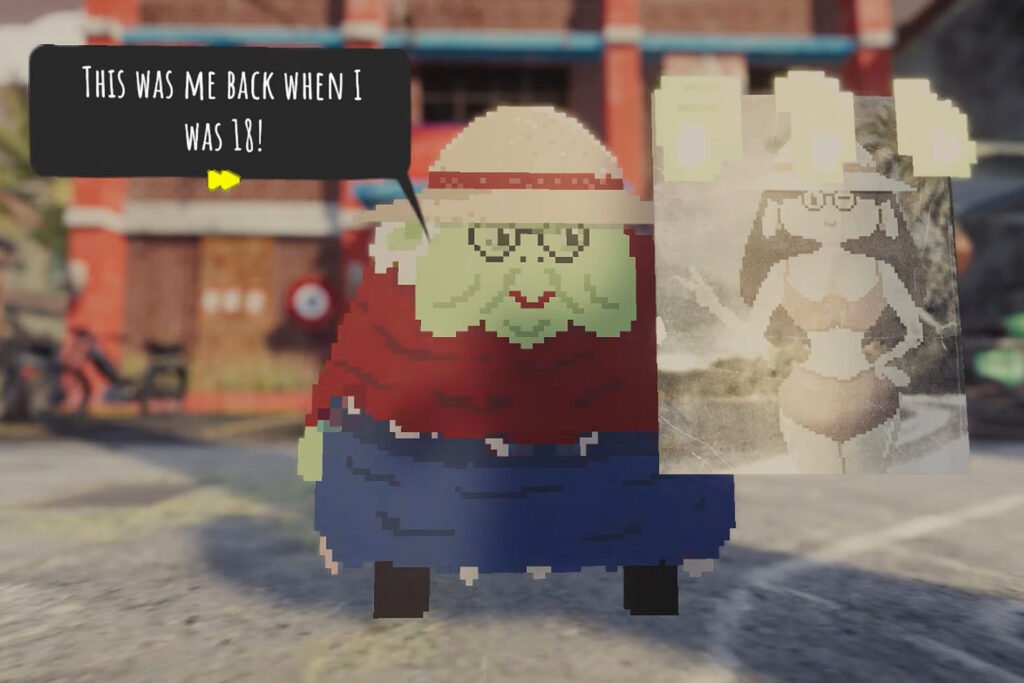
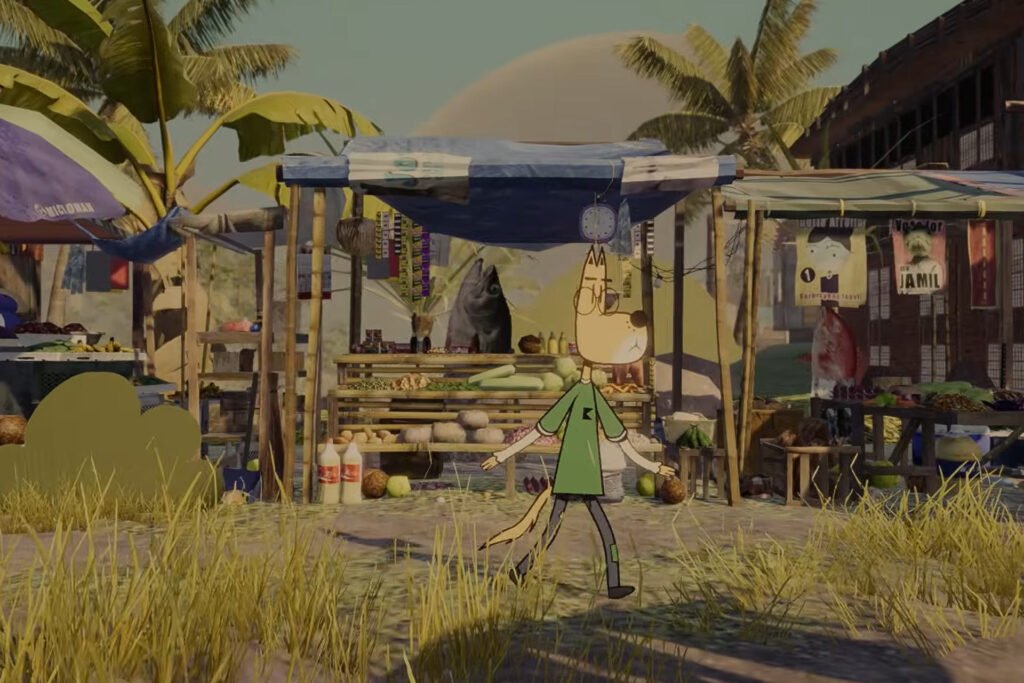
But the story concept of Lost & Found from ShaggyBearGames’ solo developer, Kurt Reodica, isn’t the only thing worth noting. With the hybrid animation style that blends 2D, 3D, pixel art, and more, the game feels like a love letter to iconic Cartoon Network shows such as Dexter’s Laboratory, Ed Edd ‘n Eddy, and most notably, The Amazing World of Gumball.
Since the game’s announcement on March 19, Lost & Found has gained widespread excitement across the gaming community and on social media. Amid the growing anticipation, we caught up with Kurt Reodica himself to dive deeper into the heart and world of Lost & Found, his process, inspirations, and what it means to create it as a solo Filipino indie game developer.
So, tell us what your journey was like into game development? Did you start as self-taught, formally trained, or somewhere in between?
Kurt narrates his love of video games, beginning at the same time he started to read. It led him to be exposed to a lot of this media and become interested in animation and game development:
“My journey into game development started way back when I was a kid. I have played video games since I started learning to read. Games like Jade Empire, Conker’s Bad Fur Day, and Ninja Gaiden were my childhood. In line with this, I watched a ton of cartoons growing up. Shows like Ed, Edd n Eddy, Foster’s Home for Imaginary Friends, and of course, The Amazing World of Gumball. “
“This exposure to games and cartoons eventually led me to be very interested in animation and game development. I don’t know how this happened, but one of the first memories that I remember of wanting to pursue gamedev was back when I watched Indie Game: The Movie. I was probably like 11 or 12 years old and I probably didn’t understood the movie a 100% that time, but I remember being so fascinated that those people in the movie, Jonathan Blow, Phil Fish, Edmund McMillen, are making one of the things that I love the most, which are video games – alone or with a small team.”
Growing older, Kurt’s passion for games turned into hobbies such as making his own endless runner game and then working on his thesis at his college, producing a point-and-click game called Makisama, based on the Philippines’ national hero, Jose Rizal’s novel of the same name, Ang Makisama. He also trained under various animators during his time in Puppeteer Studios, citing his skills from various self-taught and training experiences.
“Fast forward to my college years, I got into animation, and I’m very lucky that I got into a school where a passionate animator and professor named Nelson Caliguia taught us the art of animating. Then fast forward again a few years, I got into Puppeteer Studios where I was formally trained as an intern animator by very talented animators like Allen Belitario and Joshua Raquitico.”
“Aside from animation, though, I was never formally trained in game development. My experience with it was mostly from non-commercial hobby projects, like an endless runner game I made back when I was just starting. I then did my thesis at De La Salle Lipa, and together with my groupmates, Maru Garcia, James Ramirez & Miguel Soriano, we made a pretty competent point & click game titled Makamisa. It was based on Rizal’s unfinished novel. After that, I got into Puppeteers, then I decided to go indie, and we landed with what we have here now, which is Lost & Found.”
Despite the seemingly clear-cut path, however, Kurt almost didn’t go into game development.
“Honestly, I almost didn’t go into indie game development. Puppeteer Studios was such a solid place to work for CG artists, and I remember being so burned out with game development at that time. I was thinking of doubling down on working at Puppeteer Studios. Grow as an animator and specialize in that field. However, there was this tingling feeling in me that won’t go away, the passion to create my own art.”
“So, I went indie, but as an animator initially. I created the channel ShaggyBearGames, where I made crazy animated videos about gaming. It garnered around 100k+ followers across social media thanks to the community, and this experience of animating alone became sort of a healing stage for my burnout in gamedev. I also found my style here: the mixing of 2D and 3D animation.”
With that feeling of passion to create your own art, what was the turning point for you to take that leap and go indie?
“Like many things in life, it started with an idea. The initial idea of Lost & Found came from a YouTube video, out of all places. There was some news about a woman who got her lost wallet back. It was lost 46 years ago, and it was filled with receipts, photos, money, and endless stories. I remember being touched by this story and thinking; You know what, this can be a great narrative game.”
Kurt adds that he carried the idea for a few months, and he asked himself, “Why is no one making a game similar to the art style of The Amazing World of Gumball?” It then led to him starting to draft out a story, some characters, and his concepts leading one to another, leading to this big idea for the game.
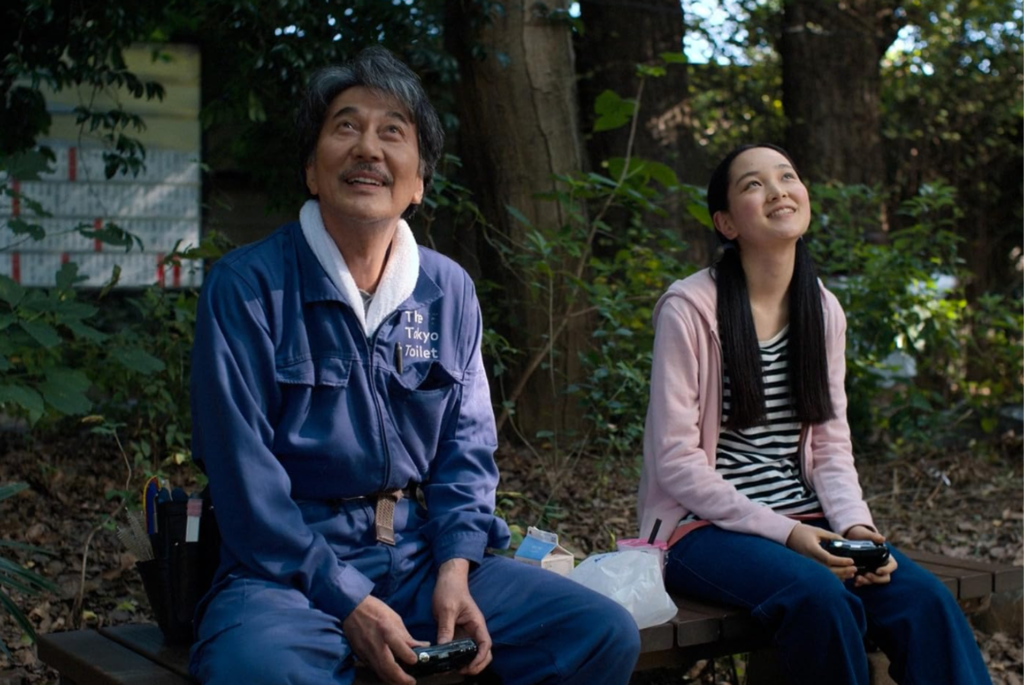
Moreover, he mentions how the movie Perfect Days, directed by Wim Wenders, solidified how he wanted the game to turn out. The movie follows a Japanese public toilet cleaner in Tokyo who may seem like your average Joe, but Kurt emphasizes how the start of the movie “Can seem like a normal guy, but just like any person, he carries his own thoughts, secrets, stories, and problems every day.”
For Kurt, he wanted that aspect to be one of the game’s guiding principles: “Everyone has a story to tell.”
Moving on to the origins of Lost & Found, we’re curious to know what it was about the elements of “chaotic storytelling” and a “mixed-media style” that inspired you to create your own game?
“I mean, it was perfect for the game I was trying to make. Like I said earlier, Everyone has a story to tell, and I want that to be reflected not only in the game’s story but also in the art style. Having that mixed-media style makes each character unique and oozing with personality. I want the player to be curious with every character they interact with, because just like real people, they probably have many interesting stories to tell as well. I don’t want my characters to be just a bunch of Filler NPCs like what other games do, and I think mixed media would help me achieve that.”
Besides those elements, Kurt also cites a few of his other favorite shows that inspire Lost & Found, such as Foster’s Home for Imaginary Friends, Chowder, and Regular Show (which he believes is the GOAT, funnily enough, even over The Amazing World of Gumball).
The game’s teaser also gives us an idea of the choice-driven aspects of it. What made you want to introduce the idea of giving an item to the wrong person to change the game’s narrative?
“It’s one of the things I love about gaming, its nature as a non-linear medium. It’s what sets it apart from movies and books. I want the player to experience the game in the way they choose. I also want them to learn to listen, empathize, slow down, and be critical of what people say (something we especially need these days).”
On the development side of things, what has your experience been like working on Lost & Found as a solo developer?
We also get to have a small look into Kurt’s process and further inspirations for working on Lost & Found independently. Using Unity, Blender, ToonBoom, and Photoshop, he aims to balance the creative and technical sides of developing the game on his own, “trying not to fall into scope-creep” and “thinking of ideas as systems.”
“Since I’m a solo developer, one of the biggest challenges is first off having nobody to have an idea to bounce off. I occasionally ask my partner who’s fortunately also artist if my idea is good for example, but she’s got a life of her own, so I rarely have the chance to do this. Second, this isn’t a problem just yet, but it may come in the future which is finance. I’m currently bootstrapping the game right now, so everything you see and hear right now in the game is either made by me or paid by me.”
Kurt also adds that learning 3D modeling has been the most challenging, at the same time, most rewarding part of building Lost & Found. This is attributed to his originally limited knowledge of 3D modeling, but as he started learning it, it felt rewarding to build the game’s world, piece by piece.
There have also been several games for Kurt that may have directly or indirectly contributed to how he’s designing Lost & Found, such as Until Then, Viva Pinata, Shenmue I & II, Little Misfortune, Persona 4 Golden, Papers Please, Valiant Hearts, and Cuphead. The list goes on as he quips that there are a lot more games than he mentions.
With such a huge undertaking, can we know what part of the game development process you are in at the moment with Lost & Found?
“I’m in the process of making a vertical slice. I am making this as I can leverage Lost & Found to publishers and investors to help me speed up the process of development, and maybe even port the game to the ‘Big 3’ (the three dominant console manufacturers: Nintendo, Sony, and Microsoft).”
Going into the “Lost and Found” aspect of the game, what do you people “lost” beyond physical objects?
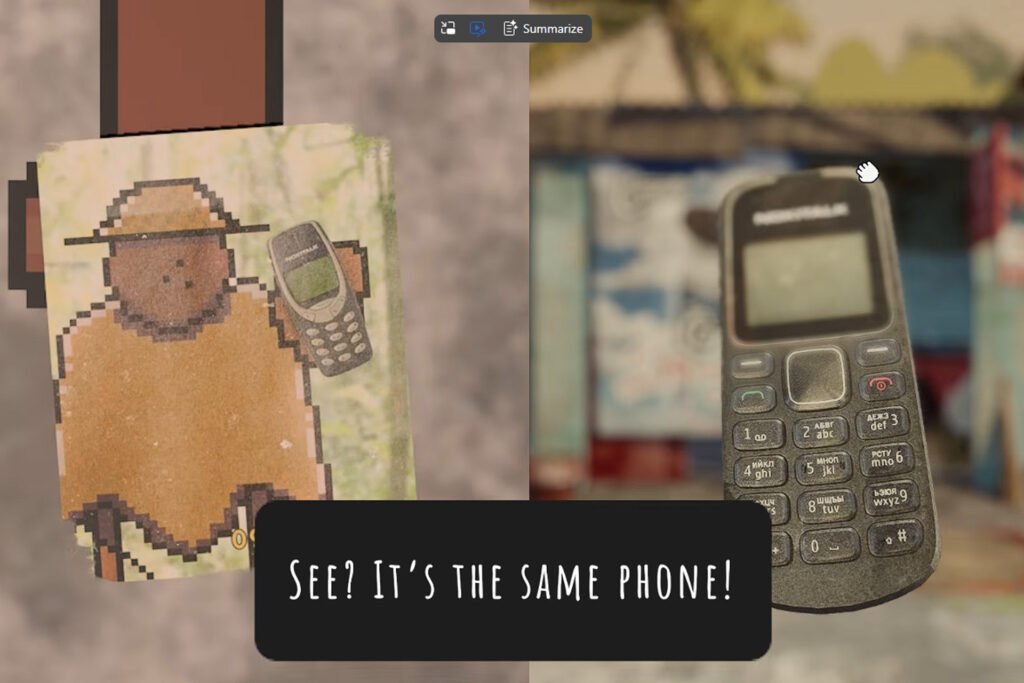
I believe that beyond those physical objects, stories and memories are often lost. That’s why I think bringing back lost belonging is such a beautiful way to tell the game’s story. We all have those photos, those old phones, or even toys that, when we see them, we naturally open up and sometimes even become emotional. Suddenly, we remember stories that otherwise could’ve been lost in time.
Lost & Found’s setting seems to be inspired by your hometown of Luisiana, Laguna. Did you have any favorite environments or details that you integrated into the game?
Grounding himself in his Filipino roots, Kurt also brings up the livelihoods of the people in his hometown province that encompass a variety of products and even teases how this integrates into one of the game’s events.
“I’d say it’s pandan (screwpine plant). Pandan hats, bags, etc. It’s the livelihood of many people there, and it’s something that makes the town unique. In the game, you’ll see pandan all over. From the streets, homes, and even to the things the characters wear like hats, and balulang (basket or cage). Also, like many towns in the Philippines. We also have a Festival in Louisiana. It’s [also] called ‘The Pandan Festival,’ and this may be one of the game’s major ‘events’ but we’ll see.”
With such a colorful cast of characters, are they inspired by real people or situations? And is there a favorite character you have so far?
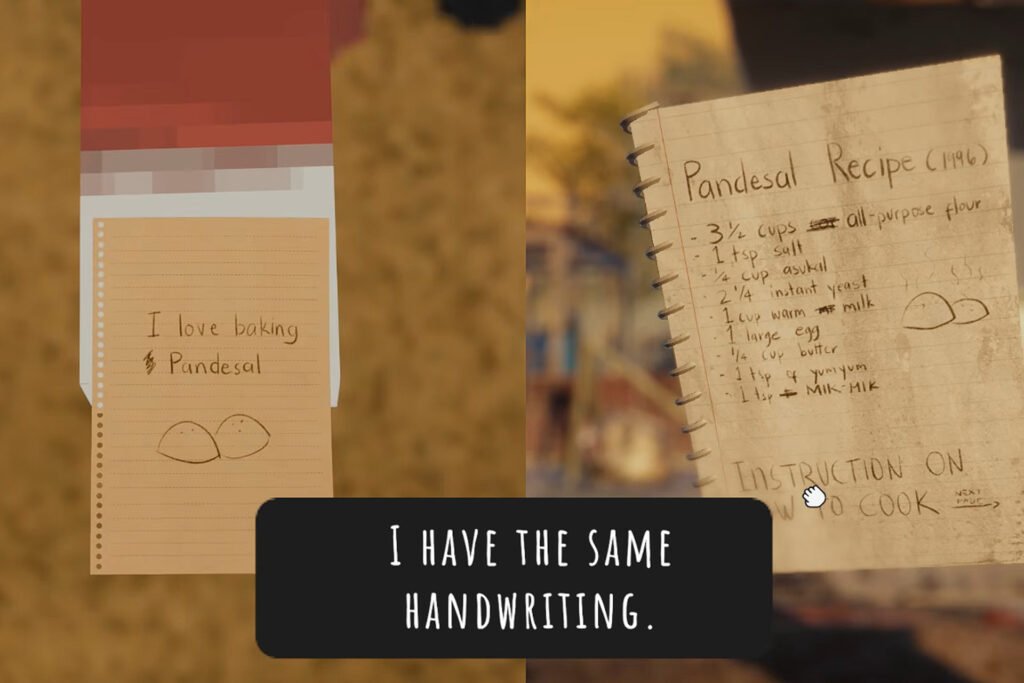
“Yes! Many of them are inspired by people I met in the past. A sample is a baker who lost her pandesal (salt bread roll) recipe. Her bakery started struggling since she lost that. Customers say her pandesal isn’t the same anymore. It’s up to Rico and the player to get that recipe back to her. If she got it back, her bakery would start thriving again; if not, she’ll go bankrupt.”
Aside from that, Kurt also highlights how he ensures that each “lost item” for each of the characters feels meaningful rather than just a task. He explains that “Each lost item would not only affect the story, it would also affect your relationship with some townsfolk, and the town’s environment would actively change as you return each lost item.”
On a similar note, for the characters, Kurt also shares how he’s handling the game’s music and sound design by collaborating with the music composer, Ryan Camus. Kurt aims to have the music feel Studio-Ghibli-ish but still Filipino-grounded, which he believes Ryan has delivered so far. Ryan also composed music for games such as Evertale, Tokyo Debunker, and Ragnarok Mobile: Eternal Love.
Was there ever a moment during the game’s development where the game’s meaning surprised you or has evolved since you started?
“It happens a lot even today. An example was when making a tarapal (tarpaulin) prop for the game. You know, the blue and orange tarps commonly seen in a Philippine palengke (public market). I was wondering, ‘Why was it so common here in the Philippines?’ I researched a bit, and what I found surprised me. It was basically rooted from Filipino’s ability to be madiskarte (crafty/strategic). Those tarapals aren’t there just to be for aesthetics; they are used to block the sun’s heat, to be a cover for the rain, and they are also sometimes used for temporary roofing by vendors. An all-in-one object, perfect for all seasons in the Philippines.”
“Then I researched more, and I found out that the culture of diskarte does not end with being good at money. It’s reflected in our daily lives, our food, and even our architecture. Heck, we have banana ketchup because of diskarte. Because of this realization, I now try to apply this idea of diskarte to the designs I make in the game.”
It’s these small, unexpected discoveries that Lost & Found has found its identity, rooted in the nuances of Filipino life and the ingenuity behind it. As these cultural layers come together, the game begins to feel both deeply personal and universally relatable.
How do you hope local players will connect with the setting and characters on a personal level? At the same time, how do you hope international players connect to your game, too?
“I try to think about people’s fantasies. I think there’s this fantasy many people have of going to a beautiful rural town in the countryside, which is usually also their home, and staying there instead of going back to the city or overseas. This is true especially for Filipinos who leave their homes and even country to get better opportunities, but I believe this is true for other cultures as well. “
“Also, the characters, although deeply inspired by Filipinos, specifically by people I met in the past, do not have that look of a specific “race,” like when you play the game, Shenmue, for example, almost everybody you see is Japanese. In Lost & Found, every character looks and feels distinct, and I think this would connect to anyone, whether you’re a Filipino or not.”
For Kurt, it’s a “surreal experience” for him to contribute to the growing Filipino indie game scene with this first title. To him, it was just a dream that he was manifesting back then; however, it’s slowly turning into reality.
Now that Lost & Found has been announced, how does it feel to finally share it with the public? Especially with the HUGE positive reception and numerous wishlists on Steam so far?
“It was overwhelming (in a positive way). I didn’t expect it to be that well received by a lot of people, but because of this, I now feel more inspired to make the game as good as possible.”
Kurt mentions he’s most excited for the players to meet all of Lost & Found’s characters and learn about their stories. He also hopes players will talk about the game positively (with tears in their eyes) after playing it.
On that final note, any rough estimate on when Lost & Found might come out?
Kurt reveals that he’ll “Hopefully get the game’s demo up on Steam by the end of the year, and the final release in Q2 2027.”
Thank you so much, Kurt! We’re all excited to see Lost & Found come into full fruition! Is there anything else you’d like to share with us?
Remember, despite everything I said here. Not all that’s lost is meant to be found…Also, wishlist Lost & Found on Steam. Love y’all, dudes!
Lost & Found can be wishlisted on Steam. You can also find the game’s trailer right below.
When you login first time using a Social Login button, we collect your account public profile information shared by Social Login provider, based on your privacy settings. We also get your email address to automatically create an account for you in our website. Once your account is created, you'll be logged-in to this account.
DisagreeAgree
Connect with
I allow to create an account
When you login first time using a Social Login button, we collect your account public profile information shared by Social Login provider, based on your privacy settings. We also get your email address to automatically create an account for you in our website. Once your account is created, you'll be logged-in to this account.