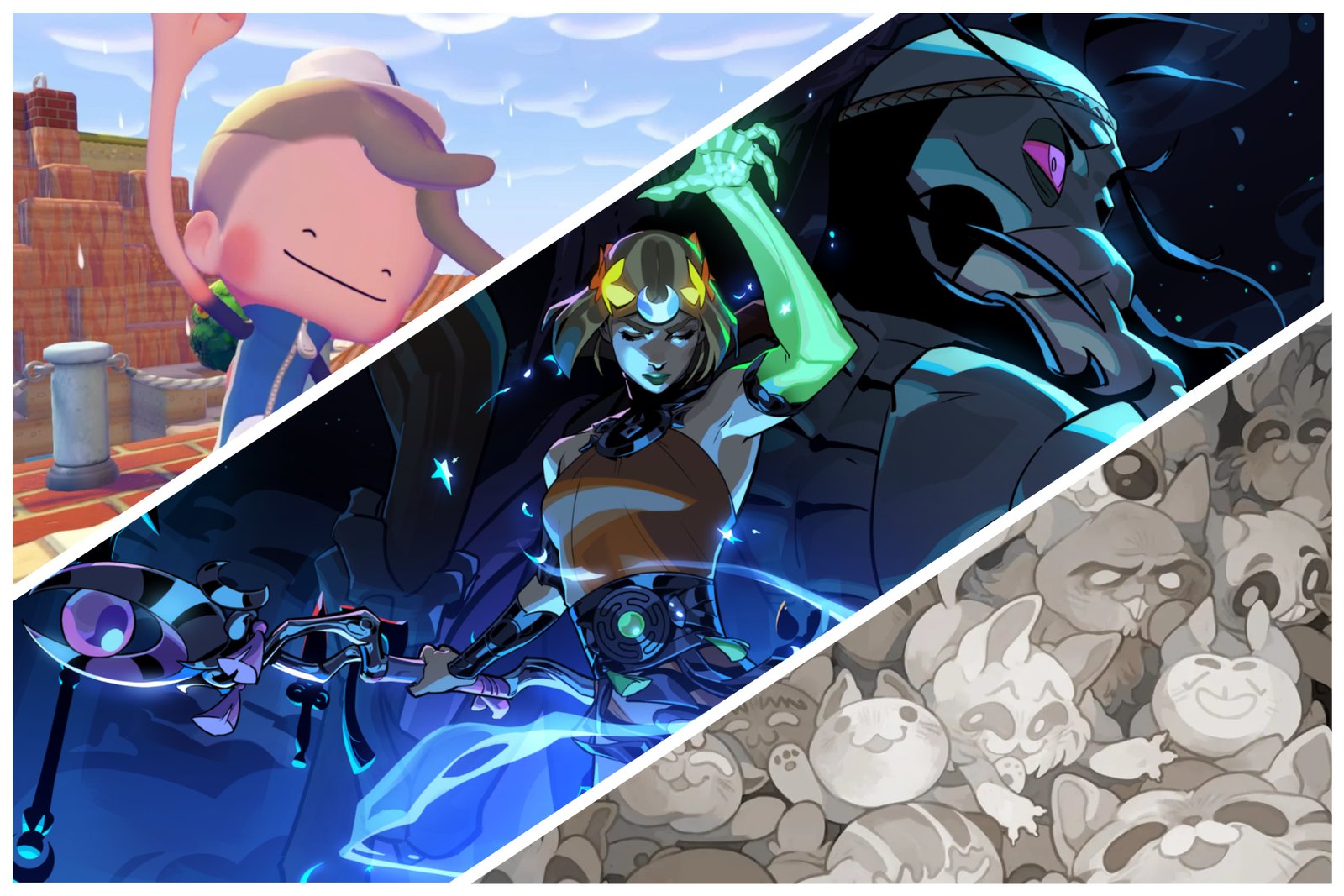
In the modern gaming landscape, $70 is a significant investment. While a 10-hour cinematic experience has its place, there is a special class of game designed to be a permanent fixture on your hard drive. These aren’t just games you play, but rather systems you inhabit. Whether through procedural generation, deep mechanical complexity, or a community-driven meta that shifts every week, these ten titles offer the best return on investment in 2026.
10. Monster Hunter Stories 3: Twisted Reflection
(Nintendo Switch 2, PS5, Xbox Series X/S, Steam)
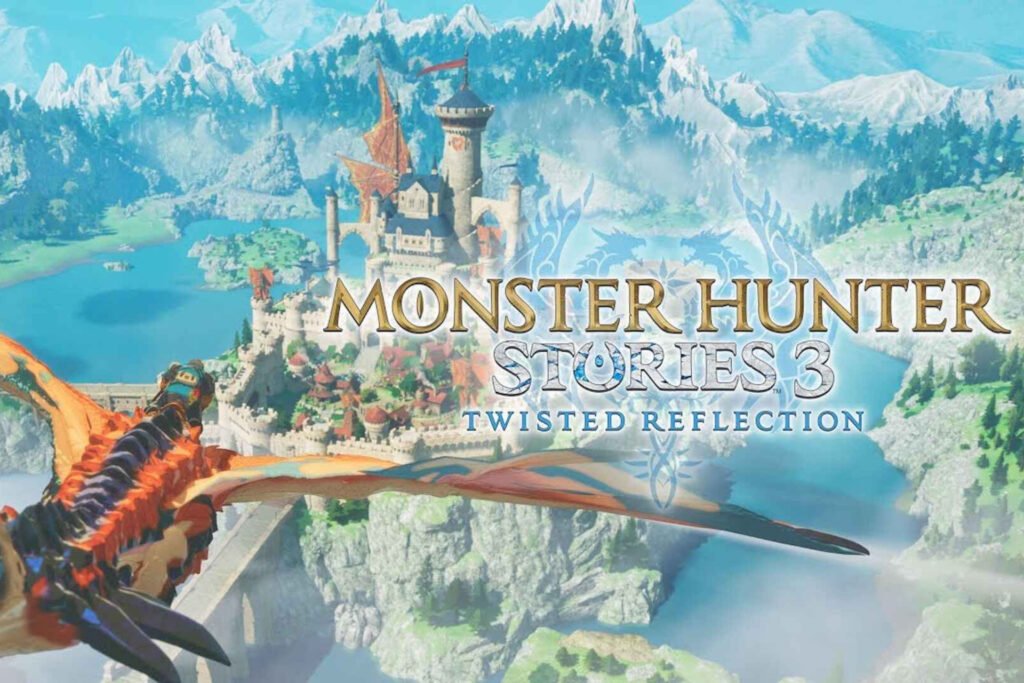
While the mainline Monster Hunter series focuses on the “Kill/Carve/Craft” cycle, Stories 3 shifts the focus to a deep sandbox. You aren’t just collecting Monsties, you’re using the new Reflection Ritual to swap elemental traits and move-sets between species.
The replayability here lies in the Abomination Builds. You can spend dozens of hours breeding a Fire-breathing Lagiacrus or a stealth-based Diablos. With the 2026 endgame introducing High-Rank Dens that randomize enemy resistances every week, your team composition is never finished.
9. Nioh 3
(PS5, PC)
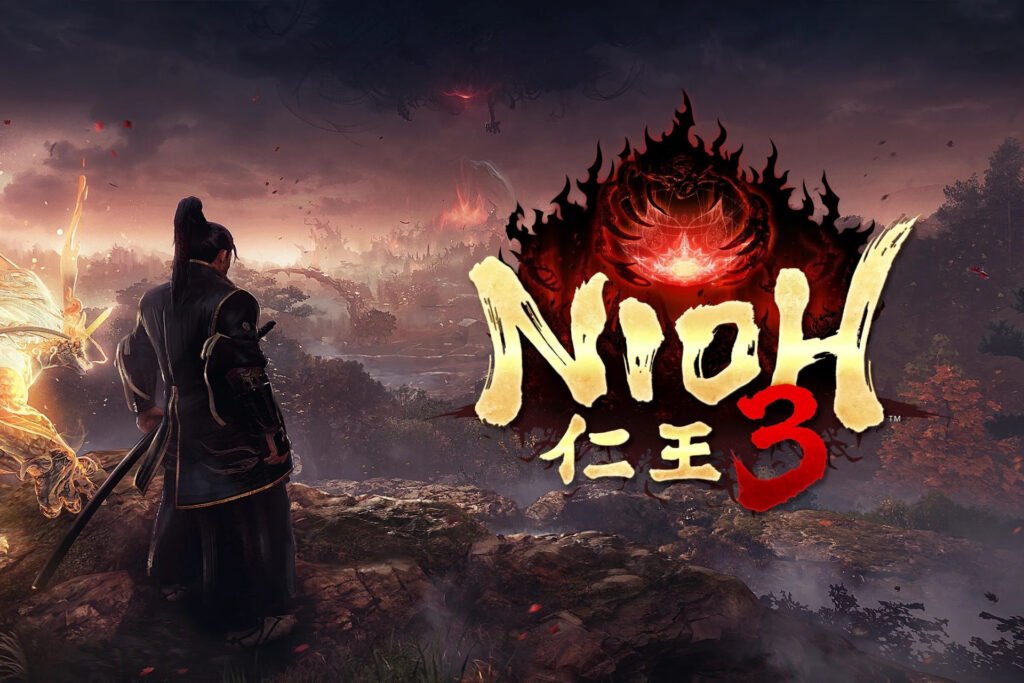
Team Ninja’s move to an open-field design hasn’t diluted the series’ signature complexity. It remains the most technical action-RPG on the market, but the replayability has shifted toward the Underworld Crucible, an infinite, procedurally generated dungeon that scales to your power level.
With the new Mist gadgets and a third protagonist perspective, Nioh 3 offers a staggering amount of combat variety. You can play for 200 hours as a heavy-axe Samurai and still have an entirely different experience starting over as a high-mobility Ninja.
8. Street Fighter 6
(PS5, PS4, Xbox Series X/S, PC, Nintendo Switch 2)
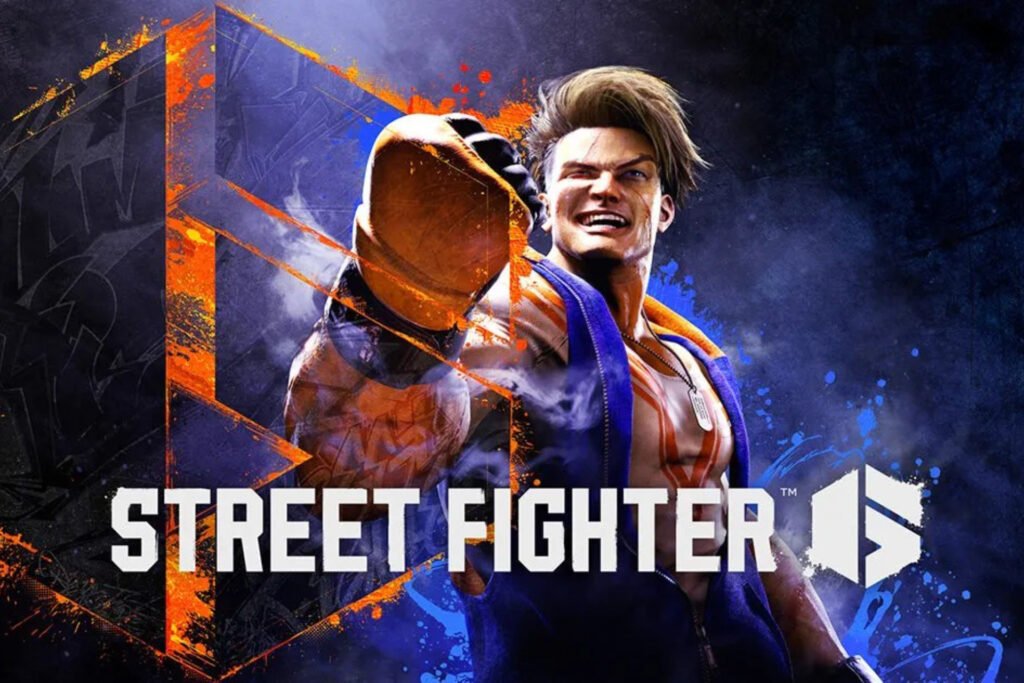
Three years into its lifecycle, SF6 has evolved into a living ecosystem. The Battle Hub is a persistent world where the meta is determined by monthly balance patches and the ongoing Capcom Pro Tour.
Replayability in a fighting game is defined by the skill ceiling, and SF6 has one that touches the clouds. Between mastering the Drive Gauge and the constant rotation of new DLC characters, there is always a new matchup to learn or a new combo to optimize.
7. Pokemon Pokopia
(Nintendo Switch 2)
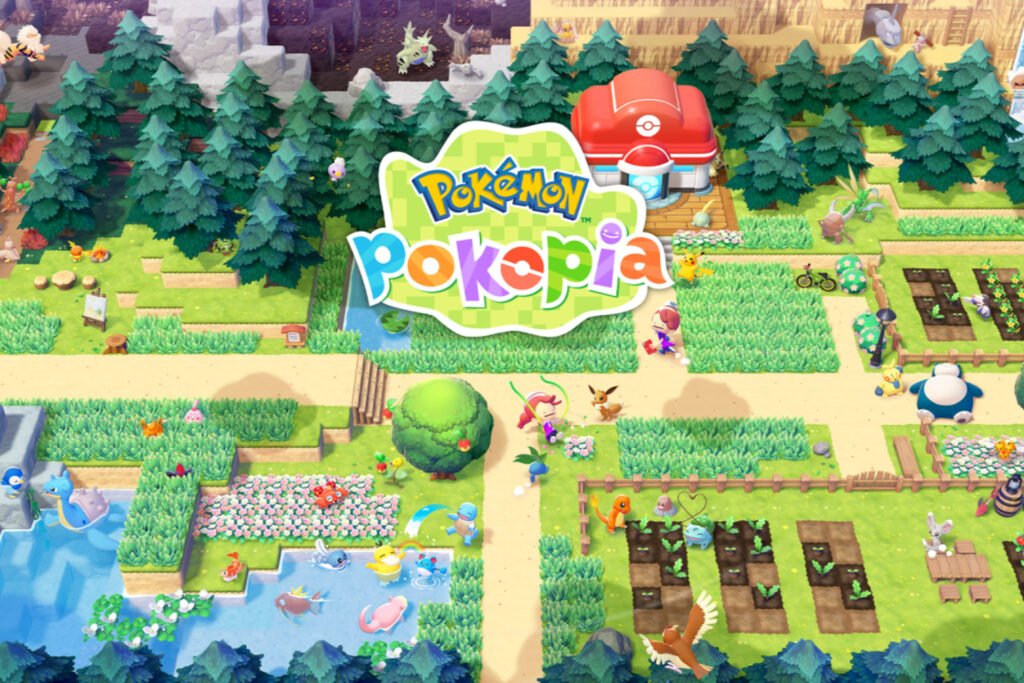
Pokopia replaces the linear Gym circuit with a Utopia Simulation. You are tasked with building a habitat that attracts specific Pokémon, but the resources and Visitor Rotations are randomized every season.
The brilliance of Pokopia is its seasonal churn. A layout that works for Fire-types in the summer becomes uninhabitable in the winter, forcing you to redesign your community from the ground up. It’s the “Animal Crossing effect” applied to a competitive ecosystem, ensuring your island is a different game every time you log in.
6. Elden Ring: Nightreign
(PS5, PS4, Xbox Series X/S, Xbox One, PC)
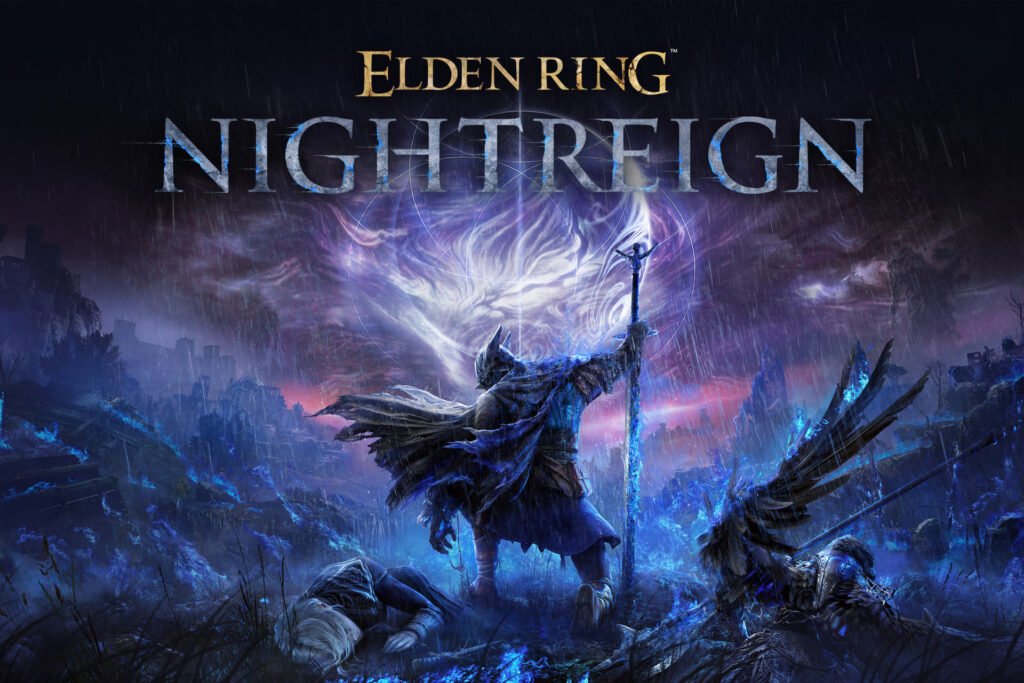
This is FromSoftware’s co-op roguelite expansion. You and two friends drop into a shrinking Fog Zone within the Lands Between, scavenging for randomized spells and weapons while fighting remixed versions of the game’s legendary bosses.
By stripping away your curated builds and forcing you to scavenge, Nightreign makes the familiar world of Elden Ring feel dangerous again. One run you’re a heavy-armored gravity mage, the next, you’re a dual-wielding bleed specialist.
5. Hades II
(Nintendo Switch 2, Nintendo Switch, PC, macOS)
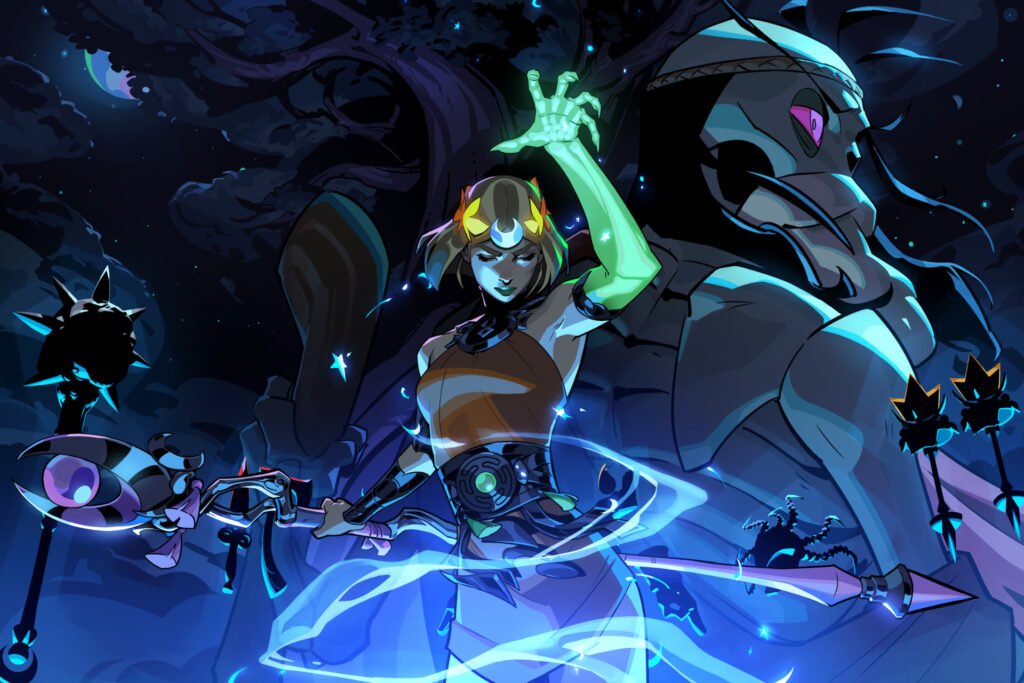
Melinoë’s journey to unseat Chronos is the gold standard for narrative roguelikes. The core loop of fighting through the Underworld (and the Surface) is bolstered by the Incantation System, which permanently alters the environment based on your successes.
Hades II solves the roguelike fatigue problem by ensuring the story never stops moving. Even after your 100th run, characters will have new dialogue reacting to your specific weapon aspects or boon choices.
4. Slay the Spire 2
(PC, macOS, Linux)
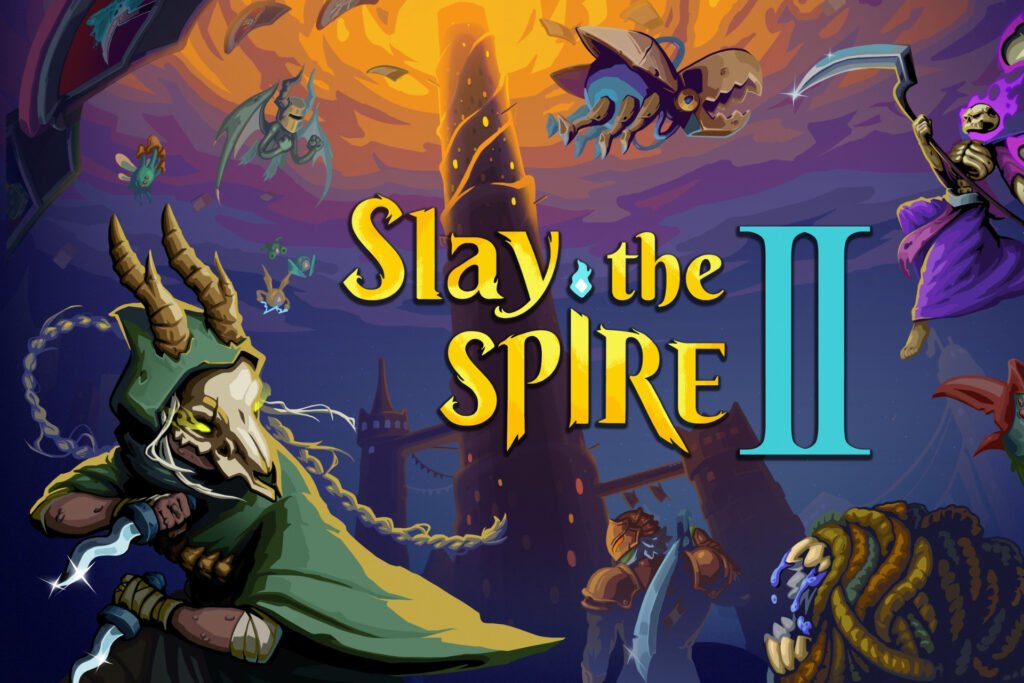
The king of card games returns with Alternate Acts. Each floor now has two completely different versions with unique bosses and events, effectively doubling the variables of a single run.
The new Necrobinder class, which uses a Doom execute mechanic, adds a whole new layer of tactical depth. With five playable characters and the new timeline progression system that unlocks permanent, run-altering modifiers, Slay the Spire 2 is a game built to be played for the next decade.
3. Minecraft
(All Major Platforms)
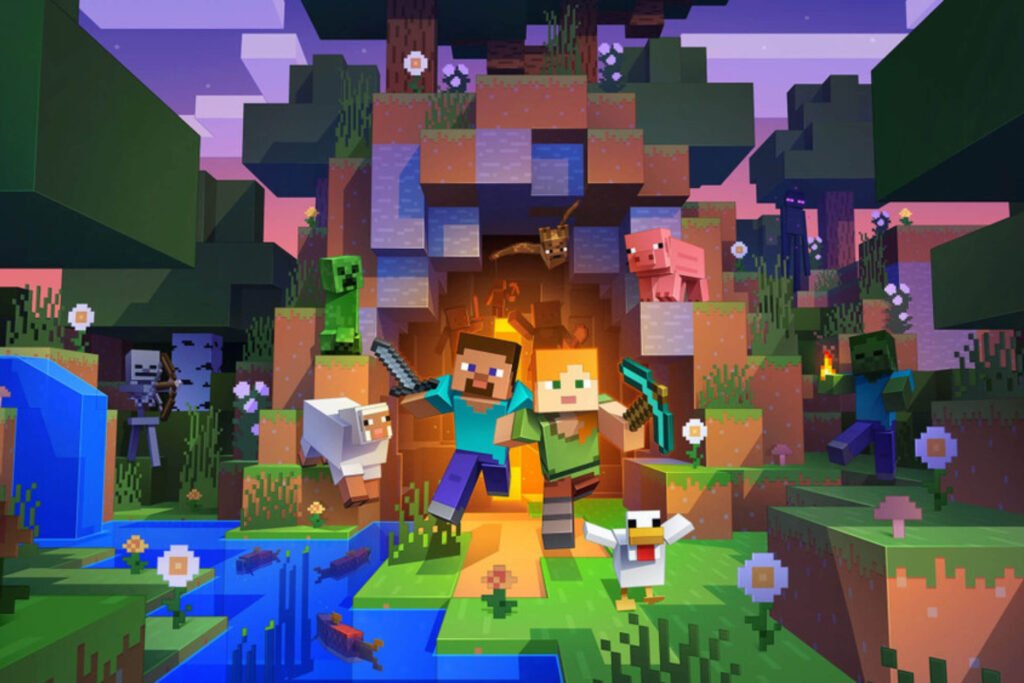
It remains the only game on this list where the replayability is limited only by your own imagination. The 2026 Deep Earth update added entire subterranean biomes that function like mini-RPGs within the sandbox.
Whether you are joining a massive Hardcore server or building a 1:1 scale of a city, Minecraft never ends. The addition of official scripting tools in 2026 has allowed the community to turn the game into virtually any genre, from tactical shooters to full-blown RPGs, making it a platform as much as a game.
2. The Binding of Isaac: Repentance
(Nintendo Switch 2, PS5, PS4, Xbox Series X/S, Xbox One, PC)
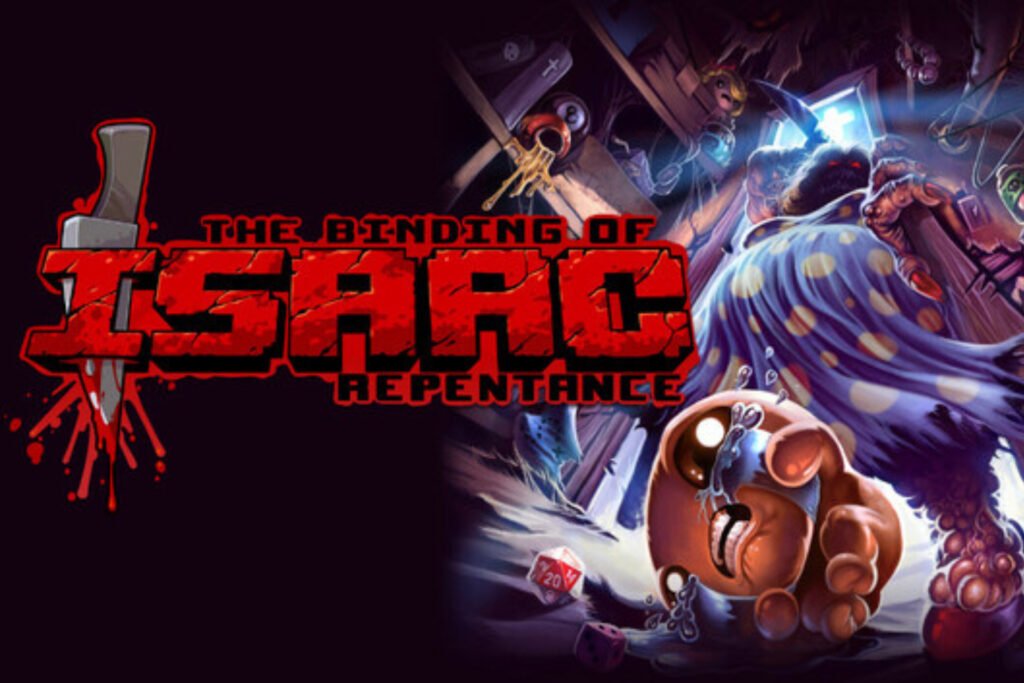
15 years later, the “Isaac” formula remains the peak of the genre. The synergy engine, how a Brimstone laser interacts with Spoon Bender homing shots, ensures that you will almost never see the same combination twice in a lifetime.
With over 700 items and a dozen different endings, Isaac is the ultimate “just one more run” machine.
1. Mewgenics
(PC)
After 14 years in development, Edmund McMillen’s Cat Breeding Tactics RPG is the new heavyweight champion of replayability. You breed cats with trillions of possible genetic combinations, then send them into a grid-based tactical world that plays like Into the Breach on steroids.
The Genetic Legacy is the core. Every cat you breed inherits traits from its parents, meaning your save file is effectively a multi-generational family tree of warriors. With 100+ bosses and a Synergy system that dwarfs Isaac, Mewgenics is a masterpiece of procedural depth.
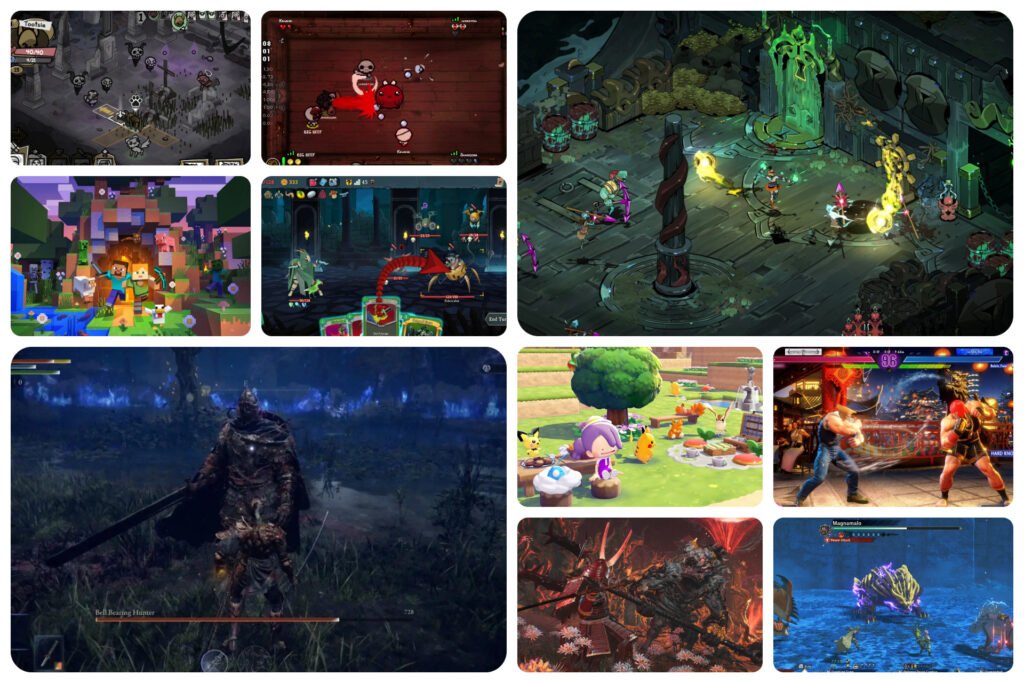
The common thread among these titles is a refusal to let the player get comfortable. Whether through procedural generation, deep mechanical customization, or competitive metas that shift every week, these games prove that value isn’t measured by how long it takes to reach the credits, but by how many times you’re willing to go back to the beginning.