
So you’ve finished Red Rising, and now you’re wondering what on earth could possibly match that same rush. It is a familiar problem. Pierce Brown’s series is not just about entertainment. Between the class warfare, the betrayals, the bloodshed, and the force of Darrow’s climb, Red Rising leaves behind a specific kind of reading hangover.
The good news is that the itch can be scratched. Not every great follow-up needs to copy Brown’s exact formula, and honestly, it is better when they do not. What matters is finding books that tap into the same intensity, whether through revolution, political intrigue, brutal training arcs, or characters fierce enough to drag you through the story at full speed.
So, fellow Pixie, here are ten books that capture some of that same addictive energy and might just become your next obsession.
The Will of the Many by James Islington
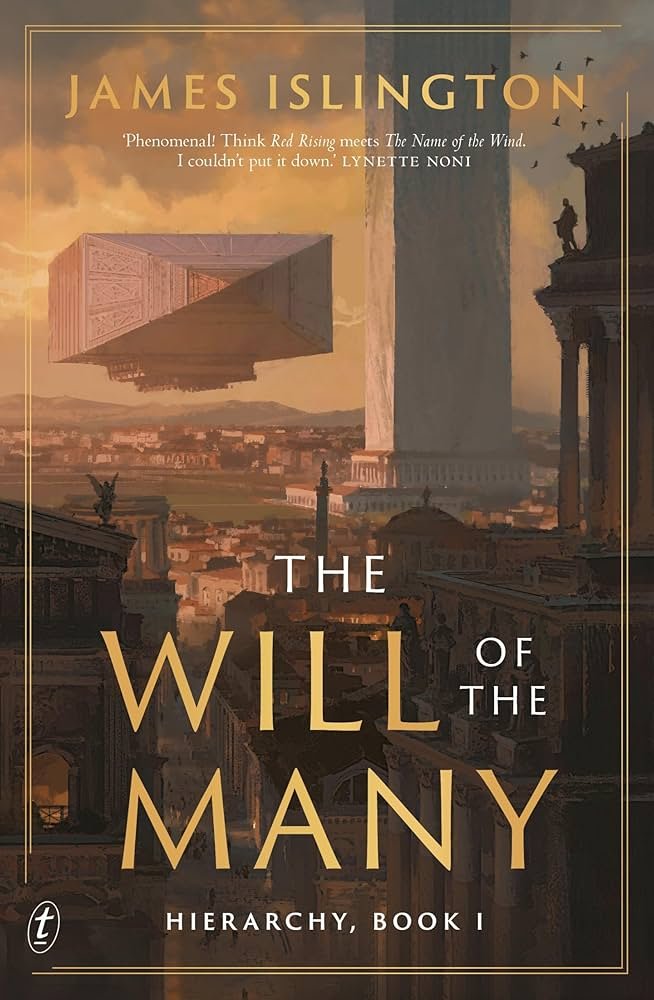
If what you loved most in Red Rising was the mix of hierarchy and strategic advancement inside a ruthless system, you might want to start here.
James Islington builds a society inspired by the Roman Empire, where power is literally extracted from those below and ceded upward. It gives the whole novel a structural cruelty that will feel instantly familiar to Red Rising readers. Like Darrow, Vis is moving through a hostile elite institution with far more on his mind than survival alone. There is the same pleasure of watching a highly capable protagonist navigate layers of power while trying not to reveal too much too soon.
This one is quite slower and more intricate than Red Rising, but it delivers that same sense of being trapped inside a machine designed to turn people into instruments.
Empire of Silence by Christopher Ruocchio
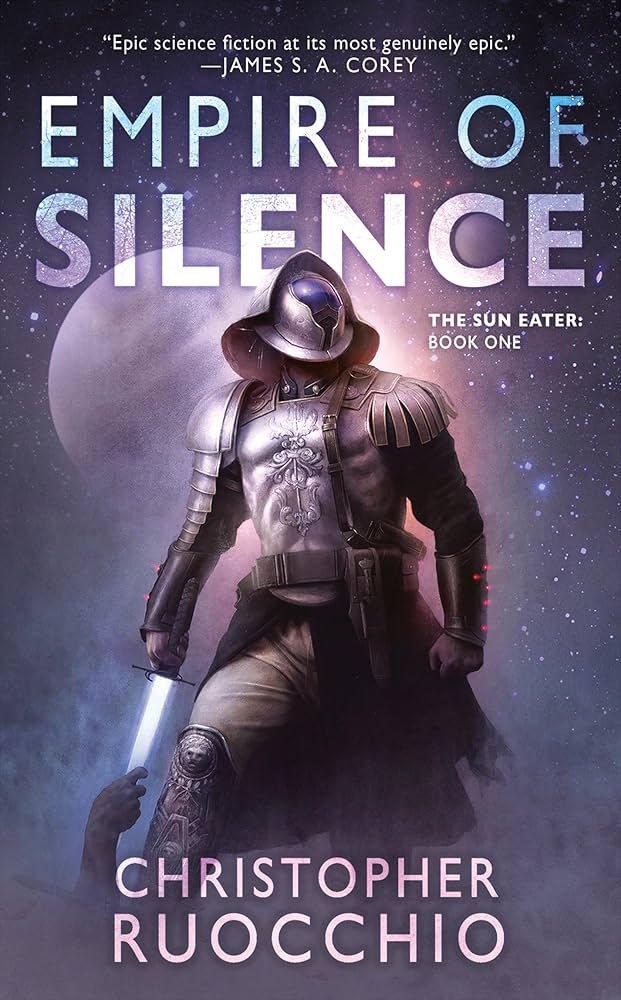
Read this if Red Rising made you want something larger, more imperial, and more openly space operatic.
Empire of Silence opens on the kind of reputation that would fit in Pierce Brown’s universe: a man remembered as both hero and monster, savior and butcher. From there it expands into a massive story about destiny, class, civilization, war, and the making of a legend. Hadrian Marlowe is not Darrow, and that difference is part of the appeal. He is more aristocratic and reflective. But the scale, ambition, and obsession with power make this a very natural next step.
If Red Rising gave you a taste for operatic science fiction that wants to feel huge, this is one of the strongest ways to continue.
The First Sister by Linden A. Lewis
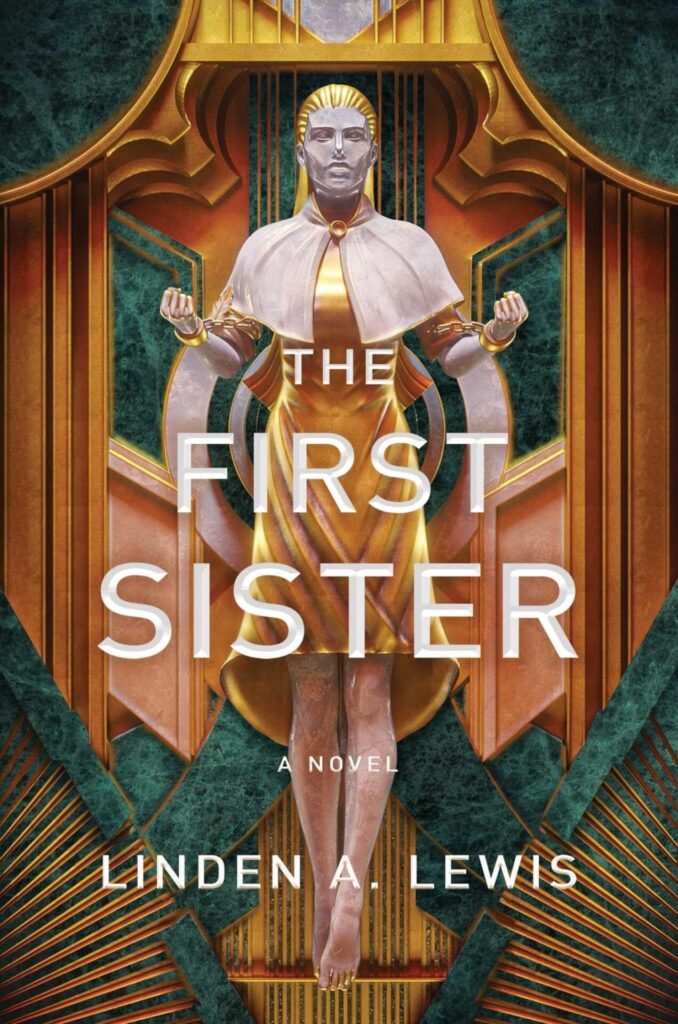
This is a smart pick for readers who want more than battles and brutality. It is for the people who were most interested in the political and social architecture of Pierce Brown’s world.
Linden A. Lewis sets up a solar-system conflict shaped by militarism, exploitation, propaganda, and violently unequal power. The result is less gladiatorial than Red Rising, but the thematic overlap is real. This is a book about systems that consume people, about who gets a voice, and about how rebellion can start inside structures built to erase agency.
It also understands something Red Rising readers usually appreciate: spectacle matters, but ideology matters too.
The Rage of Dragons by Evan Winter
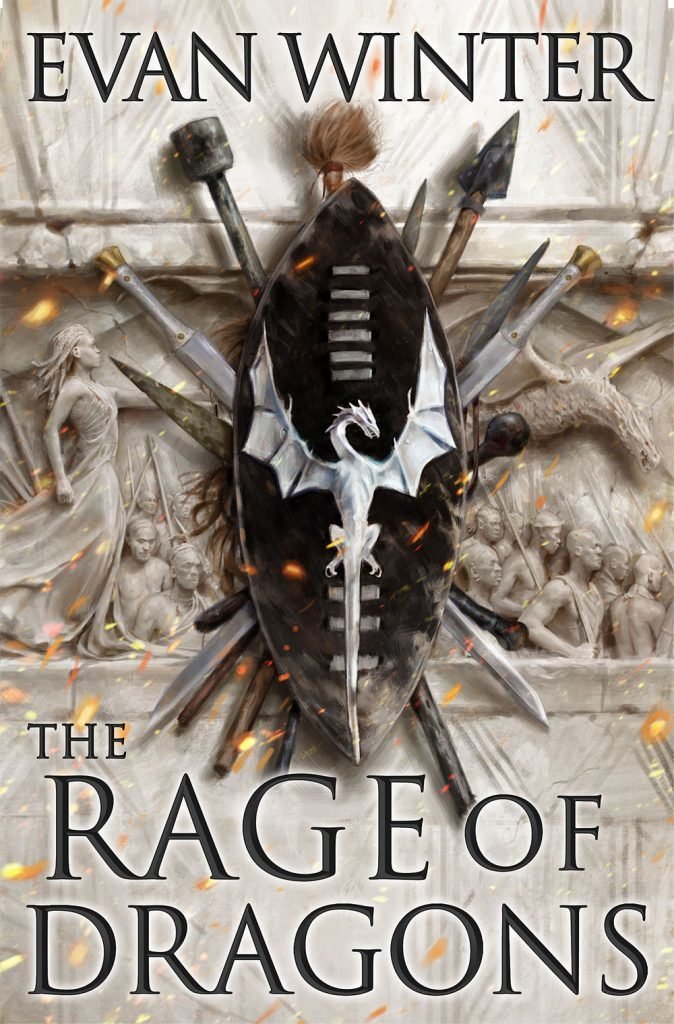
If what you want is simple, this is the answer. You want fury. You want momentum. You want a protagonist who treats pain as fuel.
Evan Winter’s debut is fantasy rather than science fiction, but the emotional engine is close enough that the comparison keeps coming up for a reason. Tau is one of those characters who drags the novel forward through obsession. The training, the escalation, the revenge, the refusal to stop, all of it creates the same kind of compulsive reading experience that made the first Red Rising such a hit.
This is the recommendation for readers who do not necessarily care whether the setting is Mars or a battlefield in epic fantasy. They just want the same level of intensity.
The Poppy War by R. F. Kuang
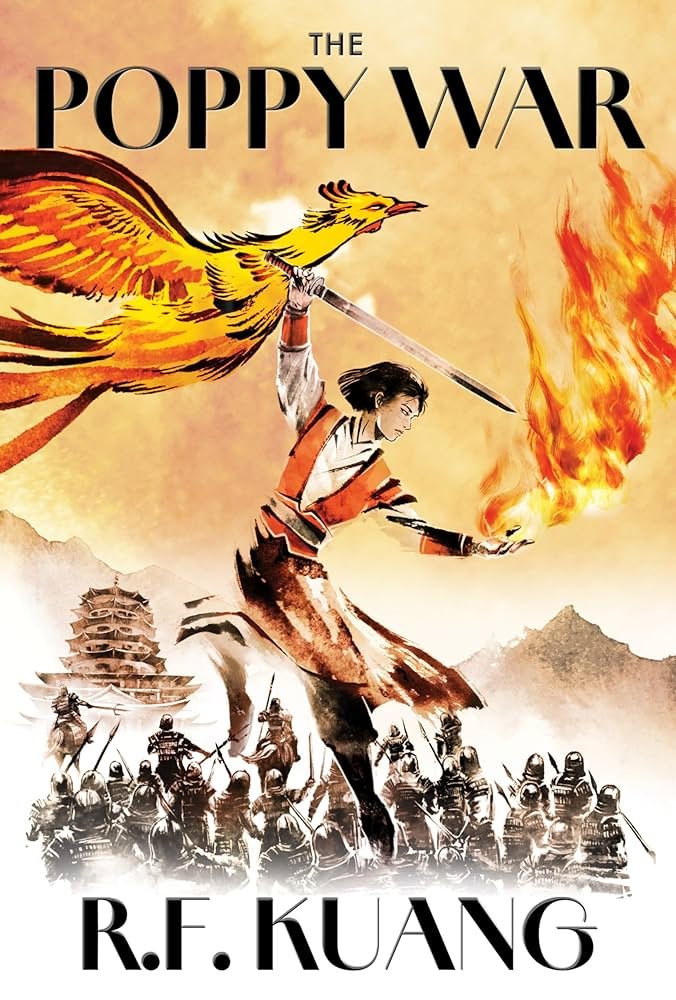
Readers often go to Red Rising for velocity and catharsis, but one of Pierce Brown’s real strengths is his willingness to let revolution become ugly. The Poppy War shares that.
R. F. Kuang begins with a gifted outsider entering an elite institution, which will definitely sound familiar. But the novel quickly becomes something darker, and historically charged. Like Red Rising, it is interested in ambition, class, violence, and what power does to a person who once thought they knew exactly who the enemy was.
This is not a readalike in surface terms. It is a tonal recommendation. If you liked the way Pierce Brown lets power corrode everything around it, this one hits hard.
Ender’s Game by Orson Scott Card
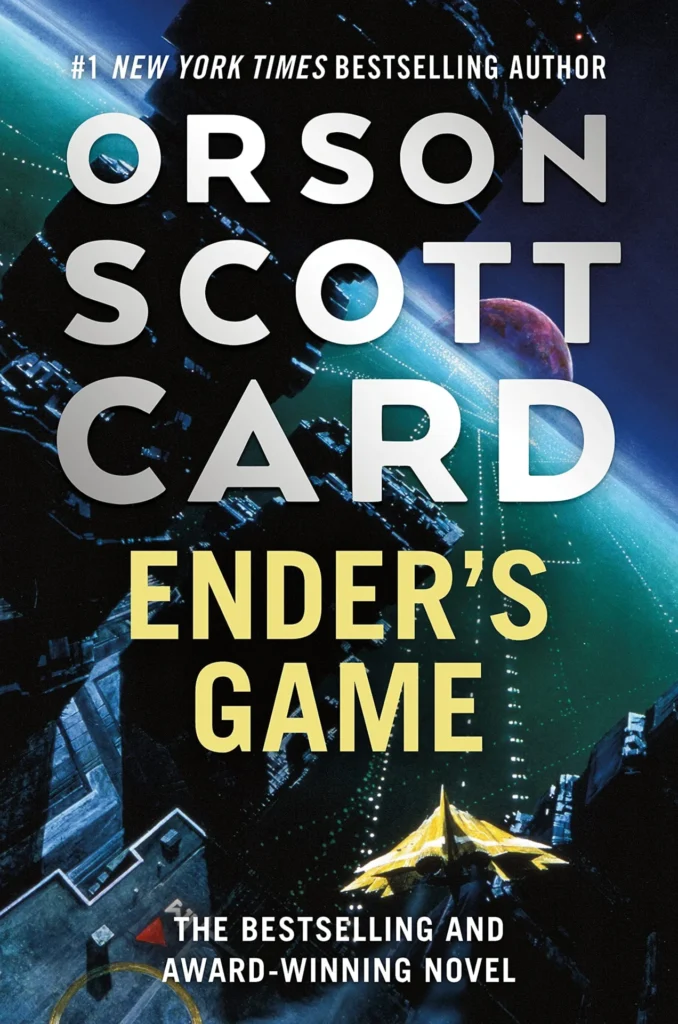
Some recommendations are unavoidable because they are still useful. And I think a Red Rising recommendation list without this one would have felt wrong.
If your favorite part of Red Rising was watching a gifted young strategist survive a controlled environment built around competition and manipulation, Ender’s Game remains one of the clearest ancestors of that reading experience. The military training structure, the psychological engineering, and the sense of a brilliant young mind being pushed toward extreme solutions all resonate.
It is cleaner and colder than Red Rising, and its emotional register is very different. The DNA is definitely there. If you want to trace one of the strongest lines behind Brown’s appeal, this is part of the map.
Nevernight by Jay Kristoff
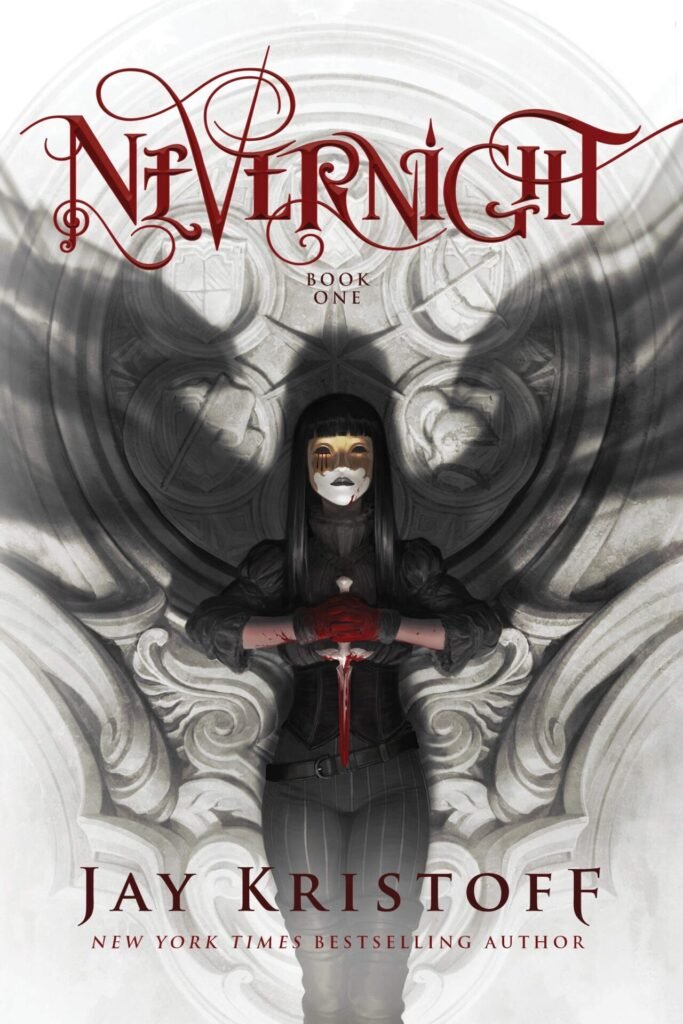
This one is for readers who loved the theatrical cruelty of the Gold world and want something similarly sharp.
Mia Corvere is not Darrow, but she does belong to the same broad family of protagonists forged by loss and driven by revenge. The academy structure will feel familiar, though here it is an assassin school rather than a war game. What makes Nevernight a useful recommendation is mostly the attitude. The book has swagger. It wants blood, spectacle, and dramatic reversals. So does Red Rising.
If Pierce Brown’s books worked for you partly because they felt larger than life in every possible direction, Nevernight will land.
A Memory Called Empire by Arkady Martine
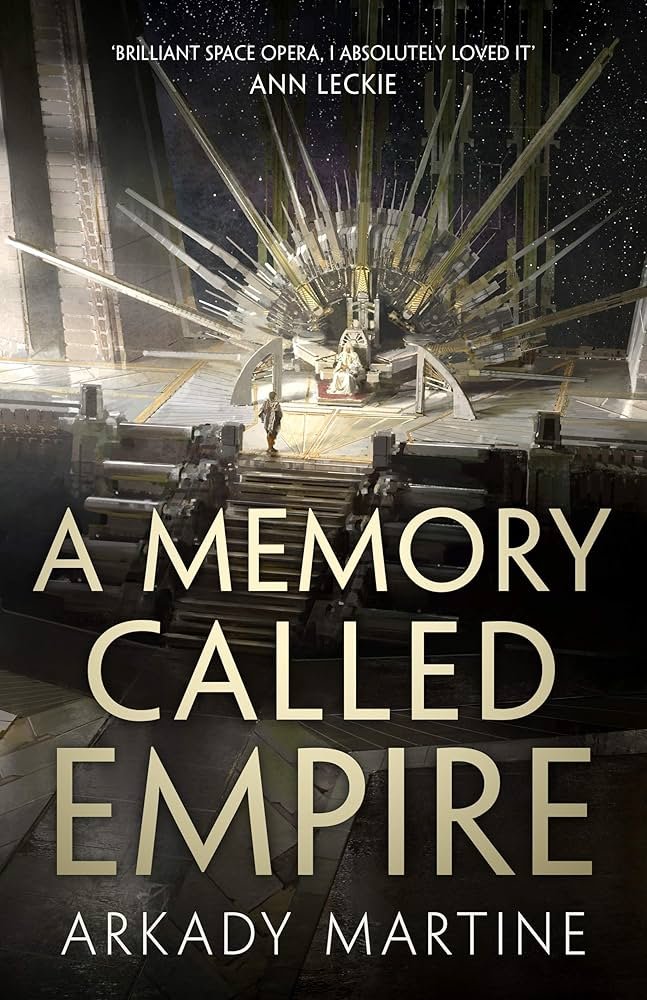
Not every Red Rising reader is chasing action at all costs. Some come out of the series wanting more empire, more politics, and more attention to what happens when a smaller power has to survive beside a glittering, expansionist civilization.
That is where Arkady Martine comes in. This is a much more diplomatic, cerebral novel than Brown’s work, but its fascination with empire is exactly what makes it relevant here. Mahit arrives at the center of an imperial system that is impossible to engage with innocently. That tension, between admiration and resistance, is one of the richest things in Red Rising too.
Read this when you want less arena and more imperial brain.
Iron Widow by Xiran Jay Zhao
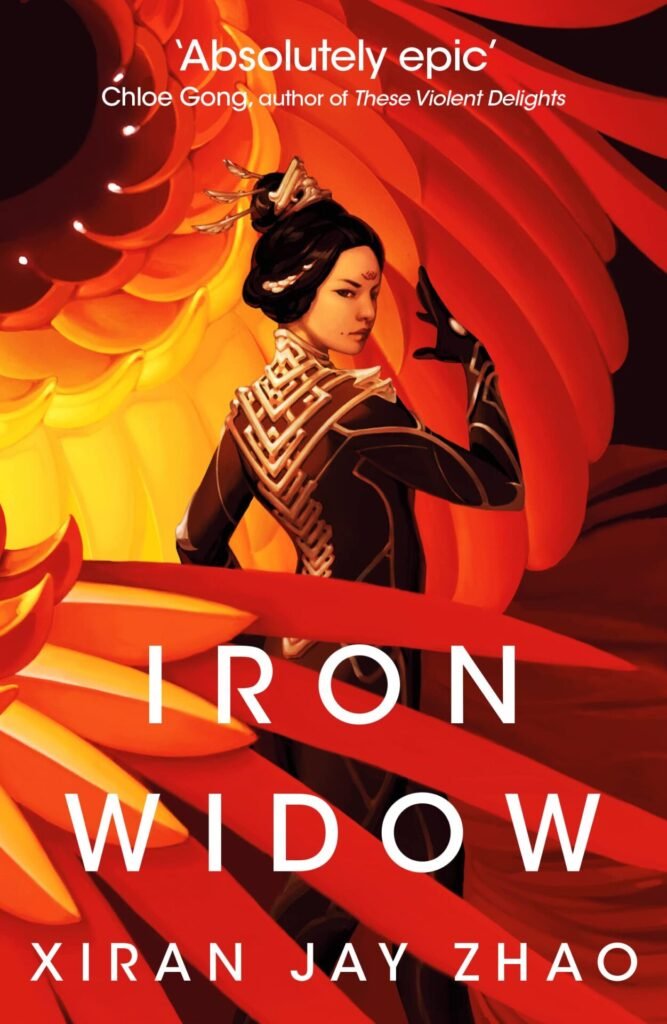
If you loved the defiance in Red Rising, the refusal to stay in the place society assigned, Iron Widow is a very easy recommendation.
Xiran Jay Zhao writes with the kind of fury that makes a book feel electrically alive. The world is different, drawing on mecha science fantasy and a reimagined medieval China, but the emotional pitch overlaps beautifully with Pierce Brown’s debut. This is another story of a protagonist entering a violent system and deciding not merely to survive it, but to break its logic in public.
It is more openly YA in some of its energy, and more direct in its politics, but that may be exactly what some Red Rising readers are after.
Promise of Blood by Brian McClellan
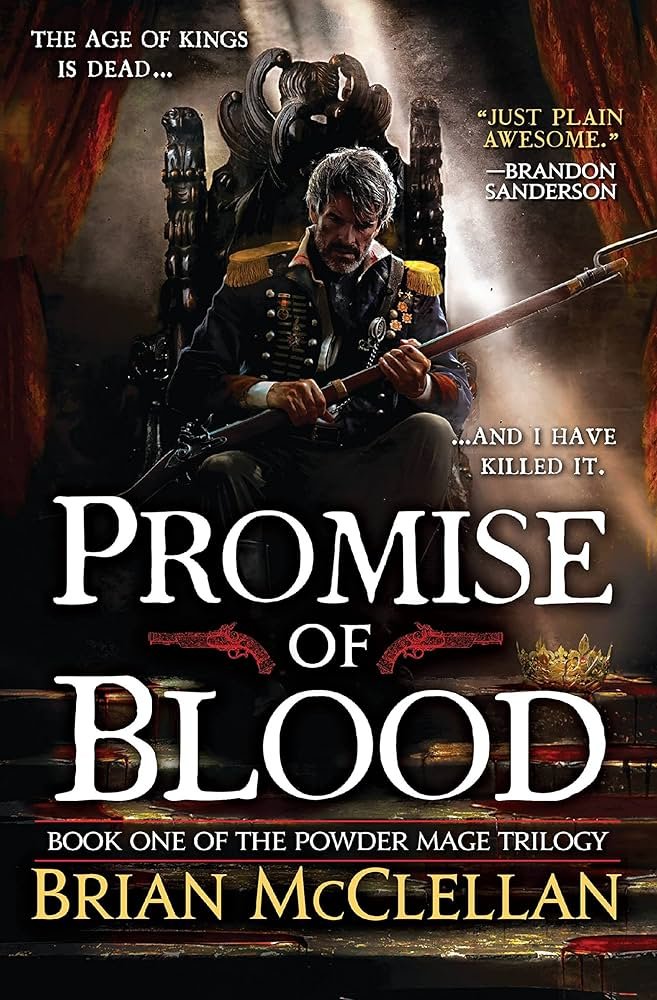
If the thing you loved in Red Rising was not the academy setup, but the revolutionary atmosphere and the sense that history is moving under everybody’s feet, then this is another fantasy recommendation I would push your way.
Brian McClellan opens after a coup and asks what freedom actually costs once the old order has been smashed. That question sits very close to the heart of Pierce Brown’s larger saga. Revolutions do not end when the tyrant falls. They become messier, bloodier, and more morally compromised. Promise of Blood understands that very well.
It trades science-fiction spectacle for muskets, sorcery, and powder magic, but it scratches the same itch for readers who want upheaval with real consequences.
Final thoughts
The easiest recommendation after Red Rising is usually the most obvious one: find another fast-paced science fiction novel with a brutal hierarchy and a gifted outsider. That works, up to a point.
But Red Rising is bigger than its elevator pitch. It is part revenge story, part political fantasy, part military science fiction, part imperial melodrama. If I had to narrow this list to three starting points, I would go with The Will of the Many for the hierarchy and institutional tension, The Rage of Dragons for the raw propulsion, and Empire of Silence for the larger space-opera comedown.
That depends on the version of Red Rising you are trying to chase.
Are you after the revolution, the violence, or the empire?