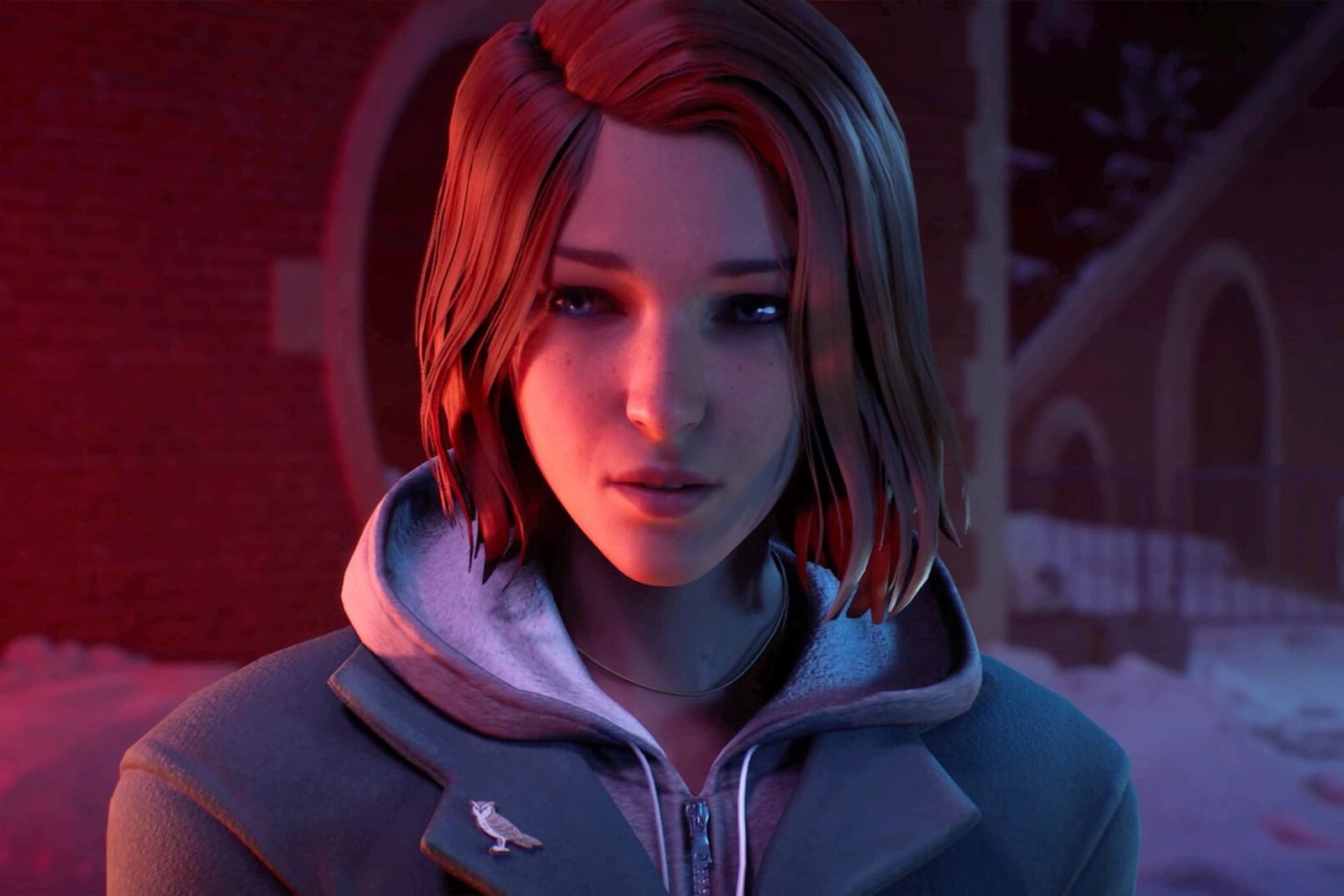
Sequels often get a bad rap, burdened by high expectations set by the original. Those released years later face even greater scrutiny, and only a few manage to overcome it. This was the case for Life is Strange: Double Exposure, a game I avoided after its controversial release. With Reunion on its way, now seems like the perfect time to see what all the fuss was about.
I’ve loved Life is Strange since Max said “Shaka brah” in 2015. The game helped me through my awkward teenage years, and I now replay it as an adult for nostalgia. Being a long-time fan, I know how divisive the LiS community can be. Some call Life is Strange 2 the best; others find it lacking. Die-hards love True Colors, while some skip it altogether. The series is a mixed bag, but Double Exposure is often treated as the black sheep.
Despite the bad reviews, I went into Double Exposure with no expectations, especially now that the hate has died down. I wanted to figure out once and for all: is this sequel really that bad, or does it deserve another chance?
The Chloe Price Problem
So, let’s acknowledge the elephant in the room, and by elephant, I mean Chloe Price. While I tried to stay out of Double Exposure’s messy launch, I did hear that fans disliked how Chloe was handled. I agreed at first, but my opinion shifted once I began playing.
I went in thinking Chloe was practically non-existent in the game, yet that’s not what happened at all. Yes, she isn’t physically in it, but her presence is there nonetheless. From the first episode, Max gets asked about the “blue-haired girl” in her wallet, all while still being connected to Price through social media. She’s mentioned more and more throughout the game as Max reflects on her bittersweet memories of Arcadia Bay and her road-tripping days.
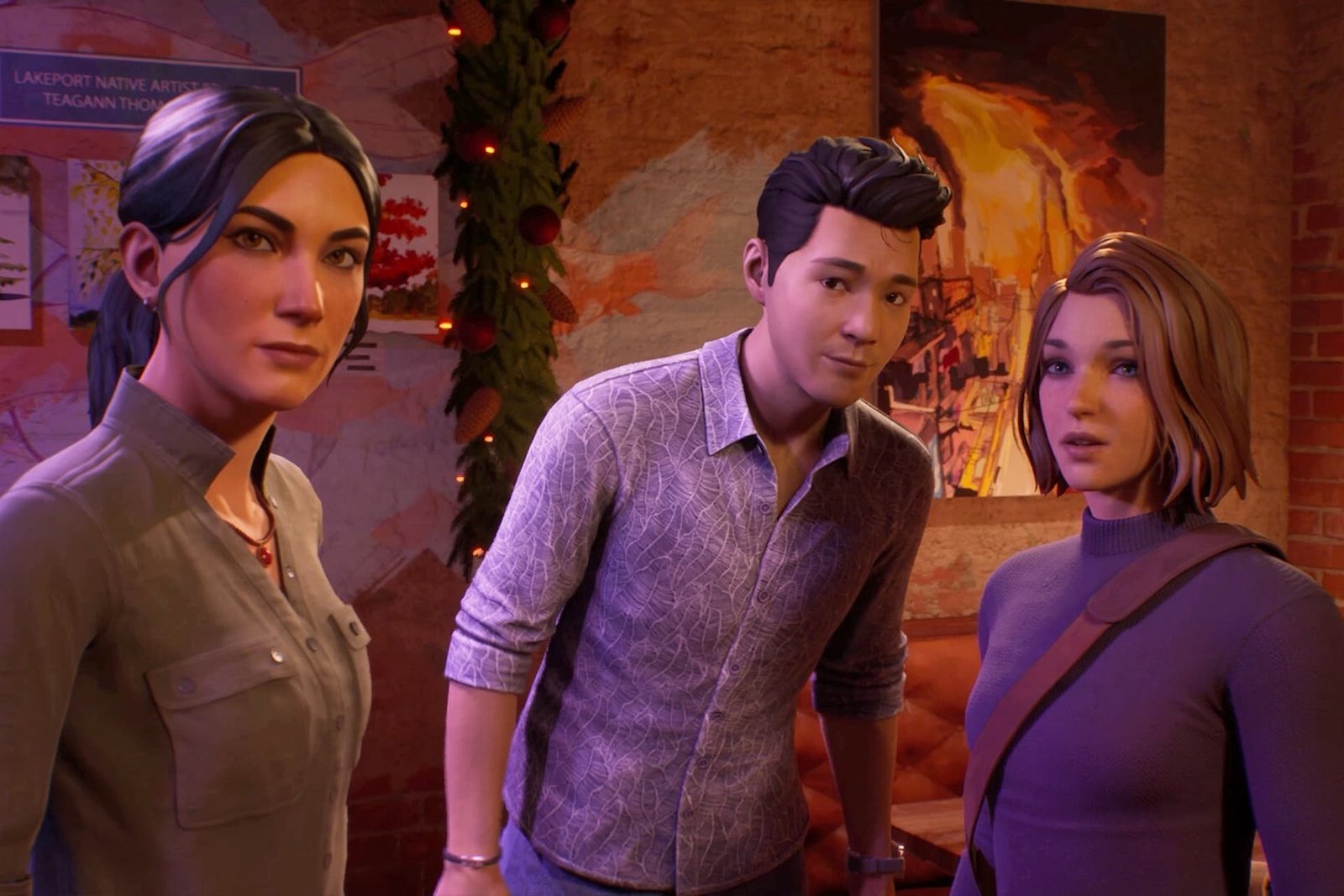
Could the game have thrown in a cameo or easy fan service? Sure. But I actually appreciated that it didn’t. Letting Chloe exist only in memory allows us to form our own opinions on what happened between her and Max. I liked deciphering the breadcrumbs in their text messages and occasional flashbacks. I’ll admit I had the benefit of knowing Chloe would appear in Reunion, but even without that, I don’t think her absence here is the betrayal people made it out to be.
Is it Really Mischaracterization?
Aside from Chloe’s nonexistence, another complaint I often heard is that it’s “out of character” for her to leave Max in the bae route. I get why that stings since everyone in the fandom, including myself, wanted them to ride off into the sunset. But that was always a fantasy built in the ashes of an entire town.
Having them split up on the bae route shows the game’s realism and that the series was never meant for happy endings. In my eyes, there never was a happy ending in the original, so why should Double Exposure change that?
Max also gets hate for her so-called mischaracterization in Double Exposure, simply because she’s not her usual awkward self. I don’t know about you, but my 18-year-old self was nothing like my 28-year-old self. Max shouldn’t be constrained by who she was as a teenager. She’s a human who’s allowed to grow. If Life is Strange taught us that time changes everything, then it makes sense that time changed Max and Chloe, too.
Gameplay & Visuals
Once you look past the debates about Max and Chloe, Double Exposure has a story that’s messy yet interesting. This time, Max can move between two worlds: in one, her friend Safi dies, and in the other, she survives. You can’t just fix your mistakes instantly, but you can jump to another universe to run away from Max’s problems (and probably make a mess of things again). It’s different from the usual time-travel in LiS, but it’s not the first time the series has tried a new power.
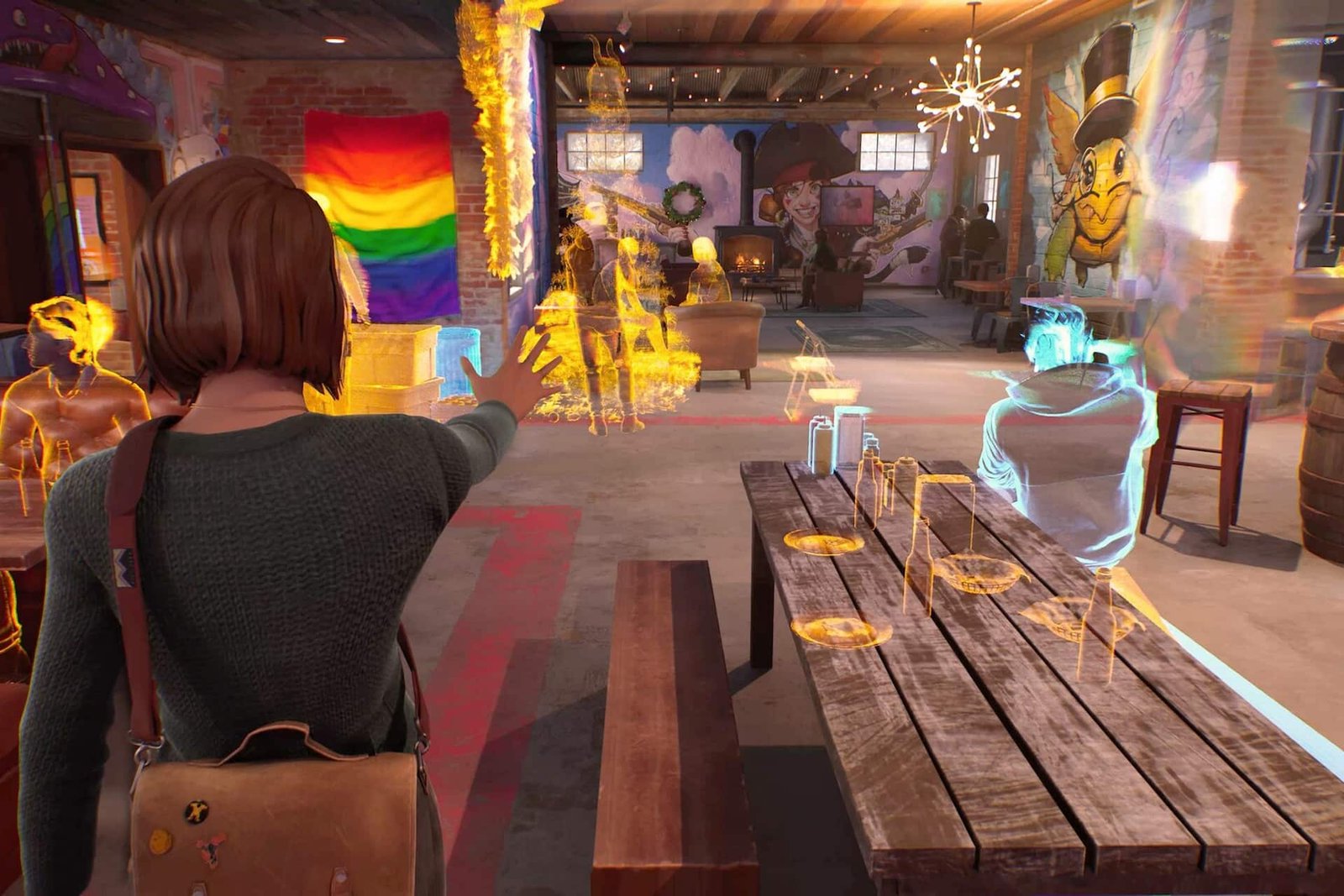
Playing detective in the first three episodes reminded me of the good old times I spent playing Life is Strange. There’s nothing like collecting evidence and eavesdropping on everyone’s conversations, leading up to the victorious feat of solving the mystery. To top it off, the entire game is riddled with callbacks, even my favorite “Shaka brah” line. It wouldn’t be a Life is Strange game without some cringy dialogue.
The only annoying dialogue that did get on my nerves, though, was Max’s constant reminders of the current objective. Like, I get it, Max. I’m not going fast enough, but could you give me a few more minutes to gather my thoughts?
Stuttering and bizarre animations were two other things that hindered the gameplay. I don’t mind some glitches here and there, yet Double Exposure had quite a few. It’s a shame to see, particularly because the game is exceptionally stunning to look at.
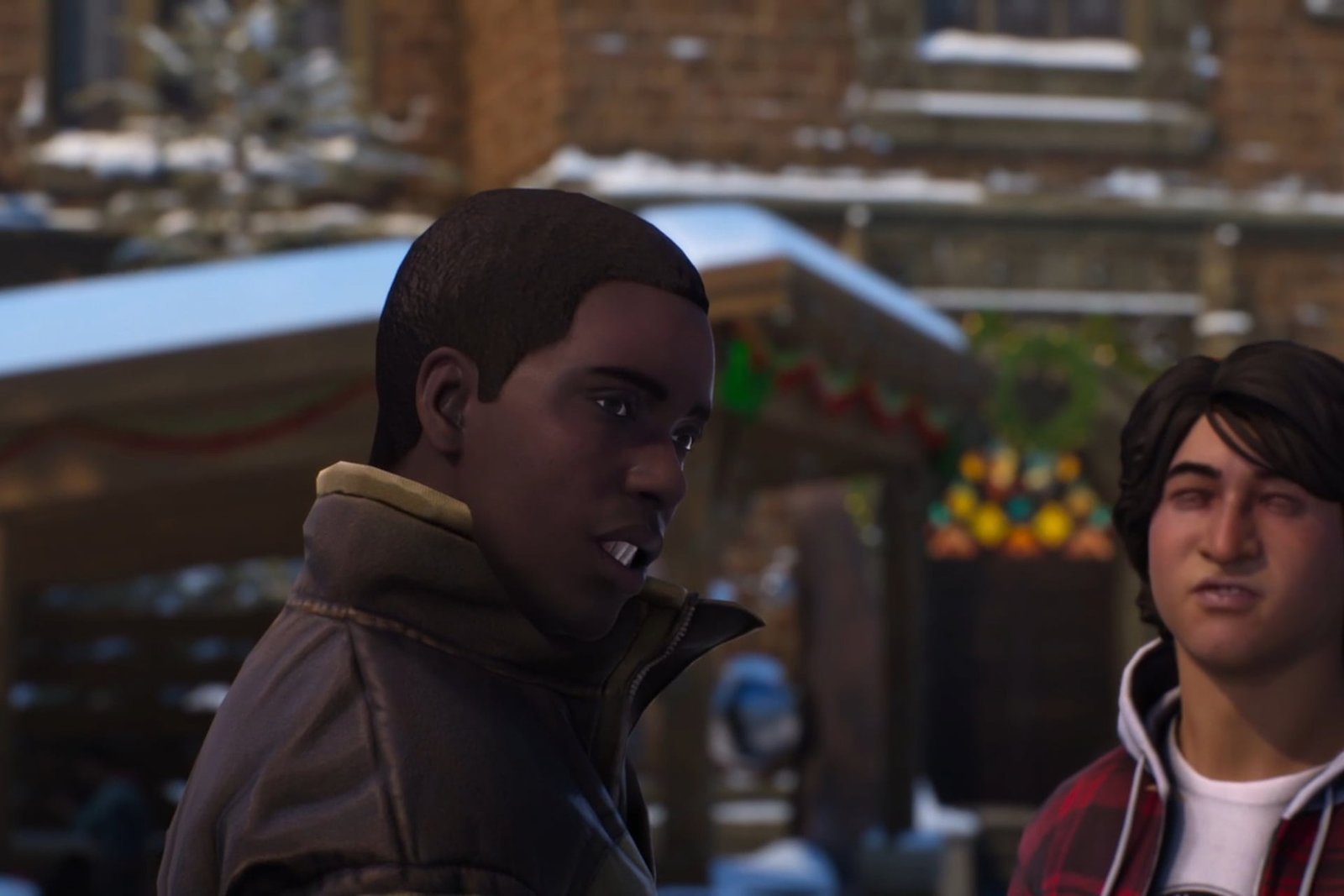
Compared to the first Life is Strange, the direct sequel shows how far the series has come, with its lifelike characters and picturesque scenery. But with those constant glitches, even dreamy scenes can turn into visual nightmares.
The Not-So-Great Finale
Sadly, the cracks don’t stop at the visuals. The last two episodes reminded me why the game’s reputation went downhill, as I spiraled into the chaos of its confusing storyline.
Although I didn’t see the major plot twist coming, the events that followed didn’t quite hit the mark. It felt like there were enough plot holes to make a crater, pushing all of its twists and turns into the game’s grand finale. There were just too many things going on, and my mind couldn’t keep up.
Regardless of how confusing the last two episodes were, the ending made for a nice setup for Reunion. The pathway is laid out for each character, showing what they’ll face in the next game. Nice and simple, unlike the buildup, but I’ll take it.
The Final Verdict
Now that I’ve gone through all the episodes, it’s time to answer the big question. My final verdict is: yes, Double Exposure was judged too harshly, but it’s definitely not perfect. The first three episodes alone are what Life is Strange is all about: corniness, thrills, and storytelling with heart. The new characters weren’t half bad, either. Safi reminded me a lot of Chloe, yet she still has unique qualities that set her apart. Moses was another solid addition to the team—wise, loyal, and grounded.
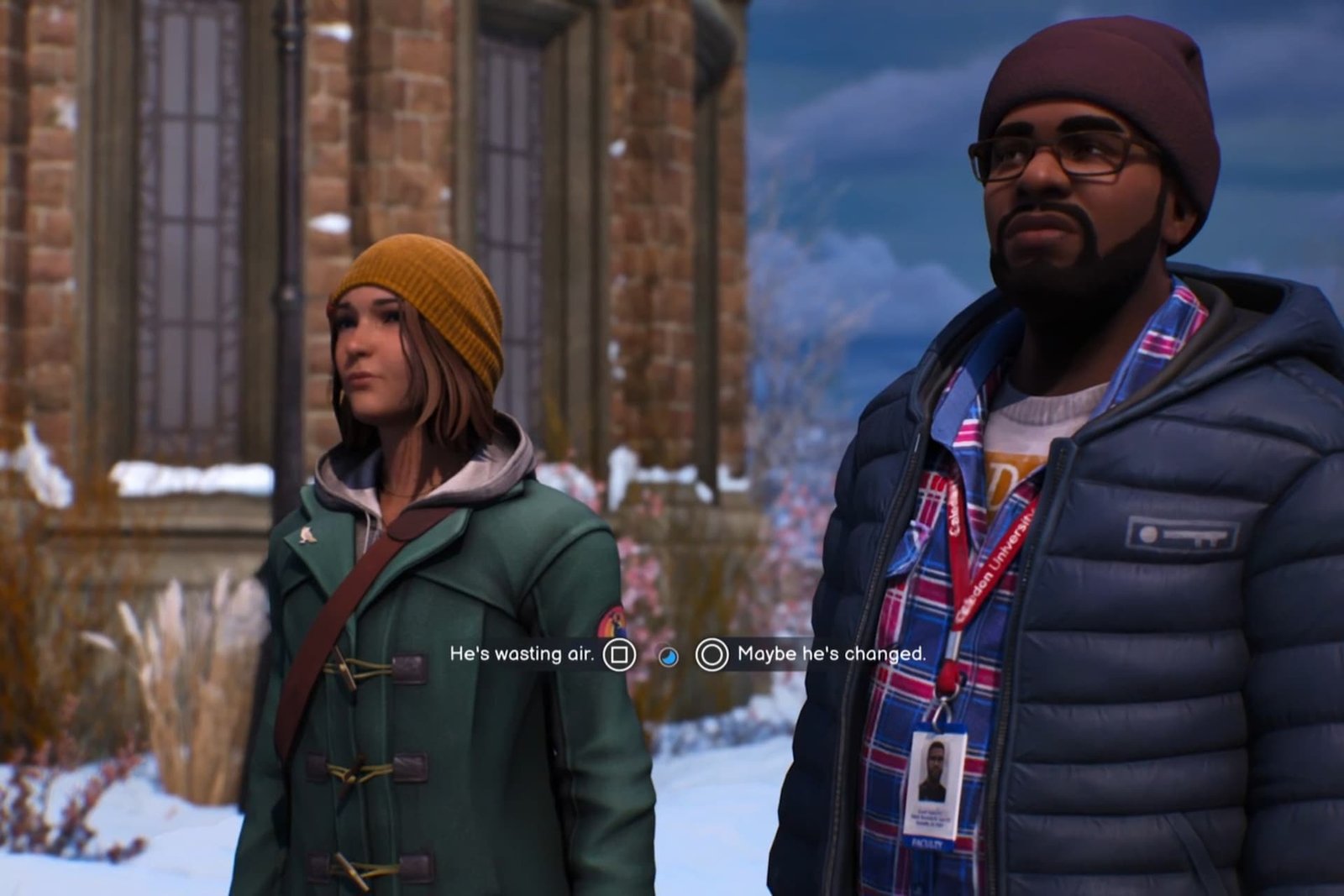
Life is Strange: Double Exposure’s glitches and finale unfortunately hold it back, which is why it got so many bad reviews. The long wait also played a role, setting a high bar of expectations before its release. I understand how disappointing it is not to get what you want after years of waiting. On the other hand, I don’t think we should put so much pressure on making a game perfect. It’s not the best Life is Strange, but it shouldn’t be written off completely. Not every game in a series will knock it out of the park, and that’s what we got with Double Exposure.
Reunion could fix things, or you know what, it could be a complete failure. The latter would obviously suck, but I’m hopeful. No matter what happens, Life is Strange still makes an impact. Even though the conversation has leaned more negative lately, the series has given more exposure to choice-based games. There’s no taking that away.