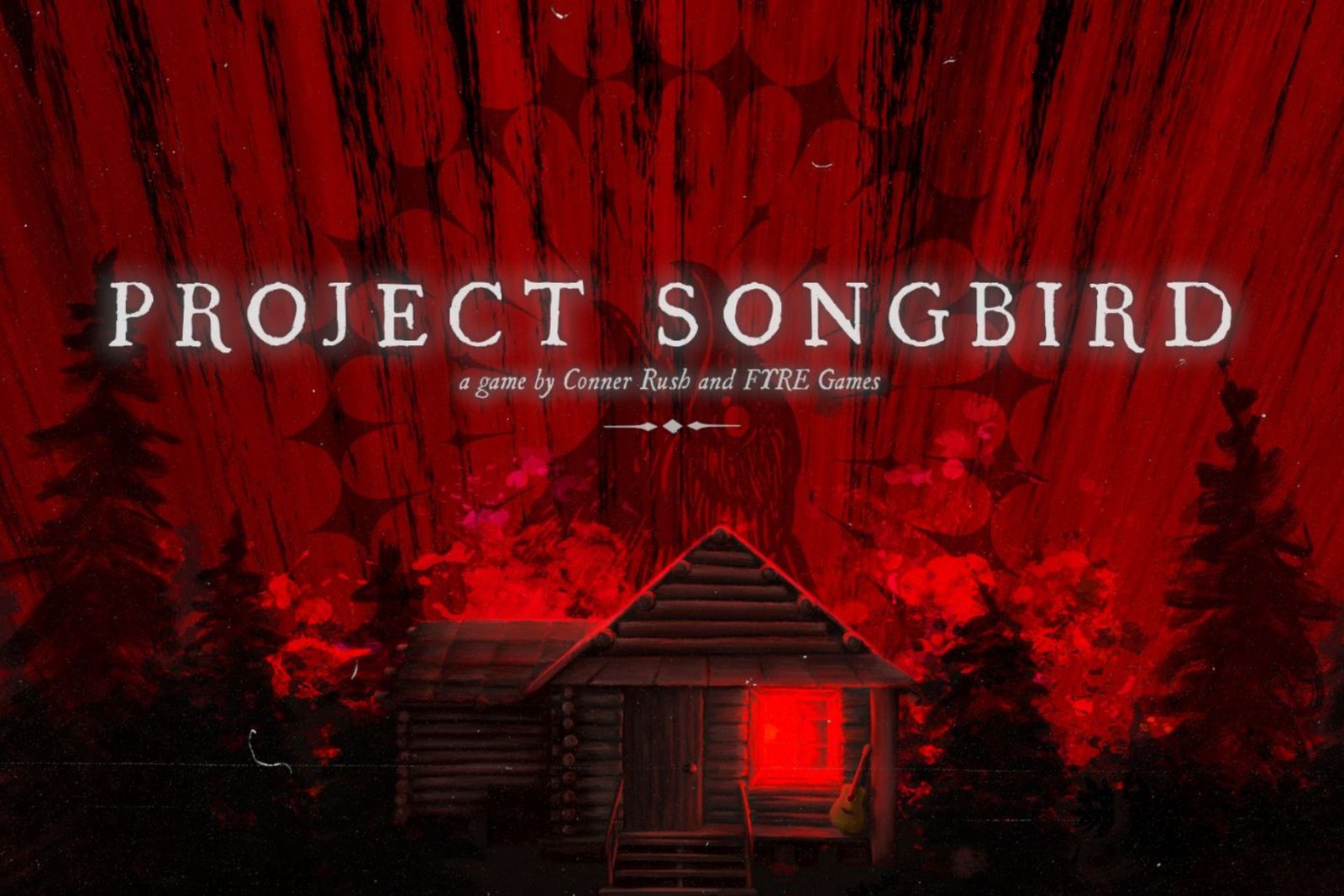
Reviewed on PlayStation 5
Dakota’s journey from a gritty Pittsburgh struggle to a Appalachian nightmare is definitely one worth following.
If there is one thing we’ve learned from years of survival horror, it’s that a “getaway to a remote cabin for artistic inspiration” is usually code for “prepare to have your soul shredded by some type of evil.” In the opening hours of Project Songbird, protagonist Dakota, a musician struggling to find her rhythm and drowning her sorrows in the grey sprawl of Pittsburgh, learns this lesson the hard way.
But while the setup feels like a classic verse we’ve all heard before, the execution feels surprisingly fresh, weighty, and deeply unsettling.
The Architecture of Isolation
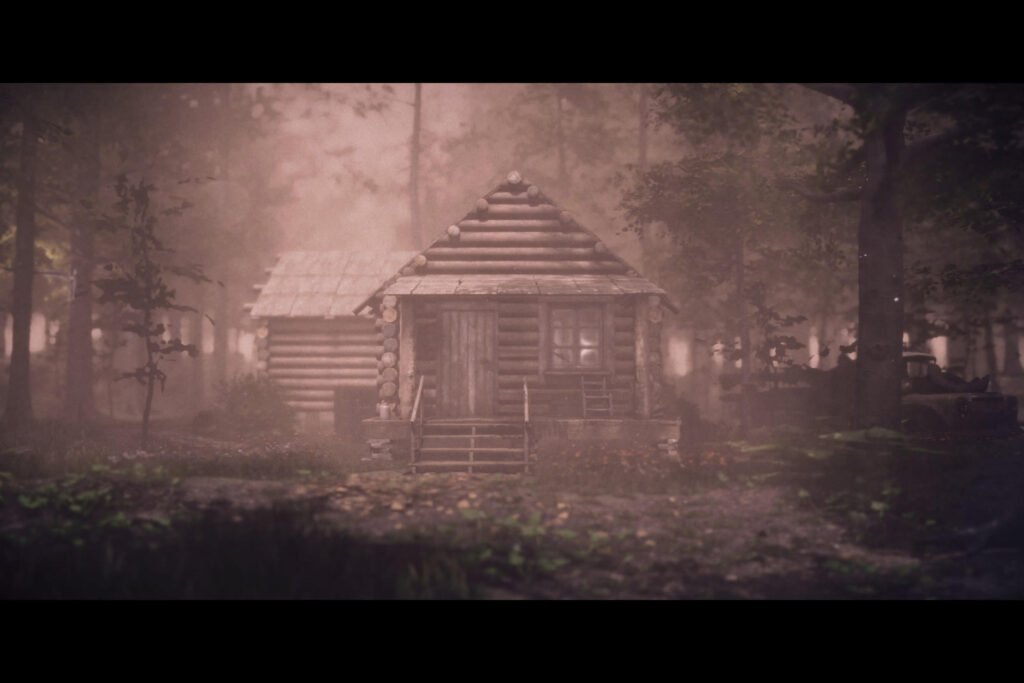
There’s a reason the dread in Project Songbird feels so specific. Lead developer Conner Rush (FYRE Games), the mind behind the cult-hit Summerland, has traded short-form anthology storytelling for a deeply personal narrative. Drawing on his own upbringing in Appalachia, Rush infuses the setting with a cultural dread that feels more like an Ari Aster film than a traditional slasher.
The game is presented in a cinematic 2.35:1 aspect ratio, which immediately lends a sense of prestige to the visuals. We first meet Dakota not in the woods, but in the city. She’s a struggling artist, self-medicating with alcohol and cigarettes, caught in a downward spiral of stagnant creativity and loss.
It feels remarkably grounded, echoing the character-driven intimacy of Life is Strange. When her record label offers a cabin retreat as a final chance to produce her album, it’s framed as a lifeline, but as the cinematic black bars suggest, this is quite the tragedy in the making.
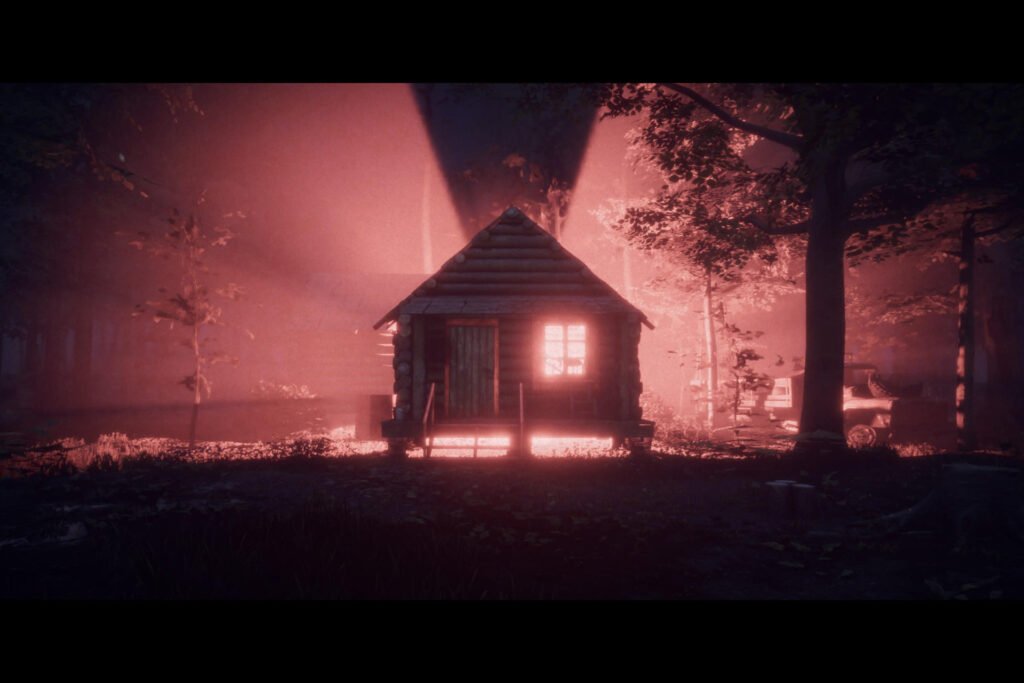
The woods start off deceptively quiet. The cabin is gorgeously rendered, and for the first couple of days, the lack of phone service feels like a minor inconvenience. It’s a slow-burning introduction that uses its atmosphere to build a sense of eerie calm.
However, Songbird wastes no time leaning into its supernatural influences. The inclusion of a permadeath feature (which can be toggled for a less punishing experience) adds a layer of genuine stakes to every rustle or noise in the bushes. When your field recorder chimes to capture a melody, it’s your only tether to a reality that is rapidly beginning to fray at the edges.
Psychological Convergence
What starts as a procedural investigation into local oddities, like discovering a painting under a tree that matches Dakota’s paintings back home, quickly descends into psychological terror.
The influence of Remedy Entertainment’s Alan Wake is draped over the experience like a heavy, suffocating fog. You’ll find yourself following whispering lights through flickering corridors and grappling with the fractured, painful memories of Dakota.
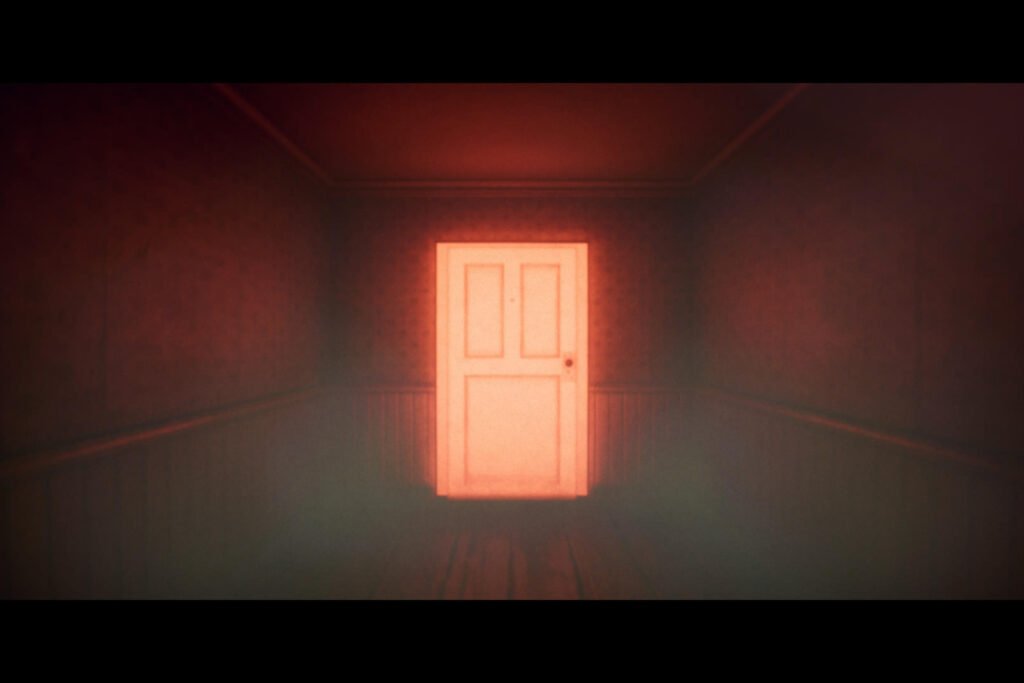
There is a heavy, meta-textual mystery at play here that keeps you constantly questioning the caseboard in your mind: Who is the painter leaving these behind? Is the monster that appears in your cabin for a brief few seconds a physical threat or a manifestation of Dakota’s thoughts?
The game expertly dangles these questions without providing easy answers, making every discovery feel like a jigsaw puzzle piece trying to fit. One moment you’re performing mundane tasks like fixing the water system, the next, you’re being watched through the eyes of a bird or waking up to find a tall figure standing in the corner of the cabin that vanishes the moment you blink.
The weight of this performance is anchored by a voice cast that punches far above the usual indie weight class. Having Valerie Rose Lohman (What Remains of Edith Finch) voicing Dakota, alongside heavyweights like Jonah Scott and Aleks Le, elevates the dialogue to something authentically cinematic. It makes Dakota feel like a person worth saving, which only makes the encroaching darkness feel more threatening.
The Dissonance Of The Score
Perhaps the most distinct element of Project Songbird is its musical identity. Composed by Jacob Noska, Jonah Henthorne, and Erwin Dorsainville of the jazz-punk band Auric Echoes, the score eschews traditional horror stings for an improvisational, avant-garde approach. They describe it as a boiling pot of audio, layering distorted synth, acoustic riffs, and abstract environmental hums until the atmosphere feels thick and suffocating.
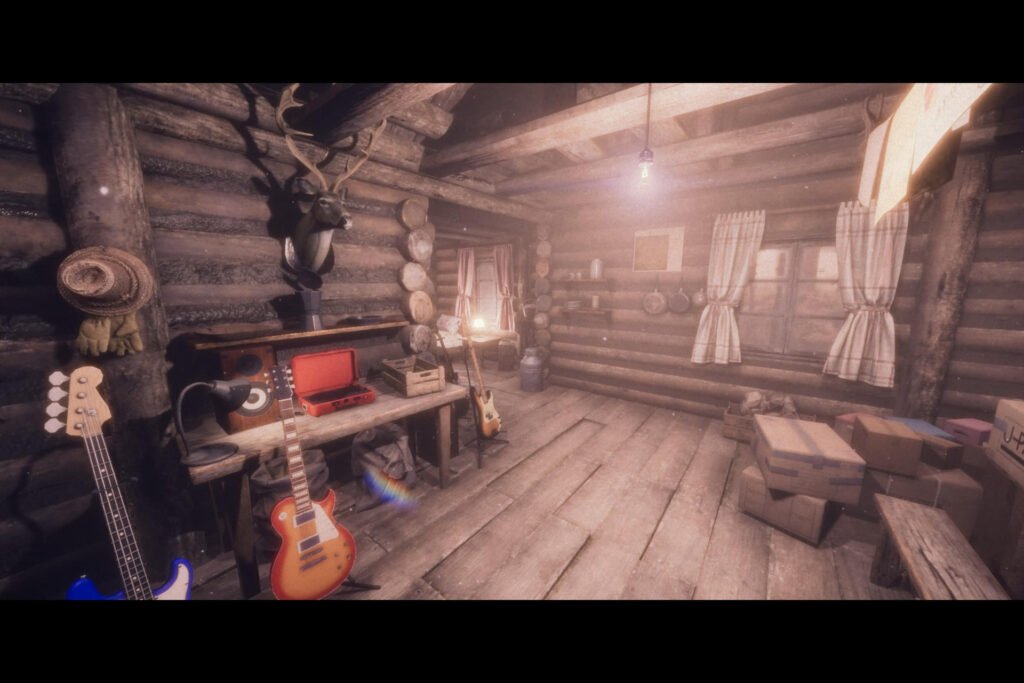
Because the music is so unpredictable, it perfectly mirrors Dakota’s own creative block and psychological unraveling. You’re hearing what it sounds like when a musician’s mind starts to reject its own craft. It’s jarring, experimental, and deliberately unsettling, making the silence of the Appalachian woods feel even more threatening when it finally stops simmering and leaves you in total, terrifying quiet.
Mechanical Tension And Liminal Spaces
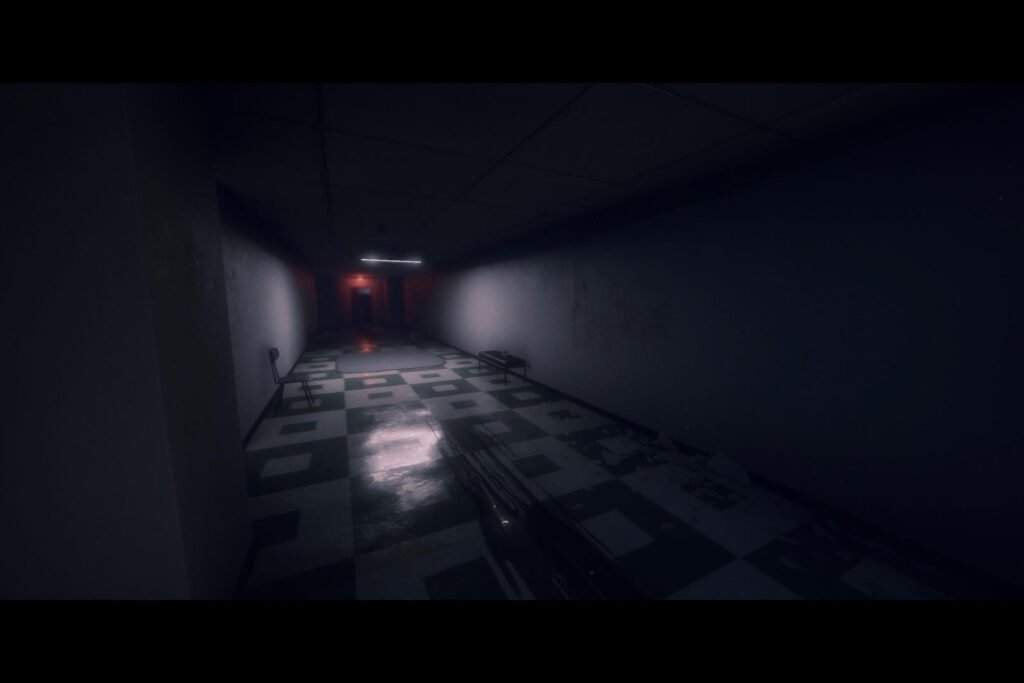
Visually, Project Songbird employs a striking lo-fi aesthetic that makes every shadow feel dangerous. The grainy, high-contrast lighting recalls the golden era of PS1 survival horror but with modern fidelity in its environmental storytelling. You’ll find yourself squinting at the screen, unsure if that shape in the corner is a coat rack or a creature waiting for your flashlight to fail.
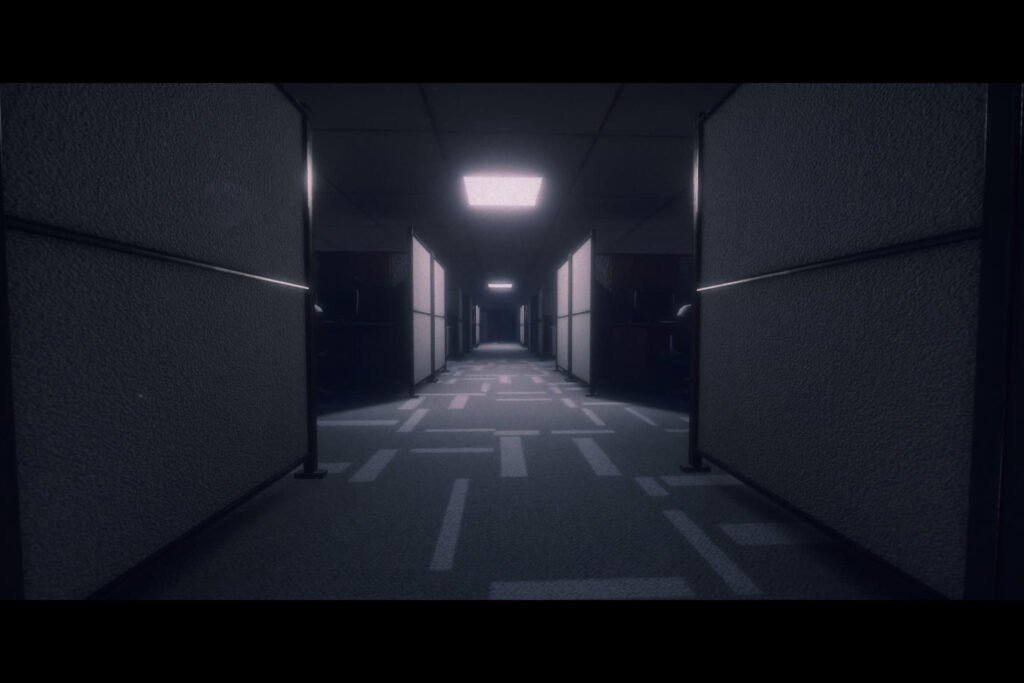
This visual crunch pairs perfectly with the game’s refusal to hold your hand. Much like the Resident Evil, Songbird expects you to pay attention. You’ll be scavenging for “stuff used for other stuff” and listening closely to Dakota’s self-talk to determine your next move.
A standout sequence for me was a claustrophobic trek early in the game through a room filled with office cubicles, a disorienting, liminal space that transforms the mundane into something monstrous. With save points that are unfortunately a little unforgiving, the tension remains high even when you think you’ve found a moment of peace.
The Verdict: A Voice In The Dark
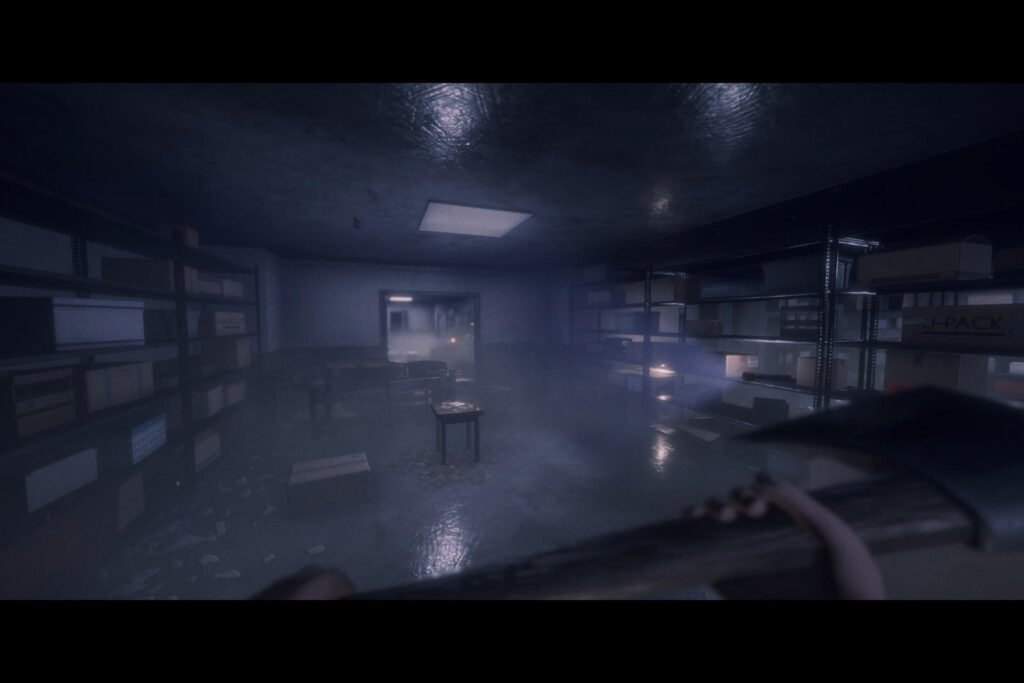
Project Songbird isn’t necessarily reinventing the horror wheel, but it’s spinning it with incredible style. By blending the cozy with the nightmarish and backing it with AAA-level voice talent and a uniquely Appalachian soul, FYRE Games has created something that feels both intimate and grand.
It’s a game that promises to leave you with something after you turn off the console, a lingering sense of dread and a desperate curiosity about where the melody ends. Whether Dakota can find her voice and her way out of these woods remains to be seen.
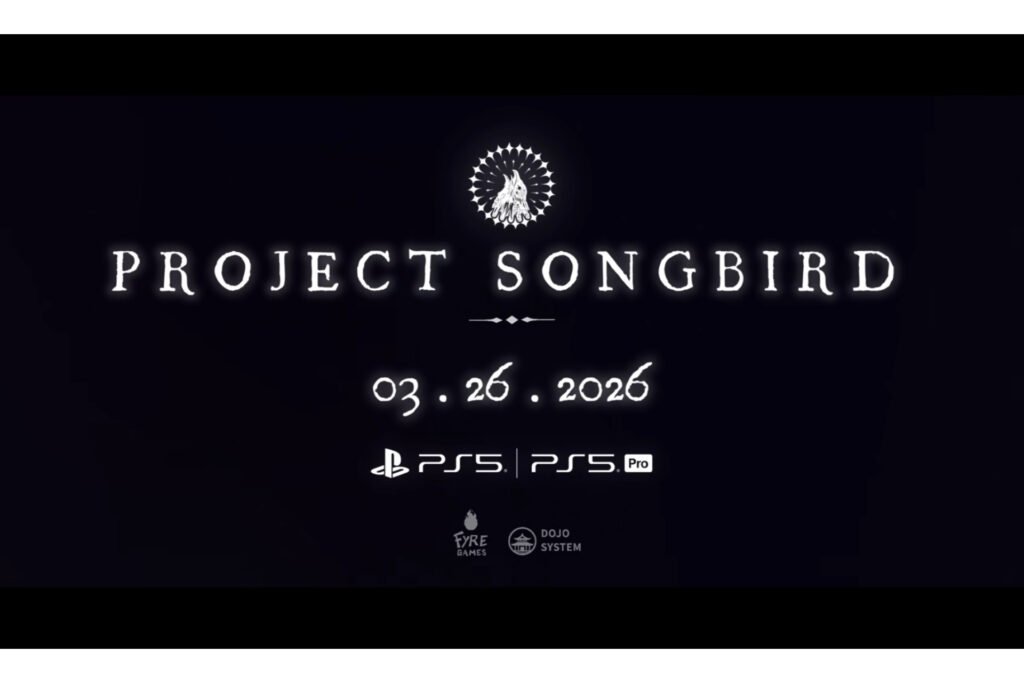
The game is set to release on March 26, 2026, for PC, PlayStation 5, and Xbox Series X|S.
Project Songbird: While not completely reinventing the genre, Project Songbird is a condensed descent into paranoia that turns the creative process into a fight for survival. Set within the isolation of a remote Appalachian cabin, FYRE Games swaps traditional jump-scares for a suffocating atmosphere.It’s a short, sharp shock to the system that proves in the vacuum of total isolation, your own mind is the most dangerous entity of all. – Jayden Van Tonder