Reviewed on PC.
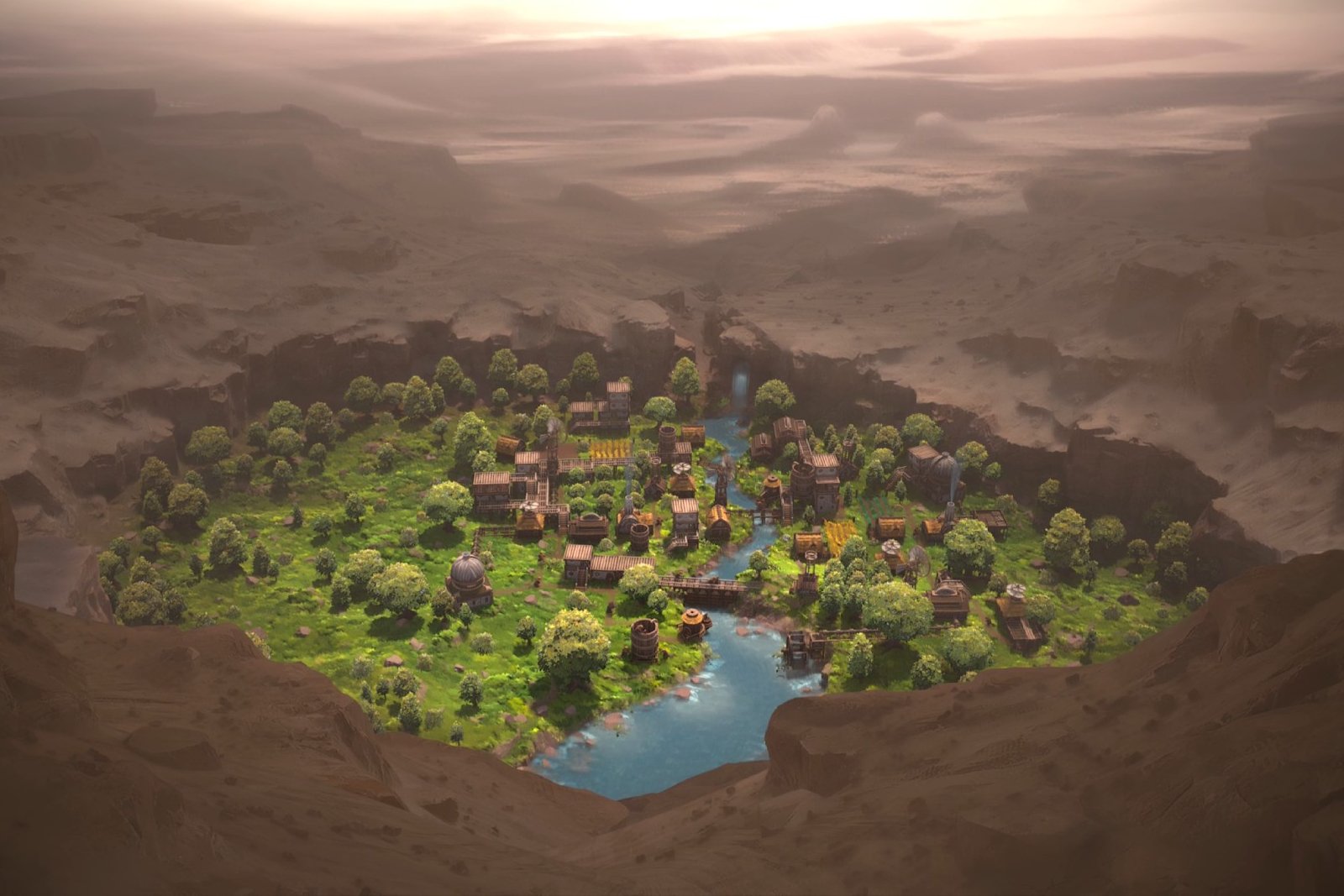
Timberborn was an easy sell when it first hit the Early Access scene back in 2021; a beaverpunk city builder where you lead a colony of sentient rodents to reclaim the devastated biosphere. With its blend of cartoonish whimsy and genuinely smart gameplay, it’s easy to see why it’s been so well-received.
Now that it’s launched into 1.0, Timberborn is truly a force to be reckoned with in both the cozy and strategy fandoms, loaded with features and challenges that can keep you engrossed in your wooden metropolis for hours on end.
SwimCity
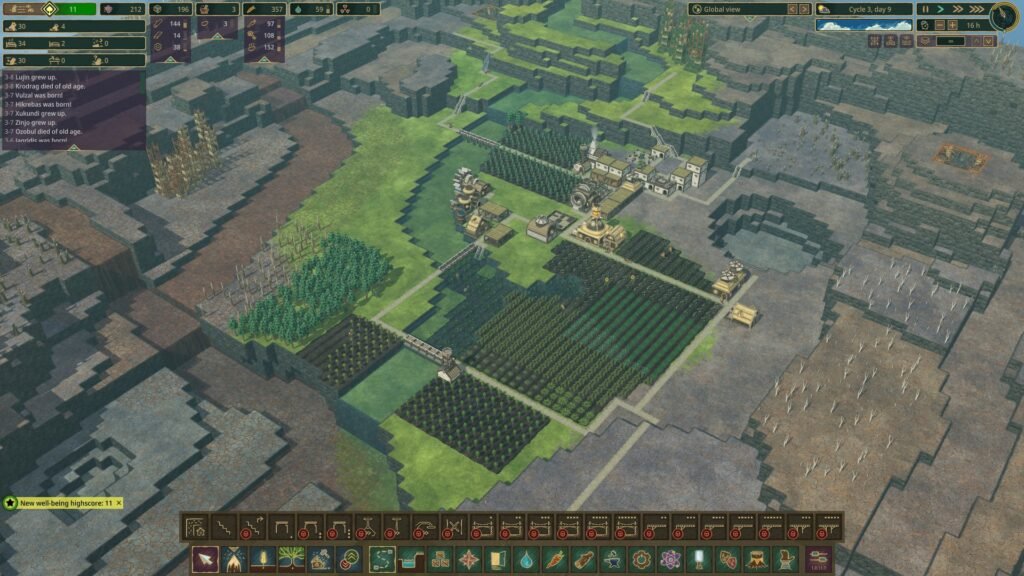
Beaverkind is on the brink of extinction. The previous dominant species, the “hoomans,” destroyed themselves and the environment in the final days of their society, and now wandering clans seek out fresh water and arable land. Your settlement is lucky enough to have found just such a place, and with beaver ingenuity, you might be able to build a new society and bring the world back from the brink.
Like most city builders, you’ll need to manage ever-more-complex needs as the game goes on. From basic food, shelter, and water to entertainment, advanced industries, and power generation, Timberborn takes a mostly freeform approach to how you develop.
You can spend your accumulated research to unlock buildings however you like, and there’s always something new that could improve your settlement, even if it’s just a new decoration to brighten your beavers’ day (and, by extension, make them work a little harder).
Yes, that’s right, decorations actually have an in-game effect! I know plenty of city builders do this, but frankly not enough.
If you’re taken by the idea of building a cute beaver society, filling your storehouses with carrots and blueberries and living off of sustainable energy, Timberborn is perfectly content to let you while away the hours in your idyllic fantasy.
Just be sure to stay ready for the occasional disaster – or turn them off in the settings at the start of a new game if you’re really just in it for the sandbox experience. If you want more of a challenge, Timberborn can just as easily be a brutal survival sim, where mistakes lead to starvation, shortages, and nail-biting moments as catastrophe looms.
There are even two playable factions, the traditionalist Folktails and the industrialist Iron Teeth. While I was expecting the differences between the two to be mainly in terms of bonuses – better farms for the Folktails and better mills for the Iron Teeth – they actually have completely distinct playstyles, to the point where it almost feels like you’re playing a different game altogether.
Small changes like different building footprints and storage capacities alter how you’ll plan and develop, but the really big curveballs come when you realize that the Iron Teeth (who aren’t unlocked until you’ve played as the Folktails a bit) have completely different approaches to agriculture, population management, and plenty of other key systems.
Test Your Beaver-Brain
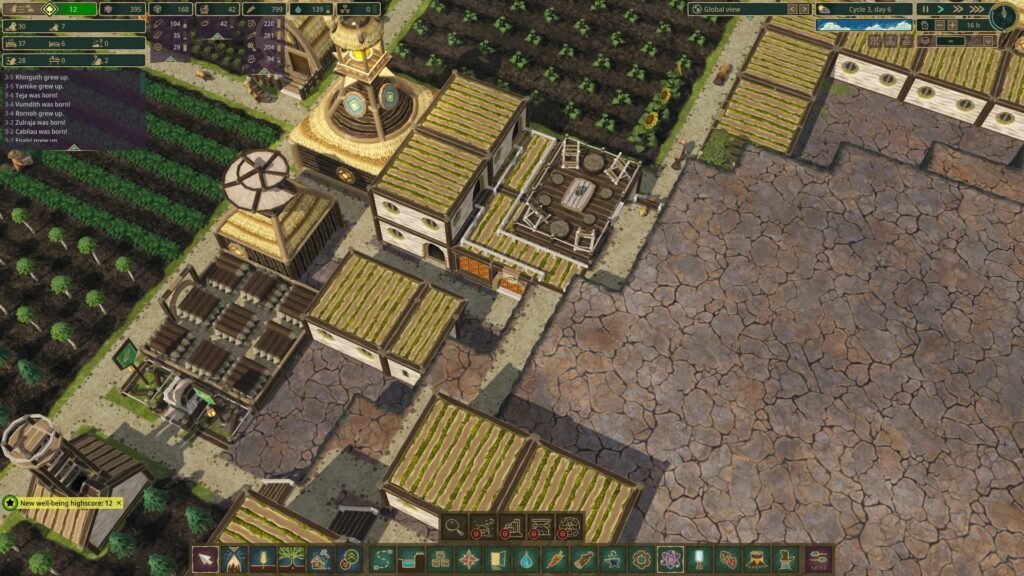
Timberborn is full of surprises like this, in a way that sets it apart from the pack. There are countless moments, even dozens of hours into a run, where you’ll find a new approach or interaction that changes how you play the game. It rewards ingenuity and engineering, whether that’s simply damming a river to keep water during a drought or planning a complex engineering project to redirect its flow entirely. Most of all, though, Timberborn is at its best when you remember to think like a beaver.
As a simple example, since water is such a crucial part of the map, both as a resource and as a gameplay element, crossing it is very important. In most city builders, that’s a simple matter of building a bridge, and you can do that in Timberborn, but the faster and more efficient path is to just build stairs down to the riverbed and continue the road along the bottom – beavers are great swimmers, after all! If you can travel in the water, then why not build there as well?
Aquatic crops and smart planning lets you build in and around the water, stacking buildings on top of one another and turning construction into a building-block puzzle that’s ever-growing and immensely satisfying.
Just be smart about what goes into the water, and how it will affect the flow. You don’t want to flood your meticulously-designed neighborhood out, after all.
From its basic features to advanced options like automation, beaver-bot construction, and hydraulic engineering well beyond my humble skill, Timberborn has so much to offer in its launch version that it’s frankly one of the easiest recommendations I’ve been able to make in a long time.
My sole complaint (and I’m finding it to be less of a problem as I play more, so… skill issue?) is that, as with many city builders, there is more waiting around than I’d like. Waiting for the next harvest to come in, waiting for a generation of kits to grow up and join the workforce, waiting for more research points for a major unlock. Rome wasn’t built in a day, but I can only admire my work so much before I start to get antsy.
If you played Timberborn during Early Access, 1.0 is naturally the best time to reinstall and see what the devs at Mechanistry have been cooking. If, like me, you’ve been waiting for the game to be finished, I can gladly say that the wait has been well worth it.
Timberborn: A beaver city-builder that's sure to delight casual and hardcore players alike. – MattArnold