
Being an Xbox fan over the last couple of years has felt like rooting for a sports team that’s decided to stop scoring goals so they can focus on “improving the stadium experience.” We’ve watched hardware sales crater, down a staggering 32% in the latest earnings, and we’ve seen the once-mighty exclusives wall torn down brick by brick. By the time Starfield and Indiana Jones started packing their bags for the PlayStation 5, the “console war” felt less like a battle and more like a foreclosure.

But then, out of the blue, new CEO Asha Sharma, who stepped into the role just weeks ago following the sudden departures of Phil Spencer and Sarah Bond, drops the mic. On March 5, 2026, she officially confirmed Project Helix. And for the first time in a decade, the green team isn’t just playing defense; they’re trying to change the very definition of what a console is.
However, as much as the marketing wants to paint this as a “return to form,” there is a thick layer of skepticism settling over the community. Is this a revolutionary new category, or just a really expensive way for Microsoft to admit they’ve lost the console market?
What exactly is Project Helix?

The pitch is wild, but it feels like a pivot born of desperation. Project Helix isn’t just a “Series X-2.” It’s a PC-Console Hybrid. Sharma’s announcement post was short but impactful: “Project Helix will lead in performance and play your Xbox and PC games.” We’re talking about a unified Windows-based architecture that doesn’t just “stream” your PC library, it is your PC library. The rumored AMD Magnus APU is a monster 408 mm2 chip.
But here’s the skeptical take: Why? If I wanted a PC, I’d buy a PC. By trying to be both, Xbox risks being neither. Will it have the ease of use of a console, or will we be stuck navigating “Windows Update” pop-ups with a controller while our friends on PlayStation are already mid-game?
Valve vs. Microsoft
By making Helix a PC hybrid, Microsoft is picking a fight with the king of PC gaming: Gabe Newell. Valve is currently doubling down on their own Steam Machine, and the comparison is biting.
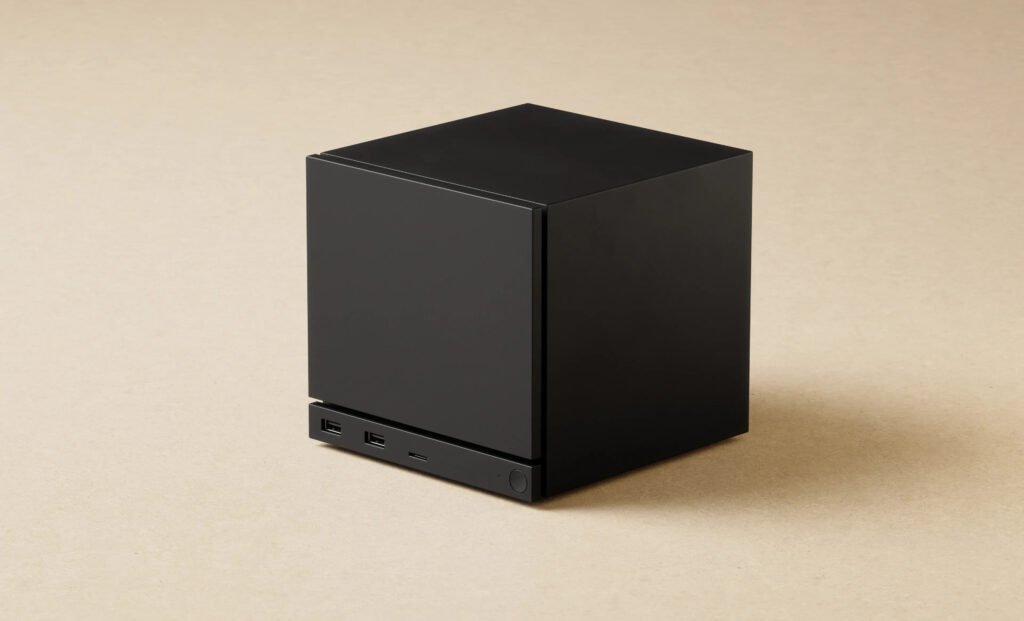
Steam succeeded because it’s an open frontier. If Helix launches with a “Native Windows” layer, meaning you can install Steam or Epic, it’s a powerful move. But let’s be honest: Microsoft loves their walls. If they try to force us into the Microsoft Store or hide Steam behind a “Pro” subscription, the project is dead on arrival. PC gamers won’t pay a premium for a cage, and console gamers don’t want the complexity of a PC. It feels like Microsoft is building a bridge to a middle ground where nobody actually lives.
The End of the “Generational Leap”
We’ve been conditioned since the 80s to wait for the “Next Gen.” Project Helix signals the messy, necessary death of that cycle. By moving to a Windows-based architecture, Xbox is effectively turning the console into a high-end, living-room laptop.
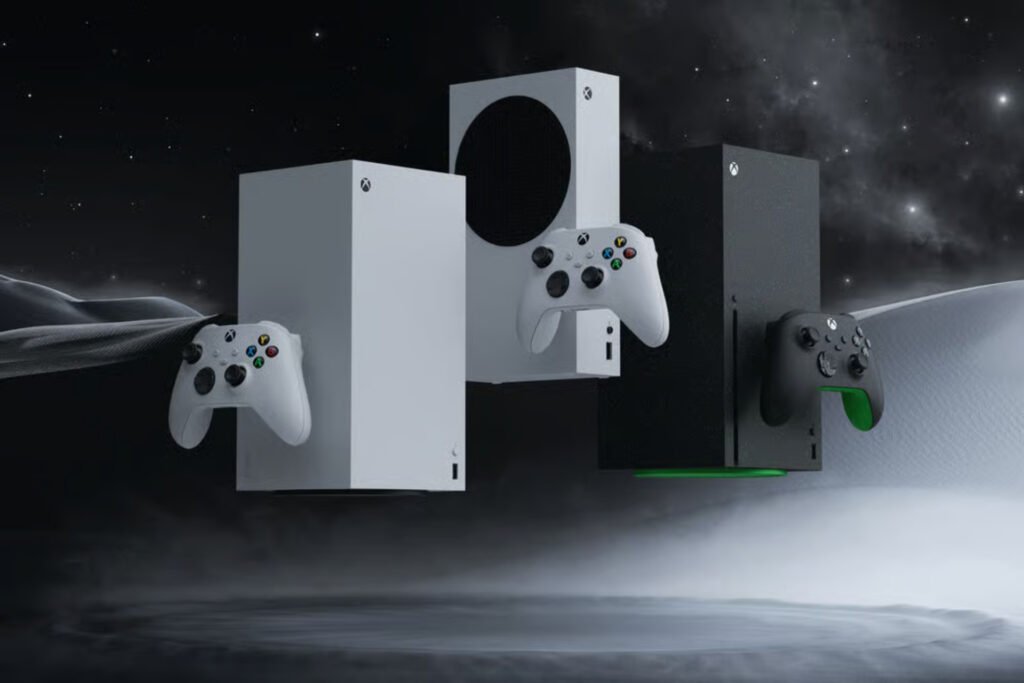
This shift is Xbox’s way of saying they’re done trying to “win” a generation. If there are no generations, you can’t lose them. But for the average consumer, this is a nightmare. Do you buy the “Helix 2026” or wait for the “Helix 2028”? The clarity of the console market, knowing your box will be relevant for 7 years, is being traded for a smartphone-style upgrade treadmill. It’s great for Microsoft, but it’s exhausting for our wallets.
The “Play Anywhere” Dream, or a Goodbye to Exclusives?
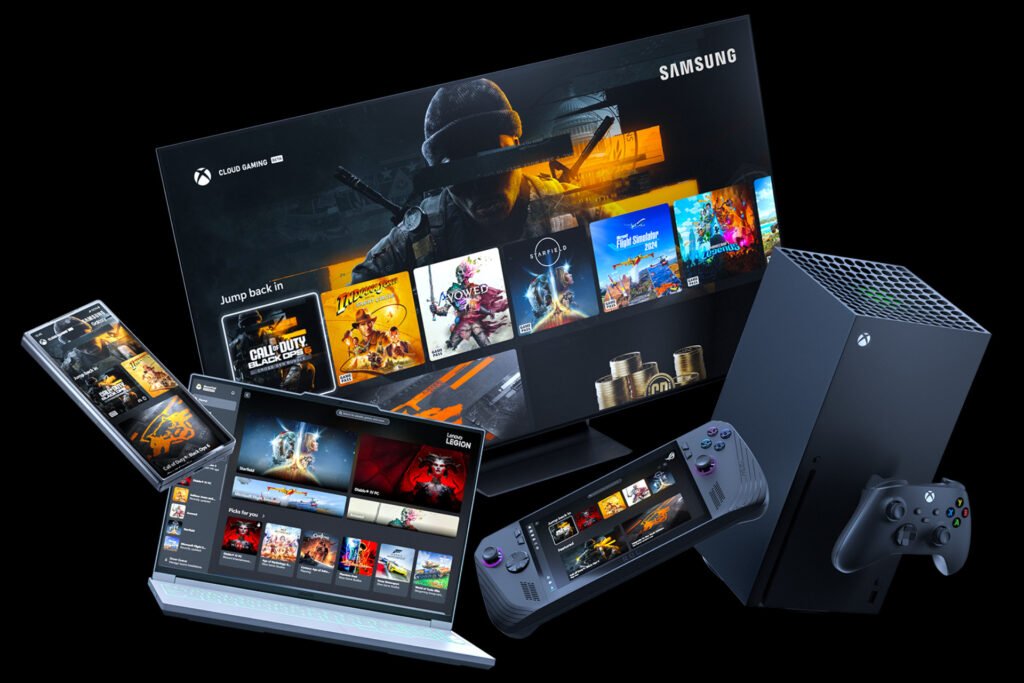
“Play Anywhere” used to mean a free digital copy. Now, in the Helix era, it feels like an admission that “Only on Xbox” is dead.
If this console truly bridges the gap, you aren’t buying an Xbox game; but you’re buying a Windows license. While that’s convenient, it removes the only reason many people bought an Xbox in the first place. If I can play Halo on my PC, or my Steam Deck, or eventually my PS5, why am I spending a thousand dollars on a Helix? The “Play Anywhere” strategy has successfully decoupled the Xbox brand from Xbox hardware. Project Helix feels like a very expensive attempt to fix a problem Microsoft created themselves.
The PlayStation Gap
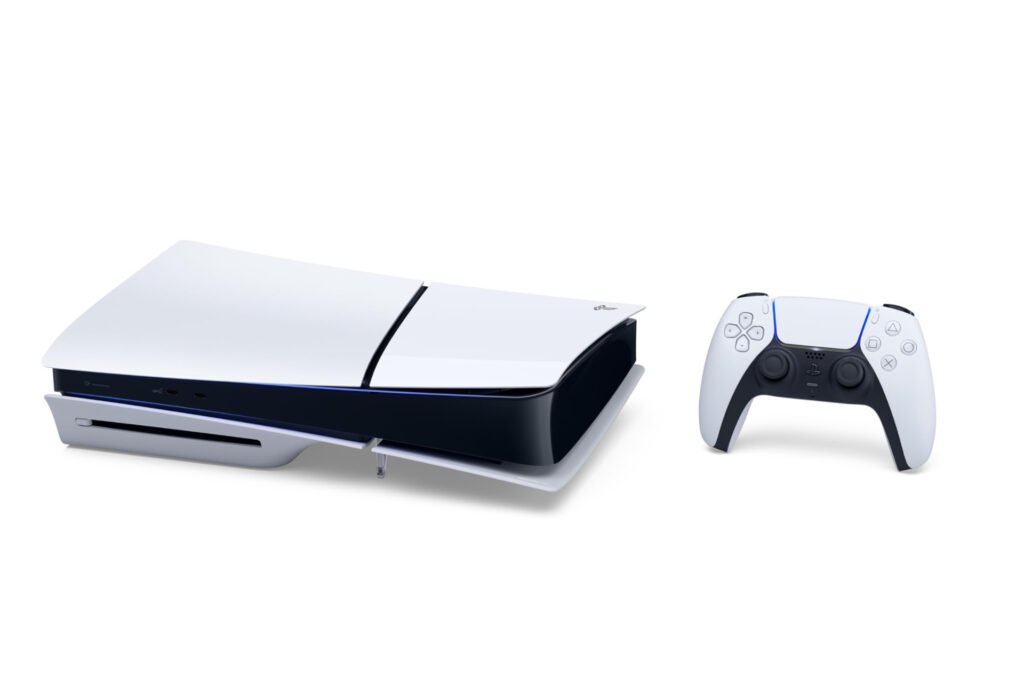
Sony has been eating Xbox for lunch. The PS5 didn’t just win this generation, it dominated.
Xbox fell flat because they lost their identity, and became a service (Game Pass) searching for a home. Project Helix is an admission that the “cheap, accessible console” route (the Series S) failed to move the needle. Now, they’re swinging to the opposite extreme: a “technological powerhouse.” But tech specs don’t sell consoles; games do. And right now, Sony has the games, while Xbox has a really impressive spreadsheet.
The Price Tag
Now for the part that makes your eyes water. You aren’t getting a PC-hybrid for $499. Between the global RAM shortage and the cost of 48GB of GDDR7 memory, analysts like Moore’s Law is Dead are whispering about a price point between $999 and $1,299.
At $1,200, you are competing directly with actual PCs. A PC that can do your taxes, edit video, and browse the web without a “Simplified UI.” If Helix can’t do everything a PC can, it’s too expensive. If it can do everything a PC can, it’s just a pre-built computer with a big green ‘X’ on it.
A Last Stand?
Project Helix is Xbox’s “all-in” moment, but it feels less like a bold new beginning and more like an exit strategy. By making the Xbox a PC, Microsoft is preparing for a future where they don’t have to make consoles anymore.
Asha Sharma is building a throne for the few who are willing to pay a premium for “The Return of Xbox.” But for the rest of us? We’re left wondering if the “Helix” is the shape of the future, or just the drain the brand is circling.