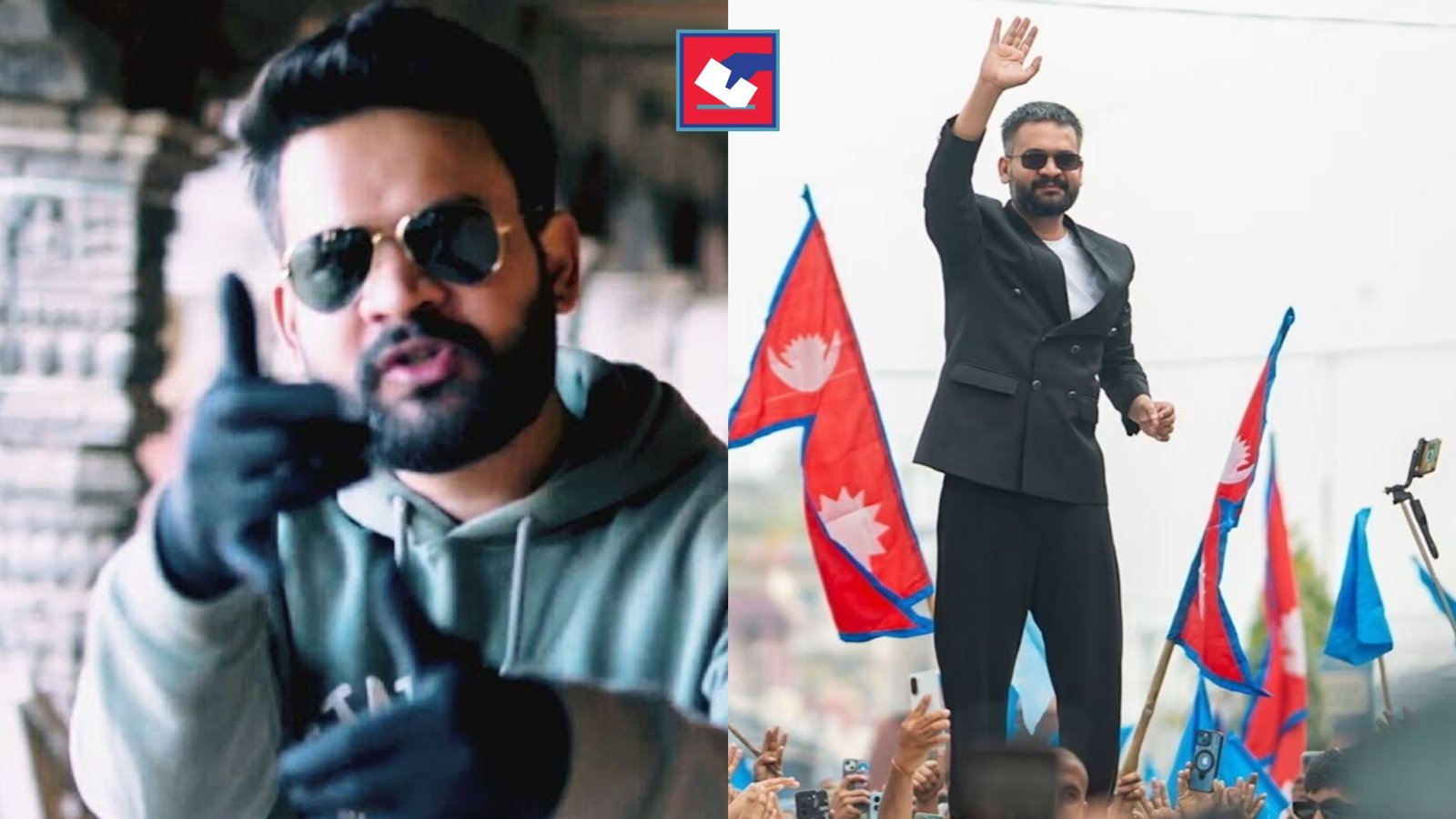
The political seismic plates of Nepal have finally shifted after a two-decade period. For thirty years, the nation felt like a building stuck on a faulty foundation, held together by the same three architects who refused to update the blueprint. But on March 5, 2026, a snap election delivered unprecedented results.
Balendra Shah, a 35-year-old structural engineer who first found fame as a fierce underground battle rapper, is set to be the latest Prime Minister of Nepal. This is not just a change of government; it is a total structural overhaul.
If he wins:
| Era | Balen’s Numerical Rank |
| Total History (since 1806) | 43rd Prime Minister |
| Federal Republic (since 2008) | 10th Prime Minister |
The Big Three: A Seventeen-Year Scratch Record
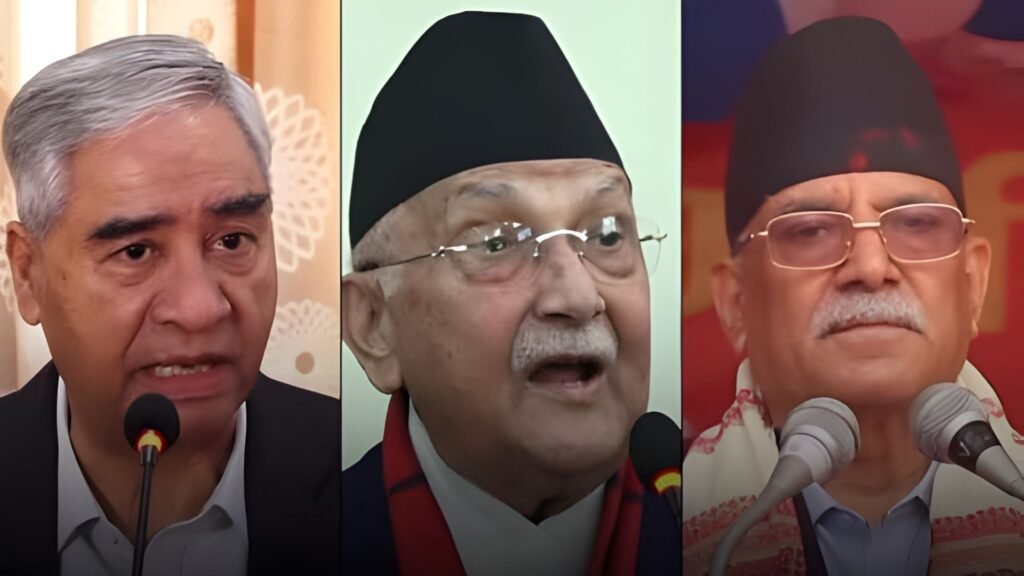
Before Balen even recorded his first song, Nepal’s government was stuck in a loop for nearly two decades. Since the 2008 elections, the Nepali Congress, CPN UML, and the Nepal Communist Party Maoist (along with their youth wing, the YCL) have played musical chairs with the Prime Minister’s seat. They ruled in rotating alliances for roughly seventeen years; it came to a point that the government looked like a corporate board.
While they were busy with power-sharing deals (what locals call Gathbandhan), actual development was invisible. Instead of new factories or reliable electricity, the only thing that grew was the Corruption Perception Index (CPI). Under their watch, Nepal consistently scored a dismal 34 out of 100 throughout 2024 and 2025; the lower the number, the more corrupt a country is stated to be. This stagnant score is a polite way of saying that bribery and embezzlement became the unofficial national sport.
From the Fake Bhutanese Refugee scam to the Lalita Niwas land grab and the 60 kg gold smuggling case, these parties turned public offices into private ATMs. While the youth were forced to fly to the Gulf and other countries for menial jobs, the leaders were busy protecting their own through policy corruption, which refers to laws specifically designed to keep cabinet members above the reach of the anti-corruption units.
Balen: The Raw Barz Legend and Unbeatable Status
Before the suits and the mayor’s office, Balen Shah was a lyrical writer in the underground Nepalese Rap scene. Under the late national legend Yama Buddha (Anil Adhikari, 30 May 1987 – 14 January 2017), the pioneer who led Raw Barz, Nepal’s first rap battle league, Balen burst onto the scene in 2013.
His most famous moment remains his legendary face-off against Litl Grizl (Nishesh Maharjan). Hosted by Yama Buddha himself, the battle showcased a younger Balen employing a diagnostic logic: he would identify the opponent’s weak spots and dismantle Grizl line by line.
Balen won that battle with a series of back-to-back freestyle rebuttals, comebacks that were so sharp and instant they have never been recreated in Nepal’s rap scene. This moment proved he could dismantle an argument in real time, a skill he later used to outmaneuver veteran politicians.
The Spontaneous Pivot: From Rap to Mayor’s Office
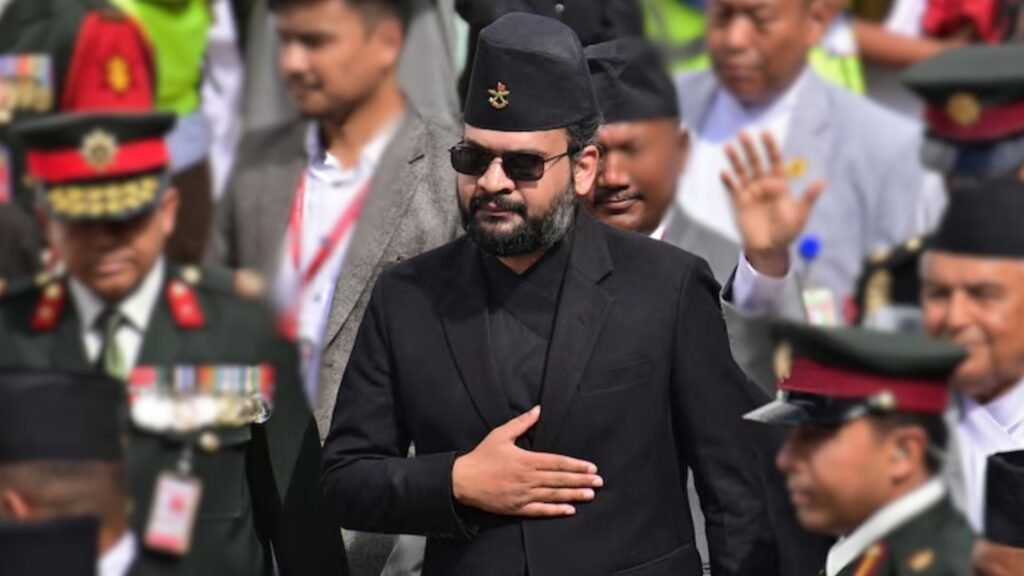
Perhaps the most shocking part of Balen’s rise was how completely it caught the establishment off guard. In Nepal, rap was long dismissed and blackballed as noise. Because of this cultural blind spot, the political elites never saw him coming.
What the elites ignored was the man behind the music. Balen holds a Bachelor of Engineering (BE) in Civil Engineering from Himalayan White House. He later completed a Master of Technology (M.Tech) in Structural Engineering from VTU, India. He is even a PhD candidate at Kathmandu University.
When Balen announced his run for Mayor in 2022, the opposition treated it as a joke, a rapper playing politics. They didn’t realize that he and his team were applying a researcher’s precision to their political failures. The pivot was spontaneous and surgical: he took the quick-thinking energy of the battle rap stage and applied it to the slow world of Nepali bureaucracy.
The Balen Mayor Years: Bulldozers, Books, and the Newa Spirit
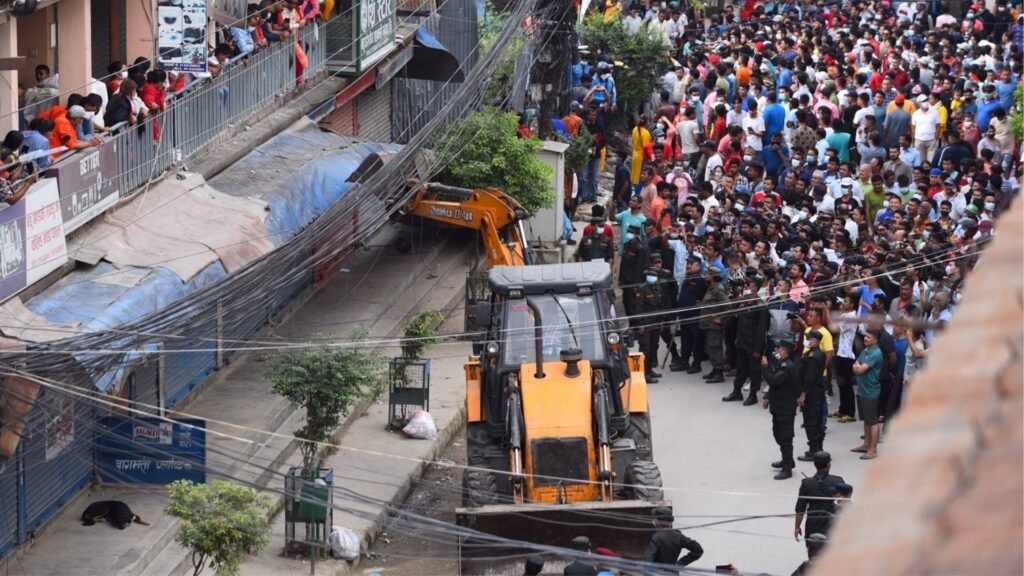
Balen’s run as the 15th Mayor of Kathmandu (2022–2026) was defined by a technical cleanup that split public opinion but solidified his base. He didn’t just manage the city; he tried to re-engineer people’s daily lives.
A few of his notable works include expanding footpaths and implementing strict parking rules, which significantly reduced the city’s gridlock and traffic. His Clear Roads initiative and the unearthing of the long-buried and extremely controversial Tukucha River demonstrated that he wasn’t afraid to delve into the past to shape the future.
Balen launched Book Free Fridays, turning community schools into hubs for technical skills and arts. He has guided private schools to provide scholarships and launched a massive cultural revival, renovating traditional hitis (stone spouts) and falchas (rest houses) while prioritizing the Nepal Bhasa language in schools.
Unlike traditional politicians who hide their past, Balen promoted his rap art while in office. He performed the hit Balidan for a major 2025 film and served as a judge on the reality show Nephop Ko Shreepech. These moves hinted to the youth that being a serious leader didn’t mean killing creativity.
The Bulldozer Controversies: Faith vs. Friction
However, Balen’s efforts often clashed with human rights and some genuine concerns. His administration was labeled authoritarian for its ruthless use of municipal police to chase down street vendors and demolish the homes of landless squatters along the Bagmati River. To the middle class, he was a hero bringing order; to the urban poor, he was a threat to their survival.
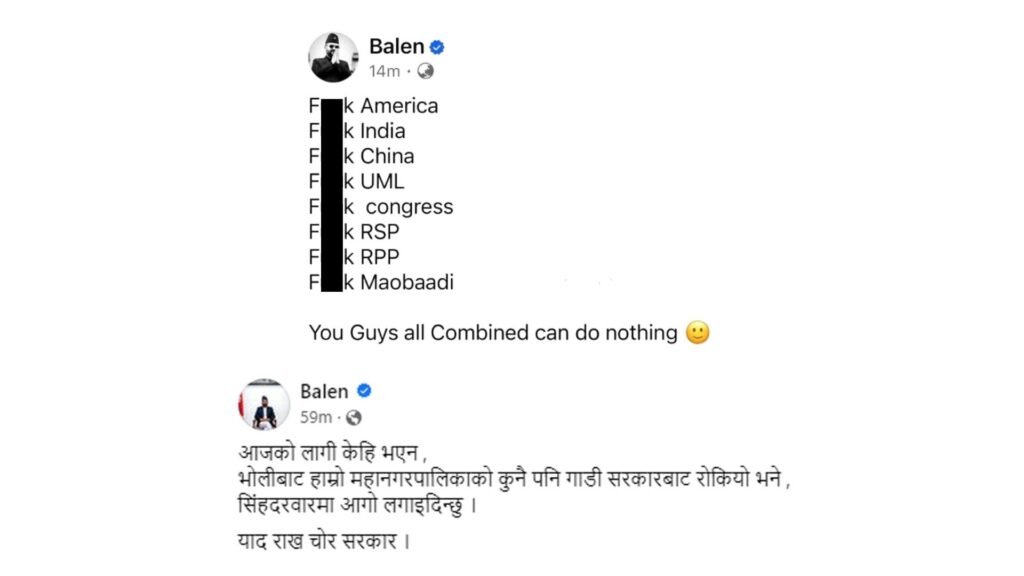
His explosive social media presence also kept the nation on edge. From threatening to set Singha Durbar on fire to his midnight rants against foreign powers, he proved he was unfiltered. Yet, it was this very refusal to be diplomatic that increased his popularity from the young to older generations. While some saw an insensitive bureaucrat, others perceived him as an unbiased leader who wasn’t a polished liar yet.
Nepal’s Gen Z Selects Their Prime Minister Through Discord
The 2026 Gen Z Nepal Uprising was driven by a generation exhausted of economic stagnation and forced labor migration. The Nepo Baby trend on TikTok infused fuel to the fire; video clips contrasting the luxury of the ultra-rich with the poverty of the working class went viral.
Following the trend, Nepal’s government banned multiple social media platforms, including Facebook, YouTube, and WhatsApp. Nepal’s Gen Zs swiftly moved to Discord.
- The Nepo Baby trend peaks, exposing extreme wealth disparities.
- The government imposes a total social media ban. Protesters pivot to Discord servers for coordination.
- Police shot bullets and killed numerous young protesters, leaving several injured. The unrest took the lives of 22 protesters and multiple other police and civilians.
- Citizens storm and burn multiple key government buildings. KP Oli resigns from the Prime Minister position as the administration collapses.
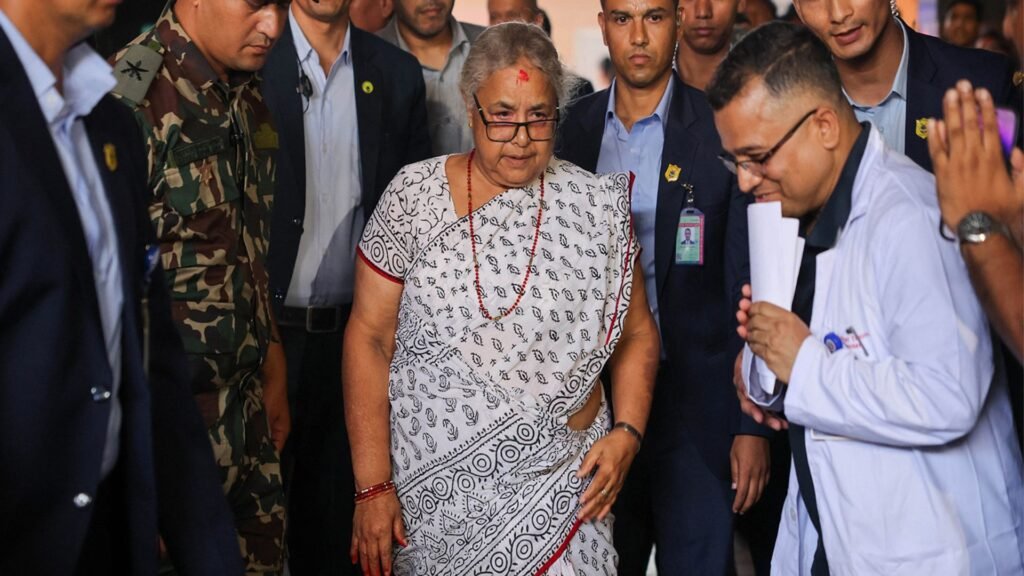
- Nepalese Gen Z Discord users elect Mrs. Sushila Karki as the interim Prime Minister of Nepal.
As Nepal’s first female Prime Minister, former Chief Justice Sushila Karki assumed power with one objective: maintaining order until a transparent snap election could be held.
- March 5, 2026: Karki successfully executes the Snap Election, resulting in the current Balen-led mandate and the official end of the Big Three era.
March 6 – 7, 2026: If Balen’s RSP Wins Nepal’s General Election
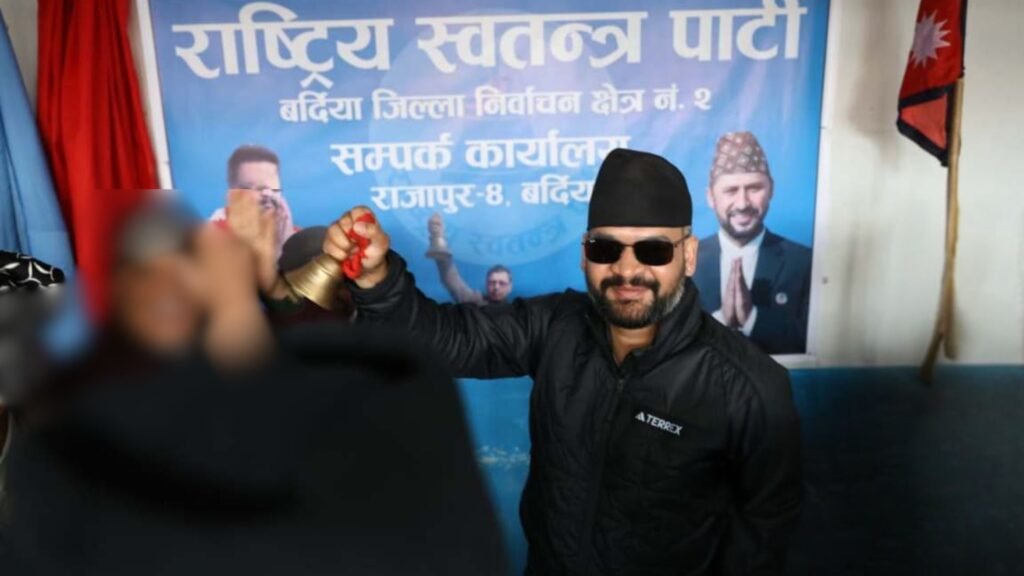
March 5, 2026, Nepalese voters delivered their final verdict. In the election’s most high-stakes battleground, Balen Shah ran from Jhapa 5, the long-standing fortress of former Prime Minister KP Sharma Oli. By directly challenging and ultimately heading to defeating the titan of the old guard in his own home turf, Balen proved that the freestyle revolution had reached every corner of the country.
This victory was bolstered by his strategic partnership within the Rastriya Swatantra Party (RSP). Combining his technical Engineering Logic with the media-driven, aggressive transparency of Rabi Lamichhane, the RSP has emerged as the single largest party in parliament. Balen Shah is no longer just a rapper or a controversial mayor; he might become the Prime Minister-elect of Nepal.
The Blueprint in Progress: Balen’s Road Ahead
The road ahead for Prime Minister Balen Shah is unmapped; nobody before was able to walk the path he took. Whether he will be celebrated as the savior who finally modernized Nepal or criticized for the opposite, the Nepalese show hopeful eyes.
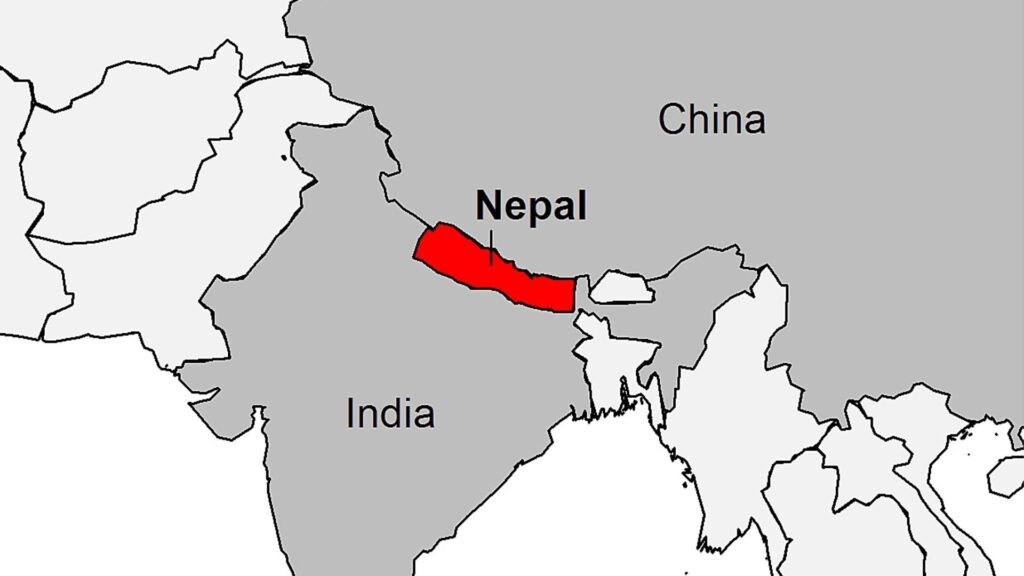
The transition from managing a city to navigating an entire country is complex. Nepal is wedged between giants like China and India on all sides. Keeping up with the nation’s geopolitics will be his greatest stress test yet.
Will his Engineering Logic withstand the pressure of a national parliament, or will he crumble under pressure? Ultimately, only time and the quality of his work will tell if this freestyle revolution can become a stable structure for the future.
The 2026 Snap Election: Preliminary Standings
As of the afternoon of March 6, the data shows the dramatic shift in the House of Representatives (275 total seats). While Proportional Representation (PR) votes are still being processed, the First Past The Post (FPTP) leads tell the story of a landslide. Rabi Lamichhane has already won from his territory. The citizens are already seen celebrating Balen and RSP’s unprecedented victory.