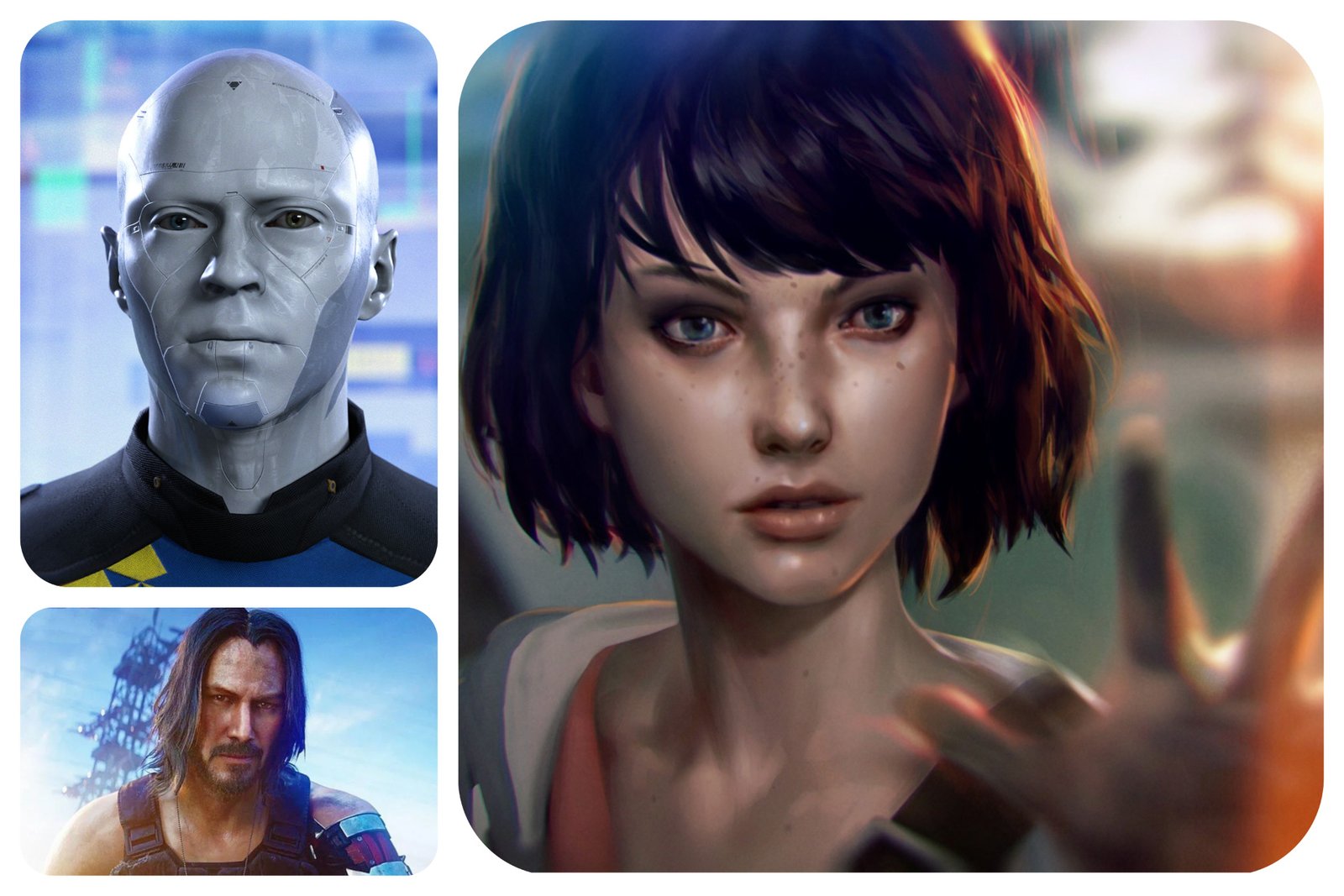
We’ve all been there: a game promises that “your choices matter,” only for you to realize ten hours later that picking the one dialogue option over another just leads to the exact same cutscene. It’s quite the narrative letdown. But every so often, a developer stops treating choice as a marketing buzzword and starts treating it as a weapon.
In 2026, the bar for reactive storytelling is higher than ever. From world-altering political shifts, to the quiet, devastating death of a companion you swore to protect, these eight games prove that the most powerful tool in your arsenal isn’t a gun or a sword – it’s your choices.
8. Baldurs Gate 3
(PC, PS5, Xbox Series X/S, macOS)
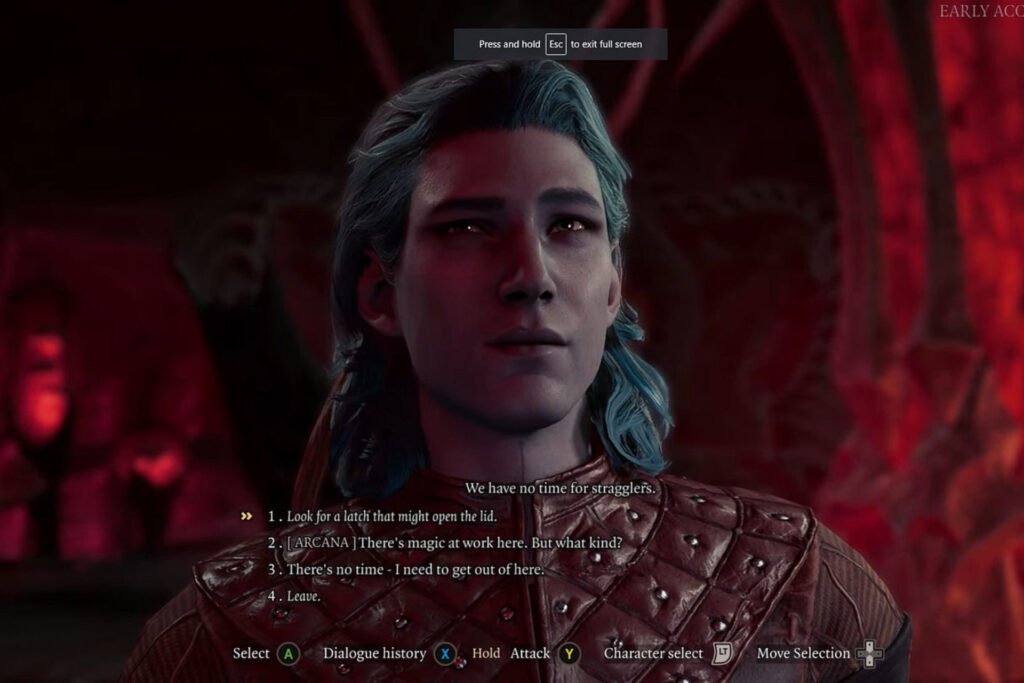
It’s almost impossible to talk about choice without starting here. Baldur’s Gate 3 doesn’t just give you a few branching paths; it gives you a sprawling, tangled web of cause and effect that feels alive. A split-second decision to spare a minor NPC in Act 1 can ripple forward dozens of hours, manifesting as a crucial ally (or an enemy) in the final siege of the city.
The personal flair of BG3 is that it respects your failures as much as your successes. If you fail a dice roll or make a bad moral call, the game doesn’t just end. You have to live with the blood on your hands, watching as your companions react with disgust or heartbreak. It’s a game that makes you feel the weight of being a leader, where “the right thing” is often hidden behind layers of gray.
7. The Witcher 3: Wild Hunt
(PC, PS4, PS5, Xbox One, Xbox Series X/S, Switch)
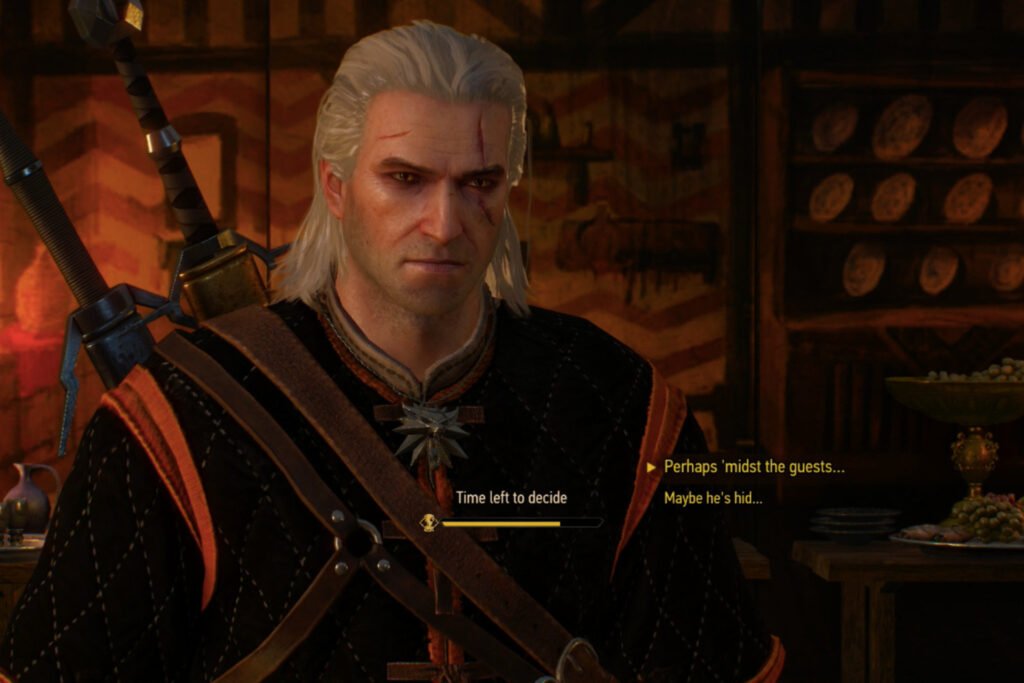
Geralt of Rivia isn’t a hero in the traditional sense; he’s a professional, and The Witcher 3 treats your choices with cold, mercenary realism. The brilliance of this system lies in its delayed consequences. You might save a village from a monster, only to find out days later that the entity you released was actually a greater evil that slaughtered a neighboring town.
There is a famous sequence involving Ciri’s fate that hinges not on a grand final battle, but on how you treated her during small moments. Did you let her vent her frustration by having a snowball fight, or did you lecture her? It turns parenting into the most impactful mechanic in the game, proving that in a world of dragons and sorcerers, it’s the human connections that ultimately decide the fate of the world.
6. Cyberpunk 2077: Phantom Liberty
(PC, PS5, Xbox Series X/S)
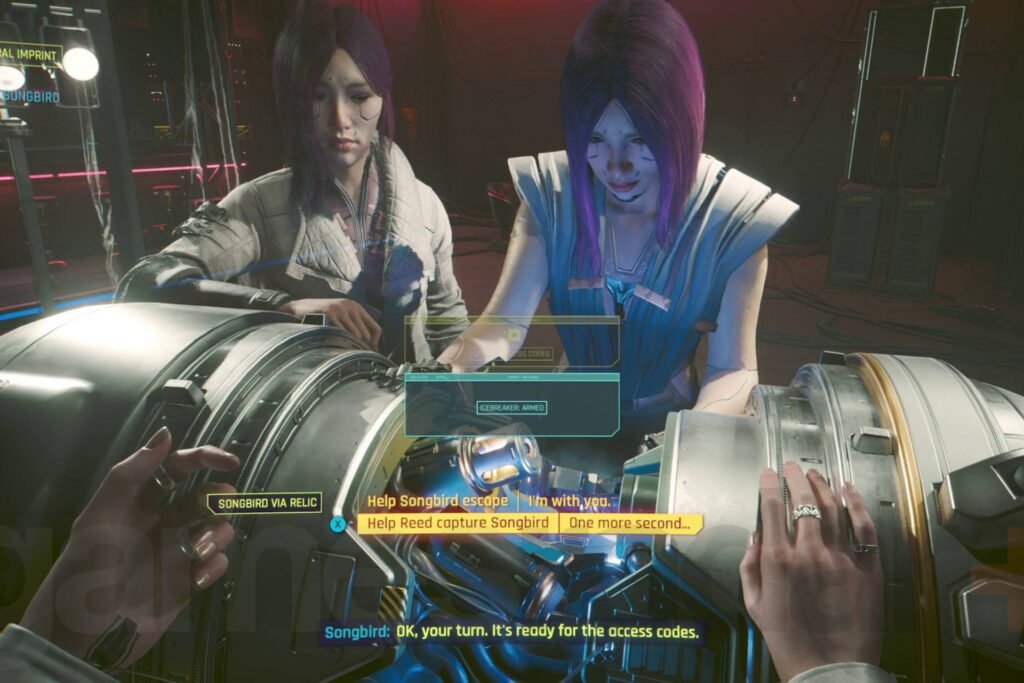
While the base game of Cyberpunk had its share of choices, the Phantom Liberty expansion narrowed the focus into a tight, suffocating spy thriller where every word feels like a landmine. The choice between siding with the fugitive netrunner Songbird or the veteran agent Solomon Reed is a shift in the game’s identity.
Each path leads to entirely different final missions, unique bosses, and radically different outcomes for the characters involved. There is no “golden ending” here. Someone is going to get hurt, someone is going to feel betrayed, and you’re the one who has to pull the trigger. It’s a masterful look at loyalty and the high cost of survival in Night City, leaving you staring at the credits, wondering if you were the hero or just another corporate pawn.
5. Detroit: Become Human
(PC, PS4)
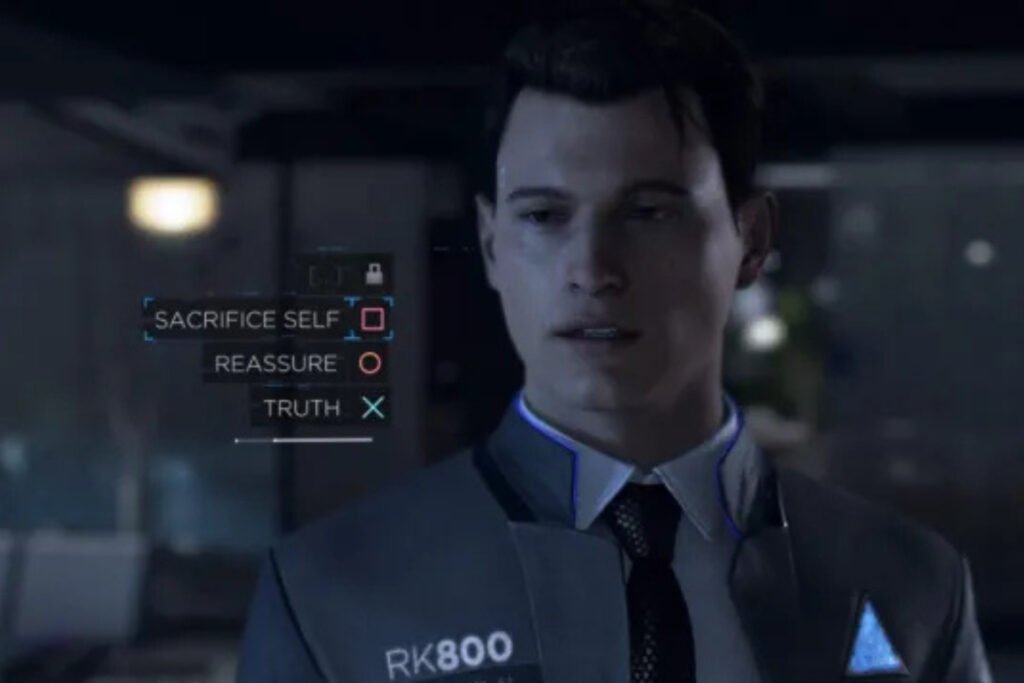
Quantic Dream’s magnum opus is less of a traditional game and more of a massive, interactive flowchart. Detroit: Become Human is unique because it actually shows you that flowchart at the end of every chapter, highlighting exactly where you diverged from other players. You control three androids on the brink of a revolution, and their lives are incredibly fragile.
Unlike most games, your protagonists can die permanently, hours before the story ends. If you mess up a high-stakes negotiation or lose a fight, that character’s story simply stops, and the world moves on without them. This creates a level of tension that few other games can match. Every button prompt feels like a life-or-death struggle because, in this game, it usually is.
4. Until Dawn
(PC, PS4, PS5)
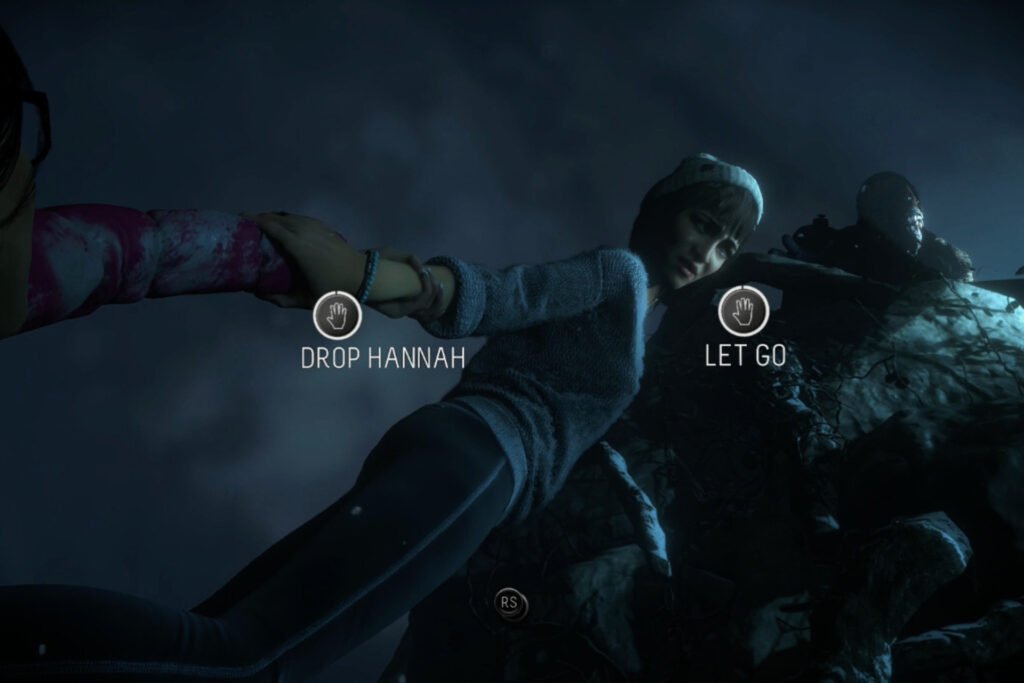
Until Dawn took the “Butterfly Effect” and turned it into a high-budget horror spectacular. The premise is simple: eight teenagers at a remote mountain cabin, and a masked killer on the loose. Your job is to get as many of them to sunrise as possible. The genius is in the mundane; even a choice as small as looking at a friend’s phone or hiding a flare gun can determine who lives and who gets their head crushed by a wendigo later.
It’s the ultimate “what if” simulator. You’ll spend the entire game second-guessing yourself. The game uses an aggressive auto-save system; there are no do-overs. When a character dies because of a choice you made three chapters ago, it’s a gut-punch that stays with you until the credits roll.
3. Heavy Rain
(PC, PS3, PS4)
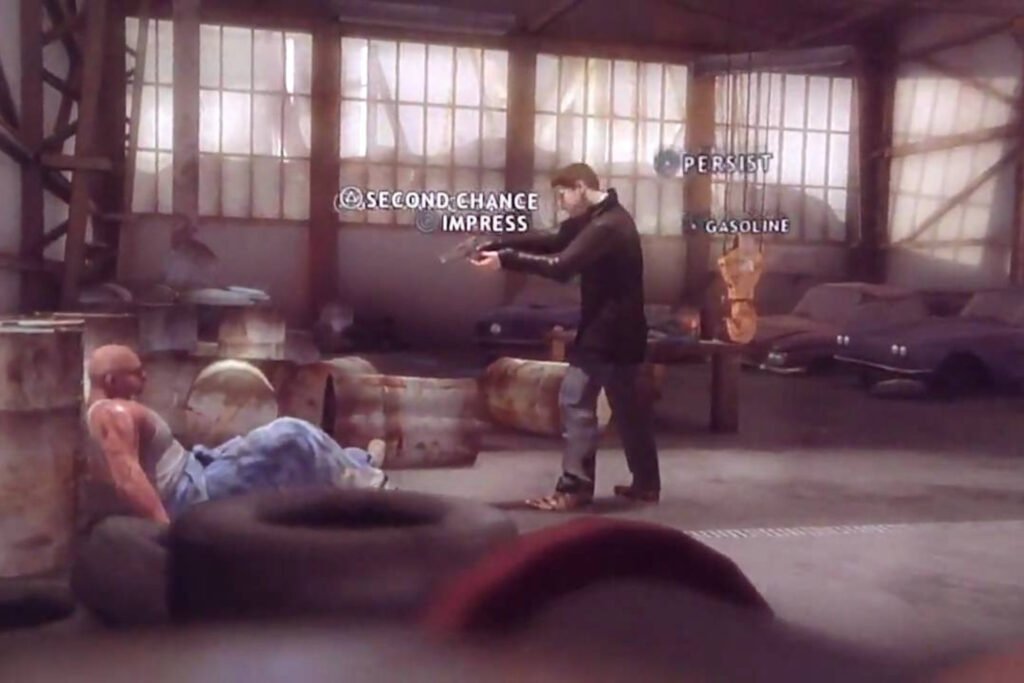
The predecessor to Detroit, Heavy Rain, remains one of the most stressful experiences in gaming due to its “Origami Killer” investigation. You play as four different characters, each with their own stakes in the mystery. The choice system here is deeply physical; you aren’t just picking dialogue. You’re performing the frantic, shaky movements of a father desperate to save his son.
The stakes are personal and harrowing. Can you endure physical torture to get a clue? Will you kill an innocent man to move closer to the truth? Much like Detroit, characters can die, and the mystery can even go unsolved if you fail to piece the evidence together. It’s a dark, rain-soaked journey where the “correct” choice often leaves your character emotionally scarred.
2. L.A. Noire
(PC, PS3, PS4, Xbox 360, Xbox One, Switch)
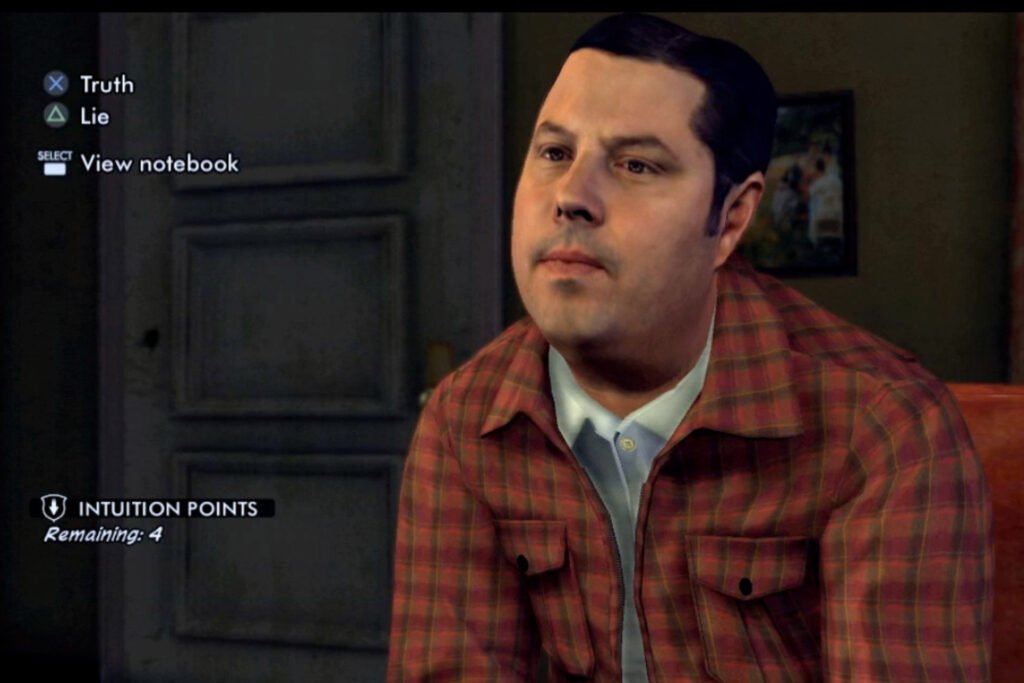
While it’s often remembered for its “Doubt” button, L.A. Noire features a choice system built on observation and intuition. As Detective Cole Phelps, your “choices” are your accusations. If you misread a witness’s facial tick or present the wrong piece of evidence, the case doesn’t reset; you completely fail. You charge the wrong man, you let a killer go free, and your boss screams at you back at the station.
This creates a unique form of immersion because you aren’t just playing a character, but you’re trying to think like a detective. The impact isn’t just in the ending, but in the reputation you build across the city. Seeing a man you wrongfully convicted being led away in handcuffs because you were too lazy to search a trash can is a specific kind of guilt that only L.A. Noire can provide.
1. Life is Strange
(PC, PS3, PS4, Xbox 360, Xbox One, Switch, Mobile)
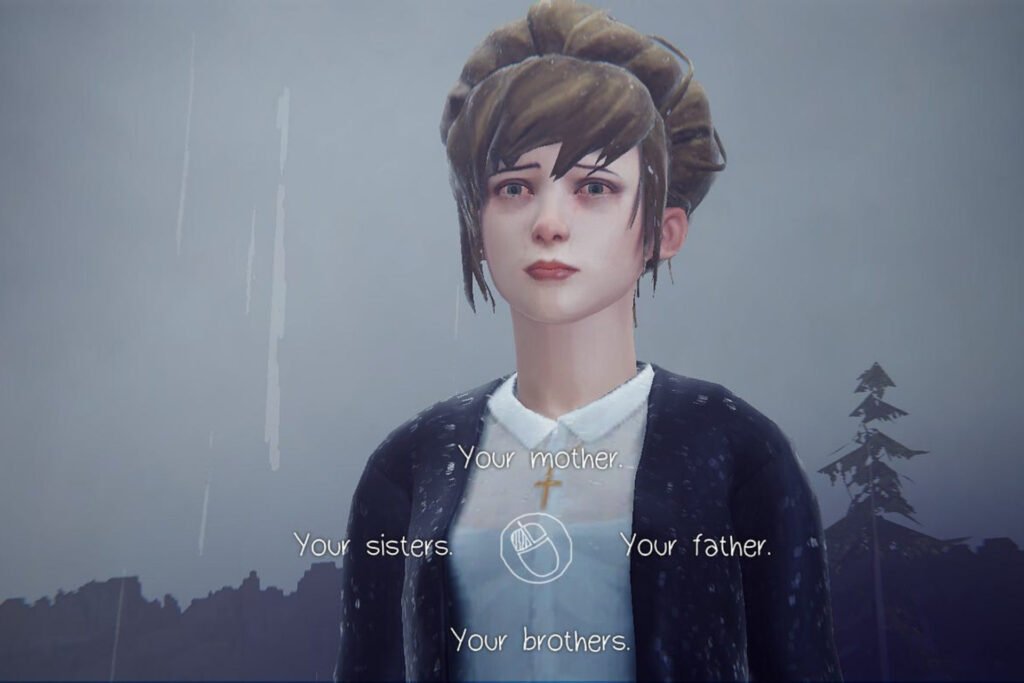
The game that made “This action will have consequences” an iconic phrase. Life is Strange gave you the ultimate choice-enhancing tool: the ability to rewind time. You’d think this would make choices easier, but it actually makes them harder. Being able to see the immediate result of both options only highlights that there is rarely a perfect path.
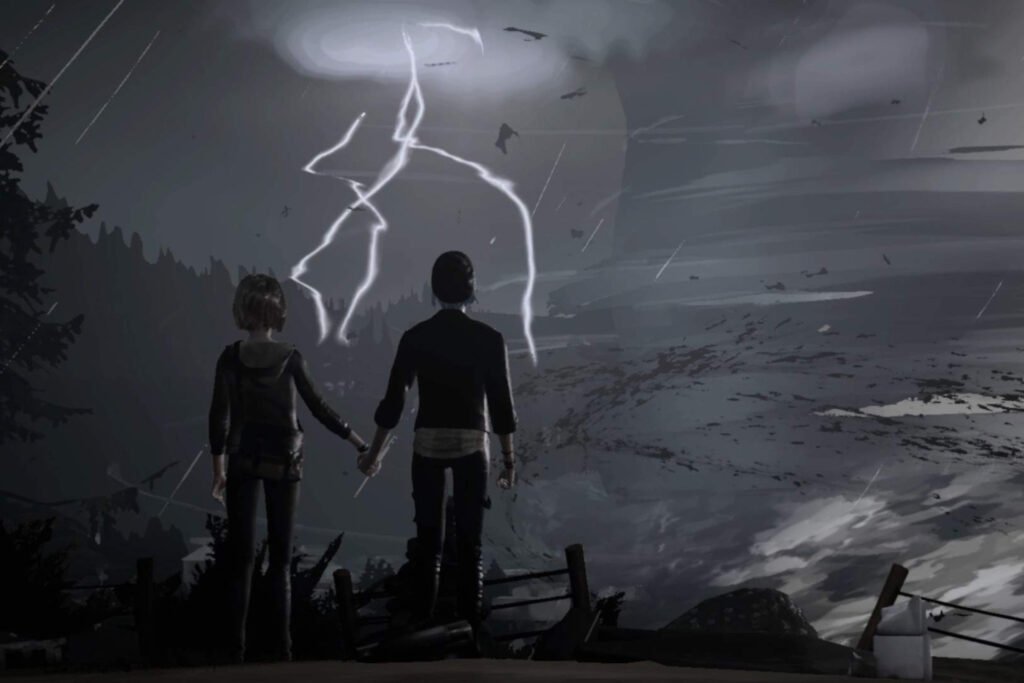
By the time you reach the final, agonizing choice in Arcadia Bay, the game has spent hours making you fall in love with its characters. It turns the choice system into an emotional meat grinder. It’s not about which choice gives you the best loot or the coolest ending; it’s about which version of yourself you can live with when the game ends.
Ultimately, these games prove that “winning” isn’t always about the highest score or the best gear; it’s about the narrative you can live with.
These titles remind us that the most memorable moments in gaming are the ones where we had to stop, put down the controller, and think. They turn us from players into participants, making the virtual world feel just a little bit more real with every agonizing decision.