
Fantasy is a genre that regularly features big series. Readers are no longer intimidated by them. In fact, they actively seek them out. The promise of a world large enough to disappear into for months, sometimes years, is part of the appeal.
Length is what tranforms a narrative into a world. It’s a journey that starts on several books, continues on wikis and youtube lore videos in the middle of the night. We live in a time where fans can litteraly find channels focused on a single universe, and extend their stay in the world they chose.
Length, however, is not enough to justify a good series. There are other requirements to keem the commitment alive for dozens of hours.
The series we selected below are the ones that prove longevity can be a strength, and a real threat to your time and bank account.
The Wheel of Time by Robert Jordan
Number of volumes : 14
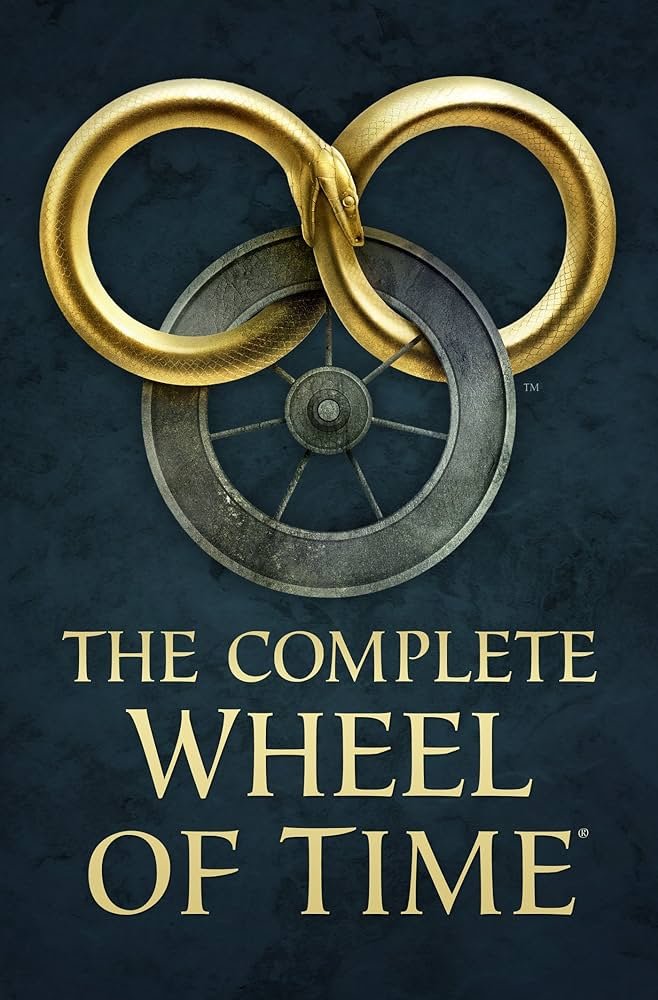
This series is almost a mandatory item of this list. Not only is it foundational in modern fantasy, but it’s also a series that made a lot of us discover Brandon Sanderson for the first time.
What I love with this series is how it evolves from a seemingly simple and familiar rural-boy-chosen-by-destiny trope to a wide cosmological and political tapestry. The cas is enormous. The characters undergo dramatic changes that a lot of series fail to emulate.
Now that it’s finished and even adapted on screen, new readers can experience the joy of binge reading through this world, which is a joy that a lot of fans would have loved to experience in the first place. If you haven’t read it, look no further, this one’s the one.
Discworld by Terry Pratchett
Number of volumes : 41
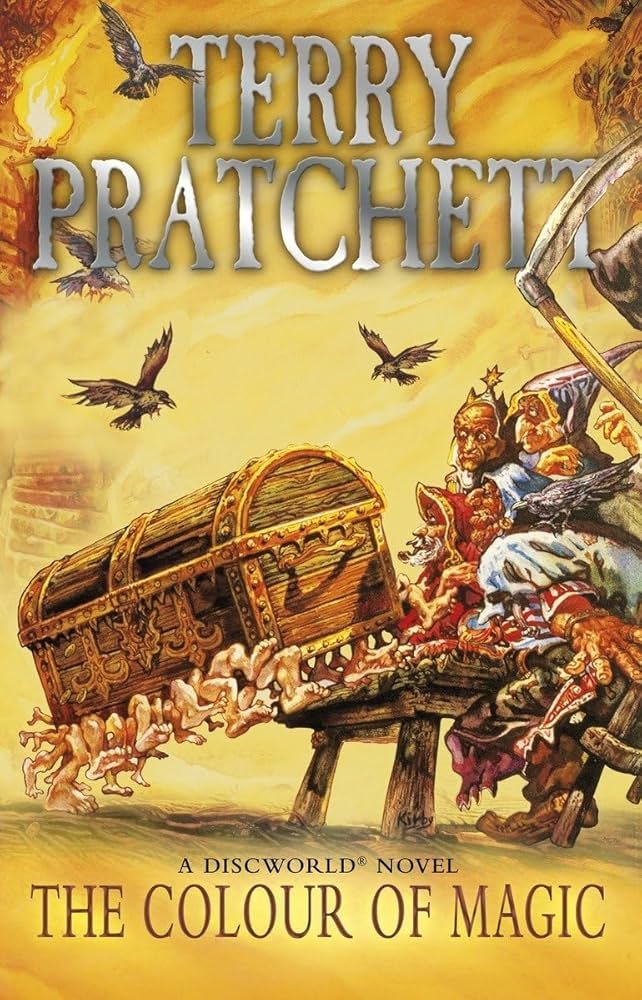
This one is another compulsory monumental series that extended on more than forty volumes published over three decades. Thankfully, readers are under no obligation to read them in publication order, as a lot of them work very well as standalones.
There’s a lot to say about Discworld as a whole, but maybe the most important thing is Pratchett’s witty writing and humor. Discworld is full of satire and absurdity, it’s the charm of the series. Behind that witty fun hide sharp comments on society, politics, bureaucracy, religion, technology and progress.
It’s not a series about a cycle, a quest with a clear ending or apocalyptic threats. It’s more of a world made for delightful and witty comedy which never fail to sustain interest and joy. My recommendation would be to read at least one of them. And to be even more specific, Going Postal is pretty great.
The Belgariad and The Malloreon by David Eddings
Number of volumes: 10 (combined)
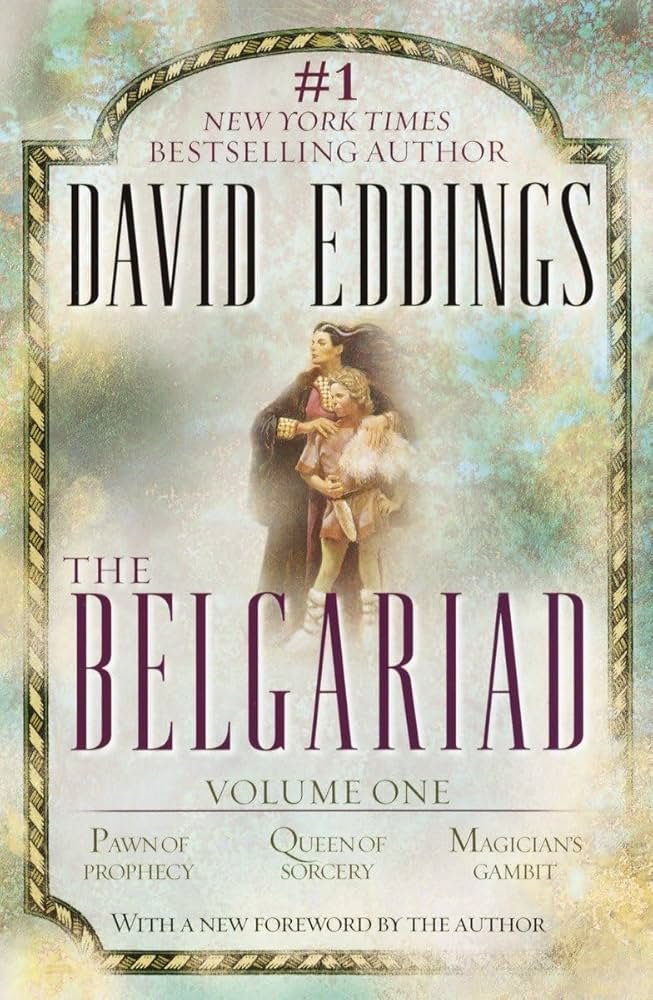
Taken together, The Belgariad and The Malloreon form a ten-book epic that introduced countless readers to long-form fantasy. While each sequence stands on its own as a five-book arc, they function best as one continuous saga.
Eddings never tried to disguise the machinery of epic fantasy. We have our farm boy with a hidden destiny. There is a sorcerer guide. There is an ancient evil. The prophecy is crystal clear. The quest is linear. In many ways, the series feels like a conscious embrace of archetype rather than an attempt to subvert it, and it’s alright: we’re here for this.
That clarity is precisely why it works. The characters are vivid and consistently engaging. The group dynamic carries the narrative forward with humor and rhythm. The world expands steadily without becoming overwhelming. When the second cycle begins, it knowingly mirrors the first, echoing earlier events while escalating the stakes, almost as if the story is retelling its own myth in a grander register.
By contemporary standards, the prose is straightforward and the moral universe sharply defined. But these books were never about ambiguity. It was always about the simple pleasure of unfolding a legend.
The Dresden Files by Jim Butcher
Number of volumes : 18
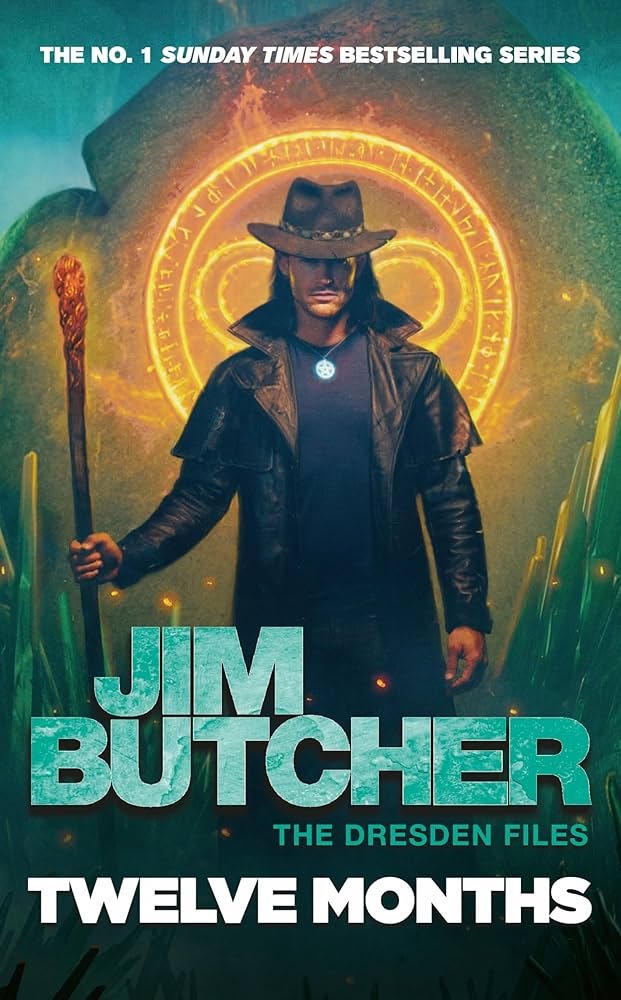
This is a series that I’m glad to see that it’s ongoing. The Dresden Files is pretty unique in that list, as of its subgenera and how foundational it was.
Harry Dresden is a wizard in modern-day Chicago. He advertises openly, helps the police and gets beaten up regularly in a classic Neo-noir fashion. The first few books read like supernatural detective stories with a sarcastic narrator who cannot catch a break.
Slowly, the stakes have grown. The faerie courts become more complex. The vampires stop being background monsters and turn into political powers. The series started as monster-of-the-week urban fantasy and became a long-running mythos with continuity and trauma.
This shift is fantastic. I think that most people came in for the unique premise, but most of the readers who are waiting for the 18 volume coming out this year are waiting to read about the characters they care about. The stakes are now emotional.
Malazan Book of the Fallen by Steven Erikson
Number of volumes : 10
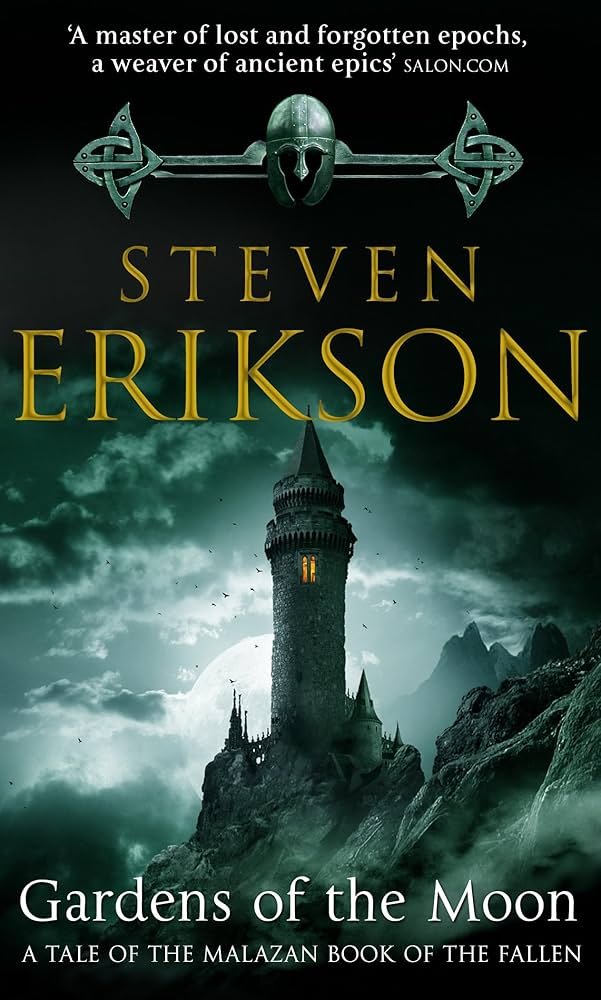
Malazan has a special feel to it. The reason behind this might be that Erikson and Ian C. Esslemont originally built the setting as the backdrop for tabletop roleplaying campaigns in the early 1980s, first through a modified Advanced Dungeons and Dragons setup, then later using GURPS as the world expanded.
I think this is the origin of the uniqueness of this saga. Power never feels gratuitous, and I love it. Magic has weight, armies have inertia, empires have supply lines, in other words, it’s consequential. Erikson’s background in archaeology and anthropology pushes the worldbuilding beyond common lore into something that feels more stratified.
Which leads me to a warning. This series does not hold your hand. It’s not the easiest one of this list, and tends to be a little dense. But it’s well worth the commitment.
The Chronicles of Amber by Roger Zelazny
Number of volumes : 10
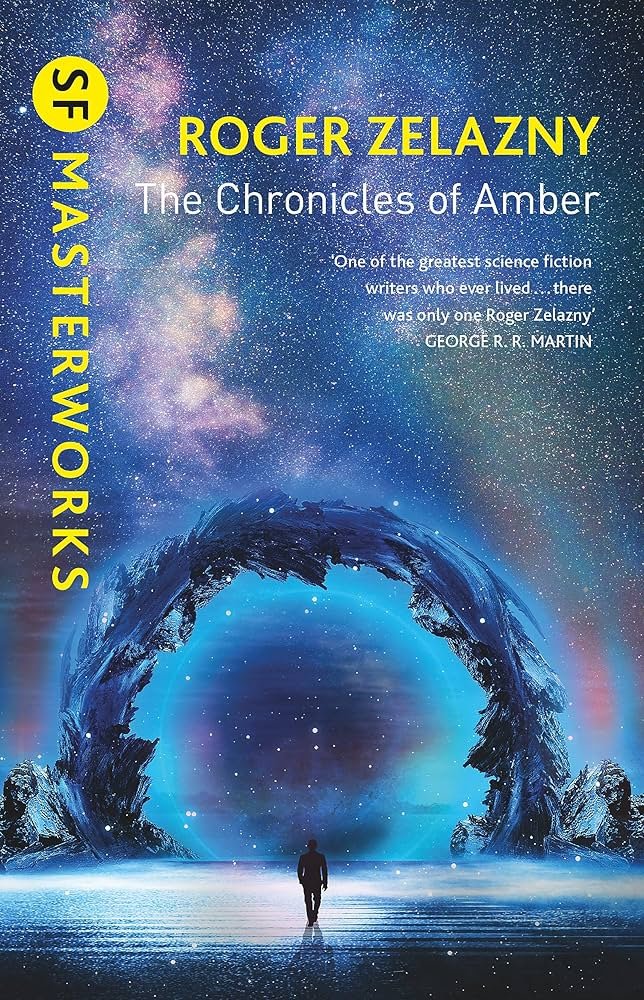
Like the Belgariad and the Starlight Archive, this series is divided into two five-book arcs. This series might sound a little outdated or less popular than other items of this list, but I think it deserves its place. Long before multiverse storytelling became fashionable, Zelazny was already playing with infinite parallel worlds, to the point that this feature became the main thing it’s remembered for.
The core idea is simple. Amber is the only true reality, therefore every other world can be navigated, altered, or rewritten by those who know how to walk the shadows. It gives the series a fluidity that still feels very modern.
Amber is elegant. Each book is pretty short compared to other fantasy series, which makes this series the shortest on this list by word count. But don’t get fooled, this series does deliver a fantastic lore.
The Chronicles of Thomas Covenant by Stephen R. Donaldson
Number of volumes : 10
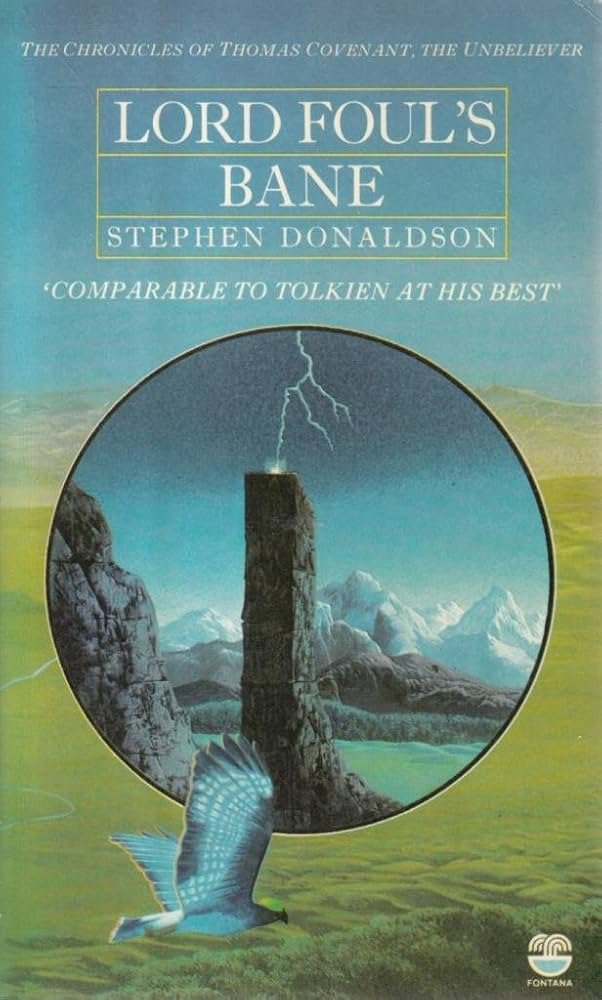
I put this one on the list knowing how polarizing it is. I still think it deserves its place. For those un familiar with Thomas Covenant, this one is not safe. It contains a morally disgusting main character, and he becomes unredeemable right on book one.
For a lot of readers, what Thomas does in book one is enough to throw the book into the DNF list. But Thomas Covenant is made to be about a very uncomfortable unbeliever as a main character. It’s not a book that promotes escapism. On the contrary, Covenant is a morally challenging series that takes the concept of anti-hero to some extremes.
As it’s the most controversial series of the list, I don’t think it’s for everyone. But it will absolutely blow away readers seeking something different, given that they accept a main character that quickly reveals a disgusting self.
Conclusion
This list, like every list, carries some personal bias. I still tried to keep it broad enough so different kinds of readers can find their fix. We have foundational epic. Satirical mega-world. Archetypal comfort fantasy. Urban long-form. Dense, challenging epic. Multiverse classic. Existential anti-hero.
If you choose to commit to any of these worlds, you will not be done in a weekend. You will move in for a while.And if you read on an ereader, you can even find omnibus or single-file editions for some of them. Fourteen volumes suddenly become one intimidating progress bar. Which, honestly, might make it even more tempting.