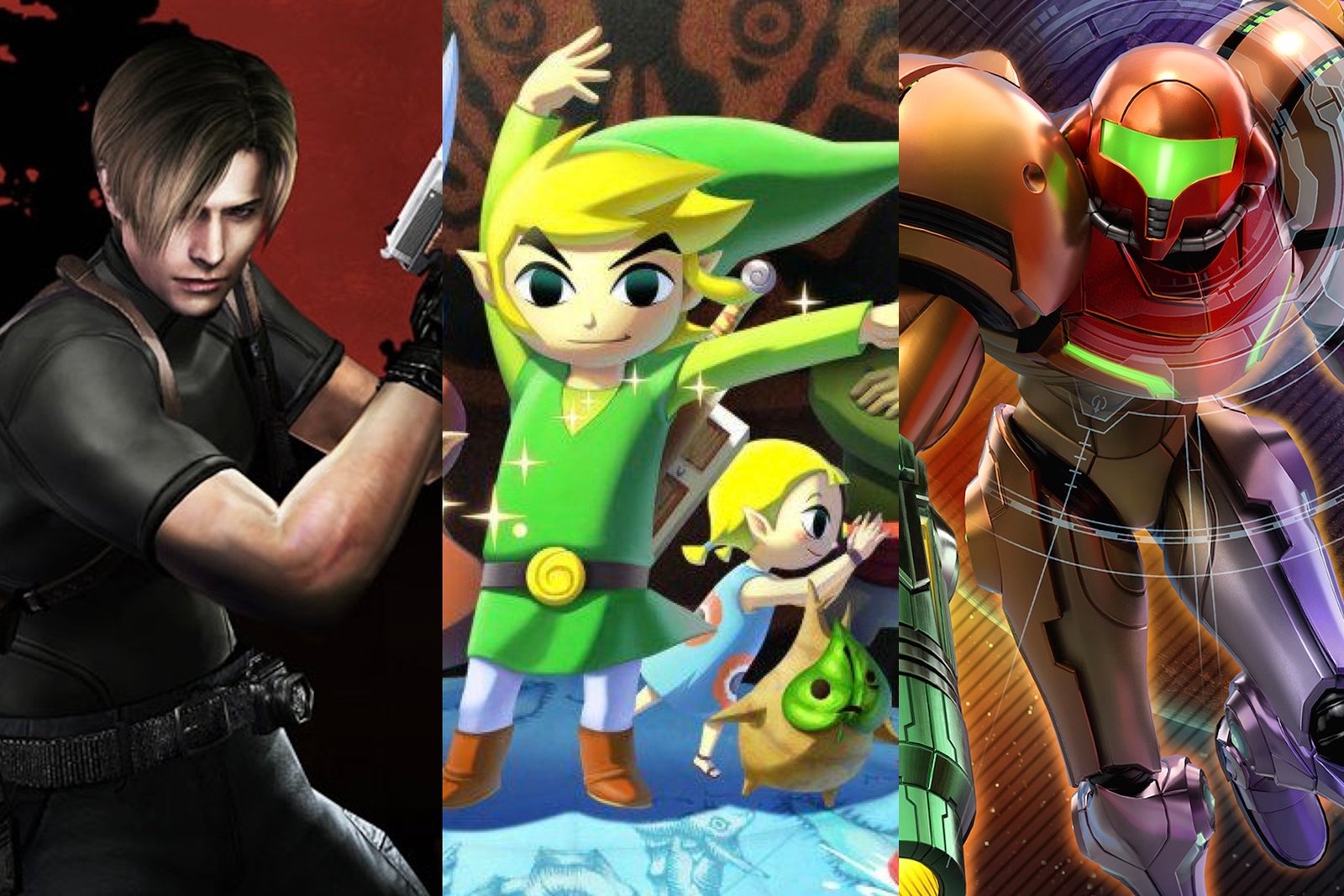
Ahh, the purple lunchbox of frivolity. The divisive GameCube marked a major crossroads for Nintendo in a myriad of ways — on the one hand, it severely underperformed in the market, fizzling out while Sony’s PlayStation 2 went on to become the bestselling home console of all time. So sizable was this defeat, Nintendo reinvented the wheel with their next system, the Wii.
On the other hand, its comparatively modest library offers some gems that have stood the test of time to this day. For some longstanding franchises, their GameCube entries are touted as their absolute peak, and a handful of notable licenses made their start here, to boot.
Trying to condense its greatest games to just 10 is a rather steep proposition, because there are a lot that will be left on the outside looking in. But someone’s got to do it, and dang it, that someone is us. So be brave, be weird, and be ready to embrace The Nintendo Difference.
10. Mario Kart: Double Dash!!
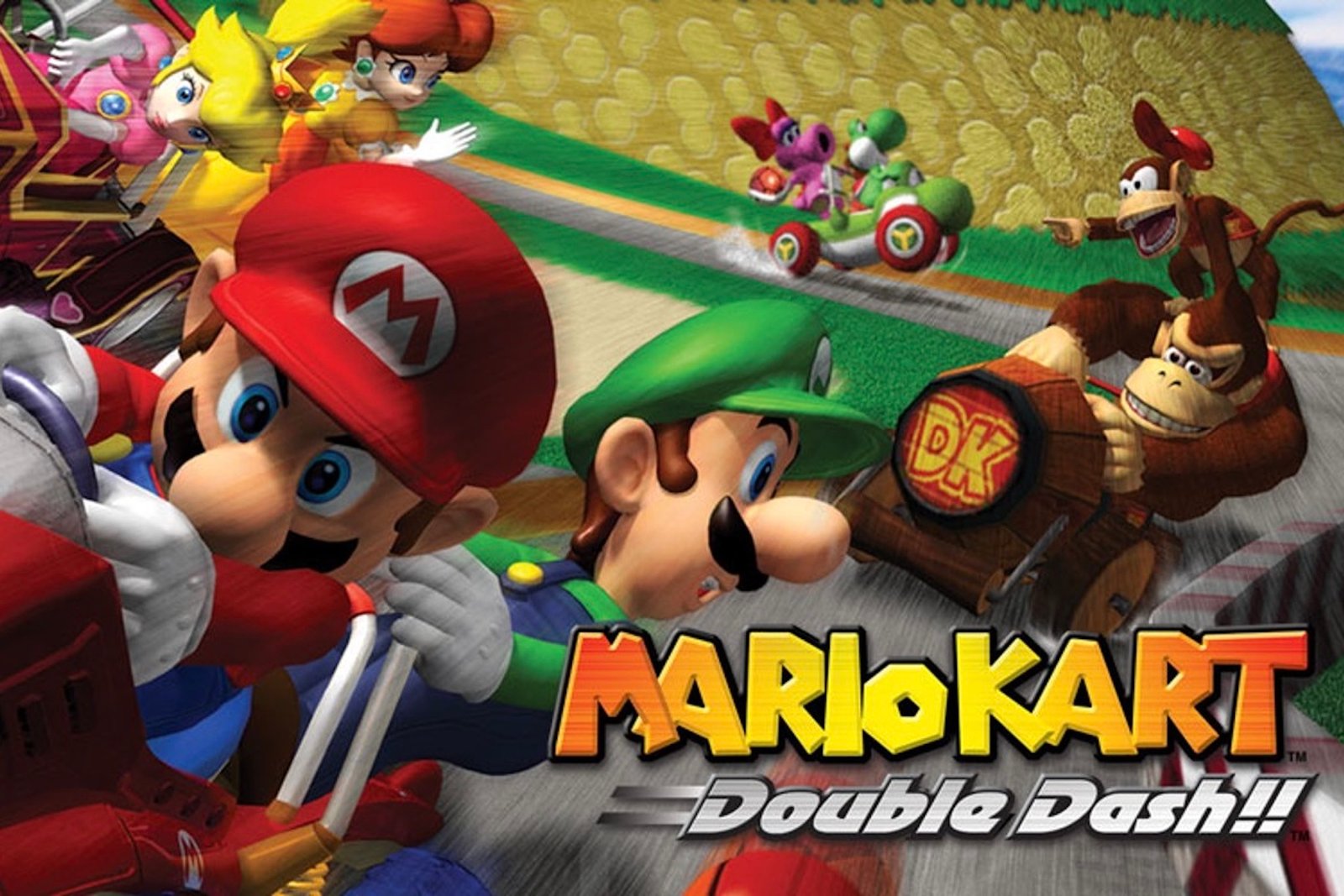
For a franchise as surefire as Mario Kart, Nintendo weren’t afraid to try something completely new with its fourth entry. True to its name, Double Dash assigned two characters per kart, allowing players to freely switch between the pair in order to stockpile items or utilize their unique weapons.
As the first game in the series to utilize full 3D models, Double Dash ramped up the mayhem to the umpteenth degree. The simplistic track design of Baby Park is nothing spectacular when it resurfaces in later Mario Kart games, but in the Double Dash days, it was peak: bombs exploding at every angle, Yoshi eggs whizzing by your head, and a gargantuan Bowser shell mowing down everything in its path. Carnage at its finest!
While many new gimmicks have been maintained throughout Mario Kart, Double Dash remains unique as a gameplay experience thanks to its dual-rider system. If you were one of the few out there with a LAN setup and managed to arrange a full 16-player bonanza, you were living the dream.
9. Soulcalibur II
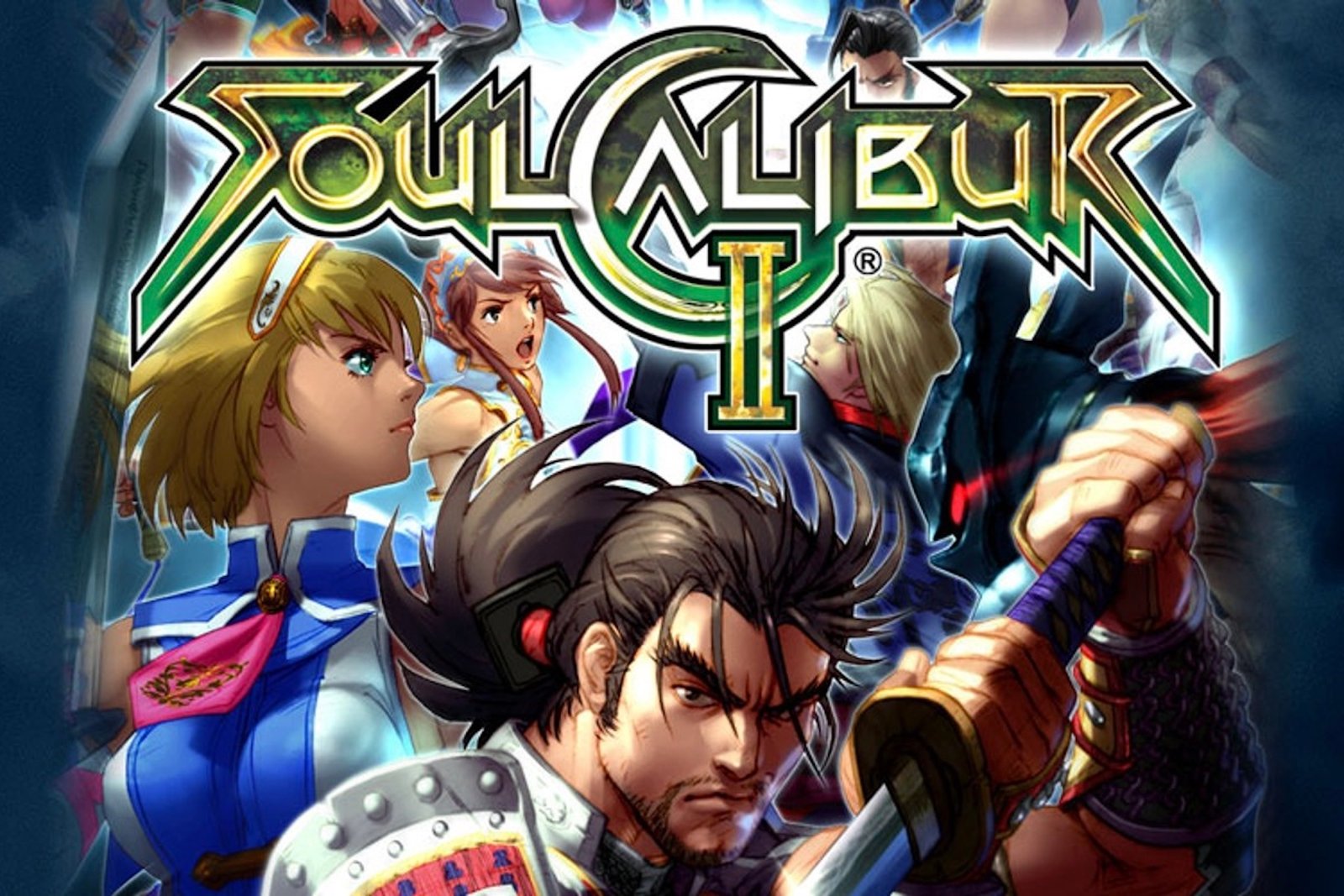
The GameCube wasn’t exactly the preferred platform for multiconsole releases, often owing to its unique controller that made more conventional third-party games somewhat awkward.
How, then, was the weapon-based fighting title Soulcalibur II a must-have on Nintendo’s hardware? The answer is a handsome man clad in green.
It’s Tingle Link, of course! Each console received exclusive guest characters, and while the alternatives were exciting in their own right (Heihachi from Tekken for PS2 and Todd McFarlane’s Spawn on Xbox), few can generate hype quite like the Hero of Time.
Even without factoring in Link, Soulcalibur II is one of the most gorgeous and satisfying fighting games on the console. Battles flow with a cinematic resonance, and each combatant plays entirely unlike the others.
8. Animal Crossing
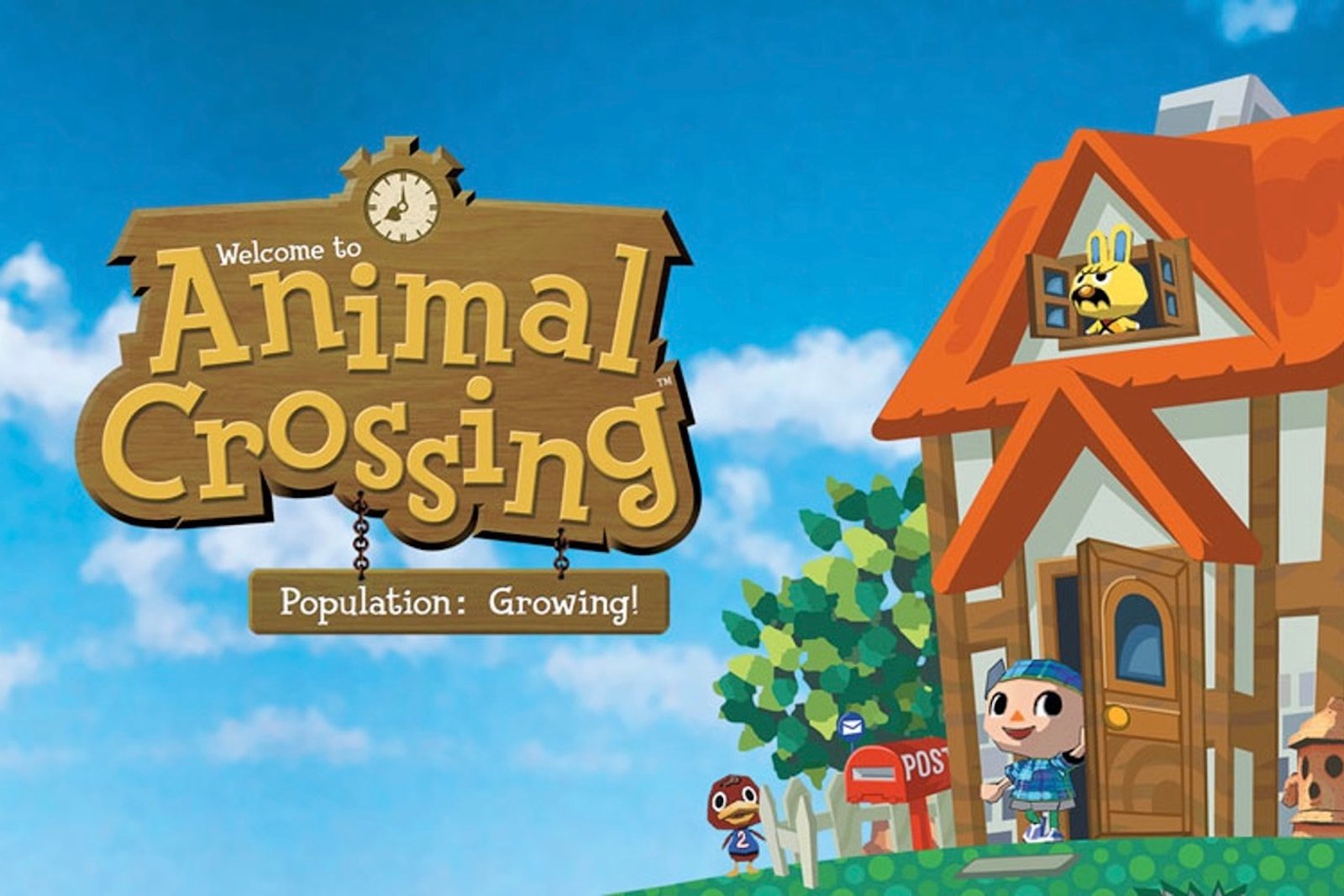
Nowadays, Animal Crossing is one of Nintendo’s juggernauts, pulling in huge numbers on the Switch and mobile alike. But back when it debuted, it was a risk that was considered perhaps too niche for the western market.
First released as a Japan-exclusive N64 title, Animal Crossing introduced us to the sleepy world of Tom Nook and friends. Utilizing the GameCube’s built-in clock, days proceeded in real time as players explored the town at their leisure.
You could pull weeds and catch fish to beautify your burgh and pay off the debt for your new house, sure. Or you could just chase after Freckles the duck with a bug net until she skipped town in a panic. I opted for the latter, and rarely in gaming did I feel such a sense of oneness. This was my little reality, with my little animal friends, that I could access whenever I wanted.
As an aside, the dialogue of your neighbors was also a fair bit more unhinged in the GameCube entry. These animals were not about to hold back on how they felt about your stupid shenanigans.
7. The Legend of Zelda: Twilight Princess
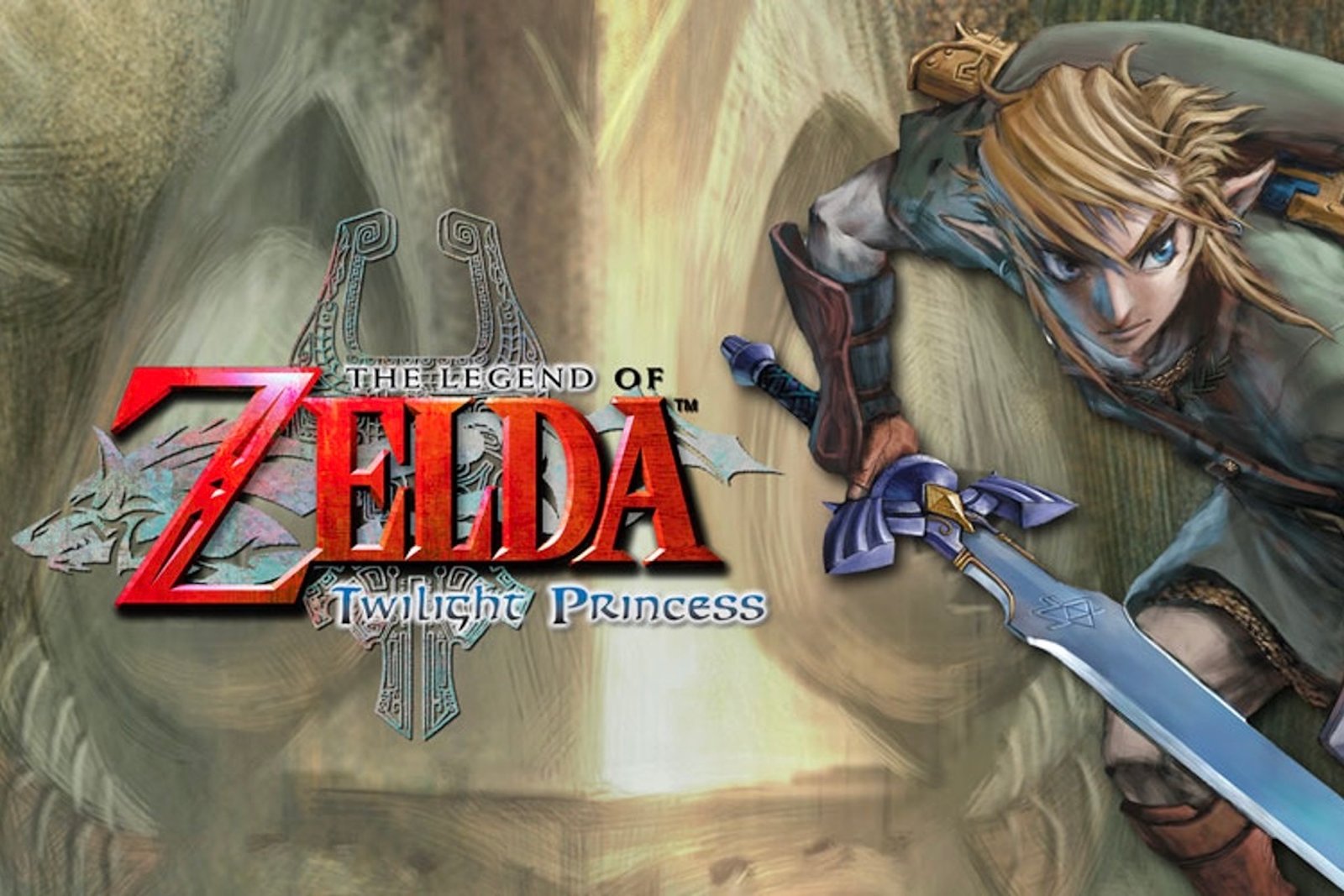
As far as console swan songs go, you can scarcely do better than this. Following the mixed reception to The Wind Waker’s pivot to cartoony, cel shaded visuals, Twilight Princess delivered what fans had long yearned for: a mature Zelda game that took full advantage of the GameCube’s graphical prowess.
Eschewing the bright, mirthful palette of its predecessor, Twilight Princess opted for a much darker tone. Thrust into the skirmish of the Twilight Realm, Link finds himself taking on a lupine form, with only the aid of an enigmatic imp-like creature named Midna.
Although it never truly reaches the heights of Ocarina of Time, Twilight Princess is perhaps the formula of a 3D Zelda game at its most fully realized. It boasts some of the most dynamic boss fights in the series, and its gritty character designs remain favorites to this day.
The only reason it doesn’t rank higher on this list is that it is better known for its Wii version, though that edition comes with the caveat of incessant remote waggle.
6. Pikmin
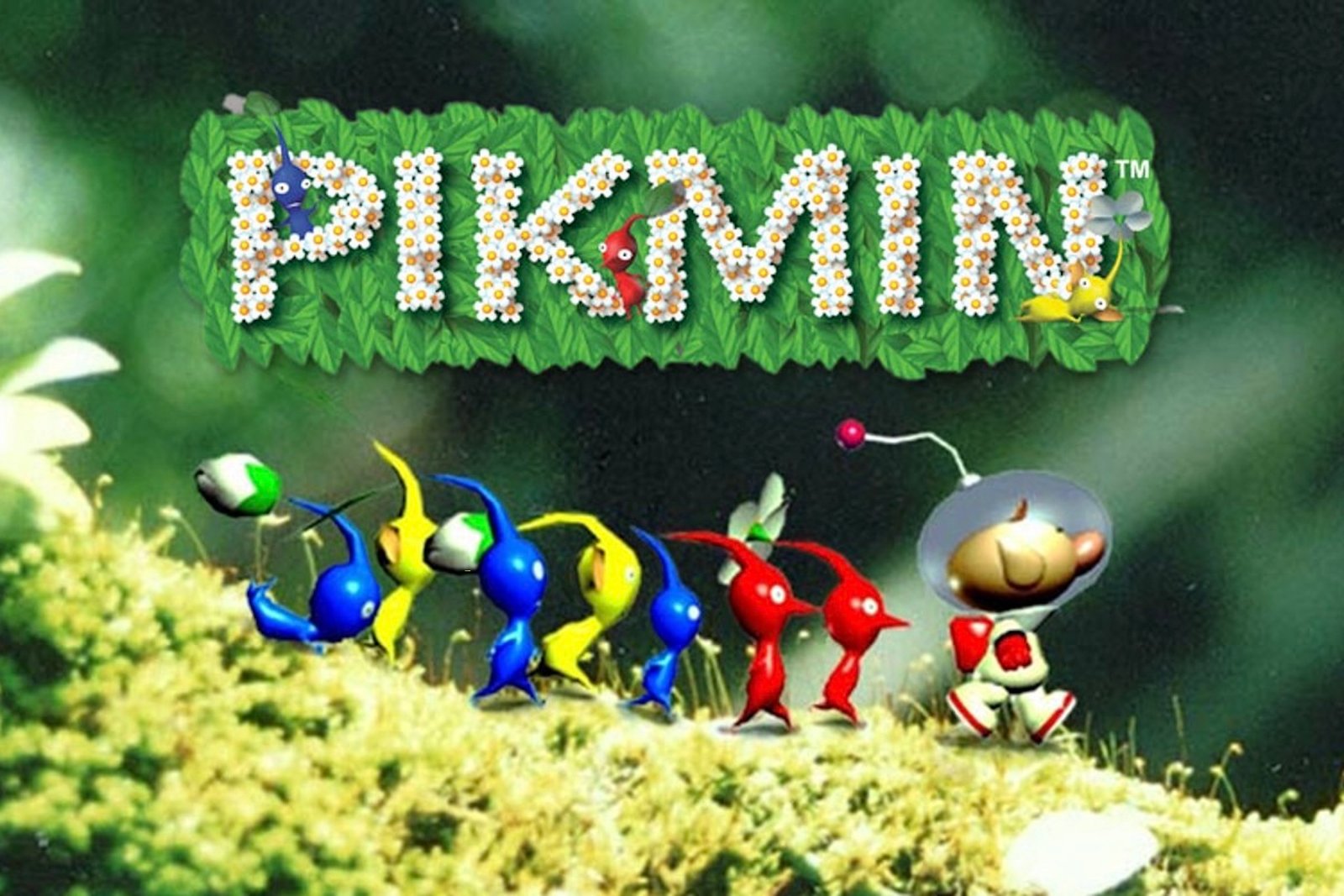
It is unlikely that Pikmin will ever break into Nintendo’s A-tier in the same way Animal Crossing has managed to. And yet, it remains one of the most special, irreplaceable members in the Nintendo echelons.
Effectively a real-time management sim, Pikmin places us in the role of the stranded Captain Olimar. His spaceship has crash landed and he only has 30 days worth of life support remaining. He’s functionally useless himself, but thankfully, he can utilize the skills of the local fauna to assist in his quest to fix his ship in time.
Traversing the extensive biomes and working out which variation of the three eponymous Pikmin to deploy is equal parts whimsical and horrifying. You might leave a battalion to their devices while they tear down a wall, only to find that they had been gobbled up by a rampaging beast in your absence.
Its 2004 sequel Pikmin 2 is also excellent, adding two new Pikmin types and underground caverns. Without the 30 day time limit, it’s not nearly as stressful or focused, and for that reason, we gave the nod to the original for this list.
5. The Legend of Zelda: The Wind Waker
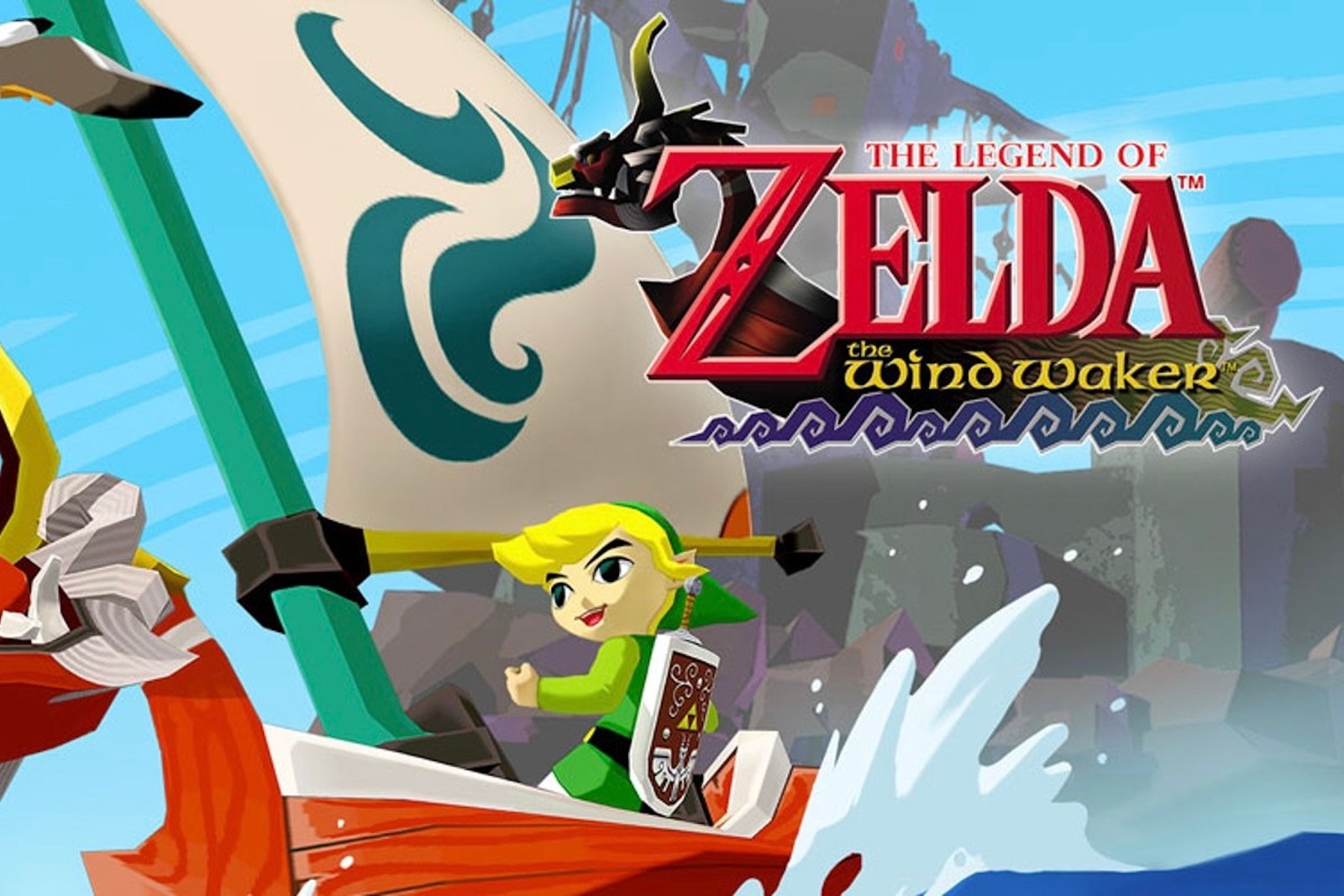
As previously established, The Wind Waker took Nintendo’s flagship franchise in a bold new direction that wasn’t universally accepted. Following the sprawling adventure of Ocarina of Time (and even more so, its dread-inducing follow-up, Majora’s Mask), Wind Waker looked like a potential step back in immersion.
We all know of course that this was not the case, and exploring the vast ocean of the flooded Hyrule made us feel alive with its grandeur. As goofy and playful as Link looked, he was up against some truly sinister foes, and let’s not forget the way he iced Ganondorf in the finale by plunging the Master Sword directly into his skull. Dang, little dude, that was harsh!!
For those with a hankering for side-quests, Wind Waker is a soggy playground of treasures, offering almost 50 unique islands to visit. There’s just so much to see and do, from start to finish. This was a landmark title that stakes its claim as one of the best in this esteemed franchise.
4. Resident Evil 4
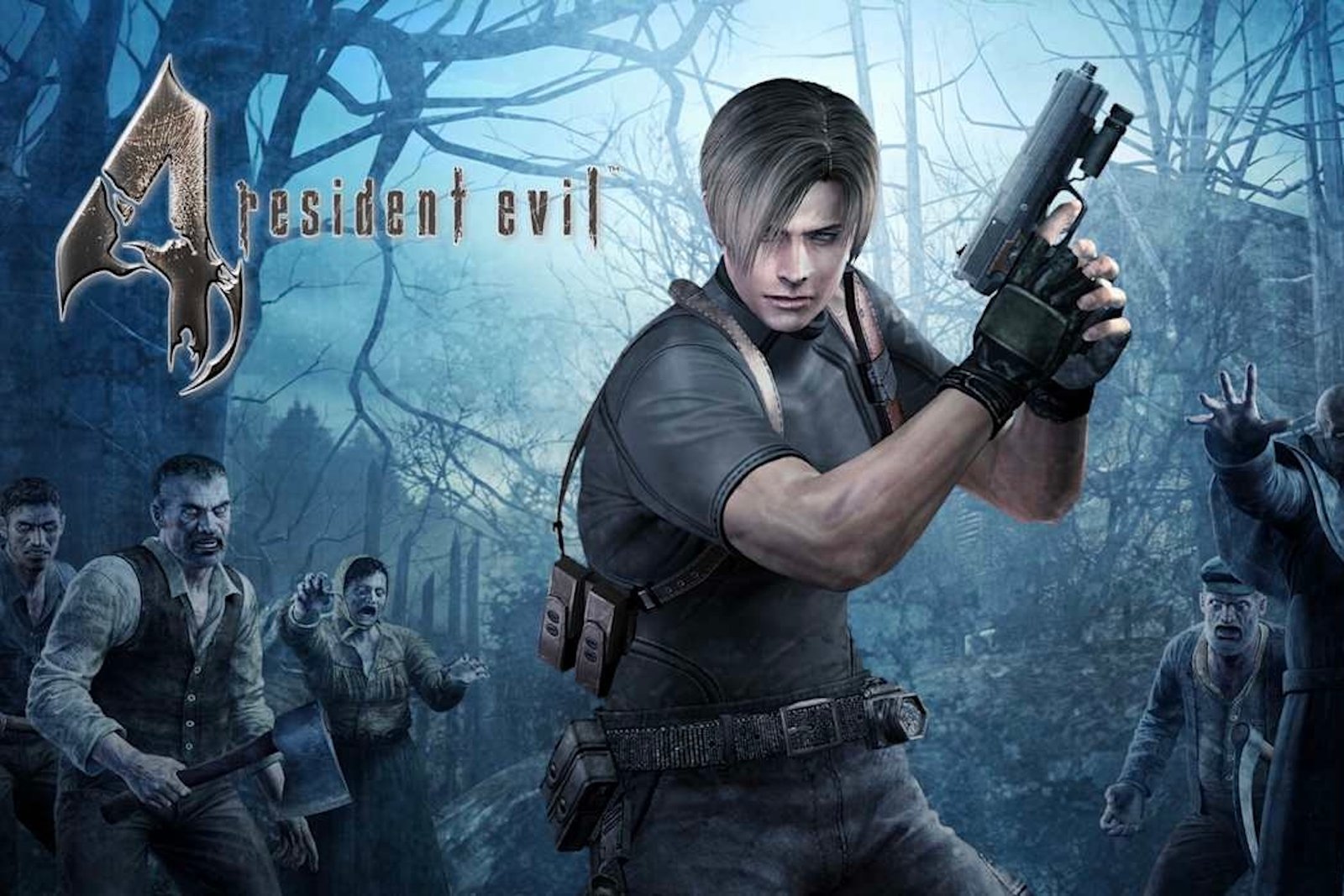
As much as we’ve spoken of this era being a tumultuous one for Nintendo, the same could be said for the crown jewel of survival horror.
After the admittedly excellent remake of the original Resident Evil fell short of its sales targets, Capcom had to completely reconfigure what the franchise was all about. Gone were the zombies, gone were the fixed camera angles, and gone was the emphasis on tension. Now, it was all about Leon Kennedy suplexing cultists and reeling off one-liners, baby. This ain’t no bingo night!!
Shifting gears to a third person action game, Resident Evil 4 was important to the industry as a whole. In reigniting a flagging license, it also set the template for the genre that is still being followed to this day.
It’s a rollicking thrill ride of hideous beasts, quicktime events, and cheesy melodrama that offers real bang for your buck. To many, it remains entrenched as the greatest Resident Evil game, and to some, it’s superior even to its 2023 remake.
3. Paper Mario: The Thousand-Year Door
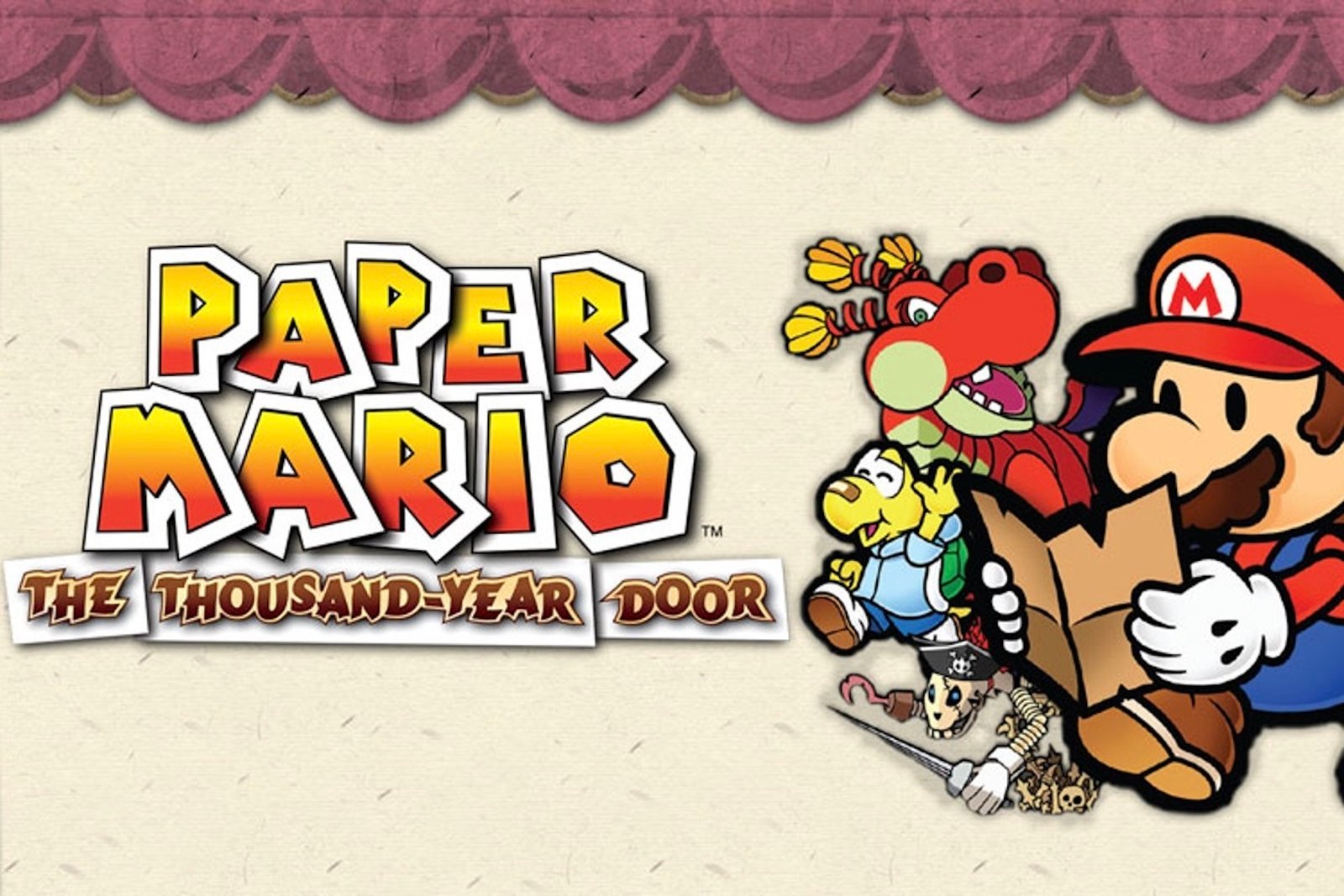
Make no mistake about it: this is not only a viable contender for the best Paper Mario game, but there’s an argument to be had that it is the among the best sequels of all time. A big claim to make, but one that has merit.
Taking the blueprint of the N64 original, The Thousand-Year Door just amps everything up to 11. More of an emphasis on witty dialogue, more functionality added to the lovable partner characters, more opportunities for Mario’s paper form to be utilized.
The Thousand-Year Door is wonderfully eccentric, and each new chapter adds a weird and wild wrinkle to gameplay that makes them all stand out. In one, Mario is enlisted as a competitor in a glitzy arena and must fight his way to the top. In another, he must solve a mystery on a train to prevent the threat of a “sticky, yummy doom”. In yet another, his indelible appearance is stolen by an imposter, forcing him to fend off attacks from his allies.
It’s just an all-time fabulous game, as well as an infuriating reminder of the series’ decline ever since.
2. Metroid Prime
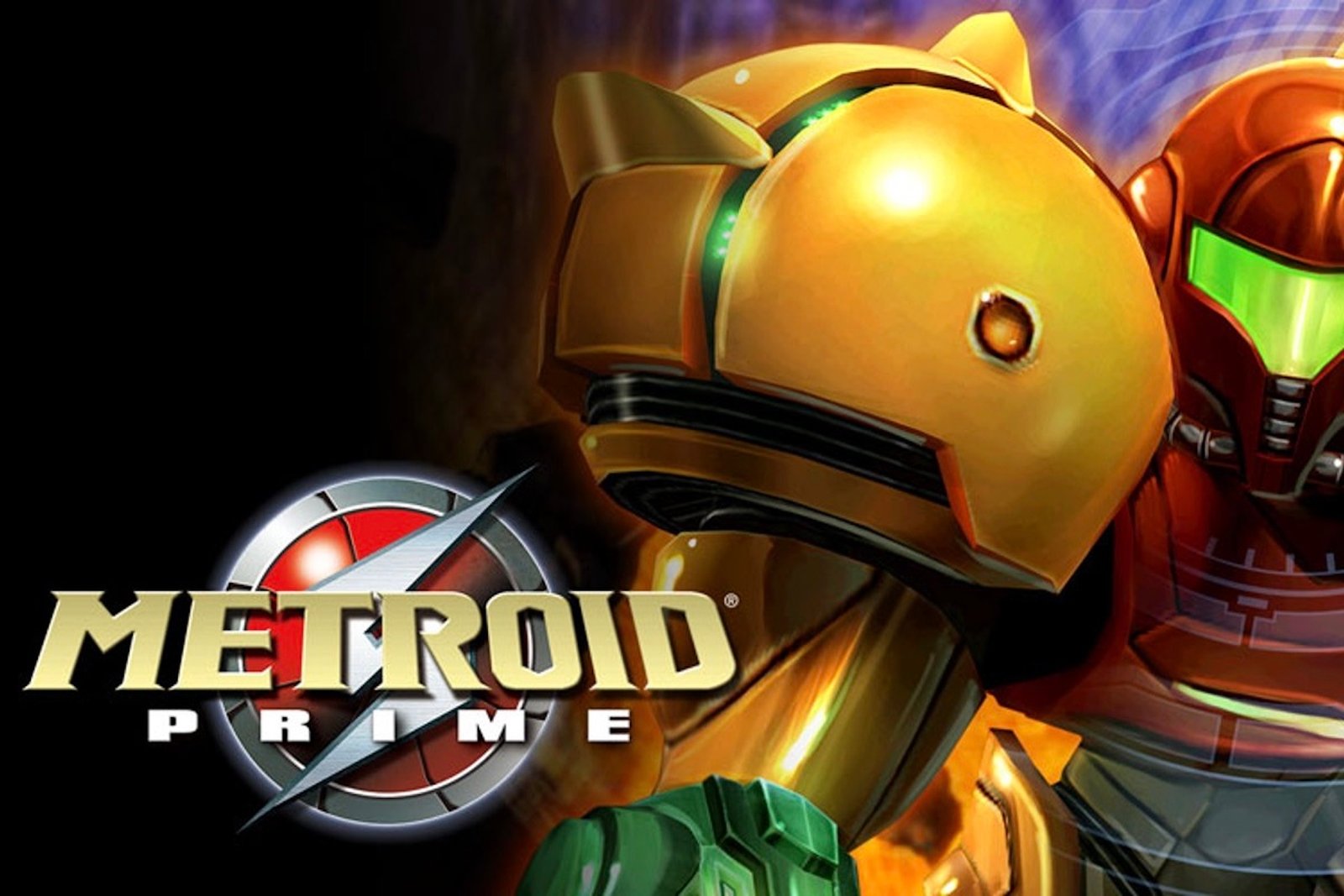
More than Mario, Pikachu or Link, if there was one Nintendo star who truly entered another stratosphere on the GameCube, it was Samus Aran.
With a new Metroid entry conspicuously missing on the N64, Samus’ coming out party in the third dimension would have to wait until 2002. And once it did, it shifted the franchise’s landscape forevermore. Metroid Prime is an atmospheric, epic journey that dazzled more than anything else on the GameCube. If you were to pick only one game as the platform’s must-have experience, this is surely it.
Much like Pikmin, many will attest that Metroid Prime’s sequel, Echoes, was the true pinnacle, owing to its beefed up combat and more in-depth story. But the legwork had already been done by its ground-breaking precursor. This is a definitive tentpole moment not only for Nintendo, but for video games as a whole.
1. Super Smash Bros. Melee
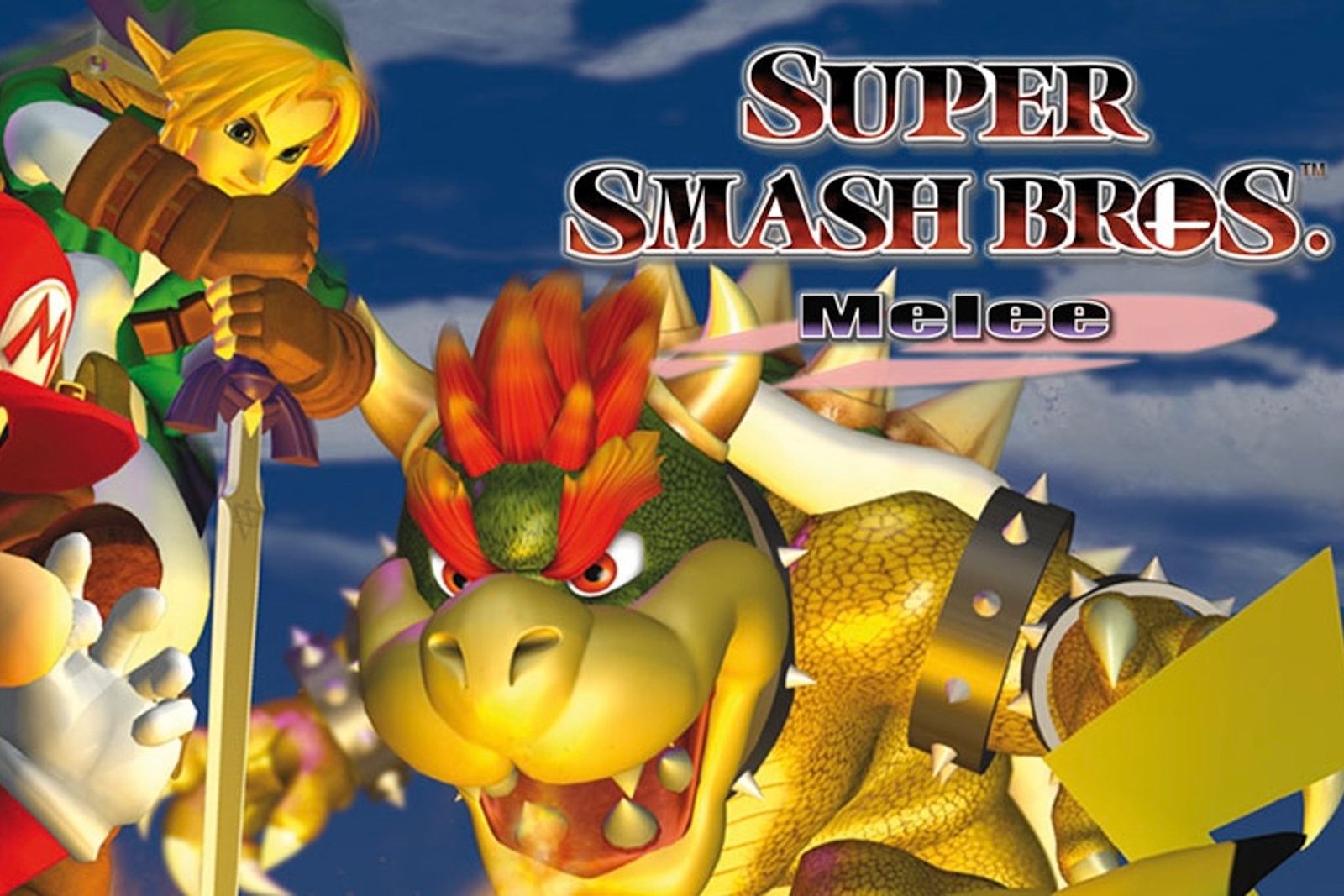
Considering the effusive praise we just gave to Metroid Prime, it may seem odd to anoint the party brawler Super Smash Bros. Melee as the GameCube’s top dog.
If we’re talking about “best” in a vacuum, Melee likely falls behind Prime, Wind Waker and Resident Evil 4, at least. But when you evoke the name of the GameCube, there is only one title that represents everything the console was about.
The second entry in Sakurai’s multiplayer fighting franchise after the sleeper hit original on the N64, Melee blew the doors off in almost every manner. The graphical upgrade was downright stunning, adding realistic textures to the fighters and stages alike, and the gameplay speed went from methodical to maniacal.
Whether you’re a first-time player or a wavedashing pro, Melee runs at a breakneck pace. It is pure, unbridled chaos with a low enough skill floor for everyone to enjoy, beloved to the point where it remains a tournament staple nearly 25 years later.
As greatly improved as its 2018 Switch successor Smash Bros. Ultimate was across the board, nothing has hit quite like Smash Bros. Melee did for the GameCube. And potentially, nothing else ever will.
Honorable mentions: Super Mario Sunshine, Fire Emblem: Path of Radiance, Pikmin 2, F-Zero GX, Metroid Prime 2: Echoes, Madden NFL 2005, Resident Evil, Eternal Darkness: Sanity’s Requiem