On February 8, 2026, the global entertainment landscape shifted during the twelve minutes of the Super Bowl LX halftime show. Benito Antonio Martínez Ocasio, who is also known as, Bad Bunny, caught the media on a chokehold. His Super Bowl performance reached a new height of social impact. This created a chain reaction of positives and negatives, both.
The Actual Stats of Bad Bunny’s Super Bowl Performance
According to final Nielsen data released on February 19, 2026, Super Bowl LX averaged 125.6 million viewers. This figure was updated from an initial report due to a technical error with a big data provider on game day. This total ranks as the second most-watched Super Bowl in history, trailing the 127.7 million viewers who watched Super Bowl LIX in 2025.
However, the halftime show remained the peak of the night. Between 8:15 and 8:30 p.m. ET, the performance featuring Bad Bunny averaged 128.2 million viewers. Confirming that millions tuned in for the music, with the halftime audience surpassing the game’s overall average by over two million people.
Bad Bunny’s Super Bowl Message Created Internal Rift
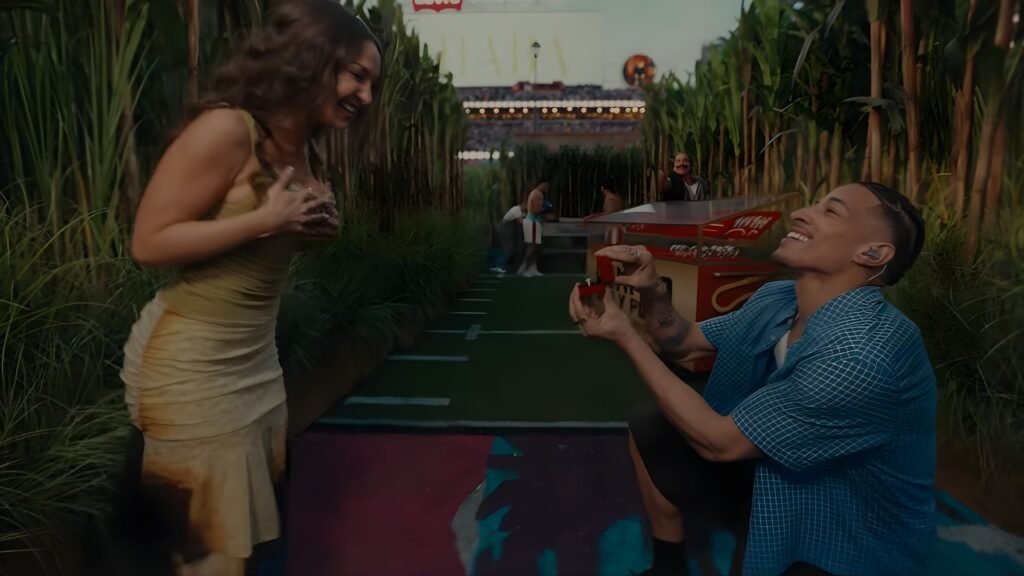
Reports highlight a tension between the league’s executive leadership and external political advocacy groups. The primary reason being the artist’s vocal criticism of immigration policy. During the show’s finale, a visual display on the Jumbotron stated that “The only thing more powerful than hate is love.” Bad Bunny then spiked a football that carried a message about unity in America.
One organization announced a competing concert headlined by Kid Rock to take place during the same period. It is said that while leadership publicly defended the artist, several team owners felt that the performance had alienated traditional segments of the fan base.
Bad Bunny’s Focus On Roots More Than The Dazzle
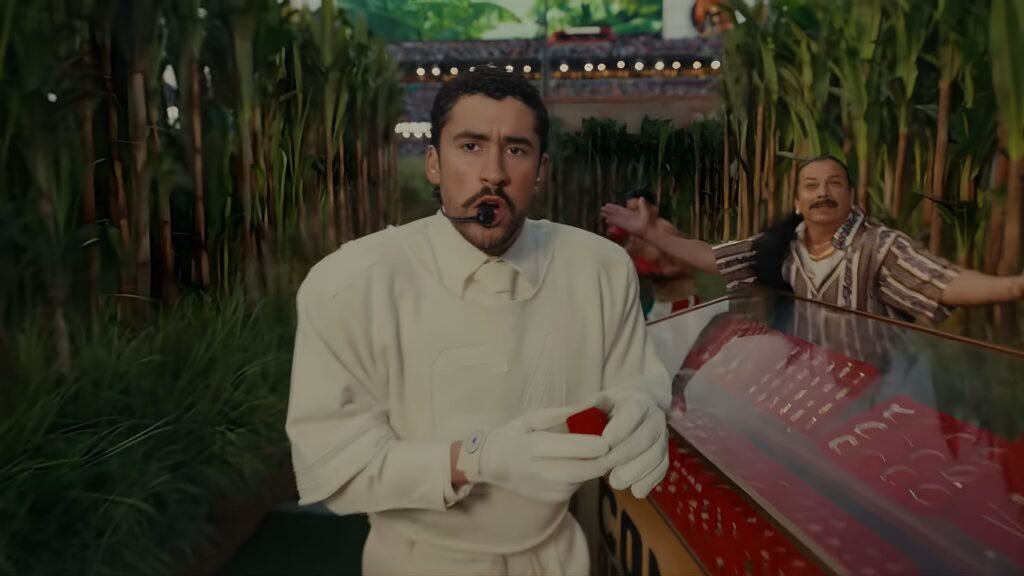
Fans feel Bad Bunny rejected the glamour of halftime shows and went with radical authenticity. Instead of high-tech and expensive costumes, the entire performer crew wore Zara outfits designed by Storm Pablo.
Who is the woman in Bad Bunny’s Super Bowl bar scene?
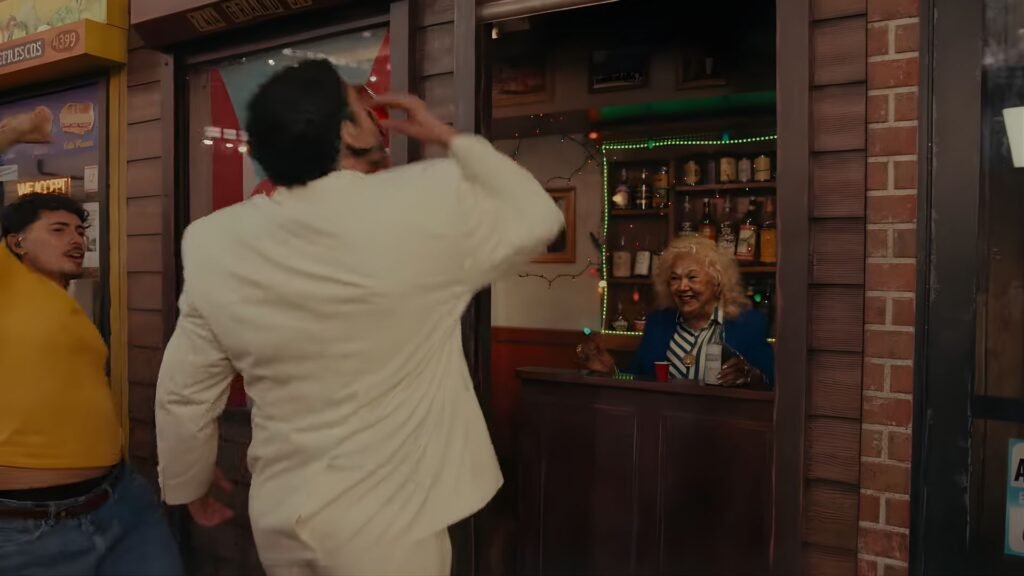
The background dancers looked like maintenance workers and field laborers, wearing traditional straw hats. The set was designed by Yellow Studio and featured a pink casita and a replica of a Brooklyn bar called Toñita’s. The artist chose to focus on human energy rather than digital effects, even bringing the actual owner of the bar, Maria Antonia Toñita Cay, onto the stage to share a shot with him during the set.
The Meaning Behind Bad Bunny’s Empty Instagram Profile
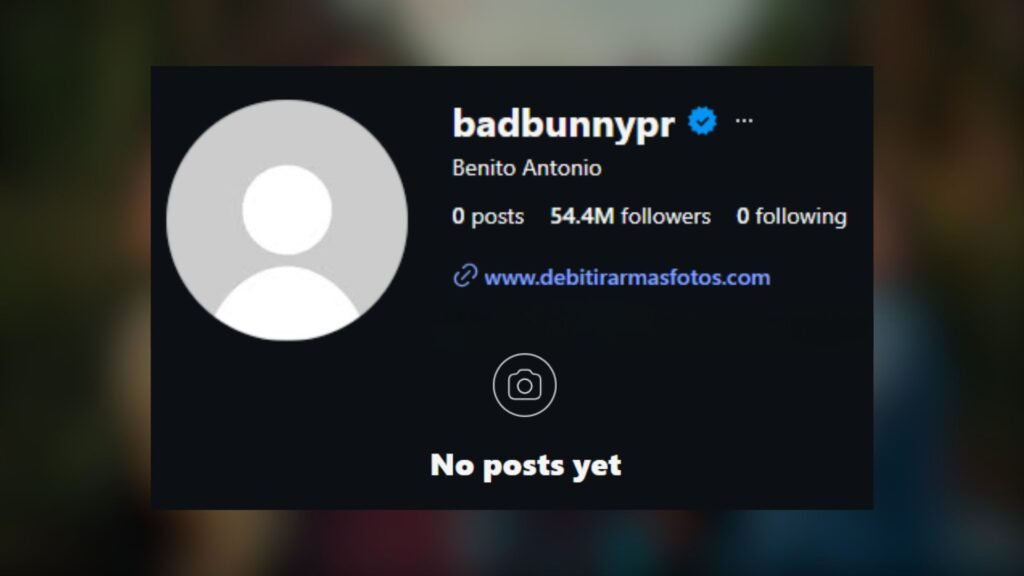
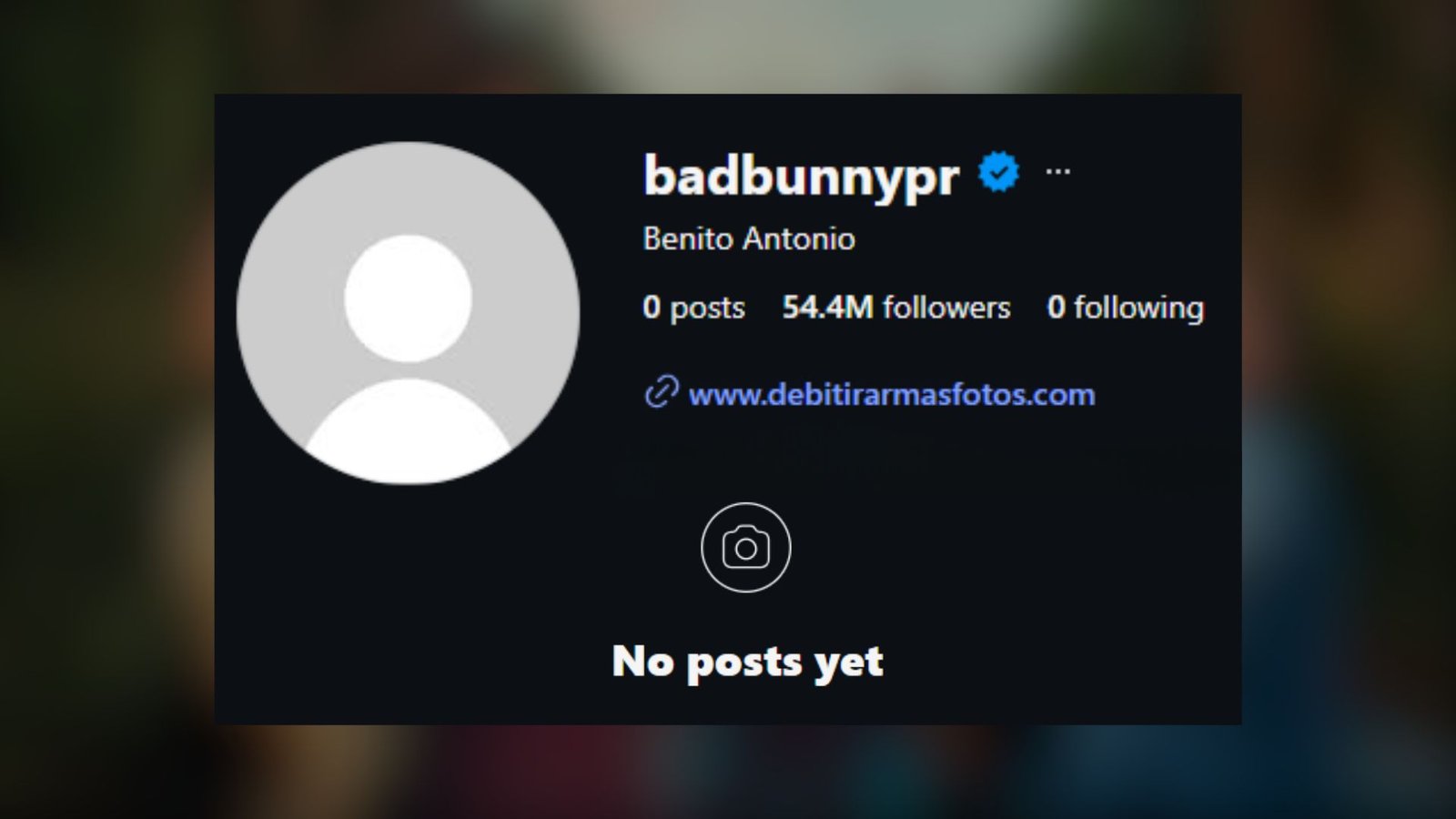
The most mysterious move happened 24 hours after the show; the artist’s official Instagram account went completely dark. With over 51 million followers, the profile now shows zero posts and zero following. In the middle of a massive political shouting match, he simply walked out of the room and closed the door.
However, this digital silence is a repeated tactic seen throughout Bad Bunny’s musical journey. He did the same thing before his last two major albums. This move effectively blocks critics from arguing in his comment section and forces the world to wait for his next move. This strategy effectively turns the moment of controversy into a moment of mystery.
The Global Bad Bunny Effect After His Super Bowl Performance
Bad Bunny’s music catalog has experienced a massive boost. In the seven days following the broadcast, the latest single, DtMF, reached the top spot on the Billboard Hot 100. This marked the first time a solo song by the artist reached the top of the US charts without a featured English-speaking singer.
There is a significant growth in his Spotify streams within Brazil, a critical expansion of his music and brand. Brazil has historically been a difficult market for Spanish-speaking artists.
The Super Bowl performance acted as a catalyst for his sold-out stadium tour in São Paulo. The US platform served as a springboard for growth in the South American market.
While Super Bowl performance did not break the all-time audience record, it achieved massive media coverage. The data confirms that, despite the outcry from advocacy groups, the artist successfully utilized the stage to establish his brand in new territories
Quick fact about the author Diwas Budhathoki: I sometimes make music under the alias Ease Is Easy.