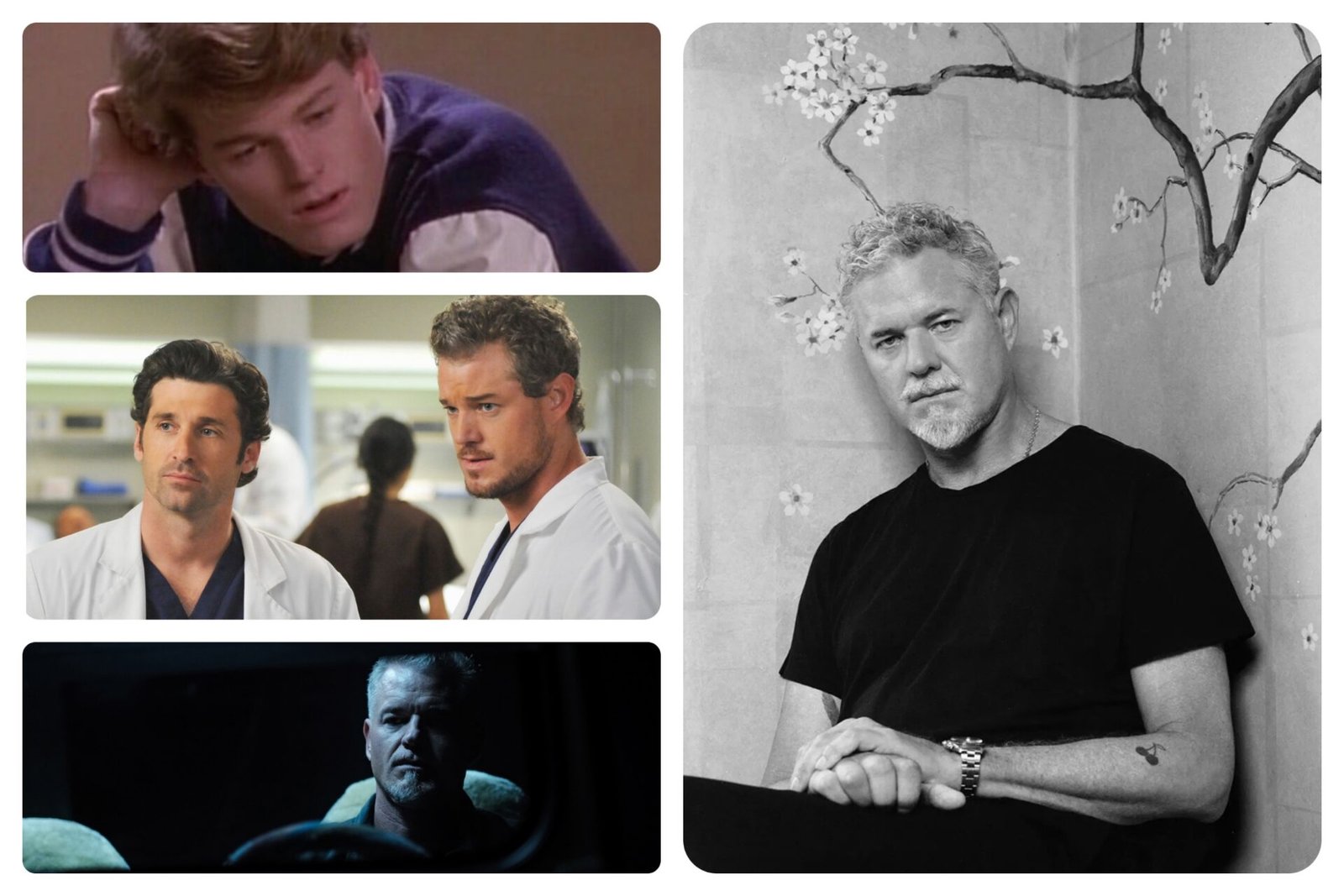
Eric Dane, the actor who parlayed a late-season guest role on Grey’s Anatomy into one of the defining heartthrob turns of the 2000s and later delivered a dark, layered performance on HBO’s Euphoria, died Feb. 19 following a battle with amyotrophic lateral sclerosis. He was 53.
His family confirmed the news to People Magazine, saying Dane passed away surrounded by loved ones after what they described as a courageous fight with ALS, also known as Lou Gehrig’s disease. He is survived by his two daughters, Billie and Georgia.
“With heavy hearts, we share that Eric Dane passed on Thursday afternoon following a courageous battle with ALS,”
the family said in a statement.
“He spent his final days surrounded by dear friends, his devoted wife, and his two beautiful daughters, Billie and Georgia, who were the center of his world.”
The family added that Dane became a passionate advocate for ALS awareness and research after going public with his diagnosis in 2025 and asked for privacy as they grieve.
What Is ALS?
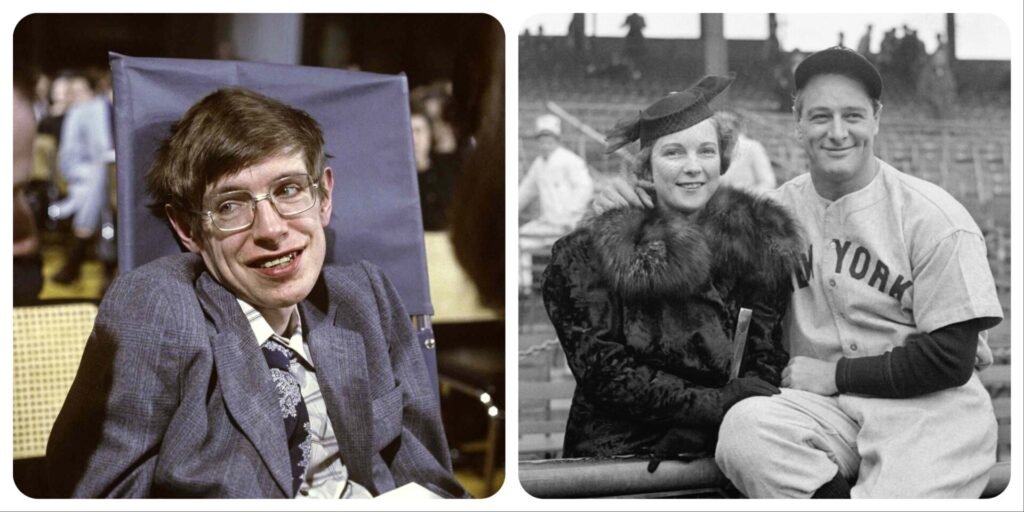
ALS is a neurodegenerative disease that attacks the motor neurons responsible for voluntary muscle movement. As those nerve cells deteriorate, patients gradually lose the ability to move, speak, swallow and eventually breathe.
There is no cure. Treatments can help manage symptoms and may modestly slow progression, but ALS is ultimately fatal. Most patients live three to five years after diagnosis, though some survive longer. The disease is named for baseball legend Lou Gehrig, who was diagnosed in 1939, and gained widespread attention during the 2014 Ice Bucket Challenge.
Dane’s Bay Area Roots, Hollywood Ascent
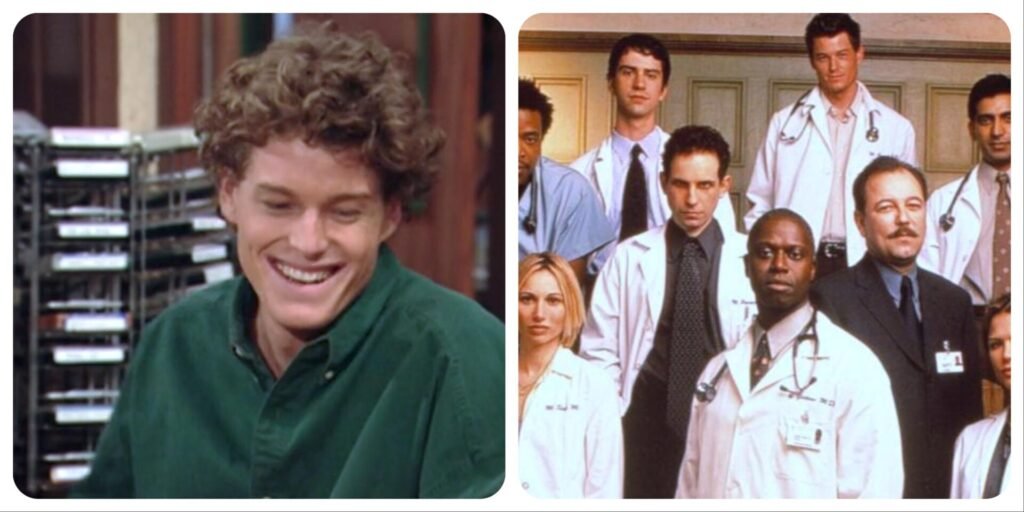
Born in San Francisco in 1972 and raised in the Bay Area, Dane relocated to Los Angeles after high school to pursue acting. His early years in the industry were marked by steady television work, including guest appearances on Saved by the Bell, The Wonder Years, Roseanne and Married… with Children.
In 2000, he secured a recurring role as Dr. Wyatt Cooper on Gideon’s Crossing and made his feature debut in the indie drama “The Basket.” Film roles followed in projects including X-Men: The Last Stand and Marley & Me, while on television he logged a two-season arc on Charmed.
The Rise of ‘McSteamy’
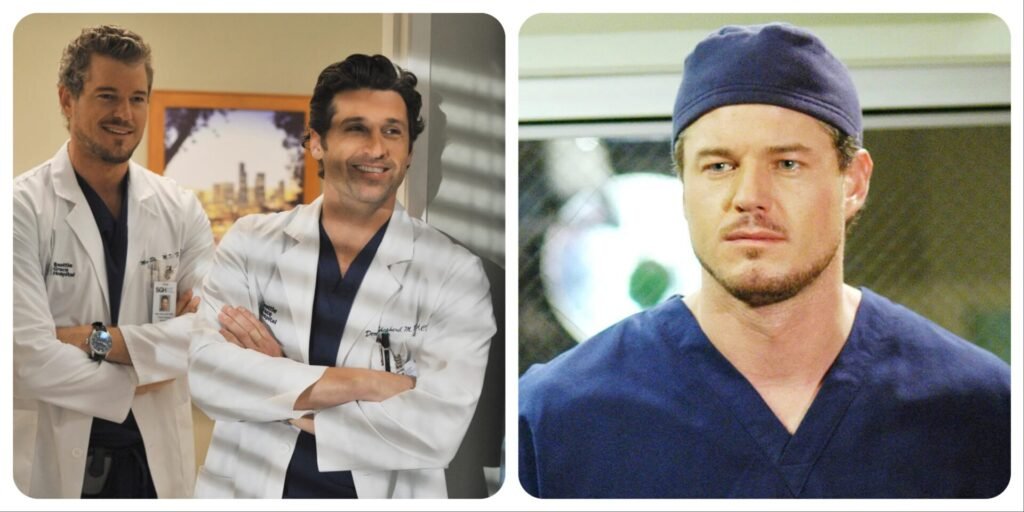
Dane’s breakthrough arrived in 2005 when he appeared in Season 2 of “Grey’s Anatomy” as Dr. Mark Sloan, a plastic surgeon with a complicated personal history and undeniable charm. Initially positioned as a disruptive force, the character quickly became a fan favorite.
By Season 3, Dane was a series regular, and the nickname “McSteamy” had entered the pop culture lexicon. He remained a core cast member through Season 8, anchoring major storylines and cementing his status as one of the series’ most popular figures. Years after his departure, he returned for additional appearances, underscoring the character’s enduring resonance.
Leading Man on Cable and Film

Following his tenure on ABC’s medical juggernaut, Dane pivoted to leading roles in both television and film. He starred for five seasons on TNT’s The Last Ship, executive produced by Michael Bay, headlining the post-apocalyptic naval drama from 2014 to 2019.
On the big screen, he appeared in ensemble projects such as Valentine’s Day, demonstrating a willingness to move between studio fare and character-driven roles.
A Dark Turn on ‘Euphoria’
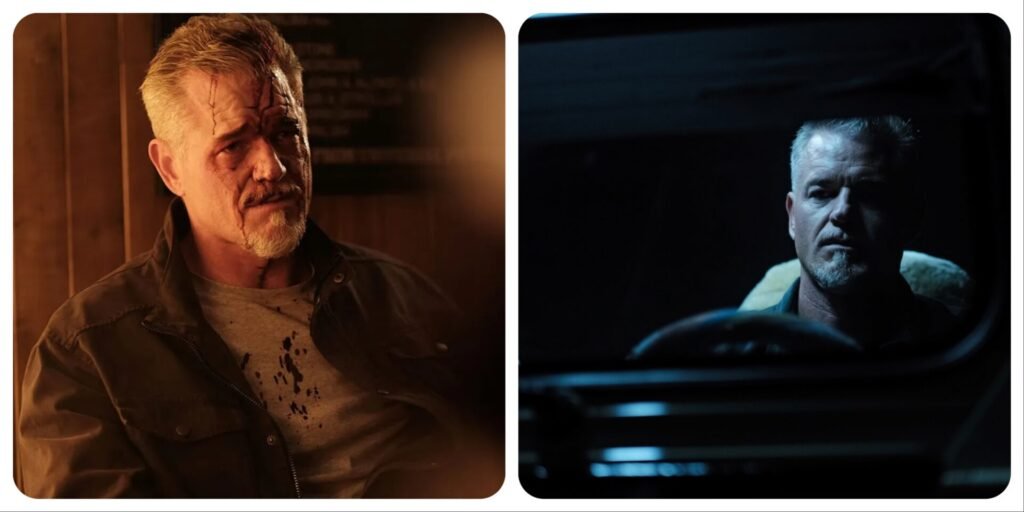
In 2019, Dane joined the cast of “Euphoria” as Cal Jacobs, the secretive and increasingly unraveling father of Nate Jacobs, portrayed by Jacob Elordi. Across the HBO drama’s first two seasons, Dane delivered one of the series’ most unsettling and critically noted performances, exploring themes of repression, identity and generational trauma.
He later reprised the role for the show’s third season, introducing his work to a new generation of viewers.
Advocacy in His Final Chapter
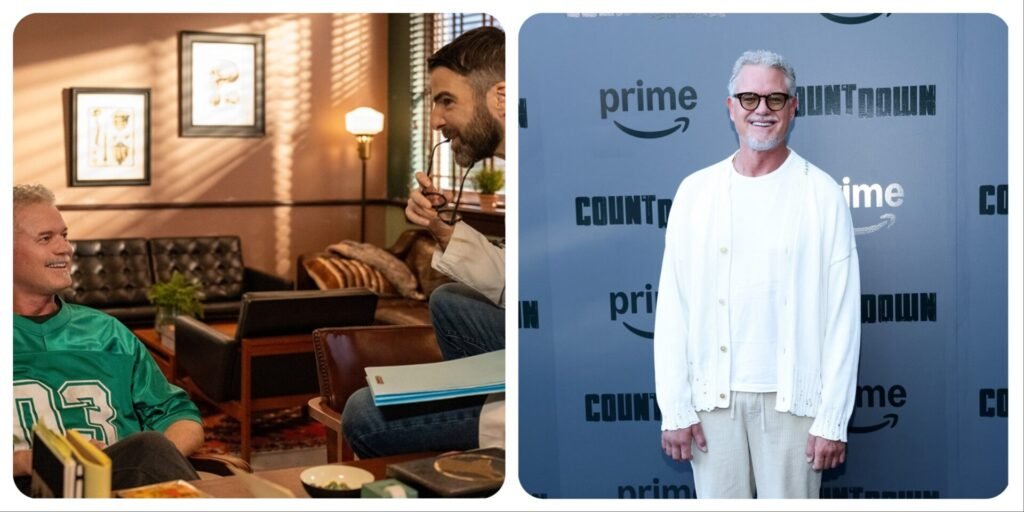
After going public with his diagnosis, Dane became an outspoken advocate for ALS research and legislative reform, working with I Am ALS to raise awareness and funding.
“I have been an open book about certain things in my life. This is something I felt compelled to share with people,” he told The Washington Post. “This is more of a: ‘How can I help? How can I be of some service?’”
In his final years, Dane turned the visibility that once made him a primetime heartthrob into a platform for advocacy, determined to use his voice in service of others.