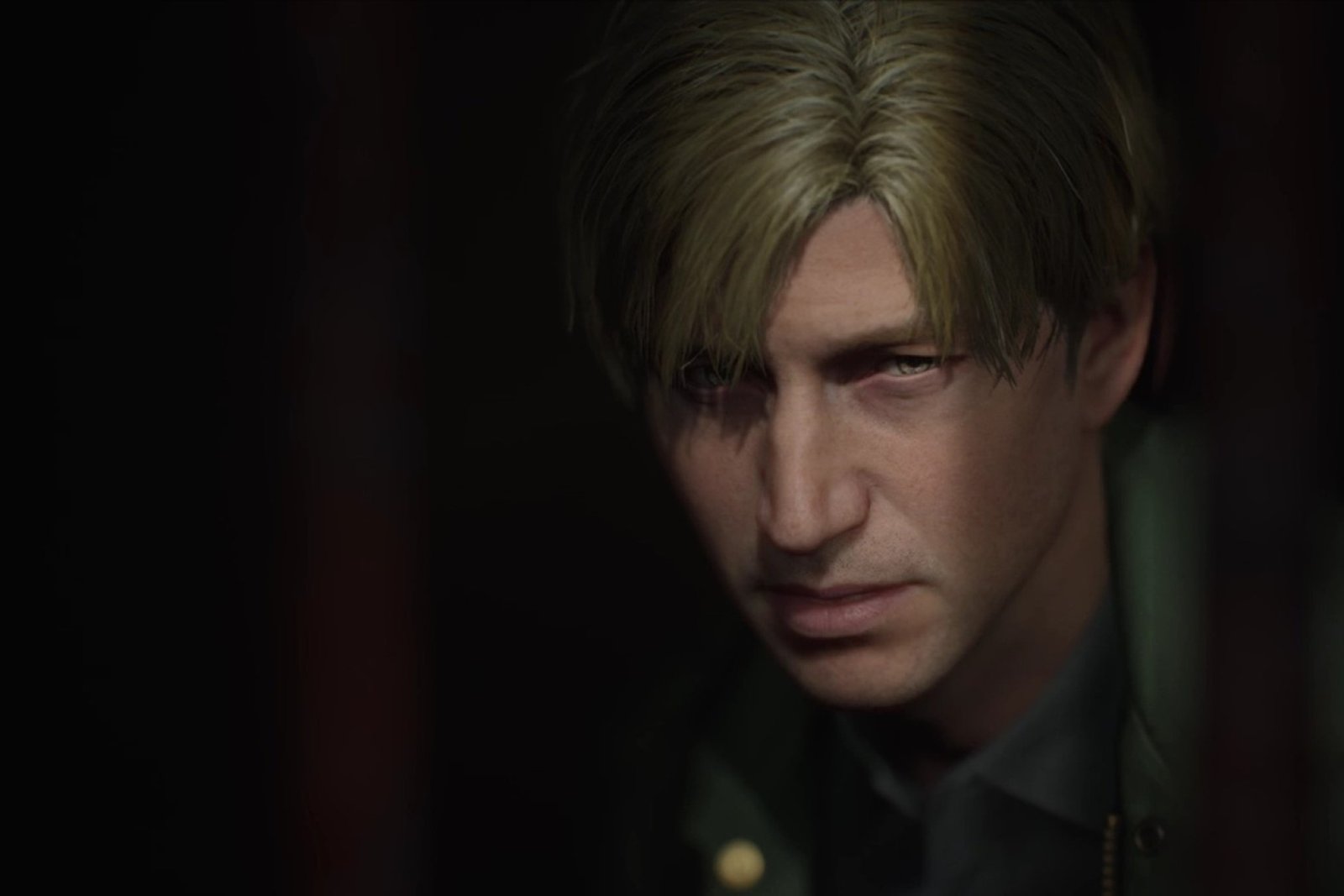
Ranking the Silent Hill series is tricky. It’s not just about which game scared us the most or which one received the highest review scores. It’s more about ambition, narrative depth, and how effectively each entry manipulates fear and unease. The best games make the town itself feel like a living extension of the protagonist’s mind, while the weaker ones can feel like they are just going through their emotions.
As a big fan of the franchise, I’ve revisited the Silent Hill games multiple times, and that repeated exposure shows what works, what doesn’t, and why certain entries stay in your memory long after the console is turned off.
13. Silent Hill: Book of Memories (2012)
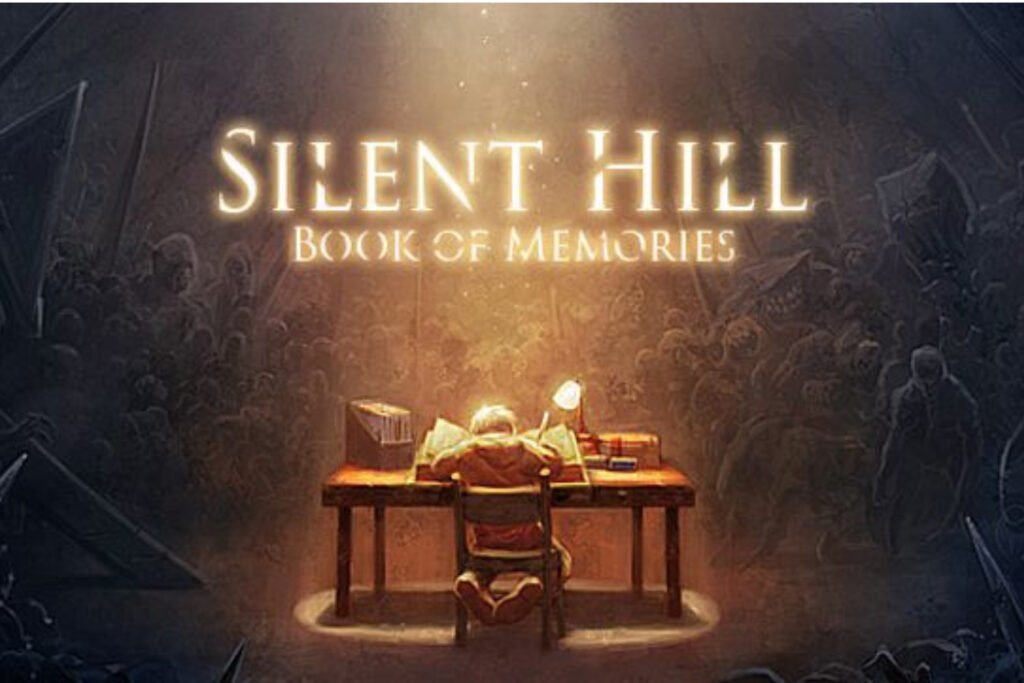
Book of Memories is the black sheep of the series. Taking a top-down, dungeon-crawling approach with loot collection and co-op play, it feels like an experiment that forgot the soul of the franchise. There’s a framework of a mysterious book rewriting your fate, which is an interesting idea, but everything else: combat, level design, and progression, feels completely disconnected from the psychological horror the series is known for.
It’s technically competent, but it replaces tension with repetitive combat and RPG mechanics. Players might enjoy it in isolation, but as a Silent Hill game, it just doesn’t belong in the same conversation as the others.
12. Silent Hill: Shattered Memories (2009)
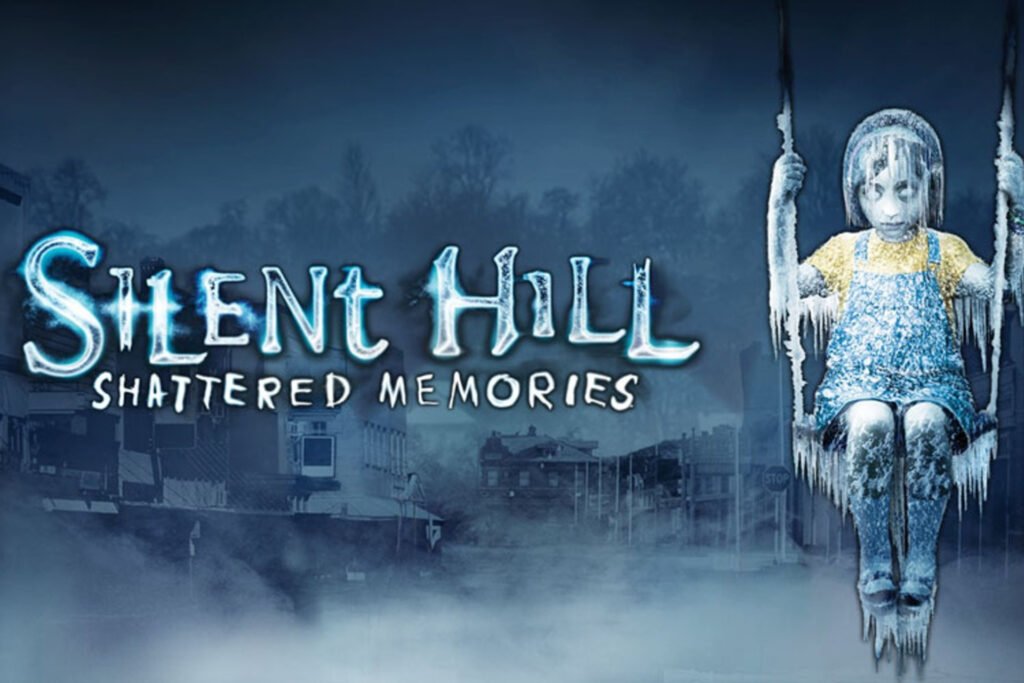
Shattered Memories is one of the more ambitious experiments in the franchise. The game removes combat entirely, focusing instead on puzzle-solving and therapy-like sequences that alter the world based on your psychological profile. This approach is bold, and it does a fantastic job of personalizing the horror experience.
The downside comes with the chase sequences, where players are forced into tense but mechanically awkward sprints that break the otherwise introspective atmosphere. Despite these issues, the game succeeds in making players reflect on themselves, a rare feat in survival horror. Its narrative twist is clever, and the way it tailors the environment based on your personality remains fascinating.
11. Silent Hill: Downpour (2012)
Downpour had all the makings of a strong Silent Hill experience. The dynamic weather mechanic, where rain affects the behavior of monsters, is a unique way to tie gameplay to atmosphere. The optional side quests, which explore the protagonist’s guilt and personal demons, add depth to what could have been a straightforward horror adventure.
The problem is that the game is inconsistent in its execution. Combat is clunky, pacing is uneven, and some sections feel like filler. When the game works, it is genuinely unsettling and thoughtful, but these moments are interspersed with frustrating gameplay. Downpour has ambition, but it doesn’t always realize it.
10. Silent Hill: Homecoming (2008)
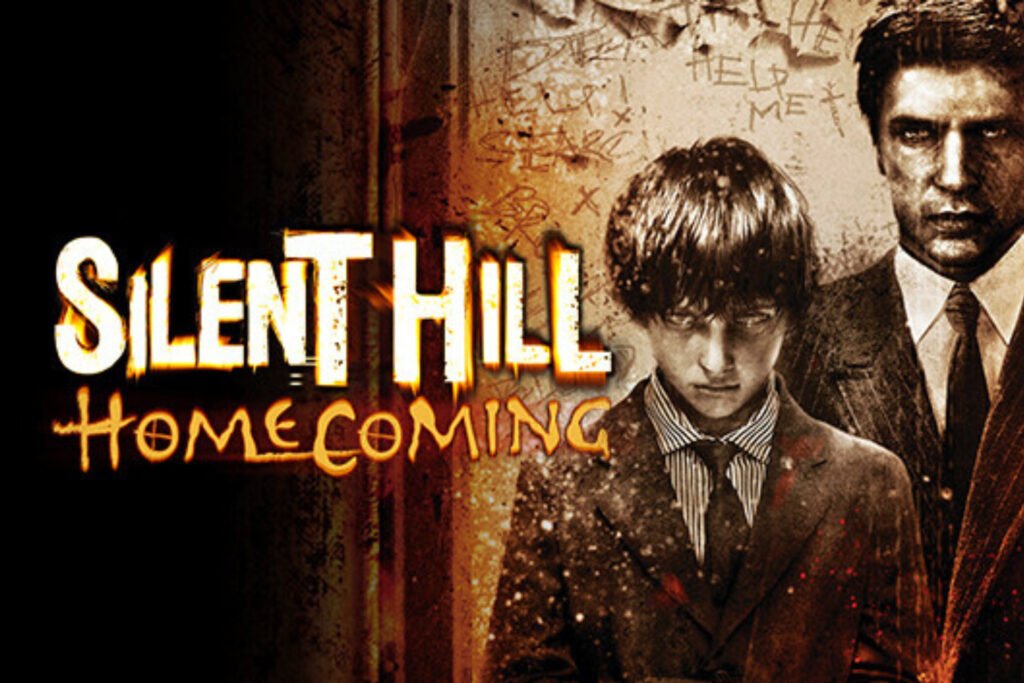
Homecoming leans heavily into action, which is part of why it never quite captures the series’ signature subtle terror. The story attempts to explore themes of guilt and family trauma, but combat mechanics are more prominent than psychological tension. Pyramid Head makes an appearance that feels more like fan service than thematic necessity, and the game occasionally sacrifices atmosphere for combat sequences.
That said, it still manages to deliver some memorable monster designs and unsettling environments, and there’s an undercurrent of mystery that recalls the classic entries. It just doesn’t achieve the same emotional resonance or subtlety that defined earlier games.
9. Silent Hill: Origins (2007)
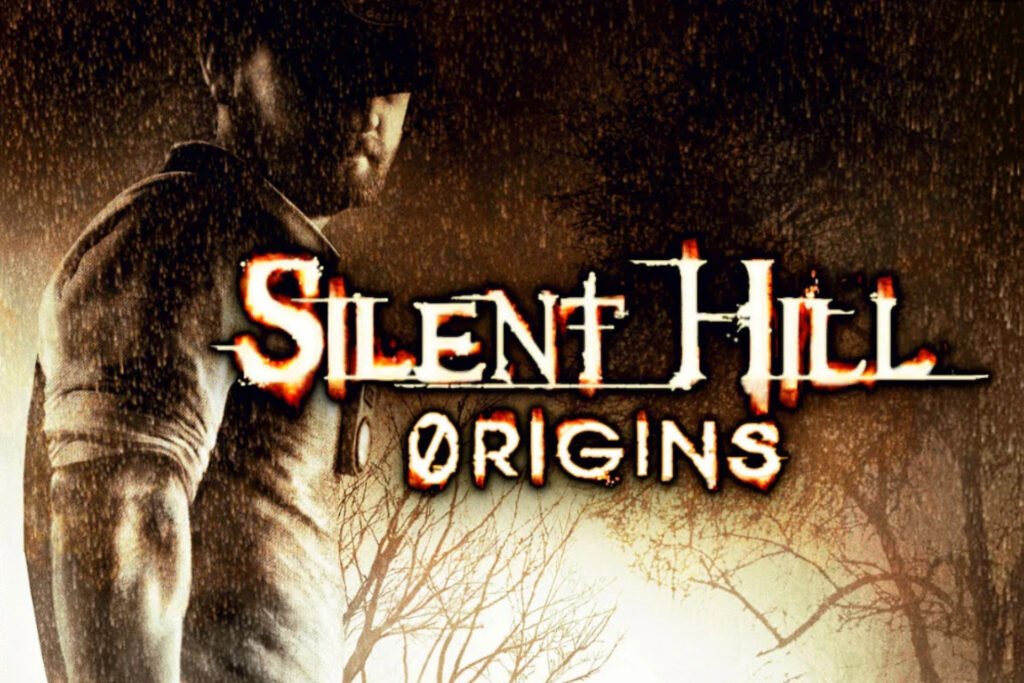
Origins is a solid prequel that attempts to connect the dots between the first game and the overarching story of Alessa and the cult. The mirror-based world-shifting mechanic is clever and adds tension, and the environments successfully capture the series’ trademark oppressive atmosphere. However, its narrative tends to over-explain elements that were more compelling in the original’s ambiguity.
The combat and exploration are straightforward, and while competent, they don’t elevate the experience. It’s a game that feels safe in its established mechanics, which makes it enjoyable but not particularly memorable compared to the standout entries.
8. Silent Hill 4: The Room (2004)
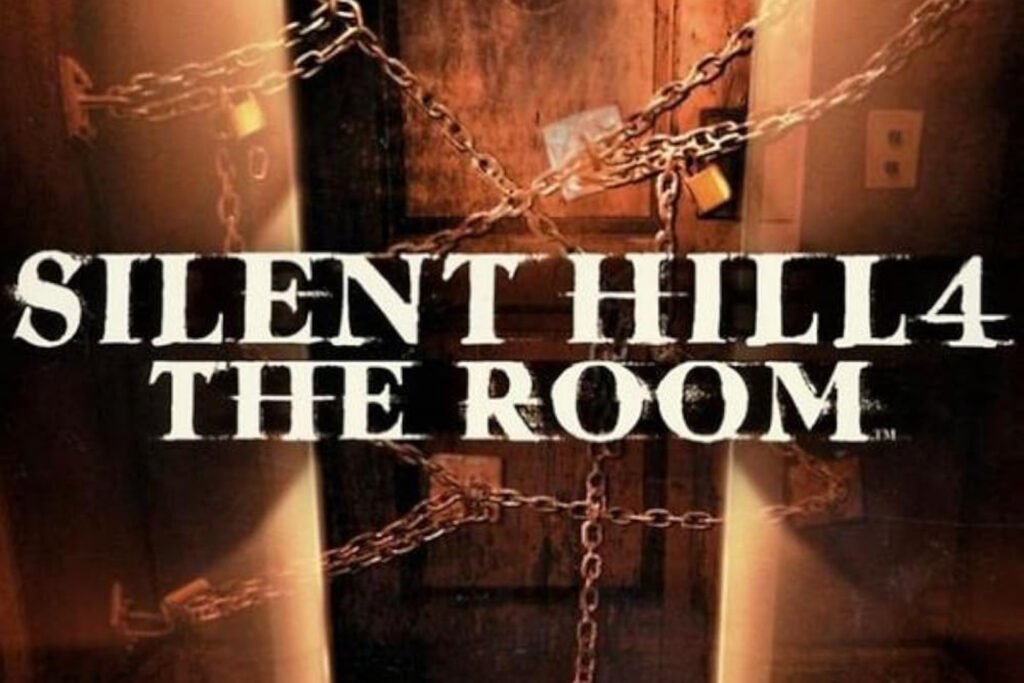
The Room is one of the most interesting entries in the series. The central idea of your apartment becoming a source of horror is brilliant, transforming a personal space into something threatening and uncanny. The early portion of the game is confined to the apartment and its supernatural connections, which builds tension masterfully.
As the game progresses, however, repetitive dungeon segments and awkward combat dilute the experience. Despite these flaws, Walter Sullivan is a chilling antagonist, and the blending of first-person sequences with the series’ signature third-person style creates a memorable journey.
7. Silent Hill: The Short Message (2024)
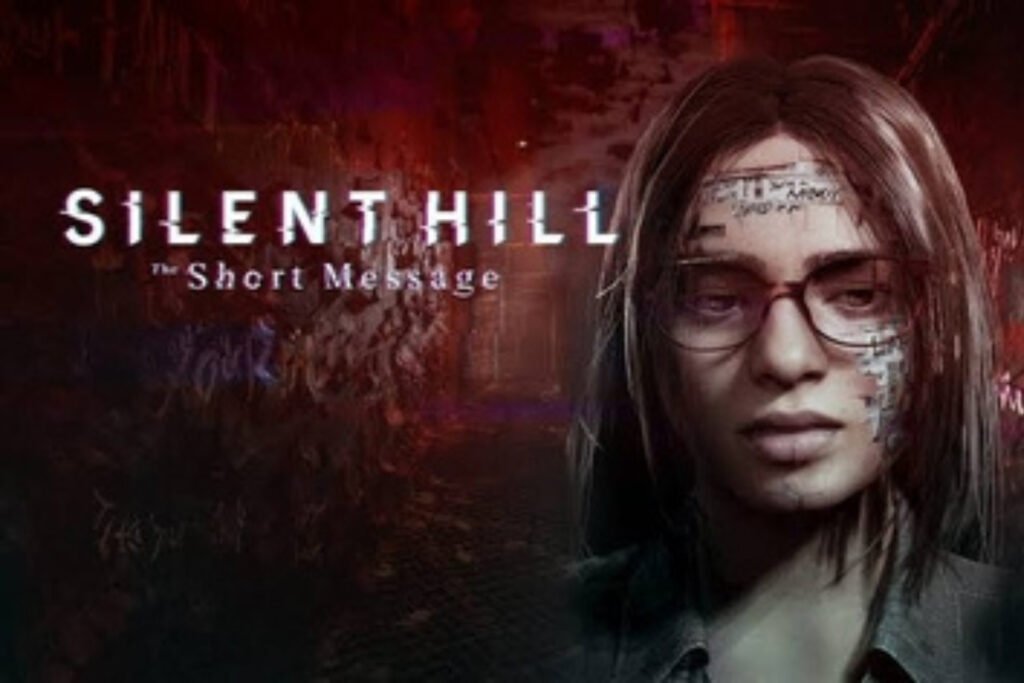
A modern attempt to revitalize the series, The Short Message explores contemporary anxieties like social media, self-image, and mental health, which gives it a fresh perspective within the Silent Hill universe. The visuals are striking in moments, and the narrative clearly leans into psychological horror.
While it doesn’t reach the emotional or thematic depth of the classic games, its sincerity and effort to innovate within the franchise’s framework are commendable. It feels like a bridge between the older, slow-burning Silent Hill entries and the potential for modern storytelling in horror games.
6. Silent Hill 3 (2003)
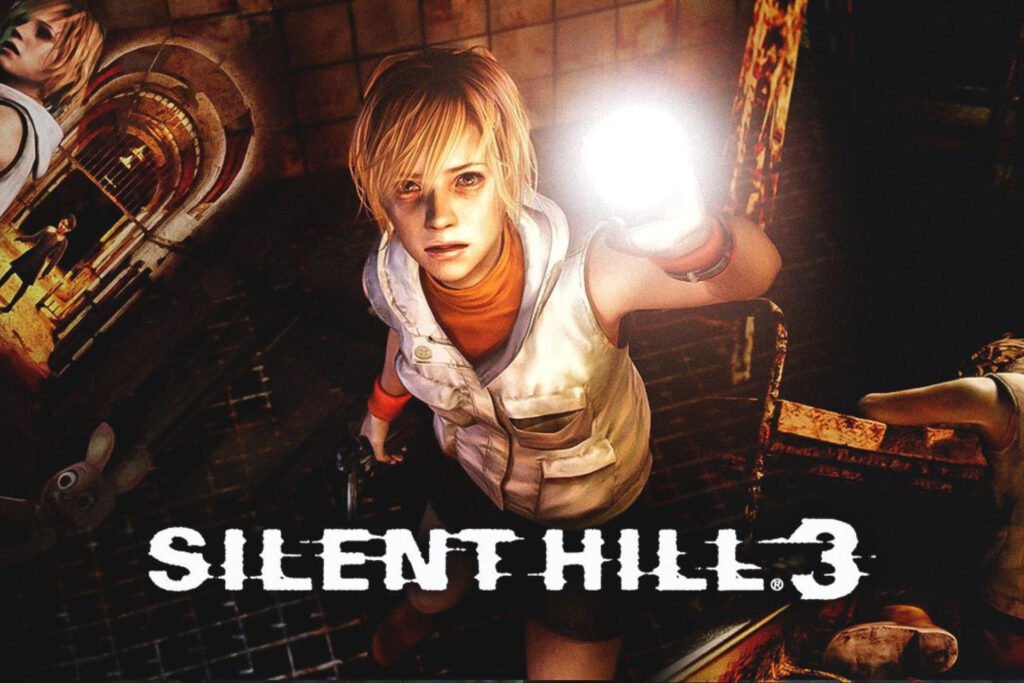
Silent Hill 3 builds upon the foundation of the original with mechanical refinement, stronger visuals, and a more polished presentation. Heather is a well-developed protagonist, and the continuation of the cult’s storyline adds narrative weight. The environments are grotesque but meticulously crafted, with sound design that ratchets tension to near-constant unease.
What it differs from Silent Hill 2 is that it emphasizes external threats more than internal psychological horror, but it remains a terrifying and emotionally resonant experience. Its attention to detail and atmosphere make it a standout entry.
5. Silent Hill: F (2025)
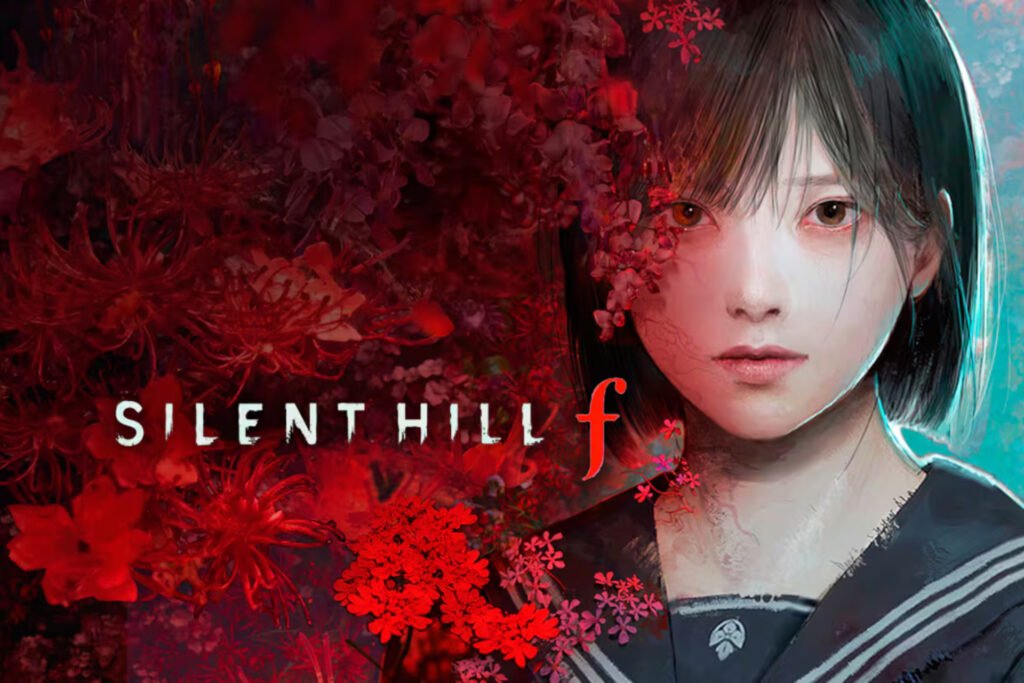
Silent Hill f is the most radical reinvention the franchise has attempted. Moving to 1960s Japan shifts the cultural lens entirely. The horror feels rooted in social pressure, tradition, and internalized expectation rather than the American cult narrative.
Visually, it trades rusted metal for organic decay. The body horror is floral and suffocating rather than industrial. Mechanically, it modernizes combat without turning the game into an action title, and its puzzle design integrates more organically into the story.
It doesn’t quite dethrone the classics because it occasionally spells out its thematic intent rather than letting interpretation do the heavy lifting. Even so, it’s the strongest post-Team Silent entry by a significant margin and proves the franchise can evolve meaningfully.
4. Silent Hill (1999)
The original Silent Hill is iconic for good reason. Its fog-shrouded town, industrial soundscapes, and deliberate pacing established the franchise’s identity. Harry Mason’s search for Cheryl grounds the story in human emotion, which makes the surrounding horrors more impactful.
The technical limitations of the PS1, particularly fog and draw distance, inadvertently enhanced the game’s atmosphere, creating a claustrophobic and mysterious world. While its mechanics are dated, the tension, storytelling, and design choices remain influential, laying the foundation for everything that followed.
3. Silent Hill 2 (2024)
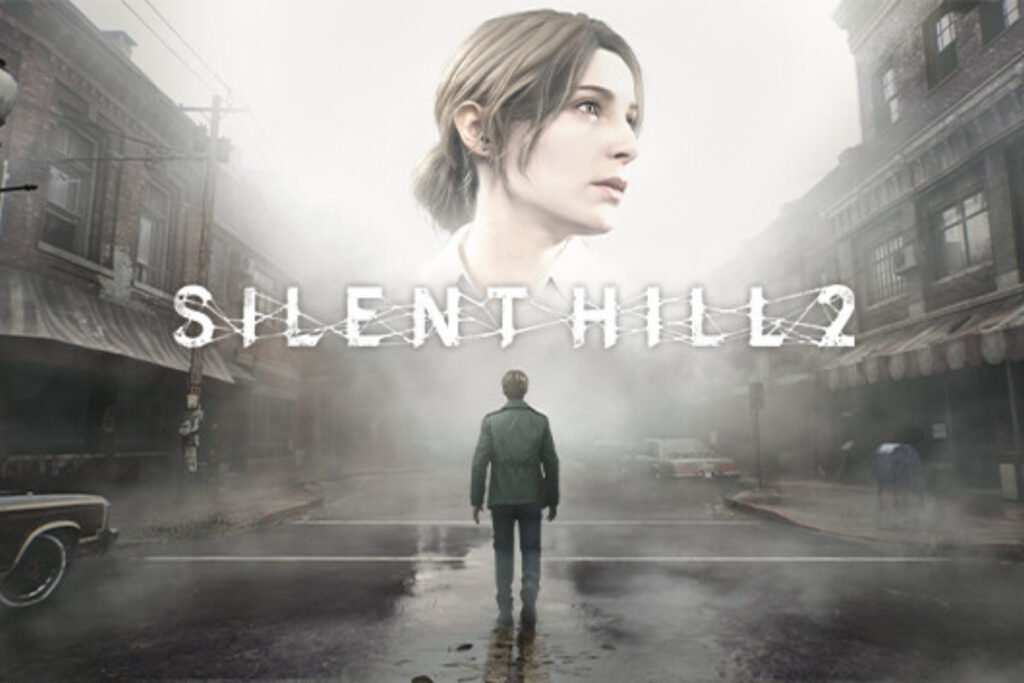
The remake of Silent Hill 2 walks a careful line between reverence and modernization. It updates combat, visuals, and performance without compromising the psychological depth that made the original legendary.
James Sunderland’s descent into guilt and grief remains unsettling, and the environments now feel more tangible and oppressive with modern graphics. While purists may prefer the original, the remake introduces the story to a new generation while keeping the soul intact. The pacing, tension, and atmosphere all translate remarkably well into a contemporary format.
2. P.T. (Silent Hills Demo)
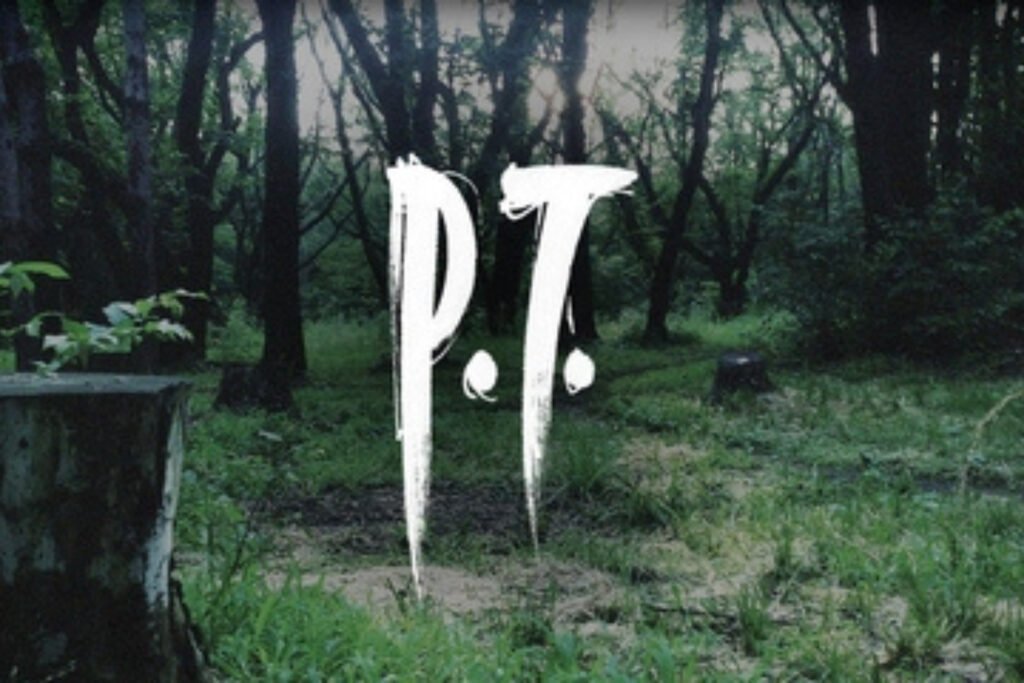
Though technically just a demo, P.T. has achieved near-mythical status. Its looping hallway design, combined with the oppressive soundscape and unpredictable scares, makes it one of the most intensely frightening experiences in gaming.
The narrative is subtle but still compelling, with every door, whisper, and figure reinforcing a sense of dread. Developed by Hideo Kojima with input from Guillermo del Toro, it demonstrates that Silent Hill still had innovative ideas to explore. Even as a short experience, it reshaped expectations for what horror games could do.
1. Silent Hill 2 (2001)
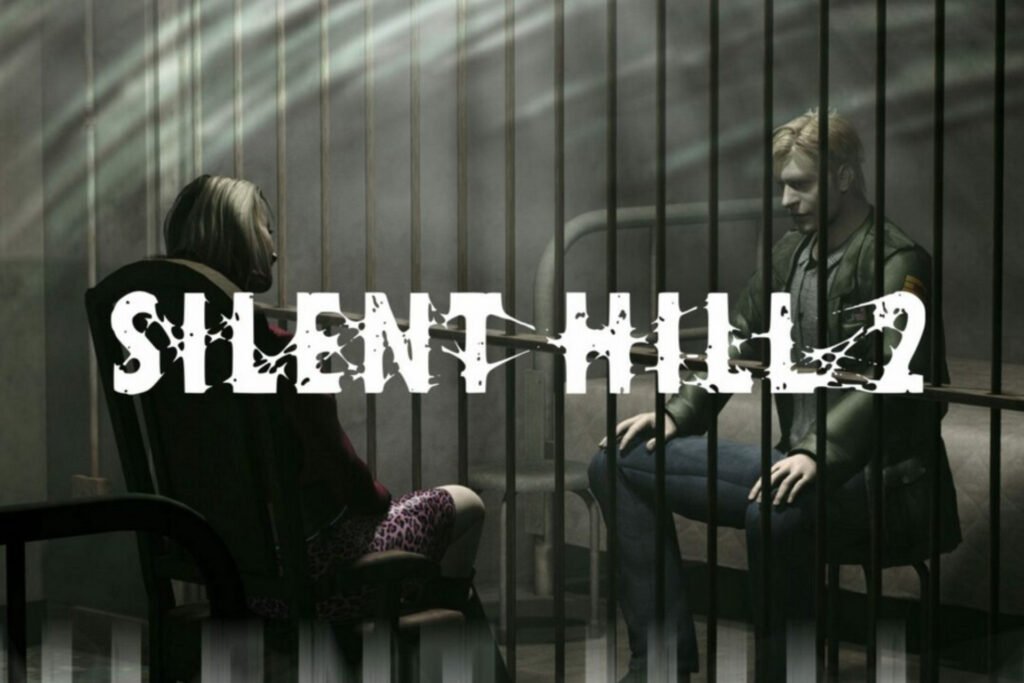
Silent Hill 2 is widely regarded as the pinnacle of the series, and for good reason. It’s not just a horror game; it’s a study of guilt, denial, and grief. Every creature is a manifestation of James Sunderland’s inner turmoil, most famously Pyramid Head, whose presence embodies punishment and repression.
The soundtrack by Akira Yamaoka is haunting, the environments oppressive, and the story unfolds with a subtlety that demands attention. The game trusts the player to confront discomfort without spoon-feeding answers, and in doing so, it achieves a rare maturity that remains unmatched in the genre.
The Silent Hill series has had highs, lows, and experiments that didn’t quite stick, but at its peak it delivered some of the smartest and most emotionally resonant psychological horror in gaming.
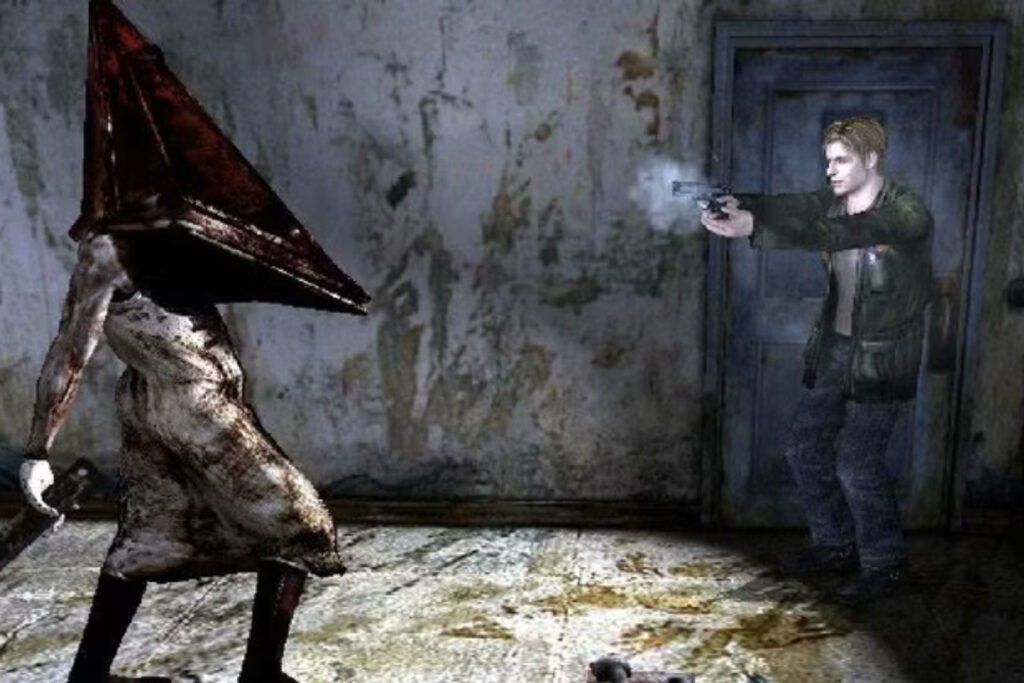
While some of the modern experiments hint at revival, the core essence remains in the Team Silent entries, particularly Silent Hill 2. Replaying these games is a reminder that horror doesn’t always have to be loud or flashy, sometimes, the quiet and creeping dread is far more effective.