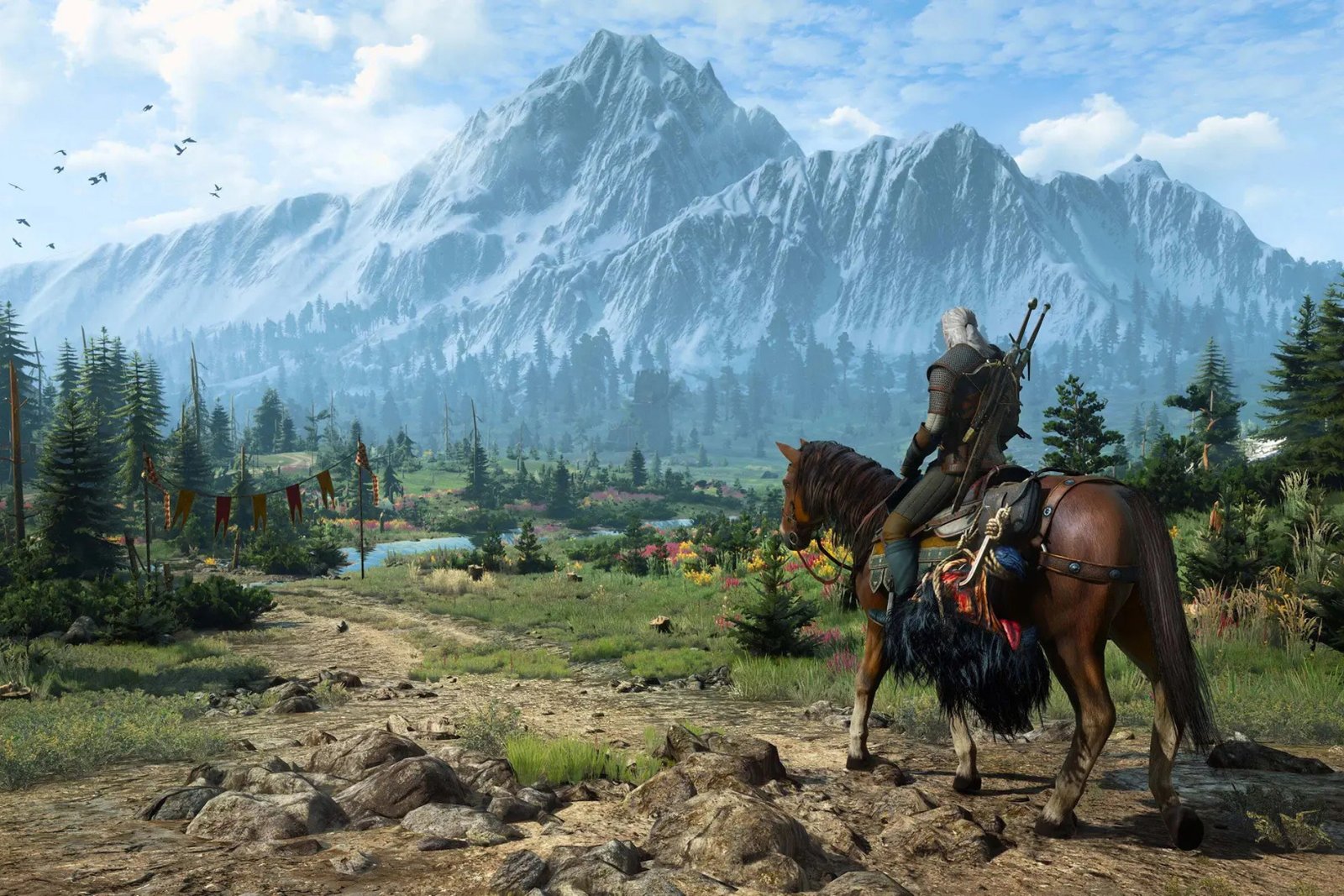
Games now have bigger maps, longer quests, and screens full of activity icons. Still, few open-world RPGs feel as carefully crafted as The Witcher 3: Wild Hunt did back in 2015.
What separates The Witcher 3 from many modern titles isn’t just its writing quality. It’s how its quest design integrates narrative consequence, character development, environmental storytelling, and player agency into nearly every layer of the experience. Even minor contracts often carry more thematic weight than main quests in other games.
Nearly a decade later, it remains one of the clearest examples of how to design meaningful content inside an open world without turning that world into a checklist.
Side Quests That Don’t Feel Secondary
Most open-world games establish a clear hierarchy of objectives. Main quests move the narrative forward. Side quests exist to provide rewards, filler combat, or small world-building moments. In The Witcher 3, that distinction often collapses.
Take the Bloody Baron questline. Structurally, it begins as an information-gathering task. Geralt needs leads to Ciri, and the Baron appears to be a stepping stone. Instead, the quest evolves into a multi-layered story about domestic abuse, trauma, alcoholism, and family collapse. It introduces the Crones, expands Velens folklore, and branches into consequences that ripple across the region.
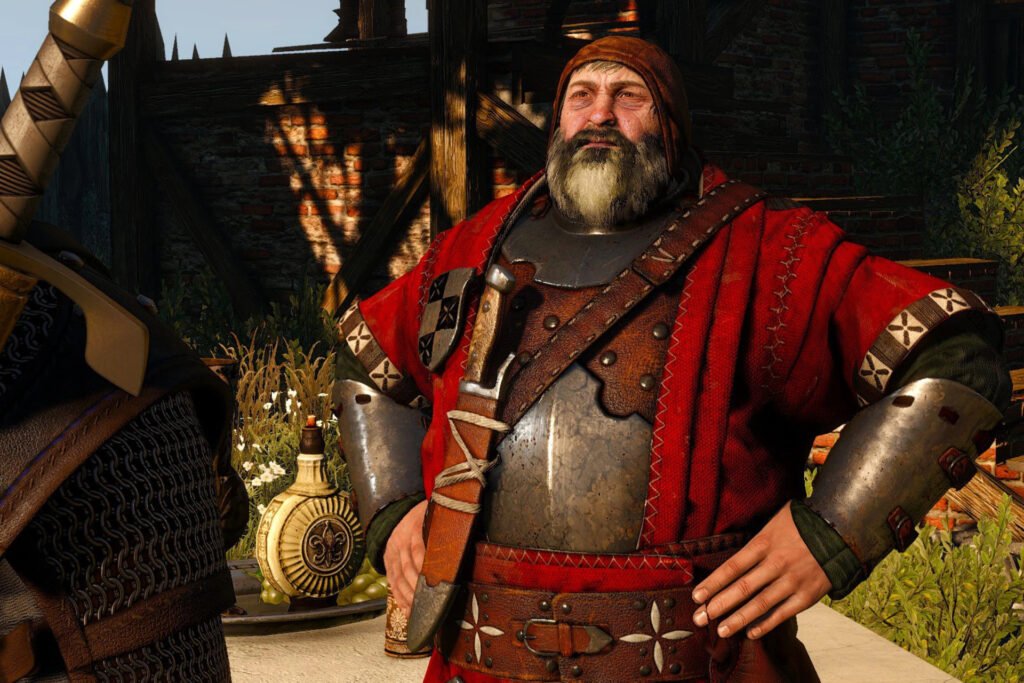
The escalation is gradual, and the quest doesn’t announce its importance from the start. It builds trust first, and then complicates everything. By the time it concludes, it feels central to the game’s emotional identity rather than optional content.
And this structure repeats throughout the world. “A Towerful of Mice,” “Carnal Sins,” “The Last Wish,” and dozens of contracts begin with straightforward premises and expand into layered character studies. The game rarely signals which quests are going to matter the most, and that unpredictability is what keeps the player invested.
Consequences Without Obvious Morality Systems
One of CD Project Red’s most effective design choices was removing a visible morality system. There is no alignment tracker and no point system labeling choices as “good” or “evil”. Instead, outcomes unfold through context.
Choices often feel small in the moment, and some are embedded in casual dialogue. Their impact can surface hours later, sometimes without any fanfare.
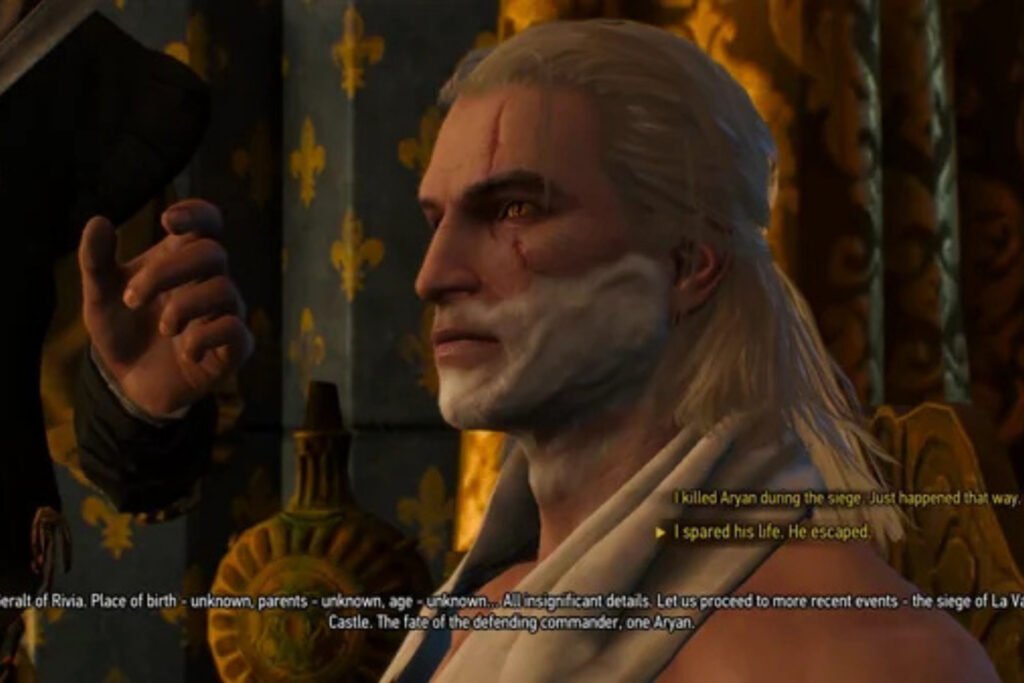
This delayed feedback changes players’ behavior. Instead of playing for reputation points, players respond based on how they interpret Geralt that uncertainty creates tension.
The design also avoids clean resolutions. Political choices in Novingrad or Skellige rarely benefit everyone. Personal decisions involving Ciri depend less on grand heroics and more on subtle parental support. The structure encourages attentiveness rather than min-maxing.
Environmental Storytelling
In many open-world games, environments exist first, and quests are layered on top. In The Witcher 3, the world feels constructed around narrative function.
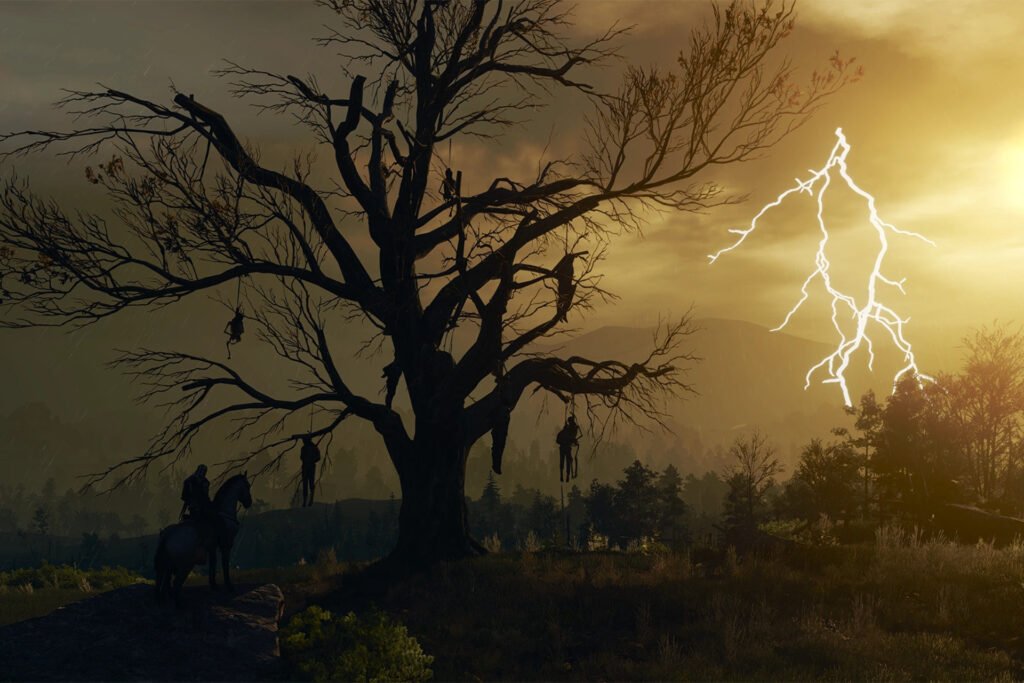
Velen is the clearest example. It is swampy, war-torn, and decaying. Corpses hang from trees. Villages are empty or starving. The tone tells you a lot about the quests: curses that are born from grief, peasants that are driven to desperation, and monsters feeding on the aftermath of conflict.
Novigrad shifts the tone; it’s crowded, politically volatile, and dominated by the Church of Eternal Fire. Its quests revolve around corruption, religious persecution, organized crime, and espionage. The city’s layout: tight alleys, guarded districts, hidden meeting spots. supports those narratives.
Skellige shifts again. Clan politics and succession disputes shape its structure. The harsh terrain reinforces its cultural rigidity, and even the music changes to reflect regional identity. Each region truly has its own narrative rhythm.
Monster Contracts
On paper. Witcher contracts follow a simple formula: investigate, prepare, kill, collect payment. Mechanically, that loop repeats.
Most contracts reveal human failings behind the monster. A botchling tied to an unwanted child, a wraith formed from betrayal, or a doppler navigating prejudice. The investigation phase almost always uncovers social context before combat begins.
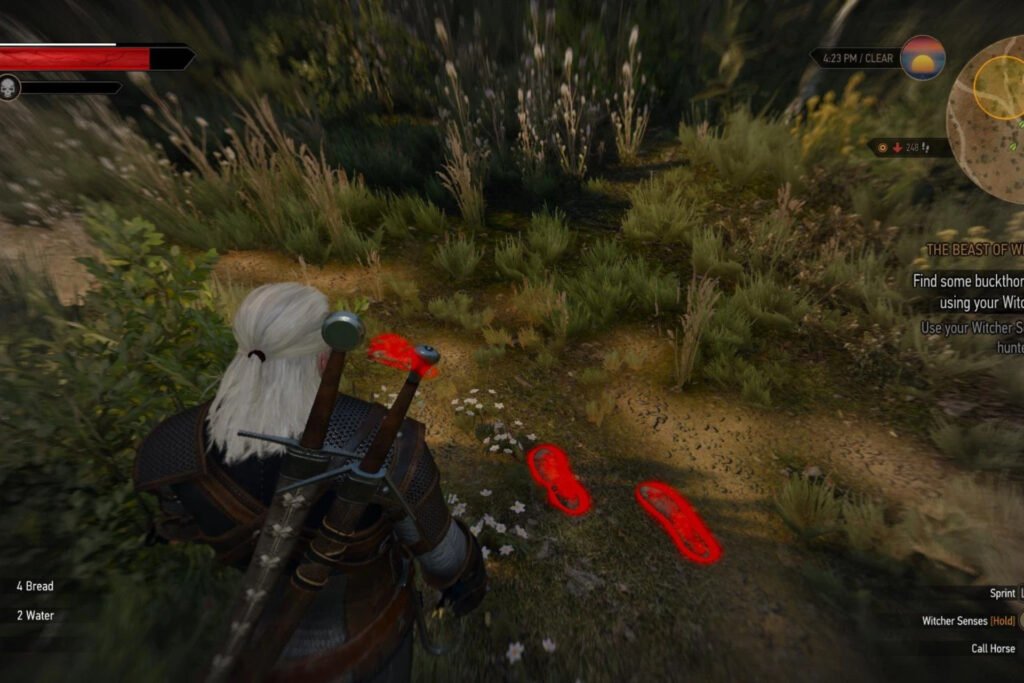
This structure reframes the monster. It is often a consequence rather than a cause. That shift elevates contracts beyond simple combat encounters.
The preparation system reinforces this. Reading bestiary entries, crafting oils, and using potions make the player engage with knowledge rather than brute force. Geralts’ identity as a professional monster hunter is expressed mechanically, not just narratively.
Pacing And Escalation
The game understands contrast. After emotionally heavy questlines, it often shifts time rather than escalating immediately.
The main narrative alternates between searching for Ciri, revisiting her playable flashbacks, and bringing characters together at Kaer Morhen. The shifts prevent fatigue, and the story builds gradually rather than constantly intensifying.
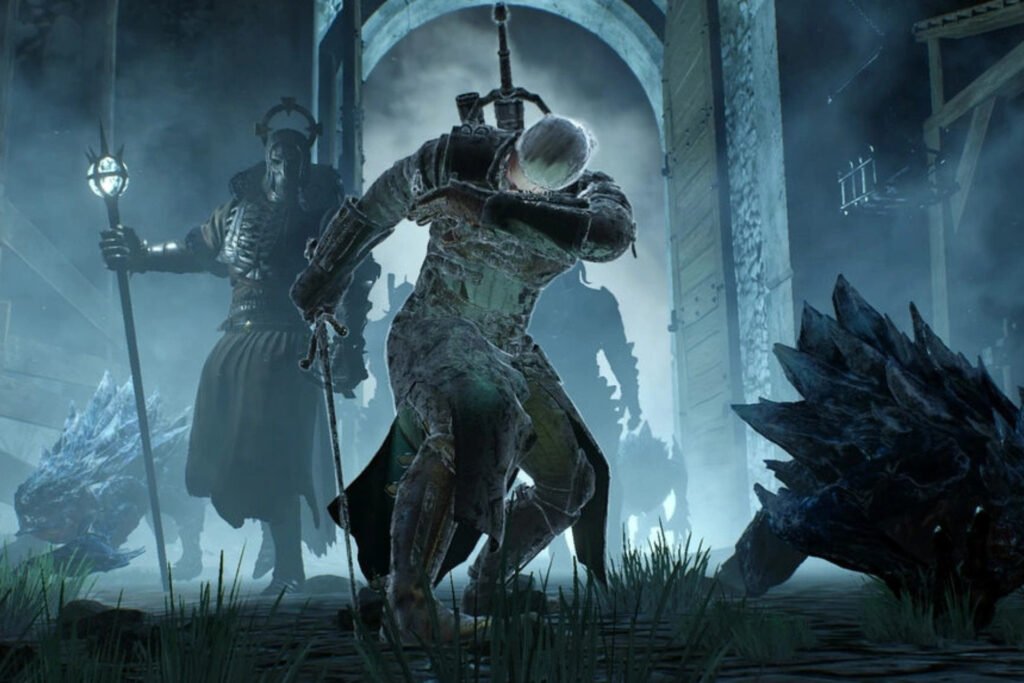
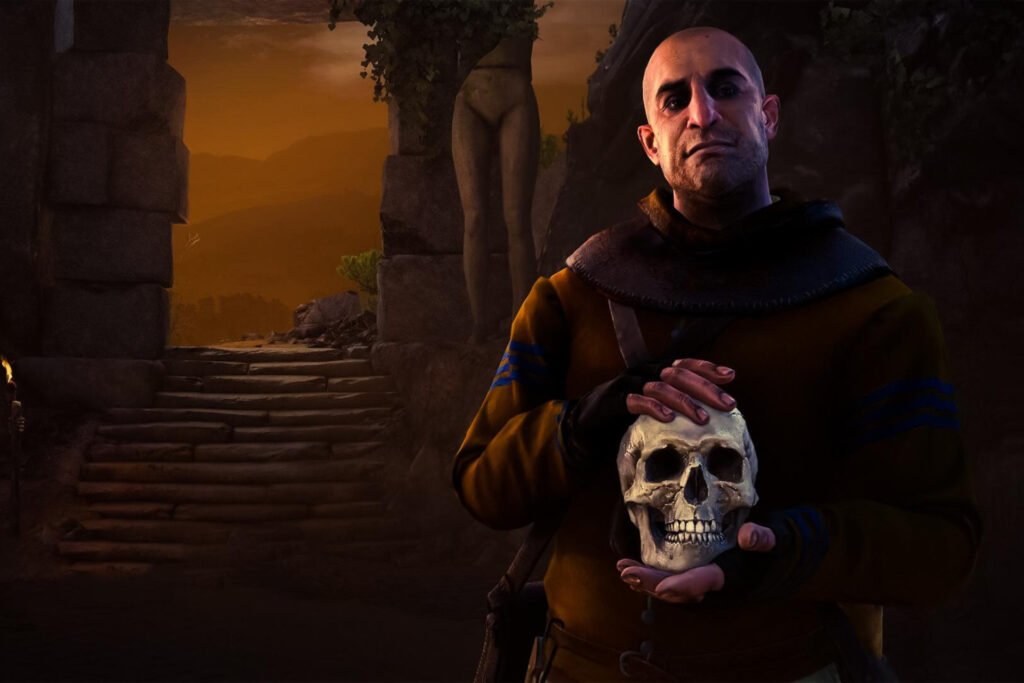
The expansions refine this further. Hearts of Stone narrows its focus; its quest design is tight and theatrical, building towards confrontation with Gaunter O’Dimm. The contained scale sharpens its thematic clarity.
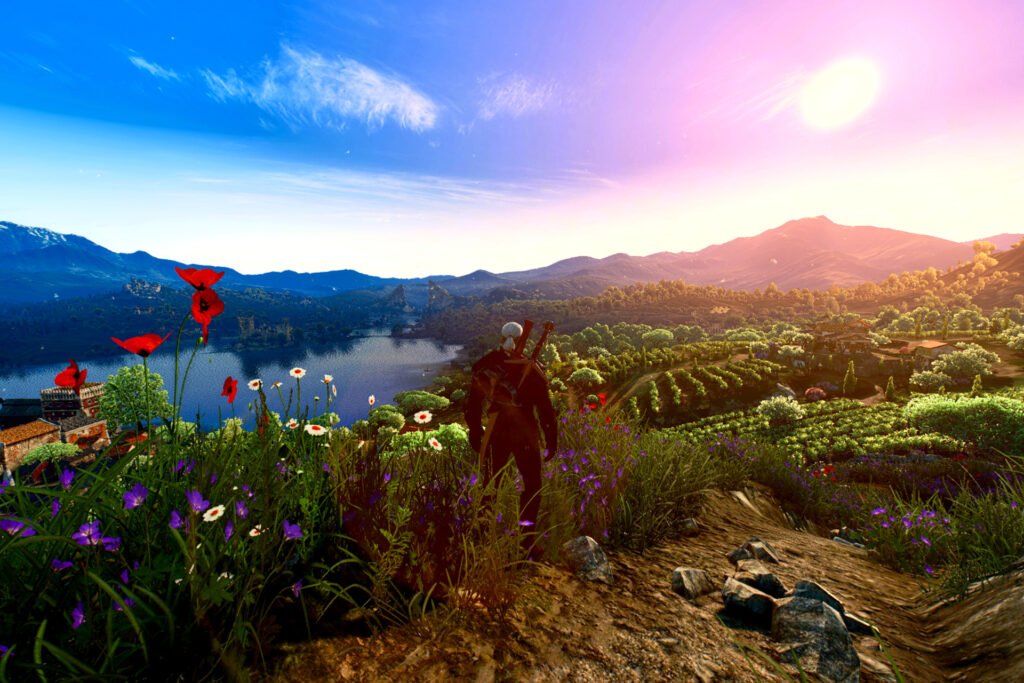
Blood and Wine uses tonal contrast. Toussaint’s vibrant, fairy-tale aesthetic stands in opposition to Velen’s bleakness. Its questline leans into mystic storytelling while maintaining moral ambiguity.
The Illusion Of Simplicity
Many quests appear structurally simple. Track a lead, talk to an NPC, investigate a site, and make a decision.
The complexity lies in its execution. Dialogue trees contain subtle tonal variations, and small conversational shifts can influence long-term outcomes. The writing relies on subtext rather than constant exposition. The game rarely announces its importance, and it allows scenes to unfold without underlining them.
Comparison To Modern Open Worlds
Since 2015, open-world games have expanded in size, but not always in density. Activity markers multiply, objectives fragment into repetitive loops, and the narrative often exists to justify mechanics.
In contrast, The Witcher 3 keeps authored storytelling at the center. Even when systems repeat, narrative framing changes enough to maintain engagement.
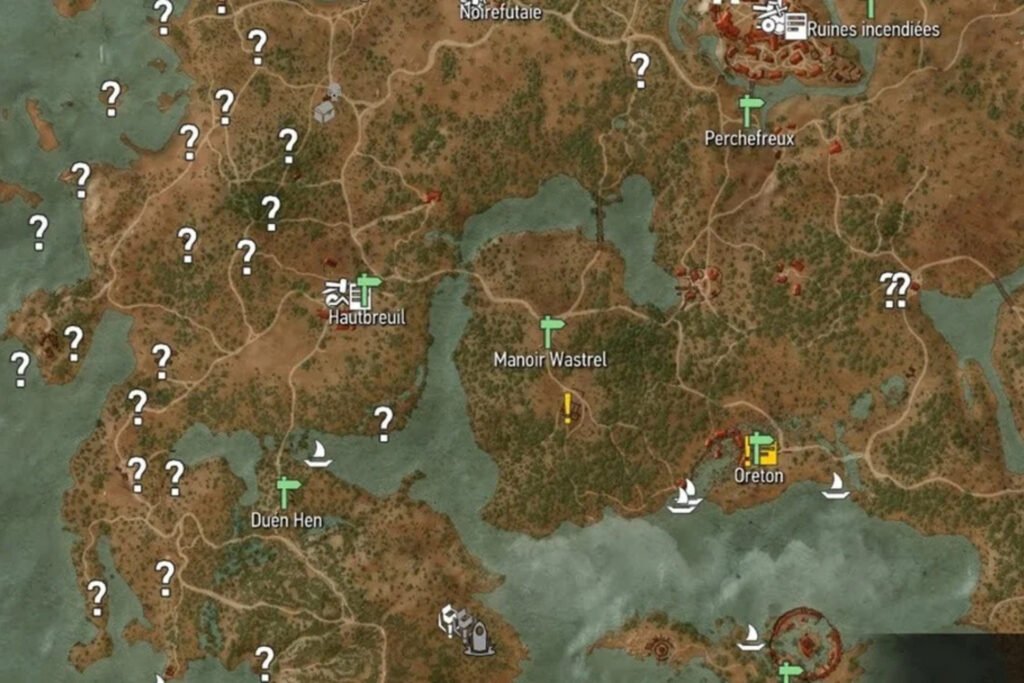
Modern RPGs often struggle to balance player freedom with narrative cohesion. The Witcher 3 narrows the gap by embedding player choice inside structured arcs rather than relying purely on systemic randomness.
Why It Still Holds Up
What keeps The Witcher 3 in conversations about open-world design isn’t just nostalgia.
Quests reinforce character arcs, environments support narrative tone, choices echo forward in ways that feel earned, and optional content contributes to world identity instead of existing as padding.
Many open-world games provide scale, but The Witcher 3 provides structure. And that difference is why, nearly a decade later, it still feels deliberate.