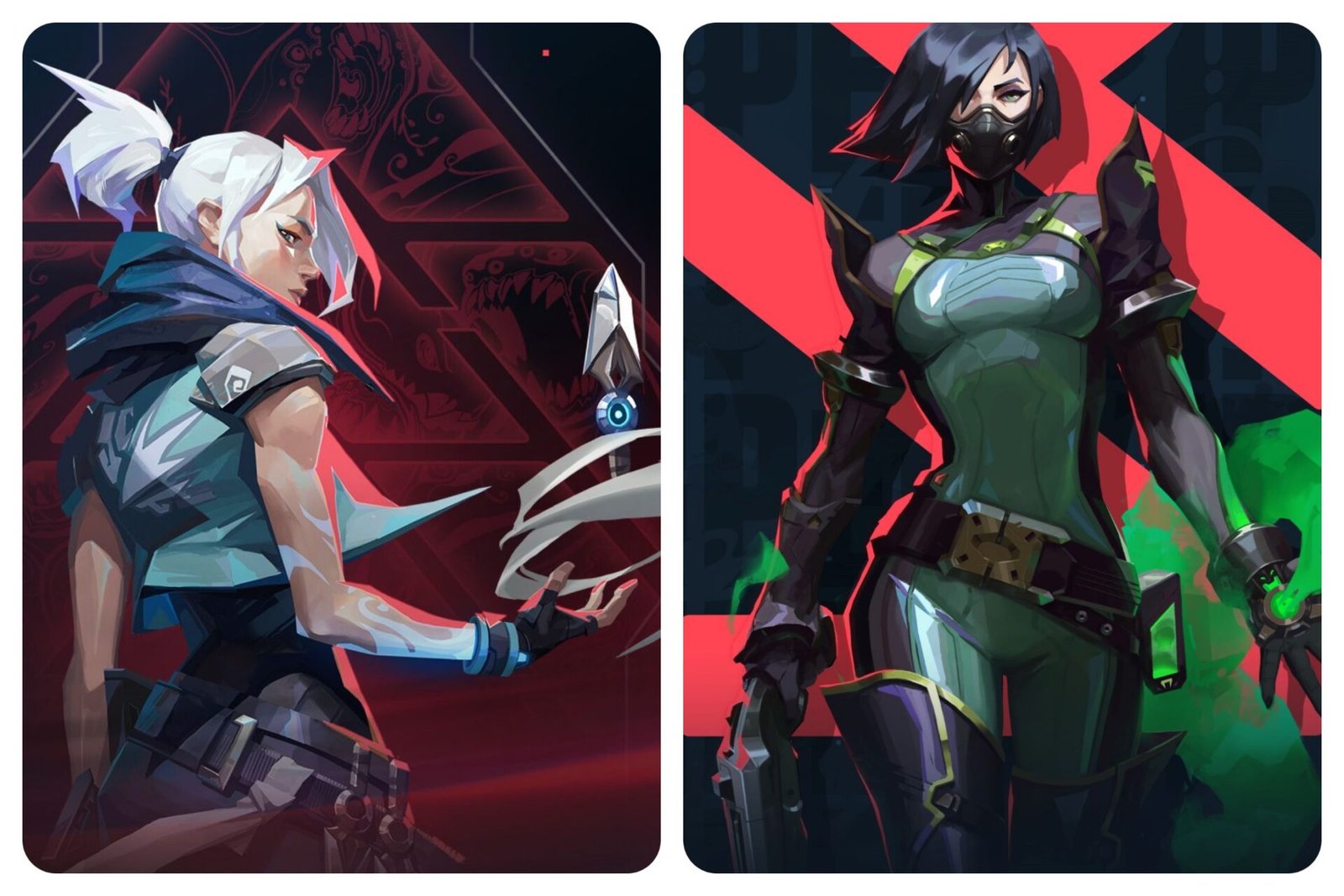
Are you locking in Jett, dropping 15 kills, but still losing rounds? Or maybe you’re smoking off sites perfectly but feel invisible on the scoreboard. Either way, something is off, and it probably comes down to not fully understanding what your role actually demands. Let’s break down what separates Duelists from Controllers so you can play your role the right way.
What Do These Roles Really Do?

Each agent plays a specific role on the team. Valorant splits its 28 agents into four classes: Duelists, Controllers, Initiators, and Sentinels. Each one has a specific job in how your team attacks, defends, and controls the map. But the Duelist Controller roles tend to cause the most confusion and the most arguments in agent selection.
At a surface level, Duelists are the aggressive fraggers. Controllers are the smoke players. However, the Duelist and Controller roles tend to cause the most confusion and the most arguments in agent selection.
The Controller Role: The Invisible MVP

Controllers don’t get highlight reels. But ask anyone who’s played a ranked game without one, and they’ll tell you it’s nearly impossible to win. Controllers shape the battlefield by blocking sightlines, slowing pushes, and dictating where fights happen.
The current Controller roster includes six agents: Brimstone, Omen, Viper, Astra, Harbor, and Clove. Every one of them has some form of smoke ability, and most bring additional utility like slows, stuns, or area-denial tools.
Knowing your role makes a big difference. Whether you are climbing through Silver, where most of the ranked player base sits, or grinding toward Diamond with the help of a Valorant Boost, understanding the Controller role can genuinely change your win rate. On attack, you’re cutting off angles where defenders can shoot your team. On defense, you’re stalling pushes and buying time for rotations.
Consistency is everything here. Miss a single smoke or time it incorrectly, and your team faces a serious disadvantage. Controllers are the foundation that everything else is built on.
Side-by-Side Comparison
| Duelist | Controller | |
| Primary Job | Entry fragging, securing kills | Blocking vision, controlling space |
| Playstyle | Aggressive, first in | Strategic, supportive |
| Key Abilities | Flashes, dashes, movement tools | Smokes, walls, area denial |
| Attack Role | Take the first fight on site | Cut off defensive sightlines |
| Defense Role | Seek aggressive picks | Stall pushes and delay executes |
| Mechanical Demand | Very high aim required | More game sense and timing |
The Duelist Role: Your Team’s Spearhead

Duelists are designed to take fights. If you have played other hero shooters with role-based systems, this concept is familiar. They initiate attacks first and seek out aggressive opponents during defense. Riot Games describes them as “self-sufficient fraggers,” agents designed to seek engagements and secure kills.
There are currently eight Duelists in Valorant. They generally fall into two subcategories:
- Movement Duelists: Jett, Raze, and Neon rely on mobility to create space and reposition after getting a pick
- Flash Duelists: Phoenix, Reyna, and Yoru use blinding abilities to win gunfights before the enemy can react
- Hybrid Duelists: Iso and Waylay bring unique tools that blend elements of both subcategories
On attack, you are the entry fragger, the first person walking onto the site, taking the initial duel, and creating space for your team to follow. On defense, you’re looking for early picks or aggressive off-angles to swing the numbers in your favor.
The catch? In a game with millions of active players, being a good Duelist isn’t just about getting kills. It is about getting the right kills at the right time. A Jett who lurks across the map and baits her team isn’t doing her job, even if she finishes with 25 frags.
Which Role Fits Your Playstyle?

Play Duelist if you have sharp aim and quick reflexes, enjoy being the center of the action, are comfortable dying first, and thrive under pressure. Duelists need confidence. Hesitation gets you killed.
Play Controller is for you if you like thinking two steps ahead, prefer winning through strategy over raw mechanics, and have strong map awareness. In a live-service landscape where burnout is real, Controllers offer a playstyle that rewards game knowledge over grinding aim trainers. If you’re the type of player who studies lineups and thinks about round economy, you’ll fit right in.
How These Roles Work Together

A Duelist without smokes is essentially running into crossfires. A Controller without a Duelist is smoking off sites that no one pushes through. These two roles rely on each other.
Effective attacking rounds follow a simple formula. The Controller blocks key defensive positions, the Duelist enters through or around the smoke, and the team follows to trade. When the setup breaks down, smokes arrive too late, or the Duelist refuses to go first. Rounds fall apart quickly.
The standard-ranked composition almost always includes at least one of each role. Skipping a Controller entirely is widely regarded as one of the quickest ways to lose, with win rate trends by rank supporting this, as smokes are essential on both sides of the map.
Common Mistakes by Role
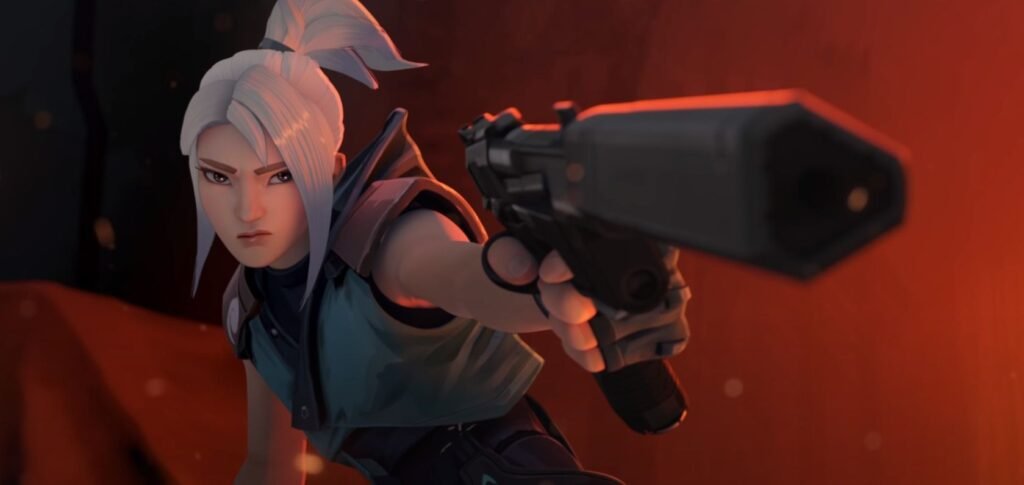
Even experienced players fall into bad habits. Here’s what to watch out for:
- Duelist Lurking instead of entering: If your Controller smokes off-site, you need to be the first one in.
- Duelist Baiting teammates: High kill counts mean nothing if your team sacrifices themselves to open space you don’t use.
- Duelist: No comms before pushing: Your team can’t follow up on plays they don’t know are coming
- Controller: Smoking your own team’s push: Badly placed smokes hurt your team more than the enemy
- Controller: Dying with unused utility: Playing too aggressively and wasting your team’s most valuable resource
- Controller: Autopilot smoke placement: Same smokes every round makes you predictable and easy to read
Best Agents to Start With

For Duelists, Phoenix is the most forgiving. He has a flash, a self-heal, and an ultimate that lets you take aggressive fights with little risk. Once you’re comfortable, Jett and Raze offer greater skill ceilings with their mobility.
For Controllers, Brimstone is the simplest. Just pull up the tablet, click where you want smokes, and you’re done. Omen has more playmaking potential but takes longer to learn. And Clove, who blurs the line between Controller and Duelist with aggressive fragging tools alongside smokes, is currently one of the strongest agents in the entire game.
FAQ

Can you rank up playing only Controller?
Absolutely. Good smoke usage directly translates to more wins. You won’t always top the scoreboard, but your win rate will reflect your impact. Many top-ranked players specialize in Controllers.
Could having two Duelists on a team present a challenge?
Not necessarily, but it can backfire. Two Duelists usually mean you’re lacking utility in other areas. If both Duelists are getting kills, this strategy can be effective. If not, your team has nothing to fall back on.
Why do people say the Controller is the most important role?
Because smokes are irreplaceable. You can technically play without a Duelist if other agents handle entry, but there’s no substitute for blocking enemy sightlines on both attack and defense.
Should I one-trick an agent or learn the whole role?
Learning two to three agents within your role is ideal. Different maps favor different agents, and you won’t always get your first pick in agent select.
Key Takeaways
- Duelists are entry fraggers who create space through aggression and first kills.
- Controllers shape the battlefield using smokes, slows, and area denial.
- Both roles are interdependent. Duelists need smokes to enter, and Controllers need Duelists to capitalize on utilities.
- Pick Duelist if you have a strong aim. Pick Controller if you prefer strategy and map control.
- Every team needs at least one Controller. Skipping smokes is one of the fastest ways to lose rounds.
- Learn two to three agents in your role to stay flexible across maps and compositions.
- Clove currently blurs the line between both roles, making them one of the most versatile agents in the game.