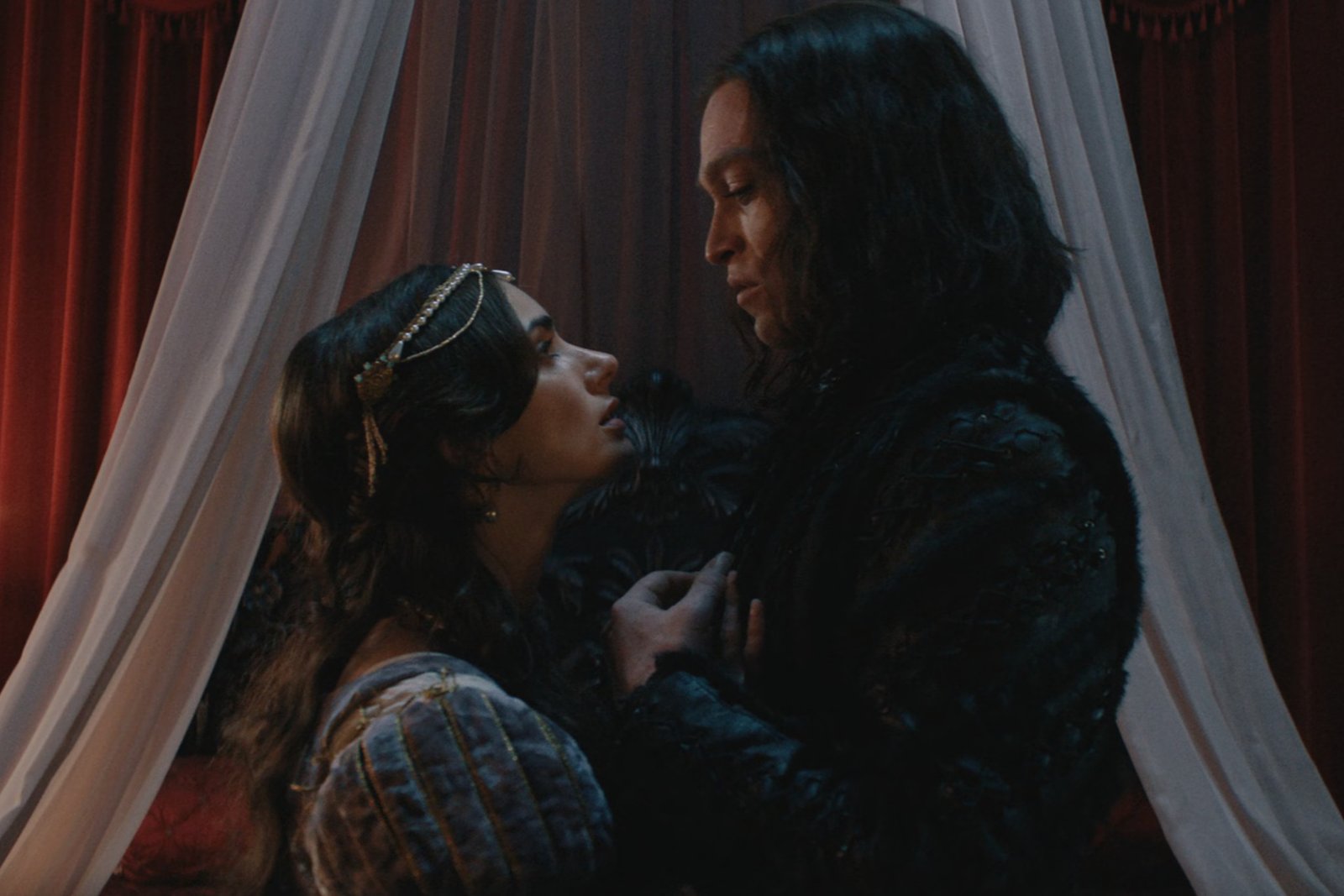
Another take on the iconic horror figure, Dracula: A Love Tale, comes out seven months after the highly anticipated Robert Eggers’ Nosferatu (2024). As cinema finds itself in a resurging fascination with horror tales such as Sinners, Frankenstein, and even Weapons, this latest horror adaptation attempts to reinterpret the feared vampire in a more romantic light.
Dracula’s reimagined tale begins when Prince Vladimir of Wallachia denounces God after the loss of his wife, thereby inheriting an eternal curse. As he’s condemned to wander the earth for centuries across different historical eras, he clings to the hope of reuniting with his lost love.
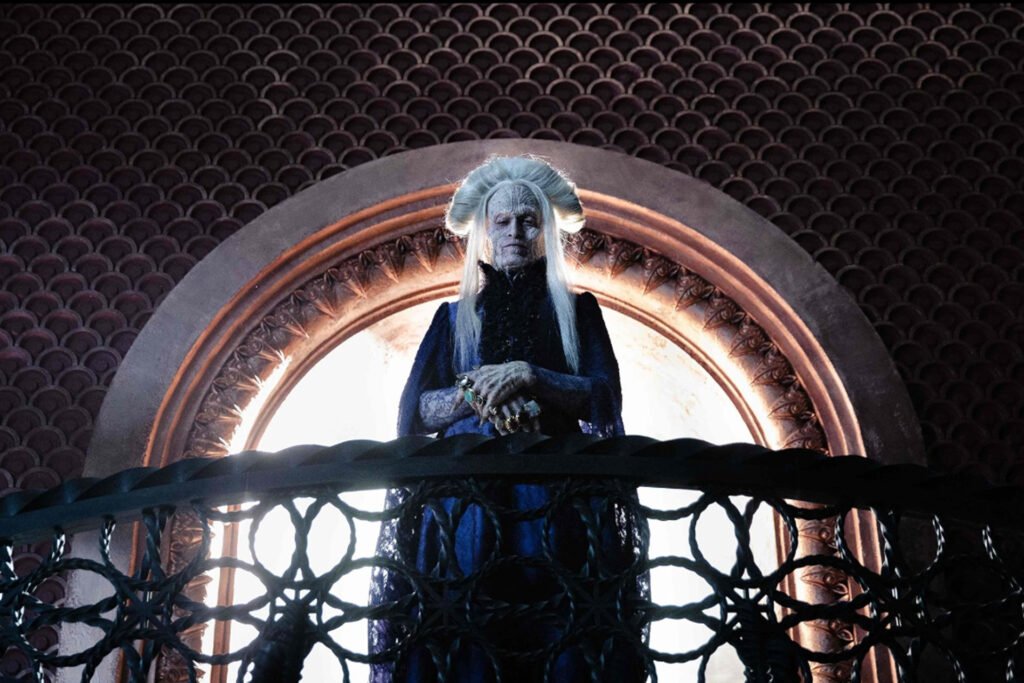
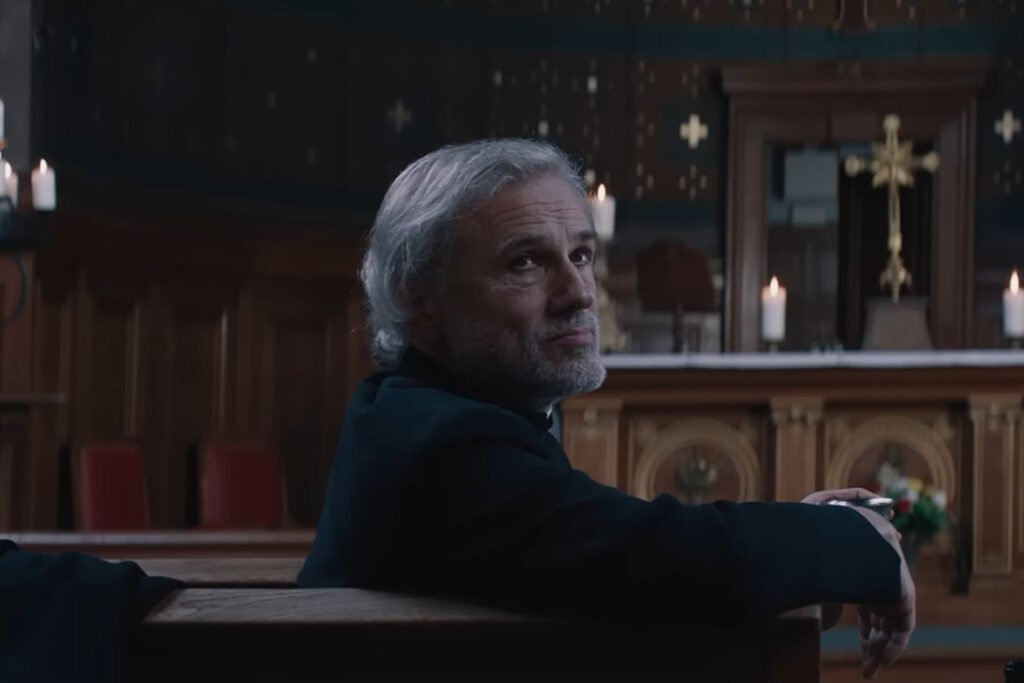
What caught my attention about this film was its cast. With Christoph Waltz (Inglorious Bastards, Alita: Battle Angel, Big Eyes) as an occultist priest and Caleb Landry Jones (X-Men First Class, Dogman, Get Out)as Dracula / Prince of Wallachia, I became interested in how the duo would play off as their characters. Furthermore, I’ve come to greatly appreciate the magnetic personality of Zoë Bleu as Elisabeta / Mina Murray and Matilda De Angelis playing as Maria, Mina’s close friend and Dracula’s thrall.
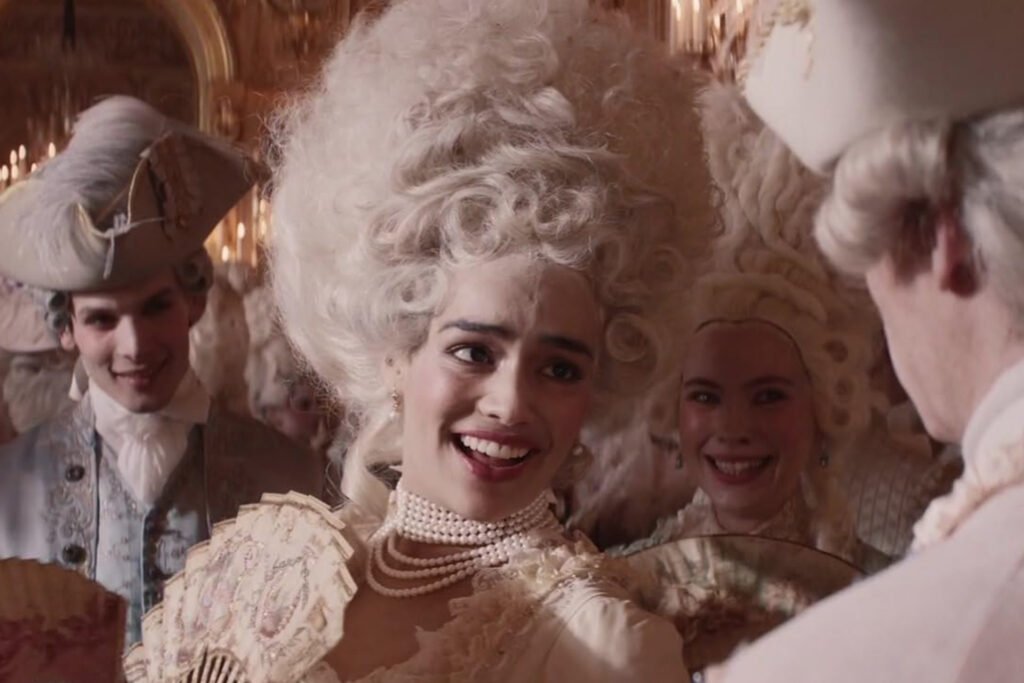
As a gothic romance film from Luc Besson, I was eager to see the depictions of the 15th-century Wallachia, which did not disappoint. The battle scenes between the Prince’s troops against the Ottomans were very grand, and it felt like an epic tale that still highlights the romantic themes of its story. Similarly, the dance scene set in the 18th-century Marie-Antoinette style was one of my favorites as it truly stood out to me, especially being complemented with Danny Elfman’s scoring.
Narratively, Dracula: A Love Tale takes a very deliberate approach to a centuries-spanning story. While it focuses more on 19th-century Paris, with some flashbacks and brief scenes throughout a few centuries, it doesn’t lose that thread of Dracula’s eternal yearning for his lost love. It’s one of the aspects I’ve admired about his character in this movie. While 21st-century vampire tales often revolve around forbidden romance and the danger of it, this one is an unconditional love filled with longing that makes it all the more interesting.
At the same time, having a subplot of the occultist Priest, all too familiar and investigating a newfound vampire, does add some layer of tension to the story. Perhaps the Priest stands in as Abraham van Helsing with his profound knowledge of vampires, though the film never fully delves into the Priest’s backstory. His presence seems to function more as a moral and rational counterpoint to Dracula’s emotional journey, which only happens around two-thirds into the film. Unfortunately, I wished Christoph Waltz’s character had more depth in his intentions and background, as he seems to suddenly appear and disappear when the plot requires it.
Moving forward, I think a resonating moment of the movie is when Dracula reunites with Elisabeta now reincarnated as Mina. It’s a twist that resembles the ending of Dracula Untold, but with a more exploratory take. The movie delves more into the tension between memories and identity. And while Mina does remember her past life as Elisabeta, it does happen in quite a rushed manner. Her character could’ve been stronger in terms of presence, and she deserved more individuality than just being Dracula’s lost love.
However, with how this movie wrapped up its ending, it was bittersweet. While Dracula finally reunites with Elisabeta in Mina’s form, their happy ending doesn’t come without sacrifice. In contrast to expectations of Dracula turning Mina into a vampire and living the rest of their lives in immortality, we see Dracula surrender himself to the Priest and choose to repent for being blasphemous against God.
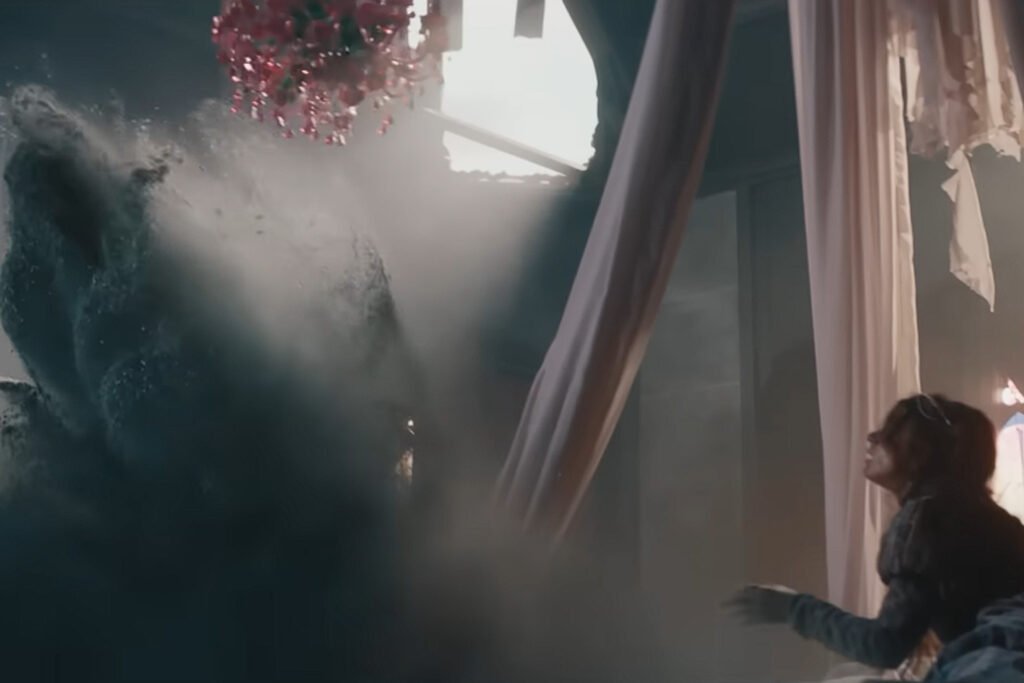
Rather than indulging in eternal love without consequences, the movie seems to emphasize morality, redemption, and the price of desire. Dracula’s sacrifice is both noble and tragic, prioritizing the mortality of Mina over his own longing. It leaves you with a sense of melancholy, but still with a sense of satisfaction, underscoring that love will still conquer all.
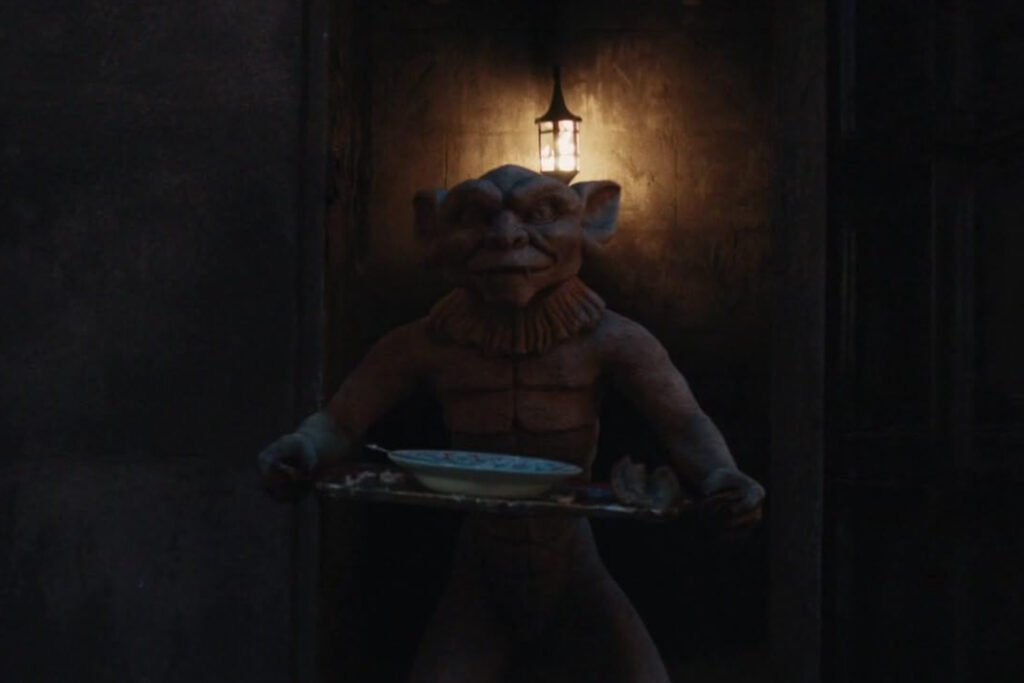
Despite its appeal, the movie still has its flaws. A major jarring element I noticed was the CGI gargoyles that serve as Dracula’s servants and caretakers of the castle. While they’re visually striking, they ultimately add little to the story, and were revealed to possibly be imprisoned children? It’s a mystery how they came to be under Dracula’s leadership, and having the gargoyles as the only supernatural creature besides vampires feels odd to grasp.
Another issue is the subplot of the perfume, which, in the movie, is supposed to “attract Mina’s resurrected soul” and have her memories unlocked. It felt like the perfume was supposed to hold significance throughout the entire movie. But ultimately, the idea feels underdeveloped. It barely impacts the narrative and seems to function more as a convenient plot device to strengthen Dracula and Mina’s connection.
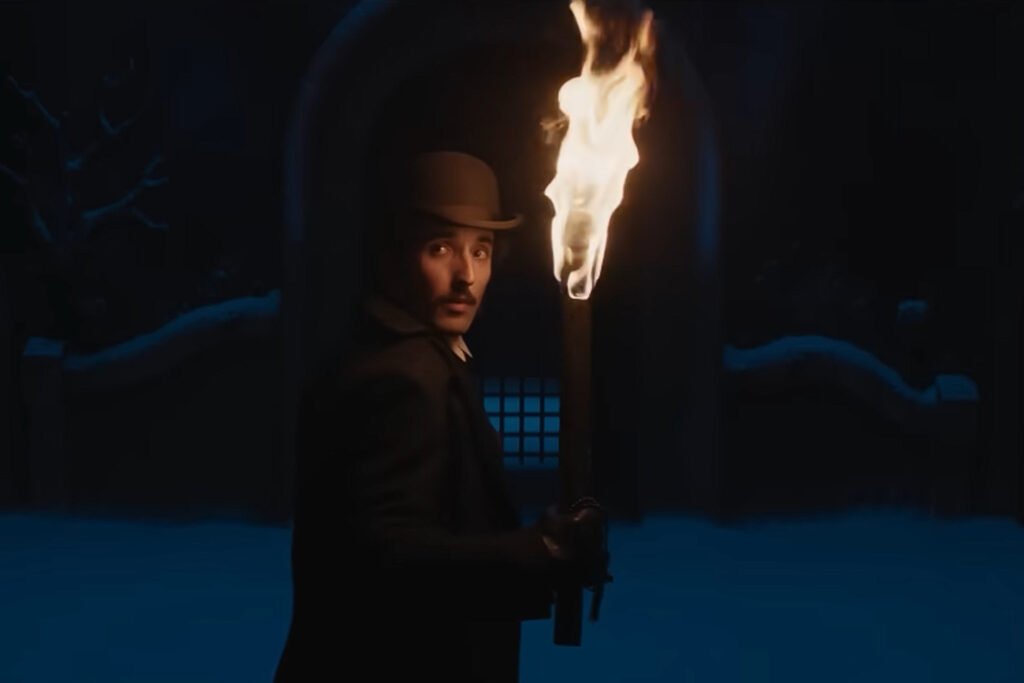
Then there’s Jonathan Harker’s character (played by Ewens Abid), who has a comedic inability to recognize Dracula’s supernatural abilities, despite witnessing them several times. While this gives a sense of campiness to the movie, it felt a bit out of place with the narrative seeming to be a drama. Additionally, Dracula’s accent pulled me out of the immersion of this movie. While these issues don’t derail the film, the movie falters in areas of writing and in some logic.
With that, Dracula: A Love Tale is a visually stunning and ambitious undertaking of the character. Despite Luc Besson’s intentions to deliver gothic romance with intimate moments of yearning and devotion, its underdeveloped subplots add little to its narrative. Yet, these shortcomings can be outweighed by the emotional core of the story as a centuries-long love that endures, transforms, and demands pure sacrifice.
In the end, this movie is a bittersweet exploration of love, immortality, and redemption. It may not be perfect, but its passionate performances and sets can give you a fun time, still making it a worthy watch, especially if you’re into gothic horror.
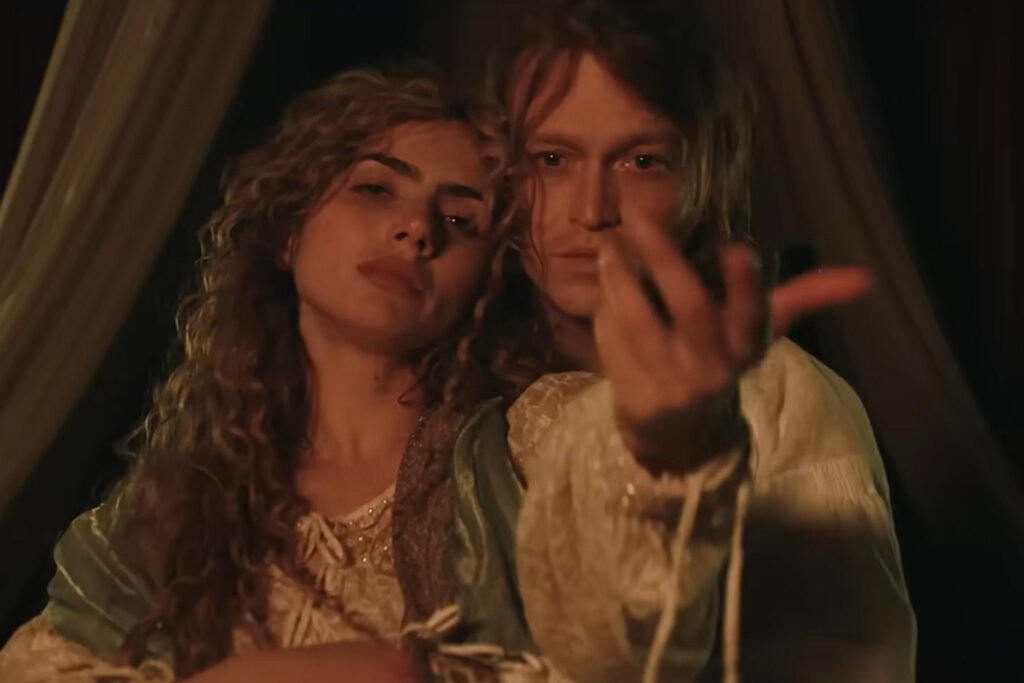
Dracula: A Love Tale: A bittersweet and visually stunning gothic romance that lingers, this movie is a centuries-spanning story with tender performances and a whole lot of yearning. Despite some underdeveloped subplots and occasional missteps, the film's emotional core of Dracula's enduring devotion to his lost love prevails even in the afterlife. – Renee Aguila