
Firaxis has been hard at work trying to make Civilization 7 a success. There have been a slew of balance changes, new leaders and civs, and even map types added, most of which have been made free (albeit temporarily in some cases), but the biggest project the devs have cooking is also the most unnecessary, because players seem to hate the coolest thing about the game. Yes, rather than the exciting, dynamic new direction that Civ 7 takes the series in by letting you evolve your culture throughout the ages, the most-requested feature – coming in this spring’s Test Of Time update – remains the ability to just stay as a single civilization throughout the entire game.
It Ain’t Broke
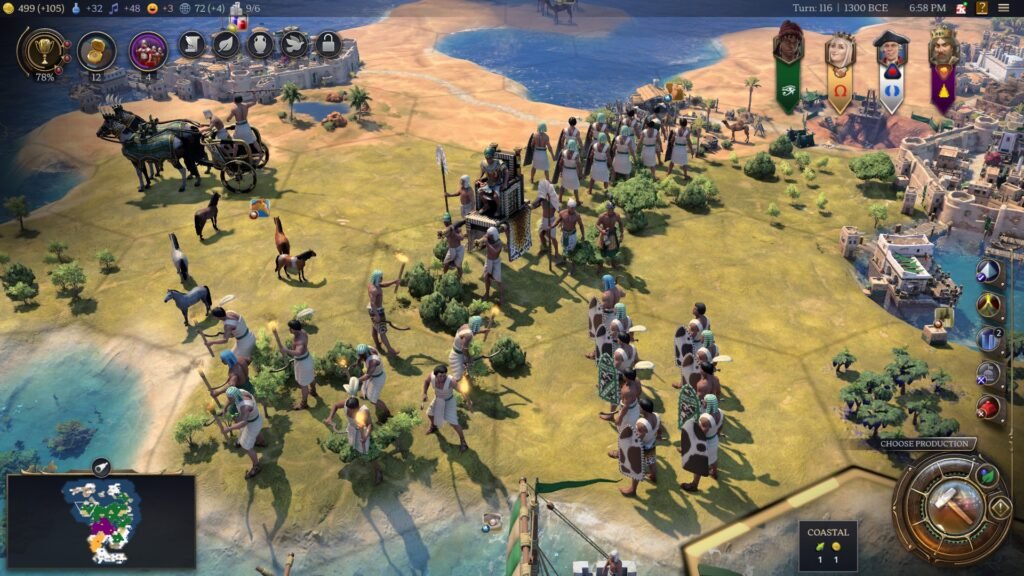
The majority of Civilization 7‘s negative reviews seem to be from “lifelong Civ fans” and players who have been playing since the first or second game. In the interest of full disclosure, I’m also a part of that demographic, having started with Civilization 2. In general, people seem to think that changing civs between ages breaks the games immersion, which couldn’t be further from the case. “I don’t know whether to laugh or cry,” says a review from user theo.ks, “You start with Benjamin Franklin with the Greek (!) culture, then you become the Spanish empire and only in the last era you play as America(if you choose to because that’s only one of equally unrealistic combinations you are allowed to pick.” JerseyVoodoo also hates the idea, saying, “I have Ben Franklin leading the Romans that turned into Ben Franklin leading Spain… like what? Who asked for this?”
Me, for one. I asked for this. I’ve been waiting for leaders to be decoupled from civilizations ever since Civilization 5, because it opens up a wealth of new gameplay options. Civ 6 got the ball rolling, and Civ 7 proves that it works. Using Mr. Franklin as an example, he works great with the Greeks as his Diplomatic bonuses couple nicely with their inherent abilities, but he can also put his skills to use with Chola India, Tonga, Siam, or a host of other civs – even changing and adapting his strategy throughout the game.
As for the idea that changing civilizations is somehow unrealistic, how many cultures from 2000 years ago (or even 1000) still exist, as they were, today? Even civilizations that have truly stood the test of time, as the franchise’s slogan as long held, have gone through massive shifts and upheavals, which are represented in Civilization 7 through the progression of, for example, the Chinese dynasties; Han, Ming, and Qing, or possibly the effect of foreign influence, like the Yuan (Mongol) Dynasty. Rome and Greece influenced countless empires that came after them – after all, how many European powers claimed to be the successors to the Roman legacy? Civ 7 doesn’t break history, it gives us a new perspective on it while offering engaging gameplay choices.
To address the “How does Egypt become Mongolia?” meme that made the rounds when Civ 7 was first announced, it pays to remember that any map you generate in Civ is a different world from our own. Its cultures look like those of Earth, but once you take your first turn history can go anywhere and do anything. Have some imagination, the game’s more fun that way!
Stagnation Leads To Decline
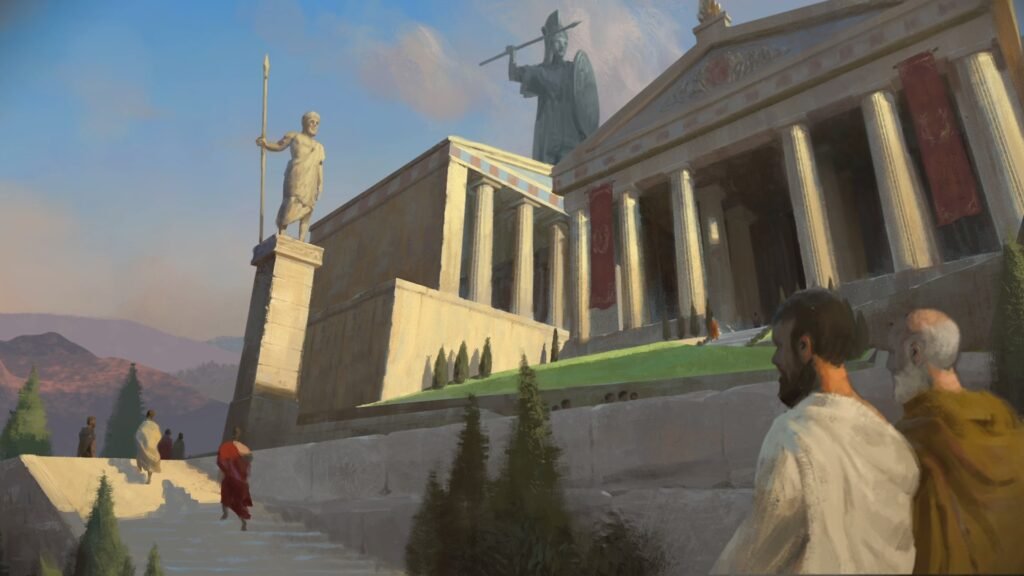
For all its issues at launch, and for how far it still has to go (for one thing, victory conditions still need to be rebalanced, another fix that’s coming in Test Of Time), Civ 7 is a bold step for a series that’s built on innovation. Civilization invented the 4X genre and has stayed firmly on top ever since. It’s done so by changing, adapting, and growing, whether through the addition of cultural borders in Civ 3, hex grids and overhauled combat in Civ 5, or the new dynamic civilizations of Civ 7. This isn’t a franchise that can rest on its laurels and just make the same game over again. But that’s precisely what players are asking for right now.
Every few years a new game comes along that could be the “Civ-killer,” a historical 4X game that does Civilization better than Sid Meier’s crew. So far, they’ve all fallen short – even Amplitude’s Humankind, which originated the idea of swapping cultures between eras, didn’t quite have enough steam to overtake the giant. It could have, though, and Firaxis was smart to take the most exciting thing about their competitor, improve it, and incorporate it into their franchise.
At the end of the day, I love this game and I want to see it succeed, and if that means adding unnecessary features that players are clamoring for, then so be it. I just worry that the lesson here seems to be, “stick to what’s safe and familiar,” and if we all followed that advice, we’d still be stuck with a single Settler surrounded by scary, unexplored tiles.