★★★★☆
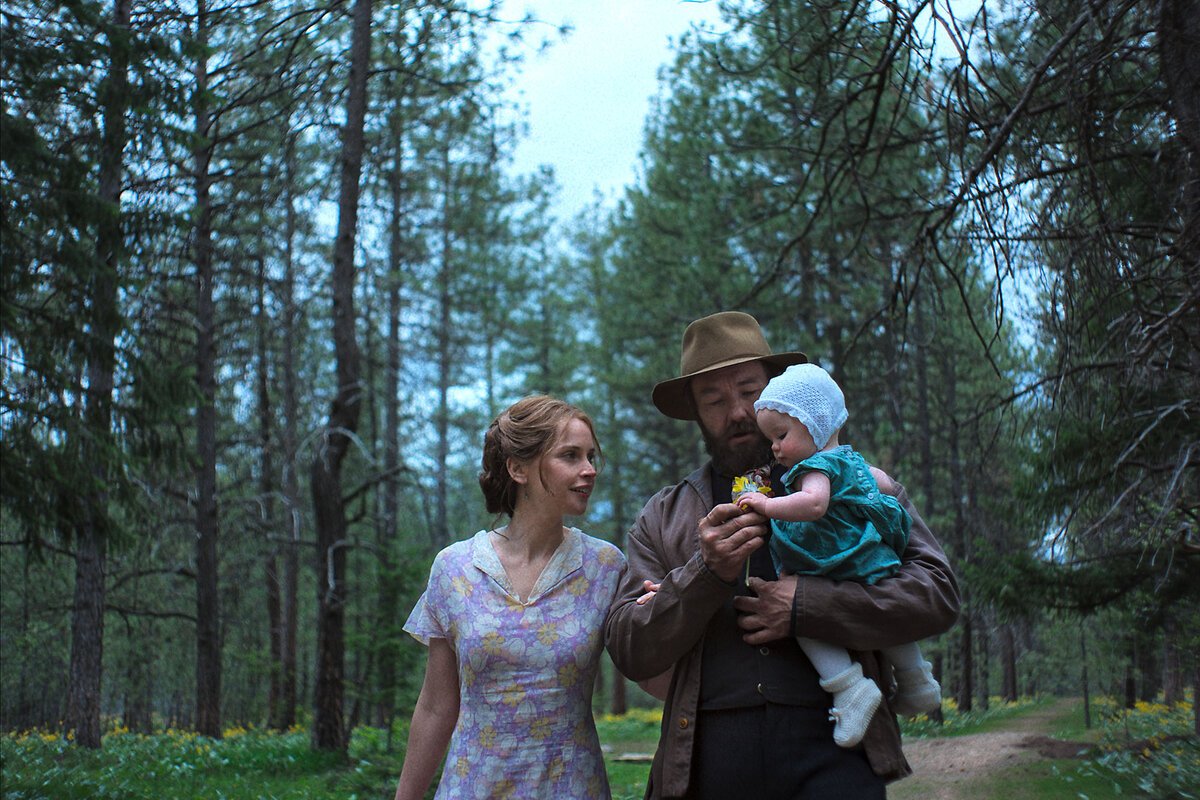
Every now and then, a film will come that perfectly captures the mundanity and the cruelty of life. Clint Bentley’s Best Picture nominee Train Dreams hits the mark. Based on a novella by Denis Johnson and co-written by Bentley’s Sing Sing collaborator Greg Kwedar, the film tells the life story of an ordinary man, placing equal weight on the good and the bad, all the while conveying the beauty of humanity.
Joel Edgerton stars as Robert Grainier, a logger working on the railway construction in the Pacific Northwest in the early 20th century. Through Will Patton’s narration, we learn that he grew up as an orphan and see him learn to fend for himself, accepting the hardships and the brutality that comes with his job. The dangerous conditions Robert works in could be a film of their own. And in part, they are. Once he meets and eventually marries Gladys (Felicity Jones) whom he has a child with, the conflict comes from his job’s requirement to spend prolonged periods of time away from his family in order to be able to support them.
There is very little dialogue in Bentley’s film but he expertly uses naturalism to show the exploitation of the labour force, the inhumane treatment of workers, and the effect all of this has on ordinary people just wanting to get by. Brief moments and scenes, like Robert witnessing a Chinese worker being pushed from a bridge by white workers for no apparent reason or running into a severely injured man left to die by the man who robbed him, give out a warning about the fragility of life and just how quickly it can be taken away, especially from those on the margins of society.
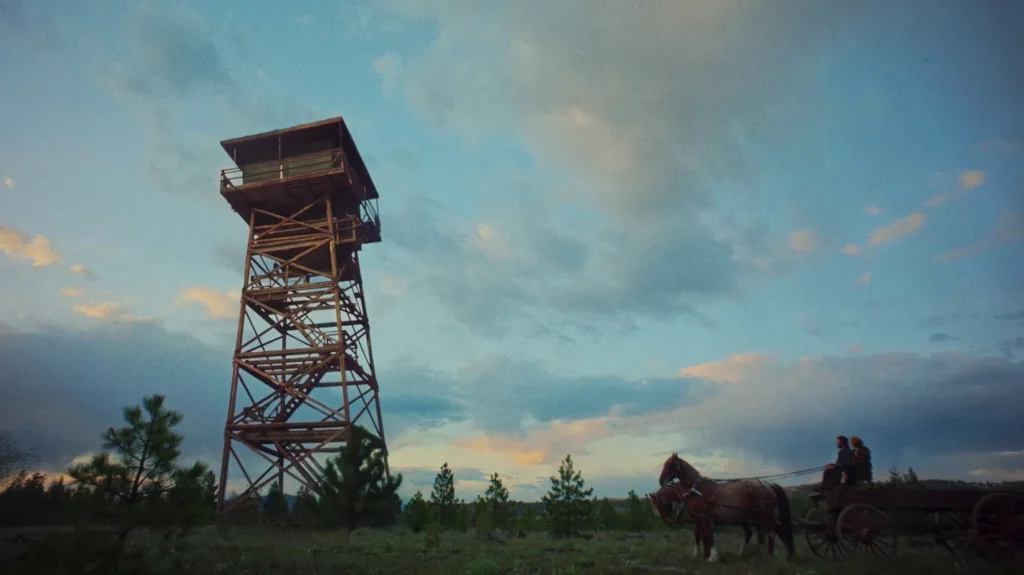
Edgerton brings Robert to life in a well-measured performance, nailing the role of an invisible man who knows how to accept his struggles. However, it is the cinematographer Adolpho Veloso’s work that really elevates Train Dreams. Making the most of Washington’s wilderness, he creates a dreamlike effect, pulling the audience in and adding a little bit of extraordinary to the story of one man’s ordinary life.
Perhaps the only aspect of Bentley’s feature that makes it lose a bit of steam is the narration. Will Patton’s narration serves as the audience’s only source of information about Robert’s life beyond what’s on screen and while it does add depth and context to the character, it also comes as an outsider’s perspective and that makes it easy for audiences to be pulled out of the story, aware of their own outsider status. In a film that is otherwise as immersive as Train Dreams is, this severs the emotional connection a little bit each time.
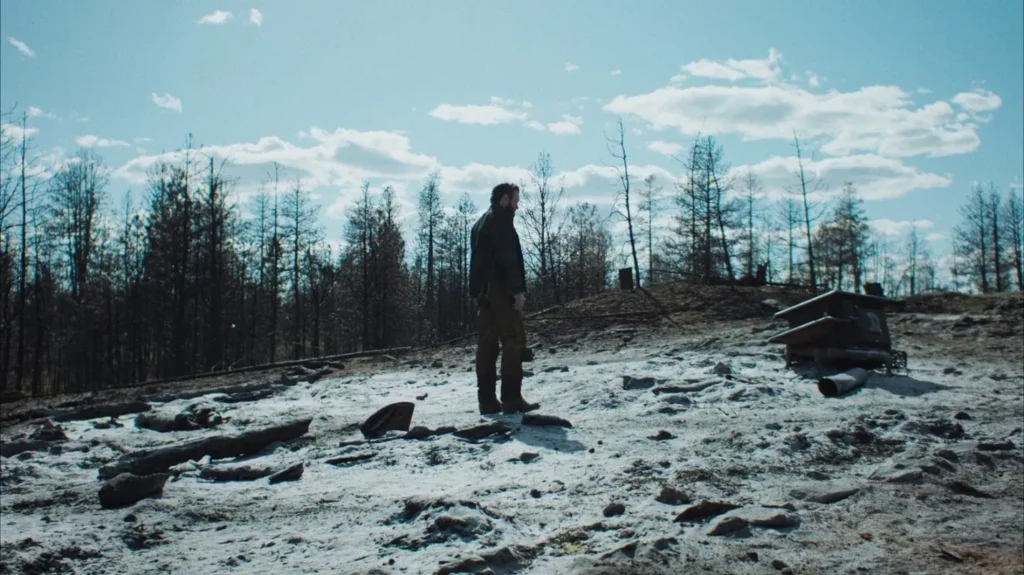
Luckily, the narration indeed becomes something you get used to as the film goes on and once the big tragedy strikes, a devastating fire that leaves Gladys and the couple’s daughter as casualties, it is very easy to feel for Robert. While the hardships of his early life aren’t exactly easy to watch or think about, it is this tragedy that is perhaps the most devastating, especially as neither Robert nor the audience are given closure. Without exact confirmation of his family’s death, who presumably died in the fire but may have simply fled the scene without a way to return, Robert stays to rebuild their home, holding onto the hope that he hasn’t really lost them.
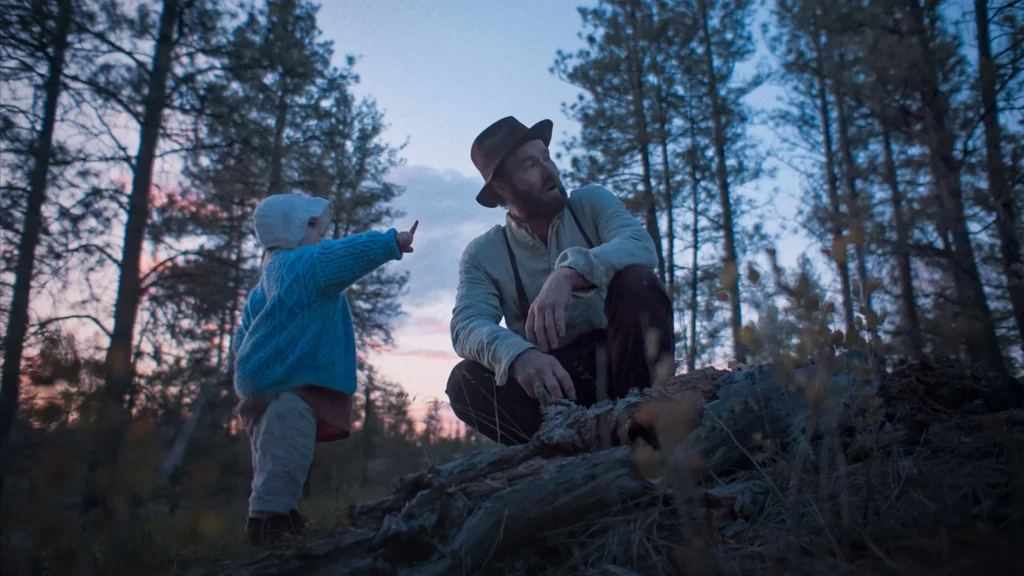
This is precisely what Train Dreams is ultimately about. Despite the tragedy and the cruelty and the violence in life, it’s about the persistent hope that keeps humanity going. The film spans Robert’s entire life and we see those tender moments sprinkled throughout, both with his family and without them. They complement the hardships and are, in the end, what makes the ordinary lives extraordinary.
Train Dreams: Clint Bentley's visually stunning feature expertly explores the harshness of life and the hope needed to keep going. – Pia Ocvirk