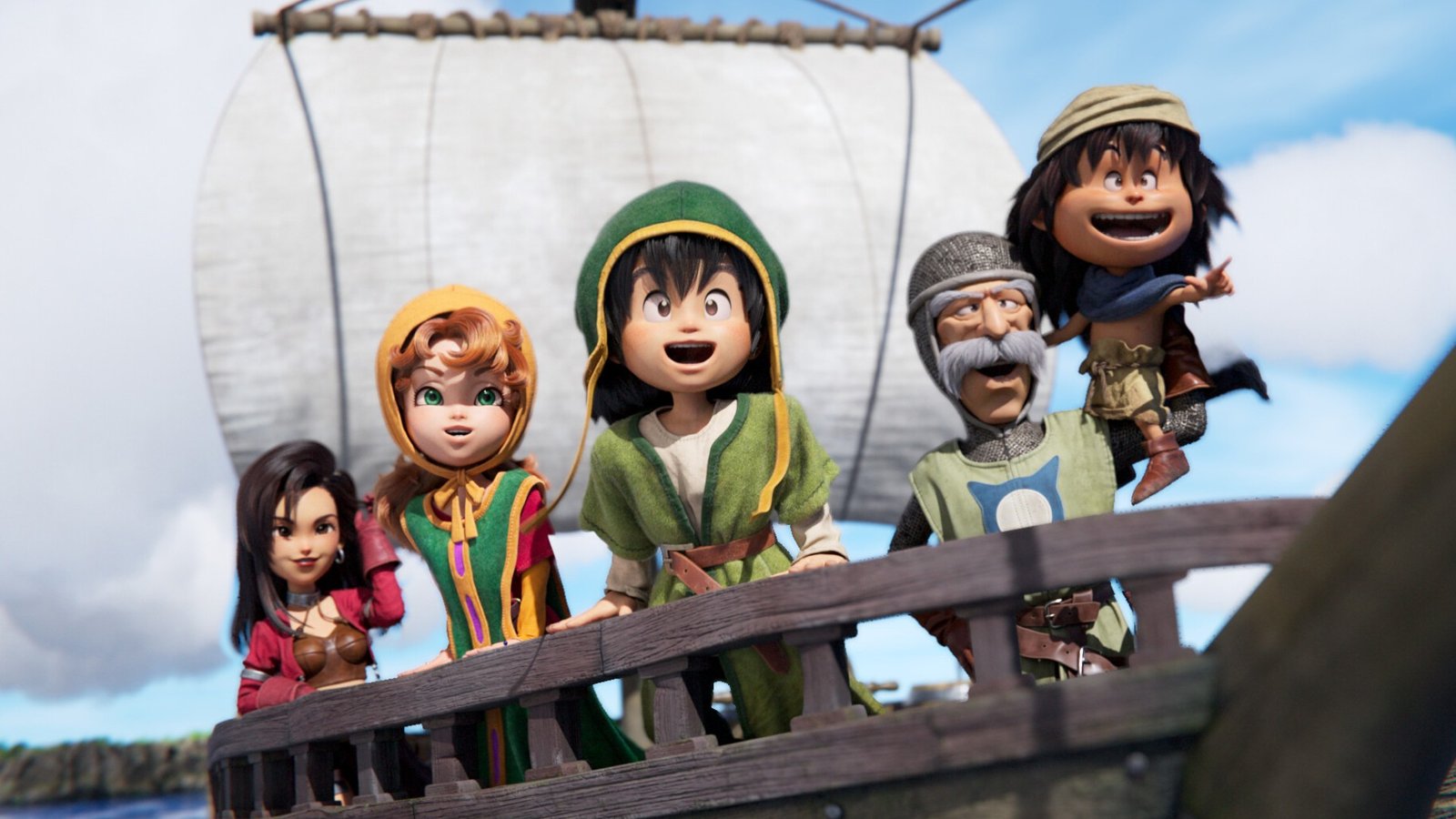
My introduction to the Dragon Quest series was through the Nintendo 3DS remake of Dragon Quest VII: Fragments of a Forgotten Past. And what a meaty introduction it was.
The seventh mainline entry in Square Enix’s iconic JRPG series is infamous for its chunky playtime. Even by the standards of its genre’s typically elongated adventures, Dragon Quest VII is one heck of a long game. I can tell you that my personal playthrough of the 3DS version exceeded eighty hours. From accounts I’ve read online, the original PlayStation game could easily crack the one-hundred-hour mark.
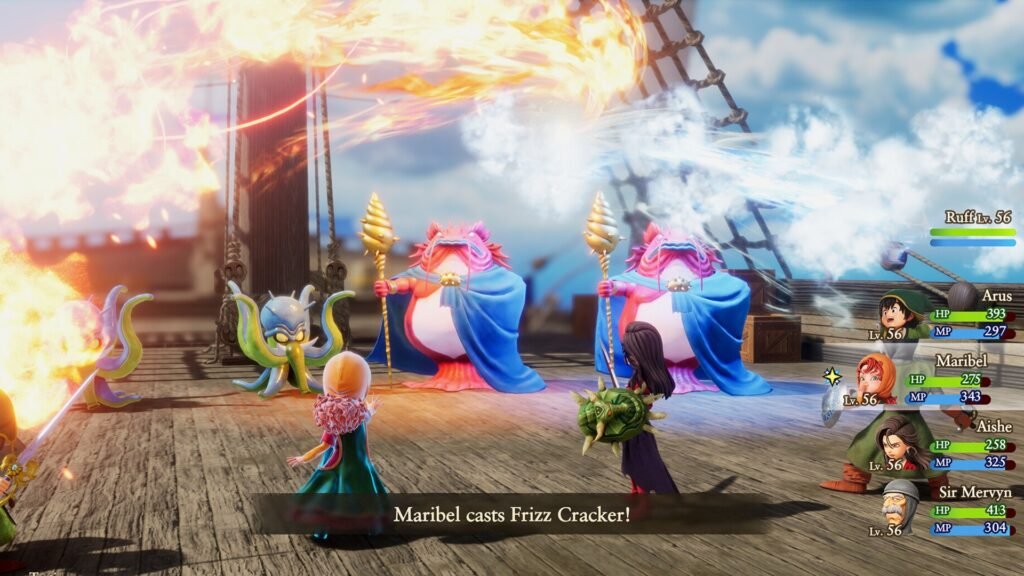
As much as I love this game, I’ll be the first to admit that Dragon Quest VII has some cumbersome aspects. The opening hours are notoriously snail-paced, filled with menial backtracking across the same stretch of condensed overworld with exactly zero enemy encounters. The ability to change your characters’ class only becomes available roughly a quarter of the way into the game. And the framerate during battles—at least on the 3DS remake—can feel as fragmented as the game’s eponymous stone tablets.
But in my opinion, all of these head-scratching and occasionally headache-inducing elements of Dragon Quest VII are worth it because of the game’s strengths. In no other game—Dragon Quest or otherwise—does Yuji Horii’s vignette approach to storytelling shine brighter than it does here. And it’s all wonderfully packaged within an adventure that champions a message of inclusivity and working together for a common purpose.
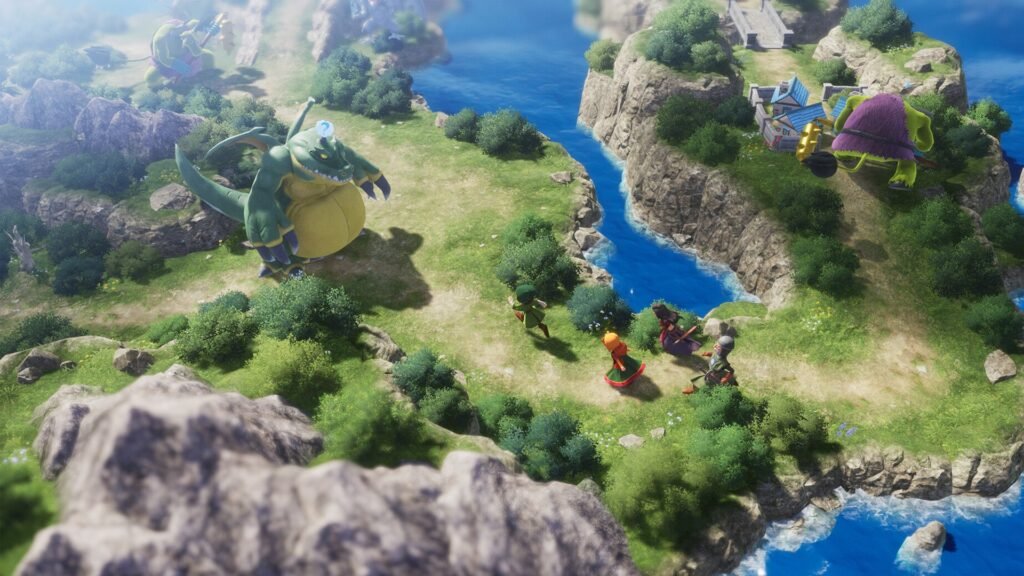
You see, Dragon Quest games have historically favoured shorter, bite-sized, and more episodic stories over the kind of character-centric, overarching narratives you would typically find in a JRPG. Of course, this isn’t always the case. More recent games in the series have structured their plots to be more closely aligned to the Final Fantasy model—where the story of your playable characters is intrinsically linked to the story of the game’s world.
Older Dragon Quest games were traditionally more interested in the hyper-localised stories you would discover in each town or location rather than the ongoing personal arcs of your own party. Occasionally you would get a DQ game that had a foot in both approaches—Dragon Quest IV’s opening chapters that spotlight a particular member of your party being a prime example. But for the most part, these games would place a greater emphasis on the smaller tales you’d find dotted throughout their worlds instead of the main story itself.
As I mentioned before, I believe this style of storytelling peaked with Dragon Quest VII. Sure, there is a broader narrative at play here, and your party does undergo their own personal journeys across the (stupidly long) adventure. But first and foremost this is a game about rediscovering, remembering, and eventually resurrecting the stories of others. Your party are only the stars of this game insofar as they are the ones witnessing—and to certain degrees, participating—in the past lives of people and cultures that have long faded from memory.
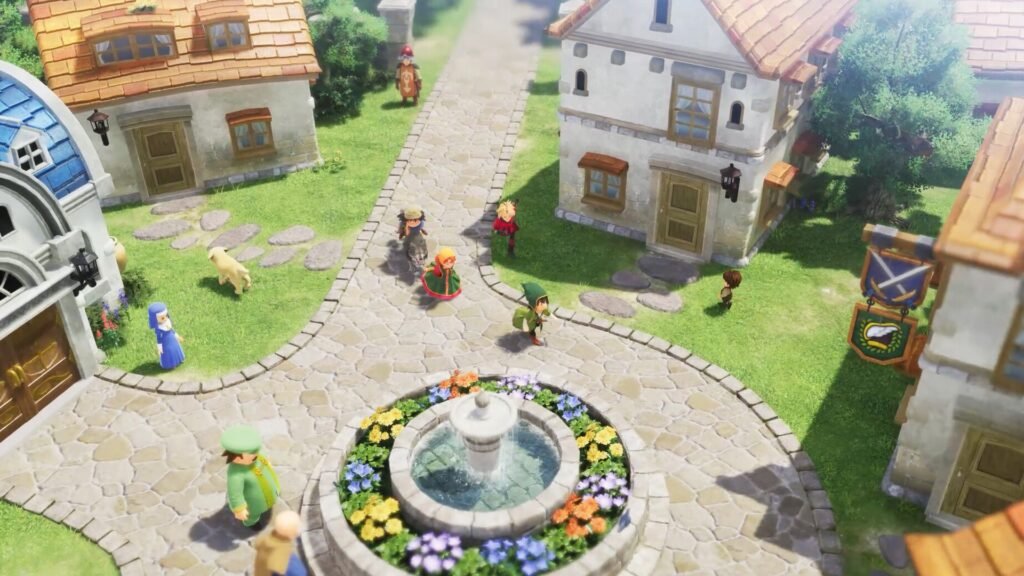
Let’s take a step back. Dragon Quest VII begins on Estard Island, a small landmass that is surrounded by an ocean of complete… nothingness. Yep, there are no other islands, continents, or even a colony of travelling mermaids here. Stranger still, there exists no memory of there ever being other civilisations that existed outside of this one isolated island. Beyond the shores of Estard Island, the world simply stops. That is until your character (the Hero) and his friends discover strange fragments of a stone tablet that seem to resonate with an ancient shrine on the island.
After finding enough fragments, your party is whisked away through space and time to the past histories of various islands they never knew existed before. Once there, it’s up to you to help solve an issue, complete a quest, and naturally, beat up a few Slimes along the way. Doing so will restore that island’s place in the present, helping to gradually rebuild this world to the way it used to be.
And it’s in these bygone islands’ past that you get to experience Dragon Quest VII’s story vignettes. Some are exciting, some are intense, and some are genuinely moving. Whether you’re helping a town where everyone has been turned into animals or fending off an army of robots, each island feels like its own mini-JRPG. My personal favourite is the kingdom of Buccanham where a curse has been placed on all the city’s infants, turning them into demon-like monsters during a full moon. It always gives me the chills and shows just how dark some of these stories are willing to go.
While the individual island stories do vary wildly in tone, length, and structure, it’s precisely this commitment to diversity that keeps the game feeling fresh. Playing through these islands is like discovering and reading a hidden book containing forgotten snapshots from history… but where you also get to help Alexander the Great defeat the Persian Empire or put the finishing brushstrokes on the Mona Lisa.
All of this means that once you return to an island in the present, you already have an established connection with its people and history. One of my favourite aspects about Dragon Quest VII’s story is how relatively chill everyone on Estard Island is about having to suddenly share their world with all these other islands—not to mention having their entire understanding of their own past completely shattered. Sure, it’s idealistic, but there’s something beautiful about how the game’s characters are so accepting of these different civilisations suddenly springing up in their world. Each island brings their own culture, customs, and traditions—which the writers could have very easily made a point of tension in the story.
But it’s because Dragon Quest VII devotes the time to telling the stories of the islands that it would feel incongruent for the end result to be anything other than mutual understanding and peaceful cohabitation between all parties. Video games have always been a great device through which to step into the shoes of others and develop empathy towards the experiences of the characters you are controlling. This game takes that one step further—having your characters step into long-forgotten stories of people who are in need of help, want to be remembered, and ultimately, wish for their ancestors to live side-by-side with everyone else.
The TLDR is that Dragon Quest VII is a one-hundred-hour long takedown of xenophobia. And in that sense, it’s worth every second.
Major Video Game Anniversaries in 2026
Did you know that Dragon Quest is turning 40 years old in 2026? Check out some other major upcoming video game anniversaries by reading our article on the topic today!