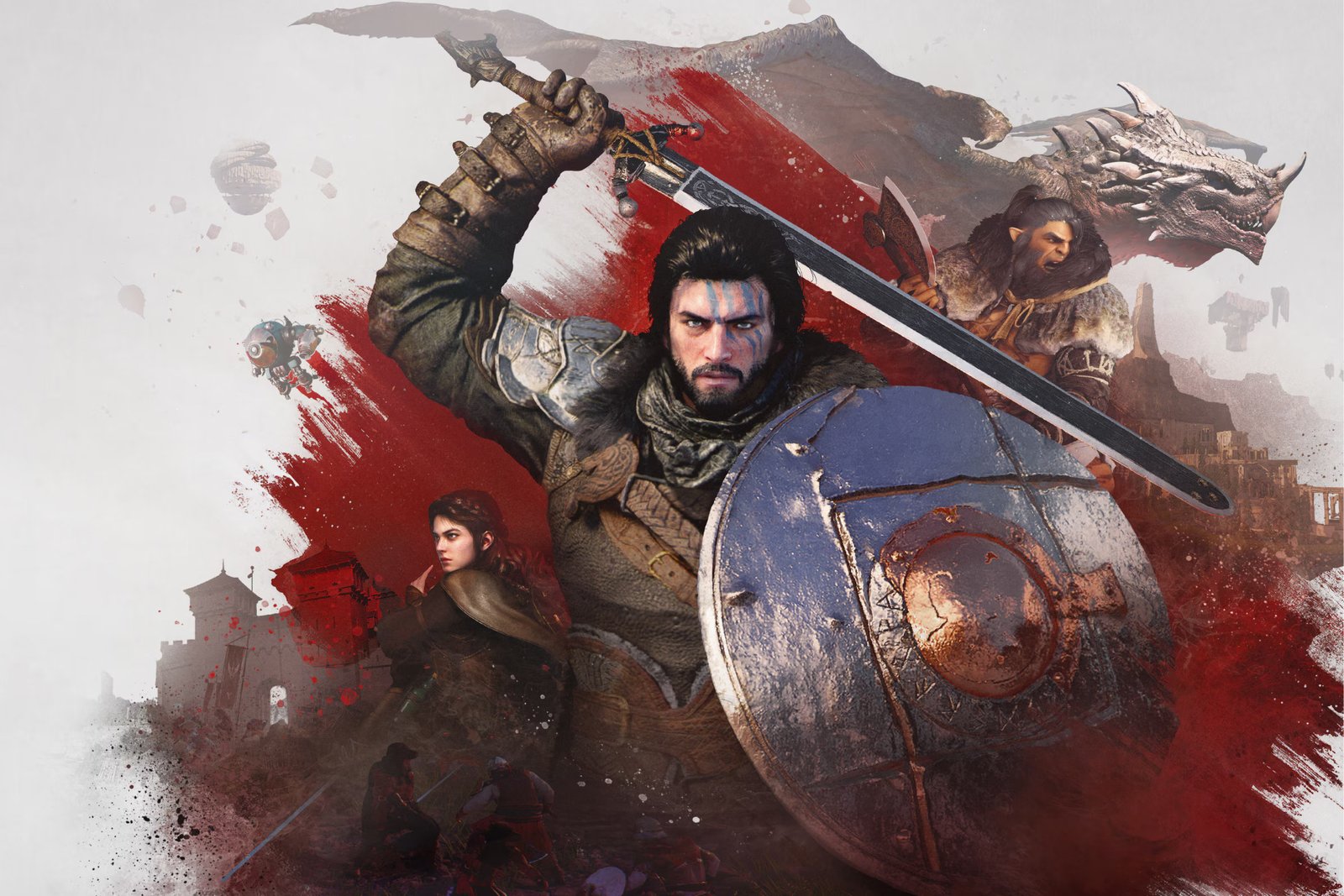
Crimson Desert has been hovering over the gaming landscape for a few years now, to the point where it feels mythical. Every time it enters conversations with a new trailer, or recently, its first gameplay showcase, the reactions have stayed the same: disbelief at how ambitious it looks, followed by a good amount of skepticism. Not the cynical kind, but the kind that stems from years of being burned by games that overpromised what they had to offer.
Pearl Abyss isn’t aiming small here. Crimson Desert aims to be cinematic, mechanically dense, visually impressive, and emotionally driven, all while delivering a massive open world that feels more alive than bloated. On paper, it sounds like the dream RPG. In reality, it raises an unavoidable question: can it actually pull it off?
What Crimson Desert is, and what it isn’t
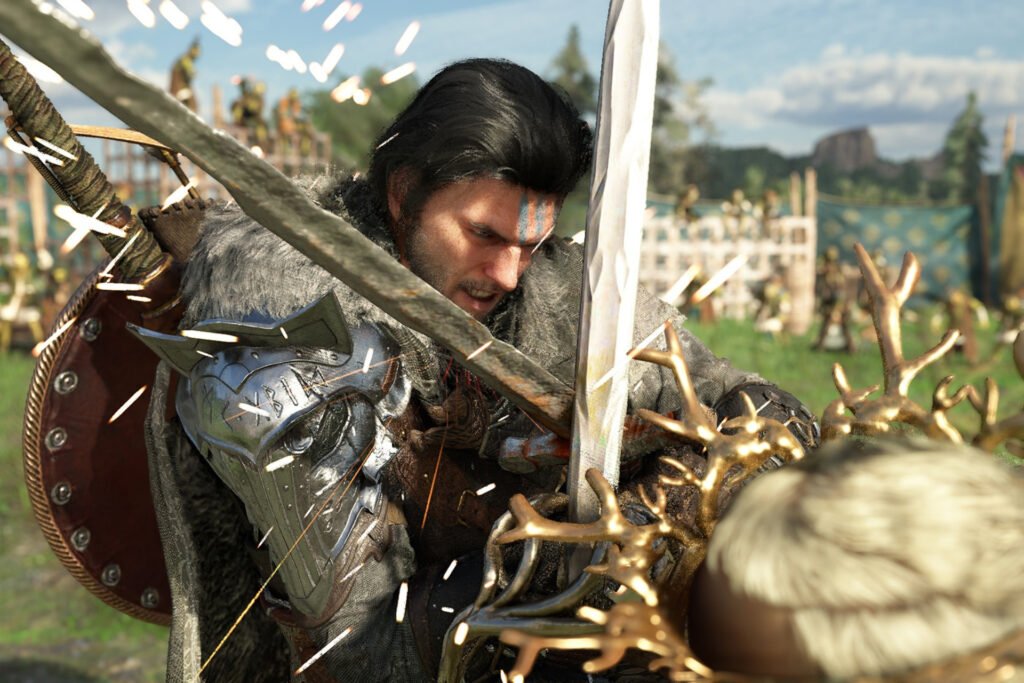
One of the biggest hurdles Crimson Desert has experienced isn’t competition, but confusion from fans. Early on, the game was an MMO created by Pearl Abyss as a sequel to Black Desert Online, but as time went on, the team transitioned to a single-player title.
Crimson Desert is a single-player, story-driven open-world RPG. There’s no online economy, no MMO grind loop, and no live service roadmap hovering over it. Instead, the focus seems to be on a handcrafted narrative, with cinematic presentation and player-driven exploration.
This distinction matters a lot because expectations change when players believe a game is built around a story and systems rather than retention and monetization.
Combat That Looks Almost Too Good
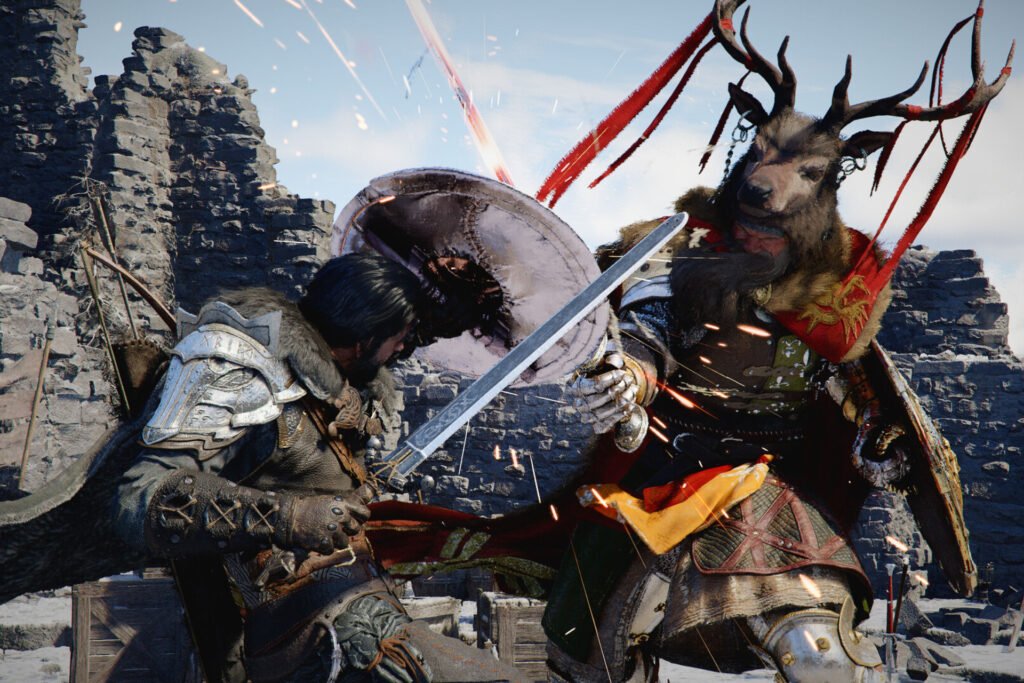
One of the clearest things showing up in Crimson Deserts gameplay previews is that combat isn’t an afterthought. The system Pearl Abyss is building is designed to be layered and expressive, its blending action RPG precision, combo depth, and environmental interaction in ways that are definitely making it stand out
At its core, combat in Crimson Desert is fast, aggressive, and tactical. You’re changing light and heavy attacks, parrying, dodging, counterattacking, and managing stamina. The game leans into weapon variety and combo complexity. Kliff and the additional playable characters unlocked later in the story have access to a wide arsenal of weapons, ranging from swords, spears, bows, magic, and even bare-knuckle brawling.
A World That Wants To Be Interacted With
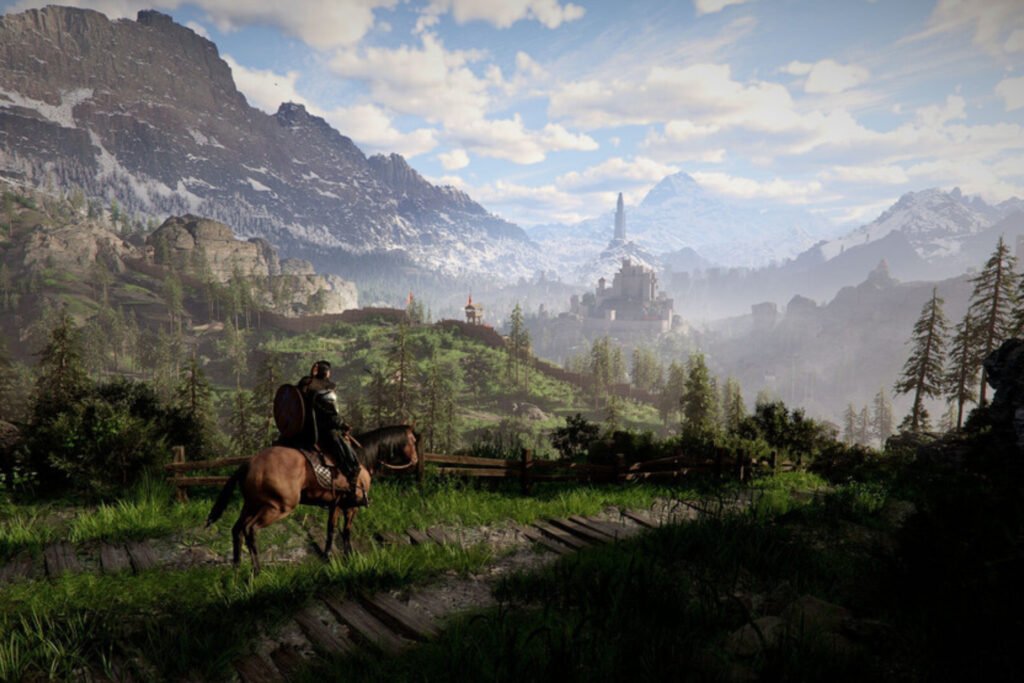
Crimson Desert’s world looks to be incredibly varied. Weather systems roll in dynamically, landscapes feel hostile, and verticality plays a huge role in how spaces are navigated.
There’s a strong emphasis on traversal, climbing, gliding, and environmental interactions. It looks closer to a physical space than a checklist-driven open world, which is refreshing in a genre still recovering from map marker fatigue.
The question isn’t that Crimson Desert can create breathtaking moments, but whether it can maintain that sense of wonder when players are twenty, forty, or sixty hours deep.
Storytelling And Tone
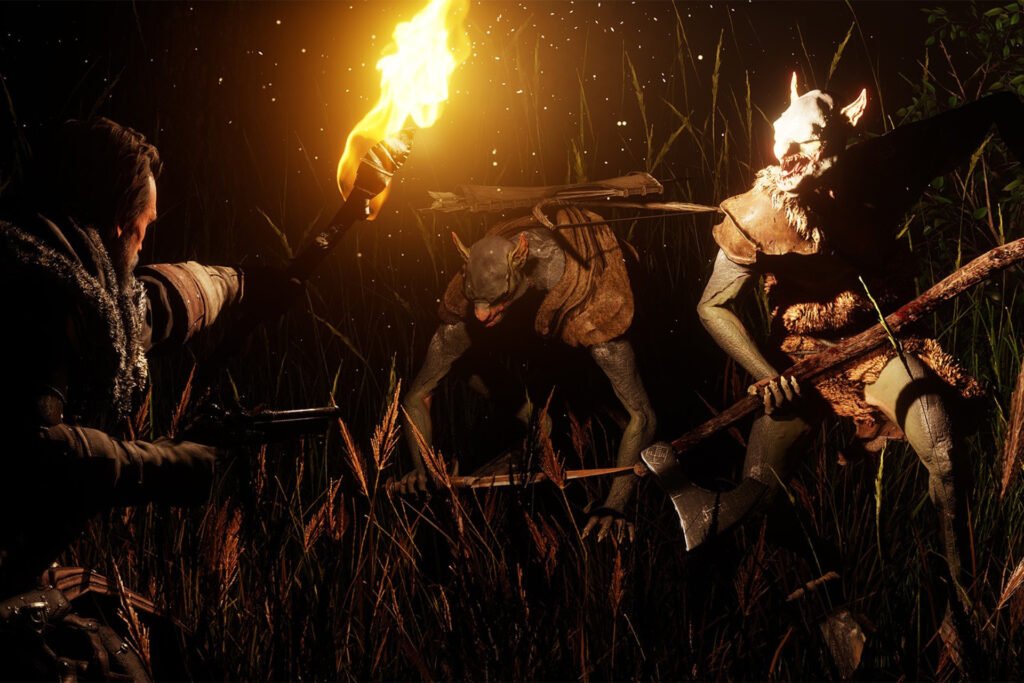
Crimson Desert appears to be telling a grounded, character-focused story set against a harsh fantasy backdrop.
The protagonist, Kliff, isn’t framed as a chosen one. He’s a mercenary leader navigating political conflict, war, and personal loss. This sets up open doors for intimate storytelling. Strong premises only go so far, and execution will matter more than the spectacle. Writing, pacing, and character development will ultimately decide whether the story lingers after the credits roll.
The Pearl Abyss Question
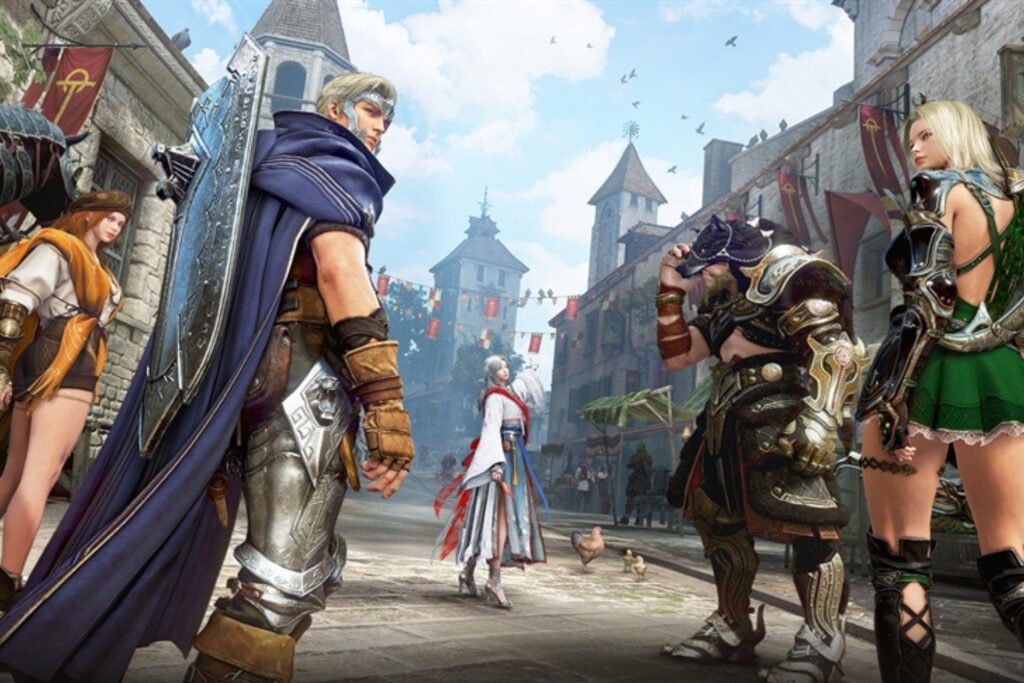
No discussion of Crimson Desert is complete without addressing the elephant in the room: Pearl Abyss history. Black Desert Online is visually stunning and mechanically impressive, but it’s also infamous for its grind-heavy structure and monetization systems.
While Crimson Desert is positioned as a fundamentally different experience, players are understandably cautious. Design philosophies don’t just disappear overnight, and it is a real concern when a game attempts to do this much.
Why Crimson Desert Matters Right Now
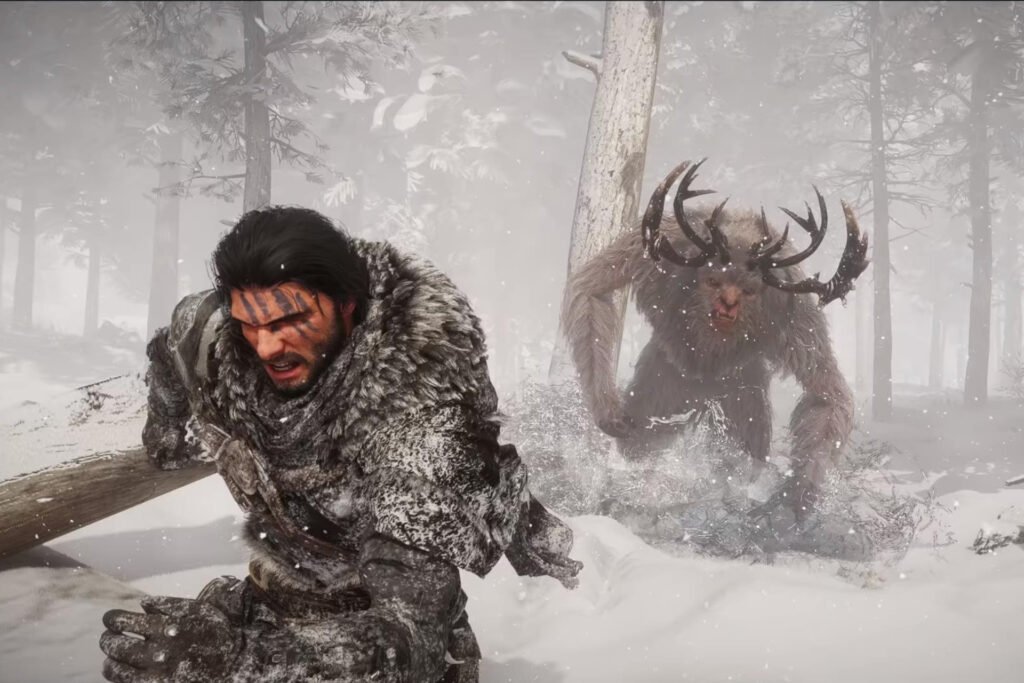
In an industry dominated by live service strategies and sequel-safe design, Crimson Desert represents something increasingly rare: a big-budget game willing to bet on identity. It’s not chasing any trends, and it’s not selling itself on battle passes or seasonal roadmaps. That alone is worth paying attention to
Whether Crimson Desert succeeds or stumbles, it’s attempting something many studios no longer do: it’s trusting players to engage with a dense, demanding, single-player experience. If it sticks the landing, it could become a defining RPG of this generation. If it doesn’t, it will still serve as a reminder that ambition, even when it’s risky, is worth celebrating.
Crimson Desert has everything it needs on paper. Now it just has to prove that it all belongs together when it launches March 19, 2026.