I’ve been playing video games all my life, long enough to remember when being really into games earned you some eye rolls. But it’s 2026 now, and that stigma is far gone. PlayStation, Nintendo, and Xbox are household names, and gaming has become one of the main ways people consume media and experience stories.
By the numbers, the industry is basically unstoppable. Games generate more revenue than music, movies, and books combined, pulling in hundreds of billions each year. Fueled by massive global fan bases, mobile gaming, and, unfortunately, microtransactions.
Ah, yes, microtransactions. We all know them, and most of us have learned to live with them. They’re inseparable from the rise of live service games, a model that exploded after the absurd and genre-defining success of Fortnite Battle Royale.

One hundred players dropped into a map, fought to be the last one standing, and then willingly spent their real, hard-earned money on skins and emotes. It wasn’t just a hit; it rewrote the financial playbook for publishers across the industry.
Naturally, everyone wanted in. Apex Legends, Destiny 2, Genshin Impact, and Call of Duty: Warzone proved the live service model could work spectacularly. For a while, it really felt like the future of gaming arrived. But lately, something in the air has shifted.
The model that seemed unstoppable is now struggling to attract players, especially when it comes to new releases, and the cracks are starting to show. Concord, Suicide Squad: Kill The Justice League, Redfall, Skull and Bones – these are games that launched with massive budgets and expectations, only to falter both critically and financially. They didn’t just fail to capture conversations; they failed to capture audiences.
The problem isn’t that live service games are inherently bad. I’ve sunk hundreds of hours into some myself. When they work, oh boy, do they really work. The problem is that the industry has become obsessed with them.
Studios known for strong storytelling, bold creative visions, or tightly crafted single-player experiences are now releasing games buried under stores, battle passes, and seasonal roadmaps. In the pursuit of chasing long-term monetization, many have drifted away from what captured audiences in the first place. The result is a growing sense that they are sacrificing their identity for revenue.
The most obvious being the flood of generic hero shooters. Bright colors and ability cooldowns are all starting to blur and mush together, with monetization often overshadowing the core game itself.

Concord was released in 2025, and it didn’t innovate or challenge the genre; it was simply another competitor in an already oversaturated market, with the servers shutting down in less than two weeks. The failure wasn’t because players suddenly hate live service games; anyone who actually plays games could tell you that.
In fact, recent successes prove the opposite. Helldivers 2 and Arc Raiders were met with a strong reception purely because they felt intentional. They weren’t designed solely around metrics or monetization; they were designed to be fun, memorable, and worth talking about.

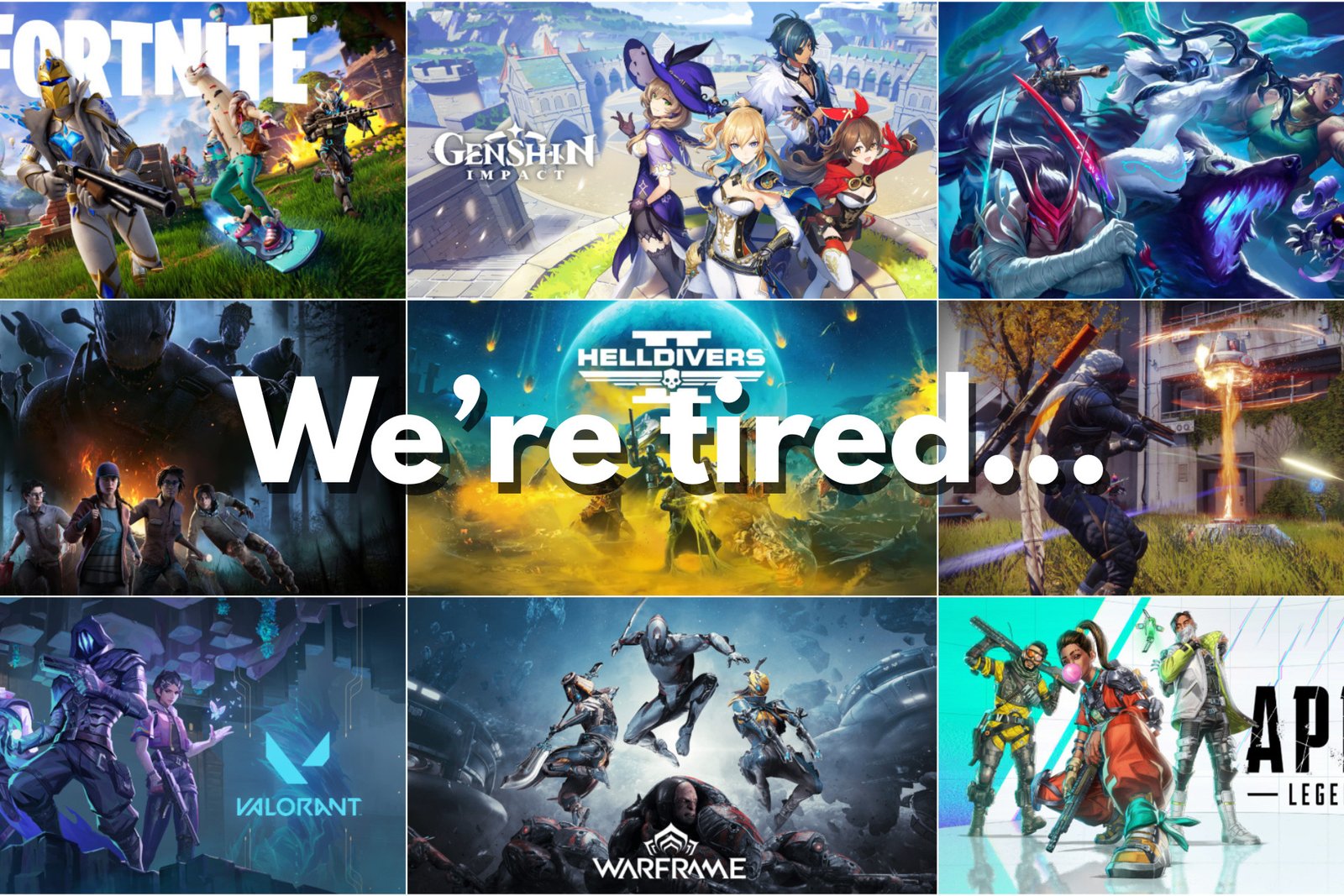
Players are tired of games being built around retention curves instead of meaningful moments. They’re tired of studios abandoning what made them unique in favor of trends that look good on spreadsheets. When every experience feels engineered solely to keep you playing… and playing, rather than genuinely surprising or delighting you, burnout is bound to happen.
As a player, what I miss most isn’t a specific genre or business model; it’s the feeling that someone on the other side of the screen genuinely cared about what they were making. The studios that continue to push the medium forward stand out precisely because they resist the urge to chase whatever is profitable at the time.
Whether through unique mechanics, thoughtful writing, or player-first designs, they remind us why games matter in the first place; they feel like projects someone actually believed in.
At their best, games are made with passion and not monetization strategies. Players don’t want perfection; they want trust, creativity, and experiences that feel like they exist because someone believed in them.
If the industry wants to avoid drowning in its own success, it needs to remember a simple truth: trends fade, but well-made games truly live on forever.