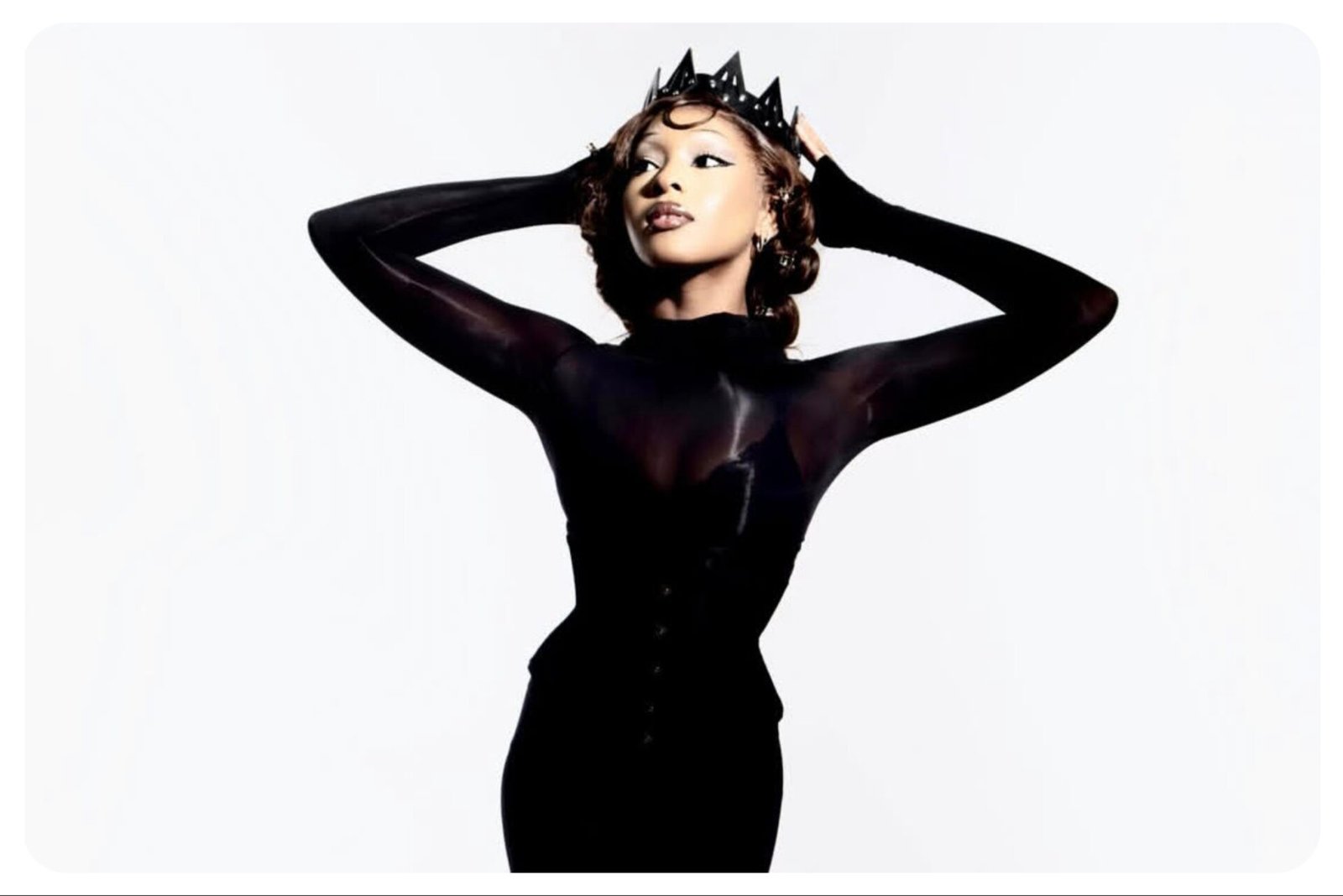
The UK’s most recent musical export comes in the form of producer and singer-songwriter Natanya. Her latest project, a double EP entitled Feline’s Return, is an amalgamation of genres that has received co-signs from Janet Jackson, SZA, Tyler the Creator, Tyla, Doechii, Ravyn Lenae, Clairo, and Aminé. A master of mood and sonic chameleon, Natanya’s ability to move from the sultry stylings of ‘ Dangerous’ to more introspective songs like ‘Jezebel’ with ease demonstrates her aptitude for music. This high level of craft didn’t start with Feline’s Return. It’s been years in the making. I got the opportunity to chat with Natanya about that journey, what shapes her artistry, and where she seeks inspiration.
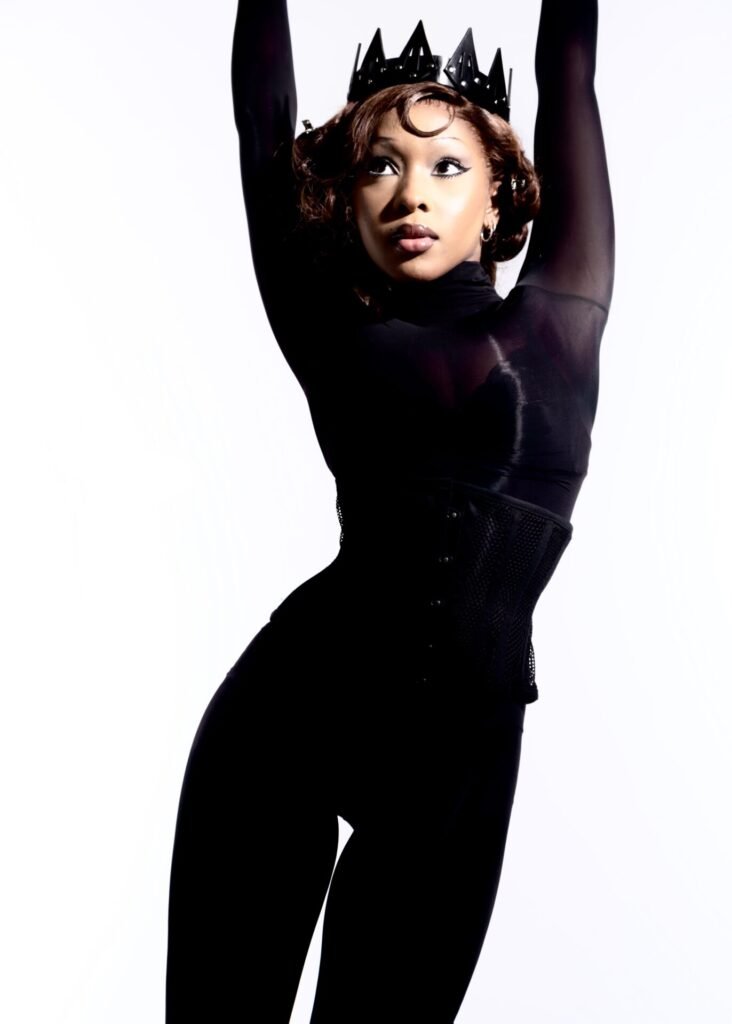
Even at the earliest stages of your career, you can hear that you have a firm grasp of musicality. That’s evident on ‘Sunset Melody’ despite it being a song you made when you were a teenager. However, you mentioned a lack of self-confidence at that time, a hindrance when making music. What does the journey of self-assuredness look like to be able to reach a point where you can create a project that’s as unabashedly bold as Feline’s Return?
Thank you. At that point it was less of a career to me than it was just harmless fun. I never went to stage school. It took a long time for me to become aware of the authority I was already commanding inside the studio. Feline’s Return was like an awakening. I thought to myself, I’m opinionated in the room, I know exactly where I want the song to go, maybe I’m the executive? Once you open that up, you can’t go back.
The production on Feline’s Return is lush. From softer moments like ‘Ur Fool’ featuring Unflirt to more complex work like ‘On Ur Time.’ Was that display of versatility a conscious choice or something that naturally occurred during the creative process?
When I get an idea for a song, there’s no stopping it. I won’t allow boundaries to get in the way of communicating an idea. When you approach it like that, you end up with a plethora of sounds!
You’ve discussed your heritage in interviews. You have Caribbean ancestry; specifically Trinidadian on your mother’s side (something we have in common) and Nigerian on your father’s side. You’re a British artist who has mentioned connecting more to the American music scene. Those are quite a few identities to juggle. Have you ever felt any conflict or source of tension between them?
Yes! My mother’s family is Indo-Trinidadian and my father is Yoruba. I’ve always been most connected to my internal rhythm. I’m grateful to have been raised in an environment full of so many different cultures. My father was always an independent thinker, sometimes to my frustration. I think I take a lot from him as I approach these things we call life and music.
You’re adamant about being identified as a pop artist. You’ve explained that you don’t stand behind genre. Have you always felt like that, or is that mindset something you developed as you grew into your artistry?
I’m adamant about people acknowledging and investigating the vast range of influences and nuances that tie my work together. I have always felt I’m creating from my own voice. I like a lot of different styles of music. That’s where I stand.
In 2019 you released a song about environmentalism called ‘Evidence.’ On it you sing about Mother Earth, you’ve named your latest project Feline’s Return and it has a track called ‘Jezebel.’ What is it about these feminine archetypes that resonates with you so much that it’s become a throughline in your music?
I really empathize with my womanhood. I was always the outsider growing up. I didn’t know how to be the girl people wanted me to be. I always feel drawn to talking about it.
In a TikTok explaining ‘Jezebel,’ you mentioned the Jezebel trope and how it shaped your approach to writing the song. Are there any other specific works or tropes that influenced Feline’s Return?
I read a lot of Harlem Renaissance literature right before working on it. Maybe that’s why it has such a showgirl aesthetic!
There’s a cinematic feel to your songs as well, especially ‘Precious Joy’ and ‘Everybody’s Gotta Learn Sometimes’ off the EP Sorrow at Sunrise. I know that movies inform your visual world; you’ve talked about being a fan of directors Charlie Kaufman and Tim Burton, but is cinema a source of inspiration sonically?
Cinema is the source of everything! The visual world even influences the sonics for me sometimes!
You’re classically trained, and you have perfect pitch. An issue that sometimes arises with a background like yours is music that is technically sound but emotionally hollow. This isn’t the case with your work. What’s your emotional tether when creating music?
I don’t think classical music is emotionally hollow. I look specifically for pieces that move me. I love Rachmaninoff. Some of his pieces make me cry. Chopin also has this really sorrowful feel that can really take you places. I used to love playing him. I take emotion anywhere I can find it. I’m an emotional person at my most open. There’s no way that won’t seep through. I studied both classical and jazz as a kid!
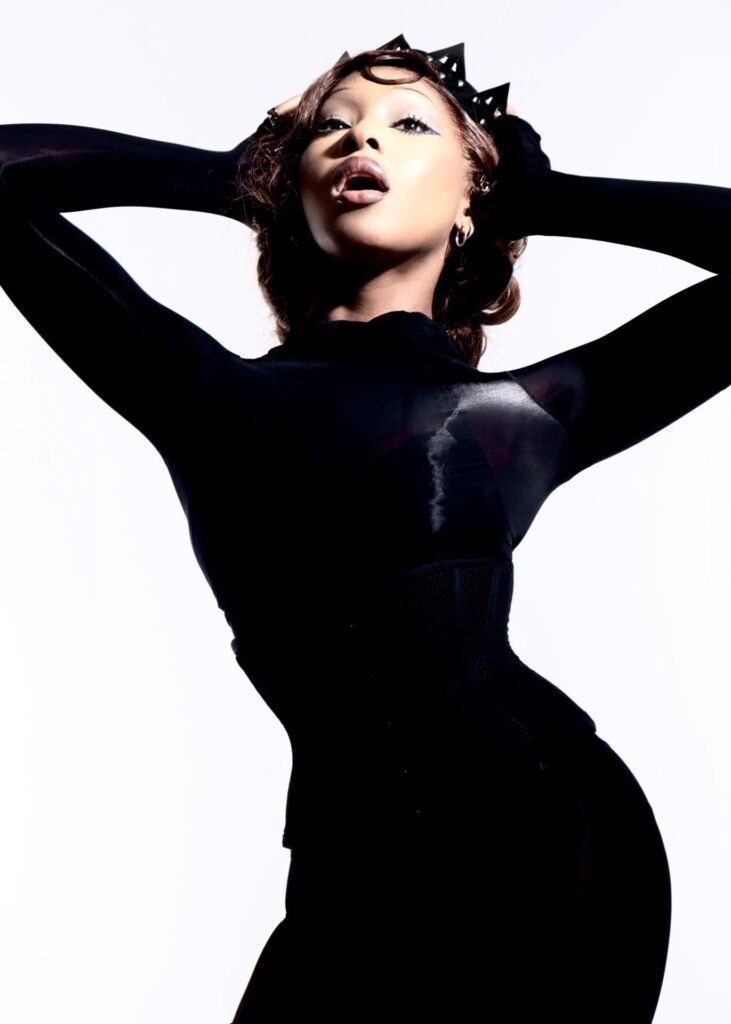
You’ve spoken about existing as a human being primarily and about divorcing yourself from being a sister, a daughter, and a friend when it comes to your autonomy. Can you touch more on what that means to you as an artist?
I think that’s a rite of passage for any woman. You are those things, yet you cannot be them if you want to become yourself. You must follow the thread of your own destiny. Those belong to other people. That just means I’m ready to be more unapologetic about myself. It’s scary!
What does the next phase of your evolution as a producer and singer-songwriter look like?
I’m really getting into understanding how drums work. I was always terrible at them, but I’m paying attention to how they’re programmed on some of my favorite songs. I want to bring more drama into my voice too. Let’s see haha.
Stream Natanya’s Feline’s Return EP on Spotify, Apple Music and more here: Feline’s Return Act I and Feline’s Return Act II
Photography by Alex Radota
Login
0 Comments