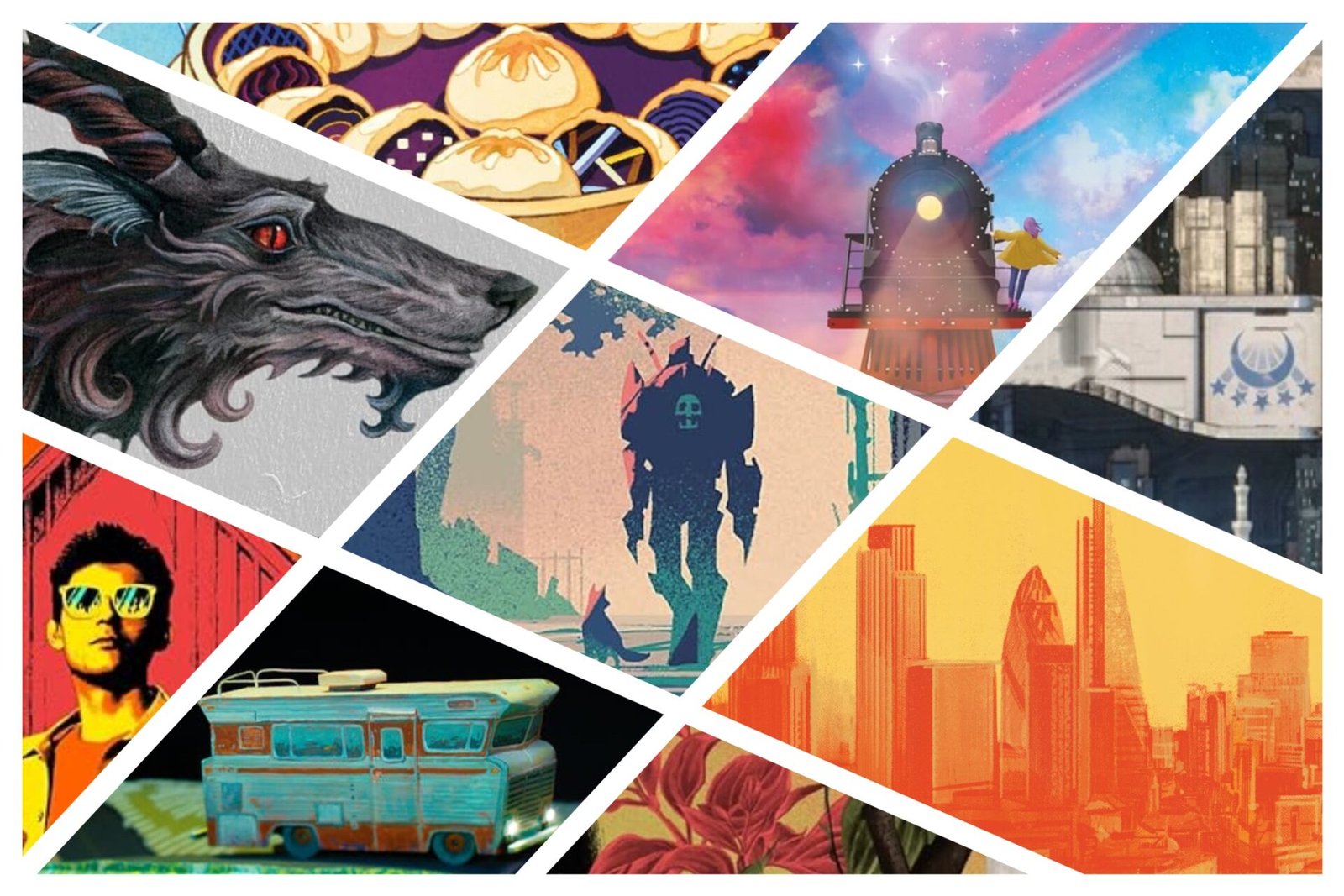
2026 is shaping up to be a solid year for science fiction and fantasy. Between big returns, ongoing series, and a steady flow of new voices, upcoming release lists are already long enough to be mildly intimidating. If nothing else, they are very efficient at reminding you that your reading pile will not get smaller anytime soon.
What stands out so far is the variety. Some books aim squarely at large audiences, others lean into stranger ideas or quieter concepts. There’s epic fantasy, playful science fiction, darker historical takes, and a few titles that look content to do their own thing without worrying too much about labels.
The selection below comes from browsing release calendars, recommendation threads, and a fair amount of curiosity. It’s not meant to be definitive or predictive. These are simply six upcoming SFFF books that feel worth paying attention to as 2026 approaches.
Songs of the Dead — Brandon Sanderson and Peter Orullian
Magic in music in an exciting collaboration
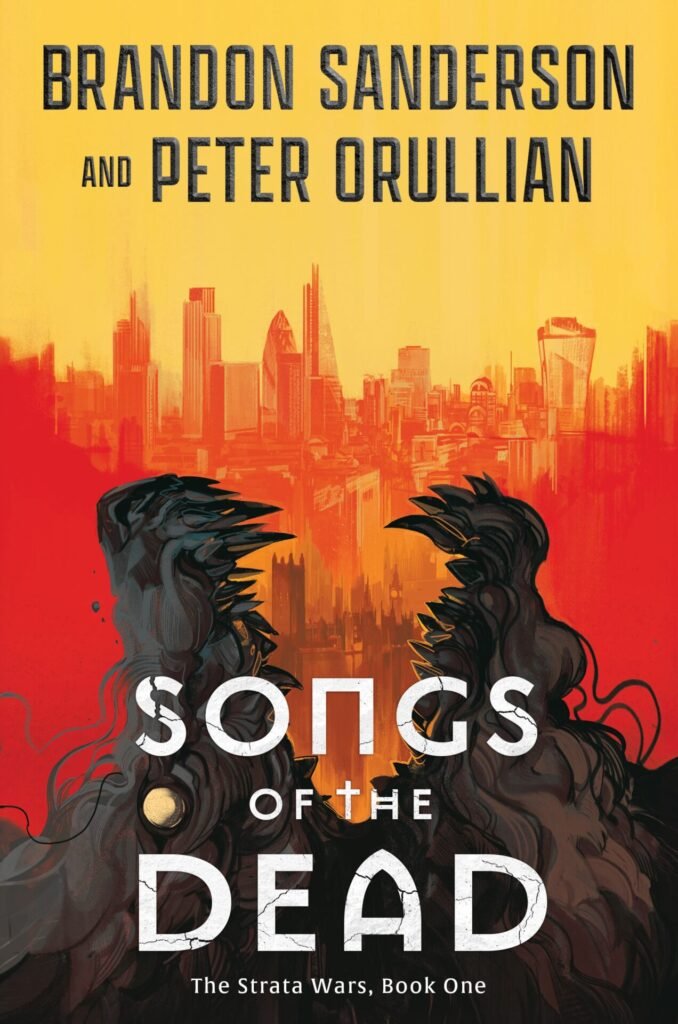
A Sanderson collaboration always raises expectations by default, but Songs of the Dead looks interesting for reasons beyond sheer scale. Music-based magic is one of those ideas that can feel either ancient and powerful or mildly embarrassing, with very little middle ground. This one seems to be aiming firmly for the former.
From what we know so far, culture, performance, and memory matter as much as raw power. That alone makes it stand out from more system-heavy epic fantasy. If it works, this could be the kind of book people recommend with a reassuring “no really, give it a chance.”
Operation Bounce House — Matt Dinniman
A new slice of unhinged fun
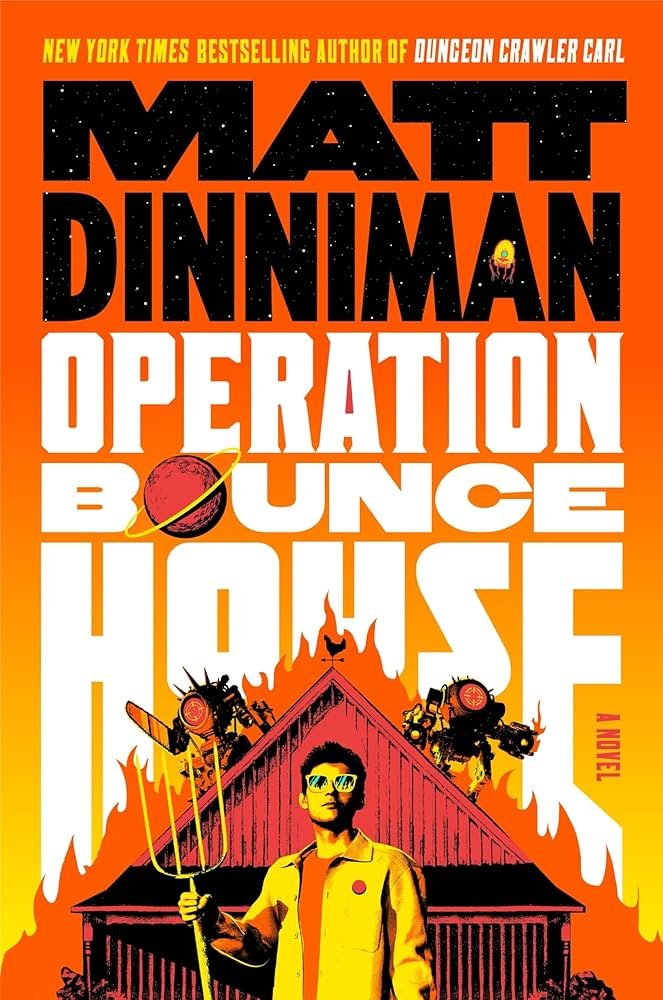
It felt almost illegal to make a list without Matt Dinniman, who conquered many shelves with Dungeon Crawler Carl.
Likewise, Operation Bounce House sounds like it was named five minutes before a deadline, which is precisely why it’s charming. It features gamers, science-fiction extreme stakes, and a tone that clearly refuses to take itself too seriously.
Dinniman’s strength has always been using humor as a delivery mechanism for tension and clever ideas, and this looks like more of that. And I know I want more of that.
Green and Deadly Things — Jenn Lyons
Necromancy and plants
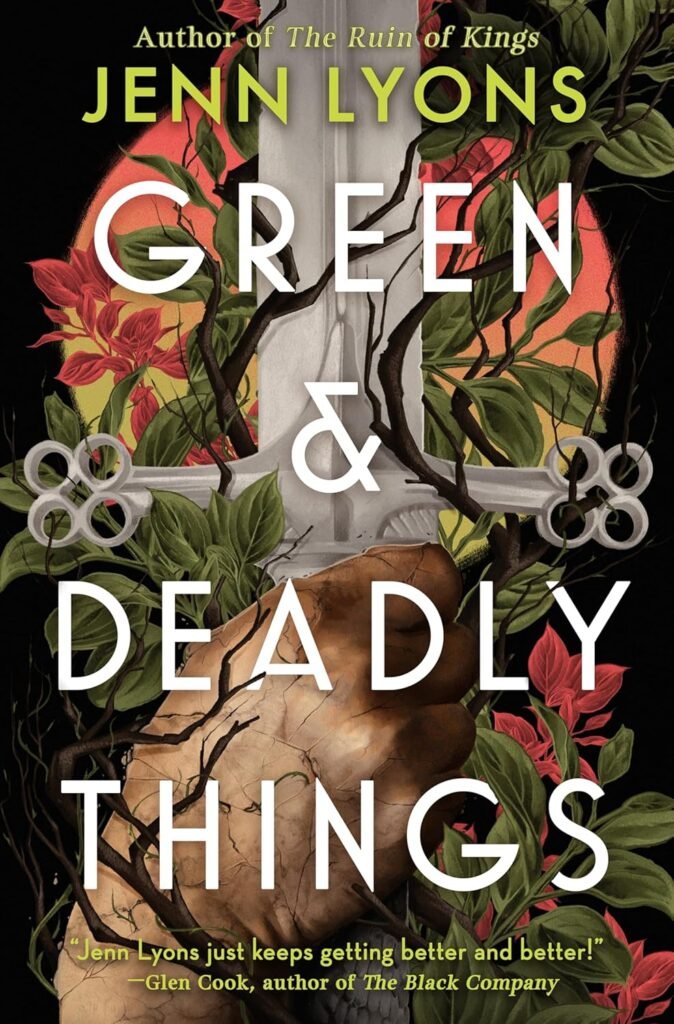
Jenn Lyons does not write small books, conceptually speaking. Green and Deadly Things appears to condense many of her usual interests into something tighter and more focused, without losing complexity.
Necromancy, hostile forests, and morally compromised characters tend to age well in fantasy, especially when the world itself feels actively dangerous.
This standalone looks promising already. And I can’t wait to read another book in which the world is a menace by itself and in which morality has to be sacrificed for a slim chance of surviving.
The Subtle Art of Folding Space — John Chu
The cover itself is enough for me
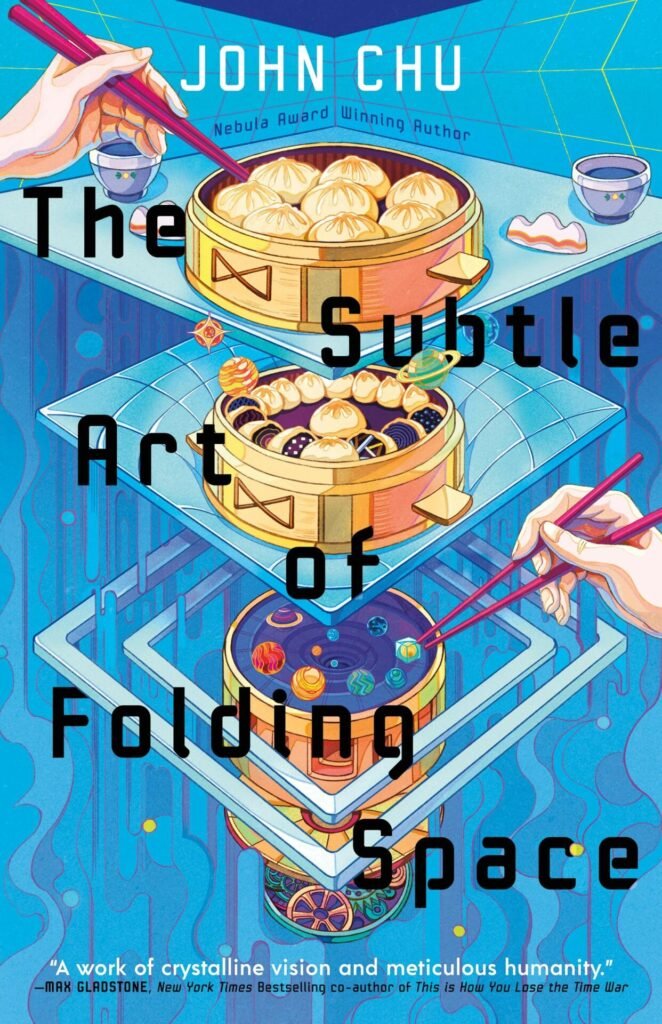
That’s a title that tickles my curiosity. And coming from John Chu, I’m even more intrigued.
In this one, Ellie is trying to keep a broken universe running while her own family falls apart. An illegal device keeps her mother alive at the cost of destabilizing reality itself, forcing Ellie to choose between preserving the universe and confronting the damage buried in her family’s past.
If 2026 has room for thoughtful, idea-driven SF, this one could slip into a lot of best-of lists without making a fuss.
The Red Winter — Cameron Sullivan
The Beast returns
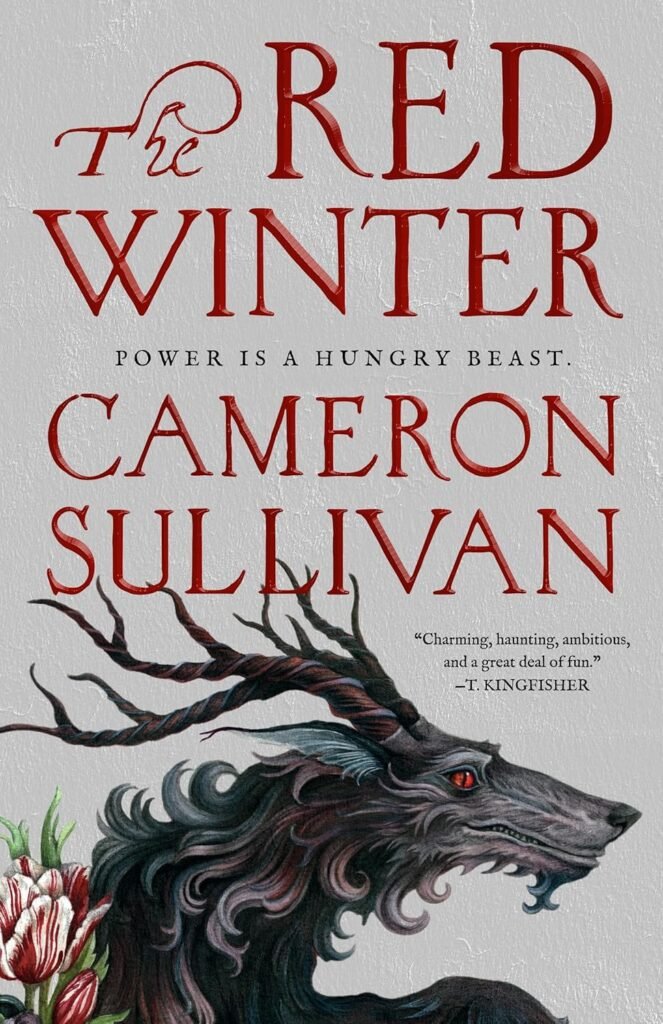
As a French, I’m probably biased for this one. But historical fantasy keeps returning to the Beast of Gévaudan for good reason. It’s the perfect match of unresolved historical crime and mythology.
The Red Winter leans into cold landscapes and folklore. This is not cozy fantasy. This is winter, fear, and the suspicion that something is very wrong just beyond the treeline. Readers who like their fantasy muddy, slow, and unsettling should find plenty to enjoy here.
The Elsewhere Express — Samantha Sotto Yambao
Train journey towards transformation
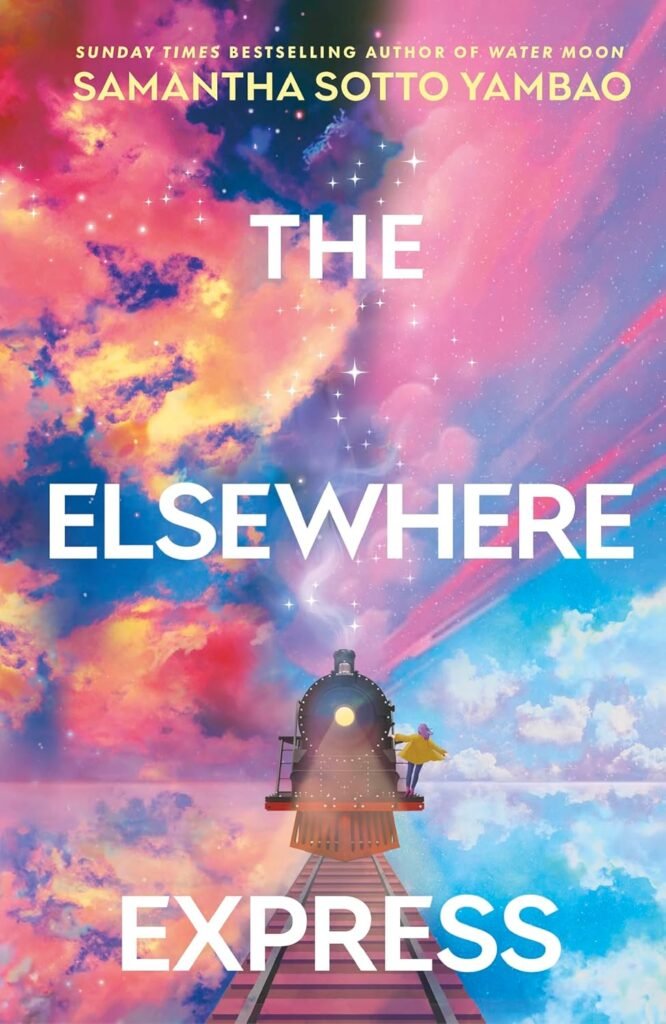
Speculative fiction loves a train, and The Elsewhere Express is clearly aware of that tradition.
Liminal journeys live or die on atmosphere, and this book seems to bet everything on motion, transition, and the idea that travel itself is transformative. The destination matters less than what happens along the way.
If it works, this will be the kind of novel people recommend frequently. Which, in speculative fiction, is usually a good sign.
Vigil — George Saunders
Last night on Earth
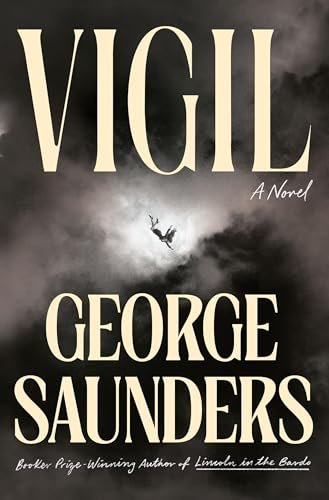
George Saunders returning to speculative terrain is already enough to spark interest, but Vigil adds a twist: an afterlife guide tasked with shepherding the soul of a dying oil CEO who refuses to feel guilty about anything he’s done.
What follows is a surreal final night filled with ghosts, animals, old allies, distant victims, and the environmental fallout of a lifetime of “progress.” Saunders uses the premise to explore morality, capitalism, and the uneasy question of what anyone deserves at the end. It’s playful, pointed, and very likely to generate conversation.
We burned so bright — T.J. Klune
A road trip about love
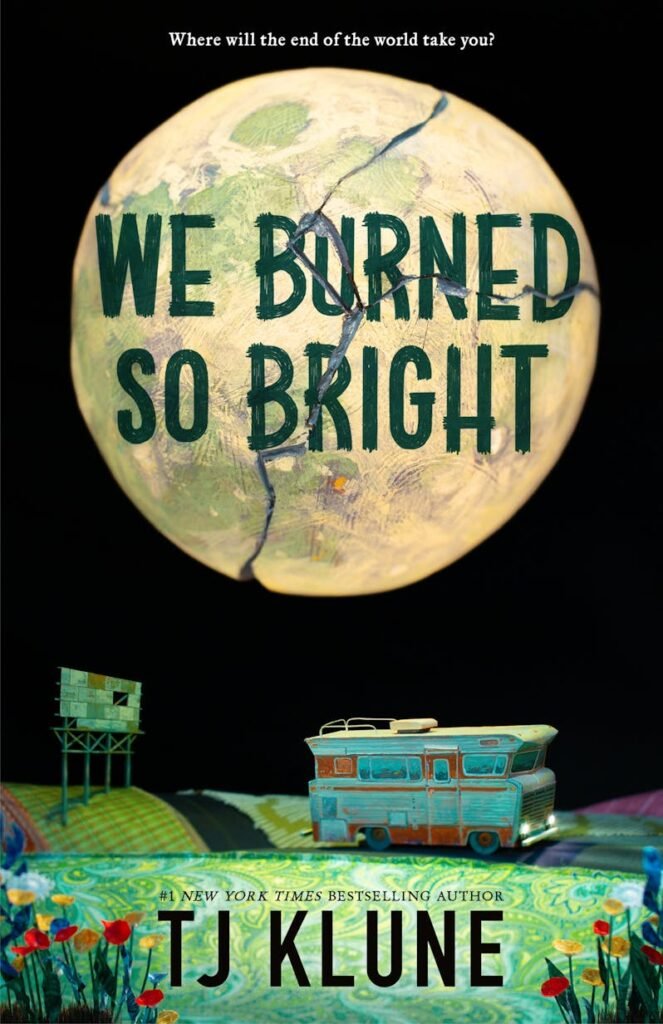
T.J. Klune’s new standalone goes for emotional devastation rather than spectacle. We Burned So Bright follows an older queer couple driving across a dying America as a wandering black hole approaches Earth. What could have been an apocalypse thriller becomes something gentler and more reflective: a final road trip filled with unfinished business, strange encounters, small kindnesses, and the question of whether a life well-lived still matters when nothing will survive.
It’s intimate, melancholic, and very likely to hit harder than expected. And because I love Klune’s prose, I’m fully prepared to be emotionally shattered.
Ode to the Half Broken – Suzanne Palmer
Broken robot in a broken world
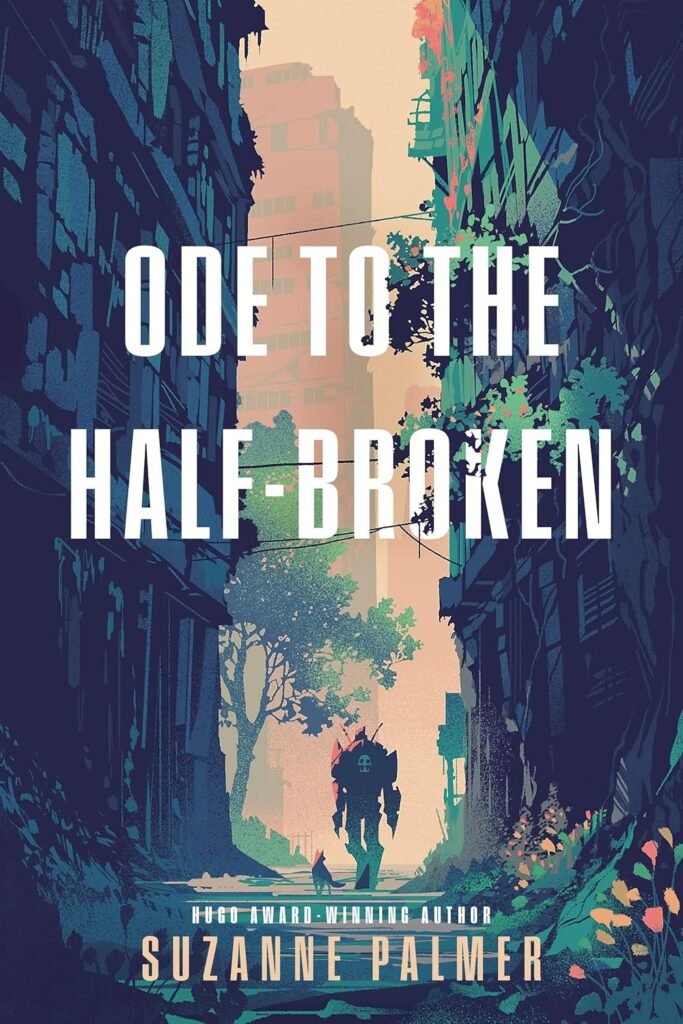
Suzanne Palmer’s Ode to the Half Broken follows Be, an old war-era robot who wants nothing to do with their past, or with anyone else, for that matter. After an attack leaves them damaged and missing a leg, Be is forced out of isolation and into a changing world they no longer recognize, accompanied by a cyborg dog and a human mechanic.
What starts as a search for a thief becomes a confrontation with the remnants of an old war and the possibility that someone wants to reignite it. It’s a story about memory, healing, and learning to step back into a world that never fully recovered: an ode to anyone trying to become whole in a place still half-broken.
The Language of Liars — S.L. Huang
Spying and empathy
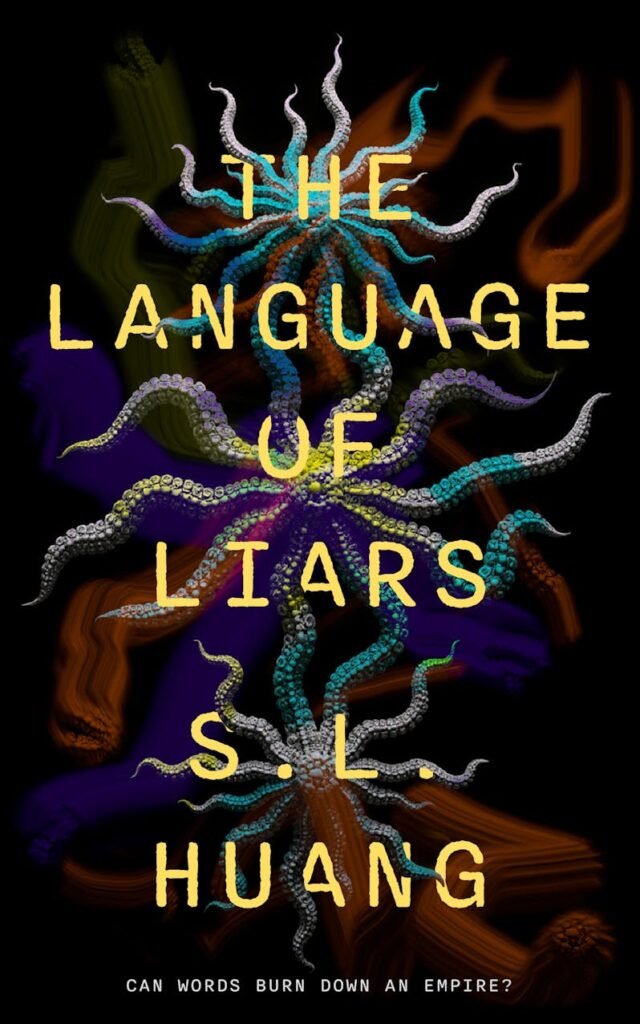
S.L. Huang’s The Language of Liars follows Ro, a spy trained to infiltrate the minds of the Star Eaters, the only species capable of mining the element that makes deep-space travel possible. To succeed, he must understand them so completely that the line between imitation and identity blurs.
Ro believes he can do it without deception, that he can become one of them in truth. But the more fully he embodies their language and culture, the more he realizes that understanding is not harmless—and that his mission may destroy the very people he admires. It’s intimate, unsettling SF about identity, intent, and the cost of knowing someone too well.
The Republic of Memory — Mahmud El Sayed
When society runs out of lies
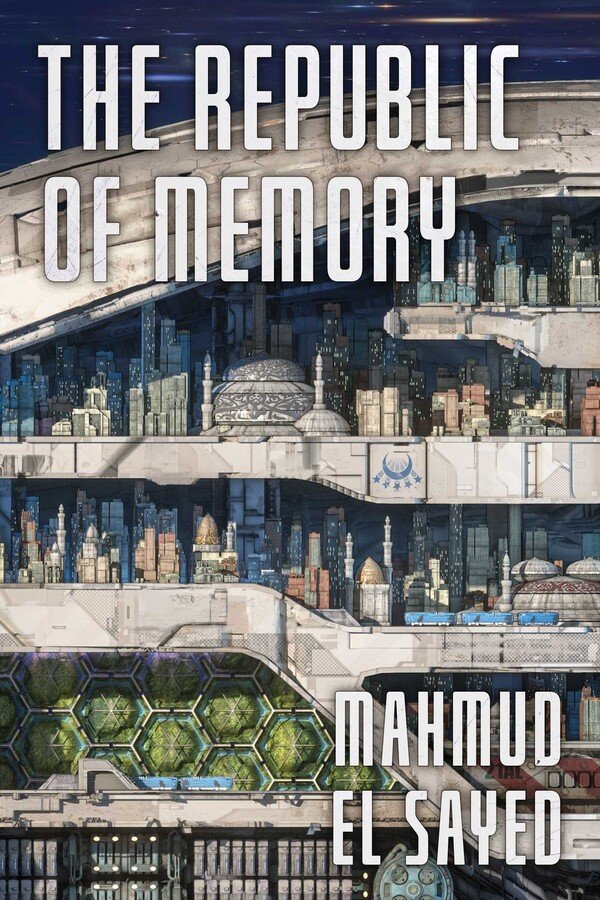
The Republic of Memory takes place aboard the Safina, a vast city-ship two centuries into its journey from a ruined Earth. The crew has spent generations maintaining the vessel and protecting their cryo-frozen “ancestors,” the elite of the long-fallen Network Empire. But after two hundred years, loyalty has eroded, authority feels arbitrary, and the ship’s mounting blackouts expose just how fragile the system really is.
What begins as a technical problem turns into a political reckoning, as the crew finally questions who they serve, and why. This futurist epic will blend classic generational-ship tension with sharp social commentary, and looks just perfect for readers who enjoy expansive worldbuilding with a rebellious edge. I’ll have this one read and reviewed in no time.
A Hole in the Sky — Peter F. Hamilton
Coming of age twist packed in classic Hamilton
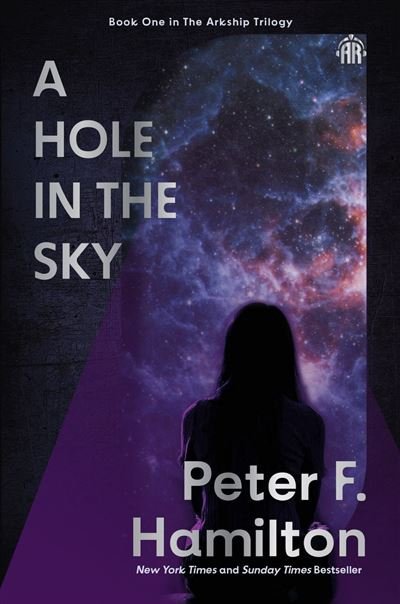
It wouldn’t feel right to talk about upcoming space opera without mentioning Peter F. Hamilton. A Hole in the Sky begins a new coming-of-age trilogy aboard the Daedalus, a generation ship five centuries into its journey. Life on board has devolved into a tightly managed, low-tech agrarian society where every resource is rationed—and where citizens are “Cycled” at sixty-five to keep the ecosystem stable.
Sixteen-year-old Hazel starts questioning this order when she meets the Cheaters, outcasts who insist the ship is leaking atmosphere and that much of the official history is manufactured. When her injured brother is marked for Cycling, Hazel runs, uncovers buried truths, and ends up fighting to save the ship itself. It’s classic generation-ship tension with Hamilton’s trademark sense of scale.
Conclusion
Together, they suggest a 2026 SFF landscape that isn’t pulling in a single direction. Big names coexist with new projects, playful premises share space with darker moods, and not every book feels obligated to explain itself immediately.
At the very least, it looks like another year where choosing what to read will be less about finding something good, and more about deciding what to start with.