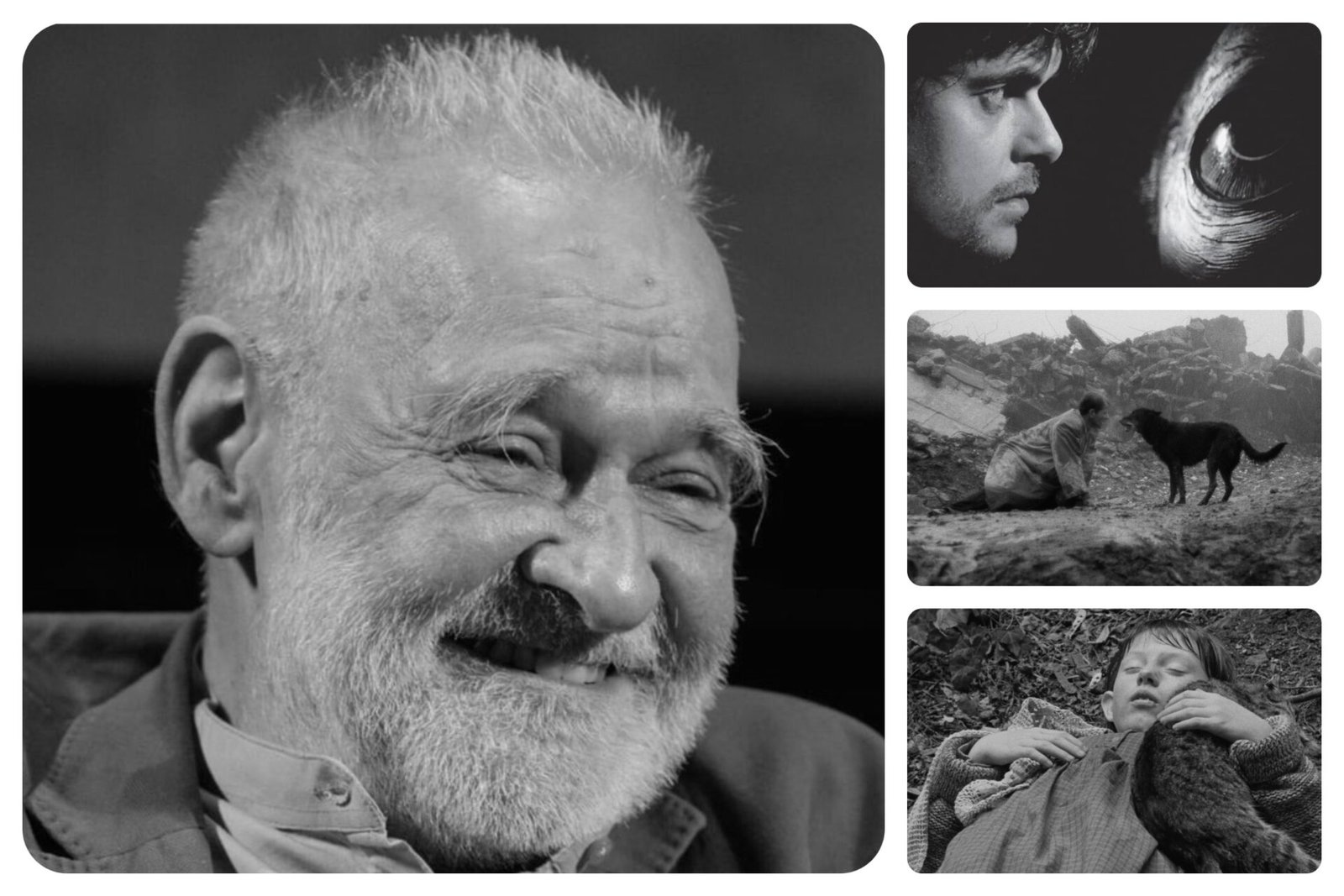
With the death of Béla Tarr at 70, a familiar question has resurfaced across film forums, repertory theaters, and search bars alike. Where should you start with Béla Tarr? And what is his best film?
Tarr’s reputation often precedes him. Seven-hour runtimes. Endless rain. Camera movements that feel geological. For newcomers, the intimidation factor is real. But Tarr’s work is not an endurance test so much as an immersion. Once it clicks, it clicks forever.
Here is a ranked guide to Béla Tarr’s essential films, informed by decades of critical consensus and the way audiences actually find their way into his cinema.
1. Werckmeister Harmonies (2000)
Best place to start
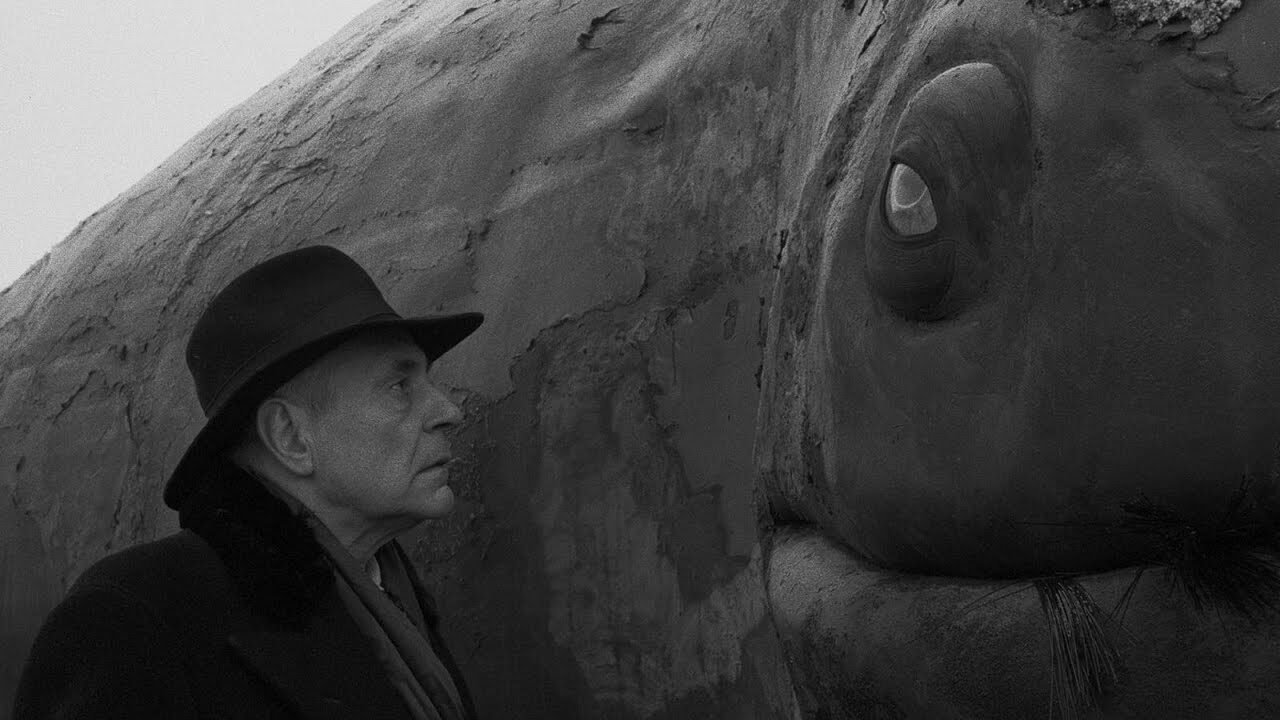
If there is a single Béla Tarr film that functions as both introduction and culmination, it is Werckmeister Harmonies. Long regarded by critics and fans as his most emotionally affecting work, it distills everything that defines Tarr without demanding total surrender from the viewer.
Set in a frozen Hungarian town destabilized by the arrival of a mysterious circus, the film moves with hypnotic patience toward a rupture that feels both inevitable and shocking. Its famous opening sequence, a drunken cosmological dance in a bar, is one of the great scene-setters in modern cinema. The hospital march later in the film remains one of the most haunting passages Tarr ever staged.
Unlike some of his other films, Werckmeister Harmonies builds toward release. There is tension. There is escalation. There is even something like tragedy. For many viewers, this is where Tarr stops being an idea and becomes an experience.
If you are starting anywhere, start here.
2. Sátántangó (1994)
His best film, full stop

Sátántangó is almost always cited as Béla Tarr’s masterpiece, and with good reason. Clocking in at over seven hours, it is not merely a film but a cinematic environment, one that absorbs time rather than measuring it.
Adapted from László Krasznahorkai’s novel, the film follows a collapsing collective farm after the fall of communism, structured like a dance that moves forward and backward in obsessive rhythms. Rain falls. People wait. Hope curdles into delusion.
For some, this is where Tarr should begin. A whole rainy day, no distractions, total commitment. For others, it is something to work toward. Conceptually, the film is accessible. Human weakness, false messiahs, collective despair. The challenge is duration, not comprehension.
If Werckmeister Harmonies opens the door, Sátántangó is the room you stay in.
3. Damnation (1988)
The key to understanding his style

Before Sátántangó stretched time into something elastic, Damnation announced Tarr’s mature style with startling clarity. This is the film where the camera begins to glide, the world becomes permanently overcast, and emotional paralysis turns into architecture.
A lonely man. A married singer. A bar that feels like a waiting room for the end of the world. At a conventional feature length, Damnation is often recommended as a practical starting point, especially for viewers wary of the marathon.
Many longtime fans report that this is the film where Tarr finally made sense to them. Once you understand Damnation, the rest of his work opens up.
4. The Turin Horse (2011)
The final statement
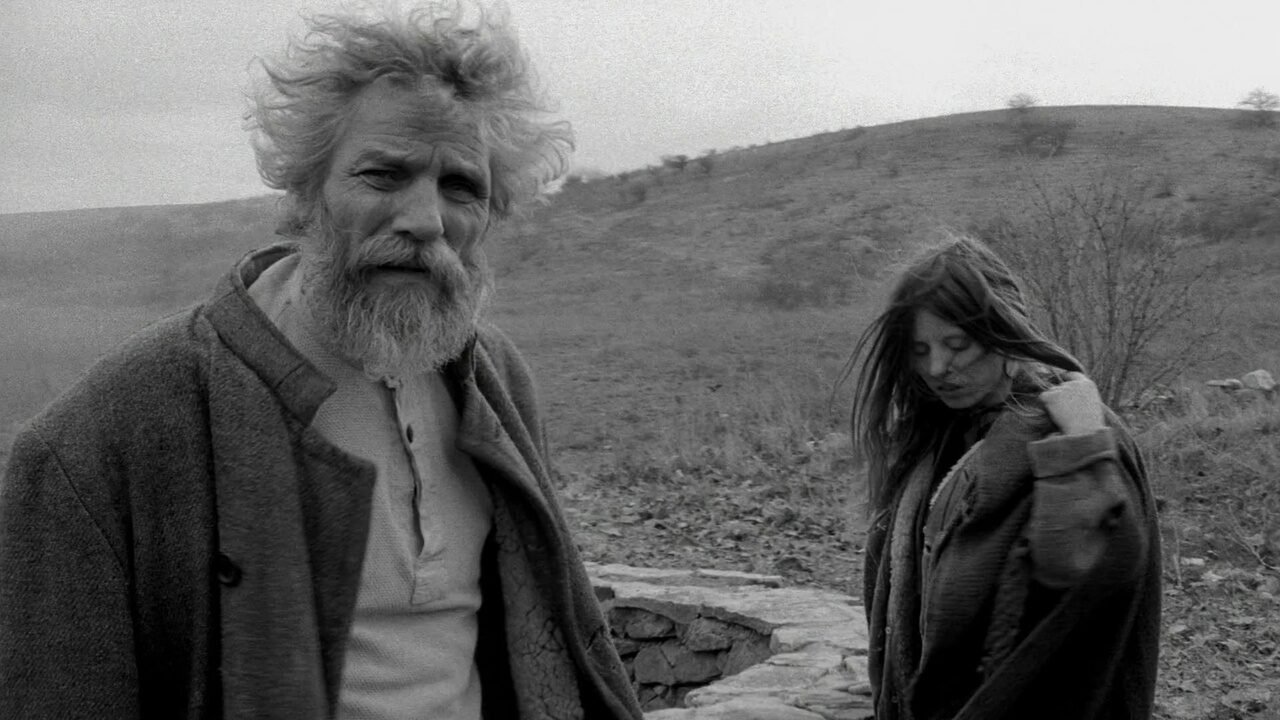
Béla Tarr ended his filmmaking career with The Turin Horse, and it feels like an ending in the most absolute sense. Inspired by the legend of Nietzsche witnessing a horse being whipped, the film strips existence down to repetition, exhaustion, and the slow extinguishing of will.
There is almost no plot. A father and daughter eat potatoes. The wind howls. The light fades. Days repeat until meaning collapses.
Many consider this Tarr’s most severe film, but also his most profound. It is not the best place to start. It is the place you arrive when you are ready to stop expecting anything at all.
5. The Man From London (2007)
For completists
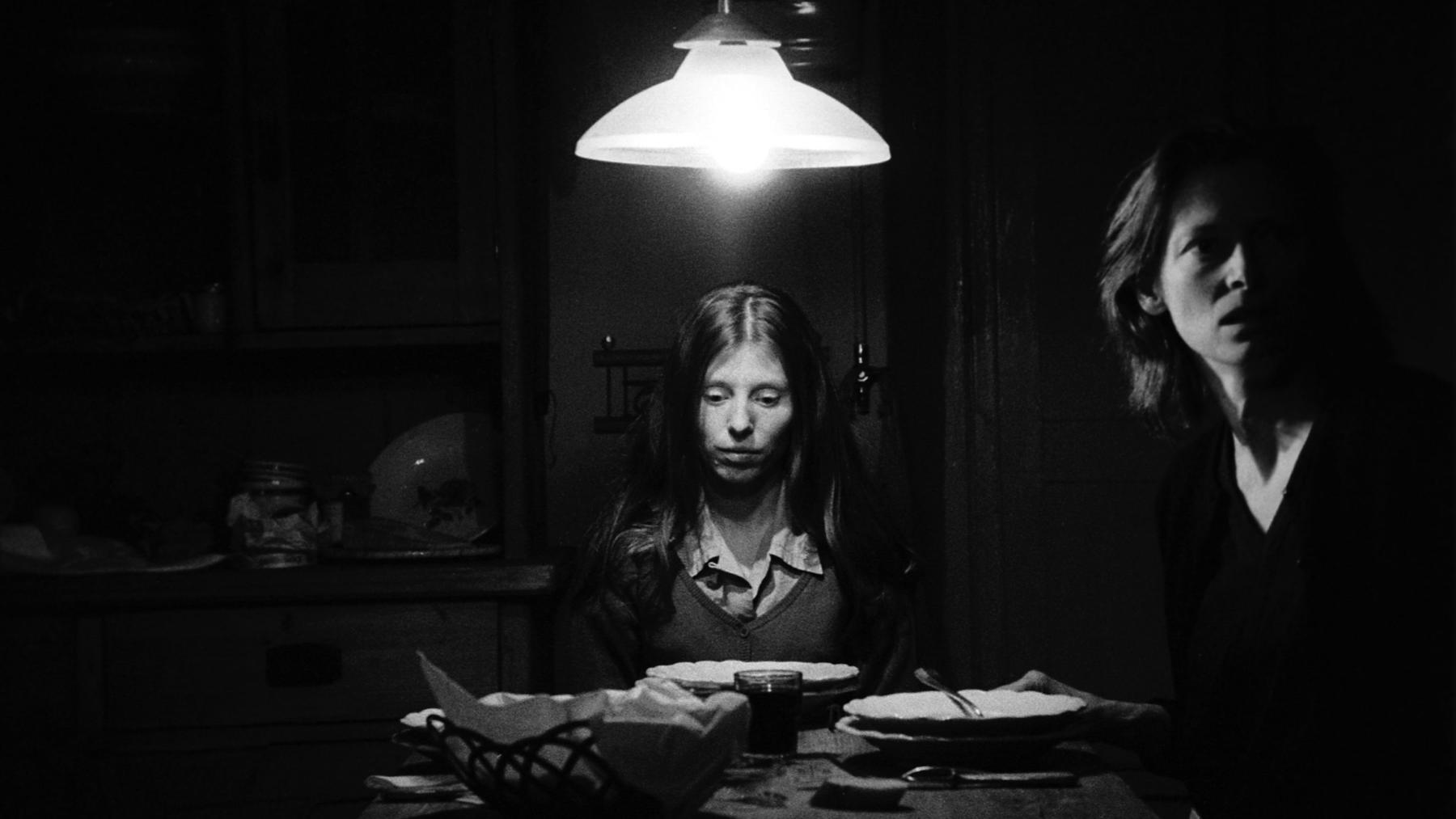
Starring Tilda Swinton and built around a noir premise, The Man From London is often considered Tarr’s weakest late-period film, though that still places it far above most contemporary cinema. It is moody, deliberate, and visually immaculate, but lacks the metaphysical weight of his greatest work.
Worth watching once you are already on his wavelength.
What About His Early Films?
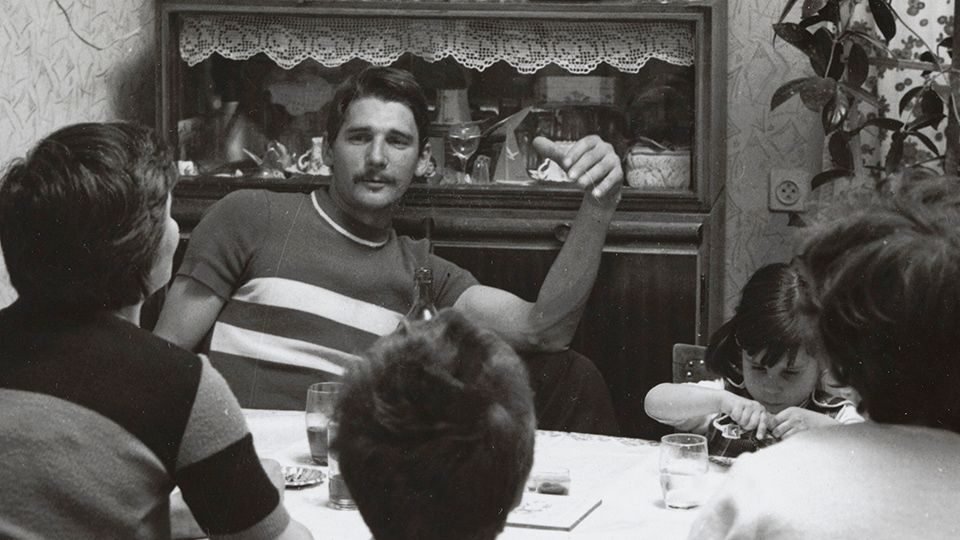
Tarr’s early, more realist works like Family Nest, The Outsider, The Prefab People, and Almanac of Fall show a different filmmaker emerging from social realism into abstraction. They are valuable, but not representative of what most people mean when they talk about Béla Tarr.
If you are curious, explore them later.
So Where Should You Start?

If you want an accessible masterpiece, start with Werckmeister Harmonies.
If you want to understand his style, start with Damnation.
If you want the full, life-altering experience, save Sátántangó for when you are ready.
Béla Tarr did not make films to be consumed casually. He made films that ask you to slow down, stay still, and sit with the weight of time. In a moment when everything moves too fast, that may be his most lasting gift.
Where Can I Watch Bela Tarr Films?
Tarr’s films can be found on arthouse streamers like Mubi, Criterion Channel, and Kanopy (which you can get with a local library card).