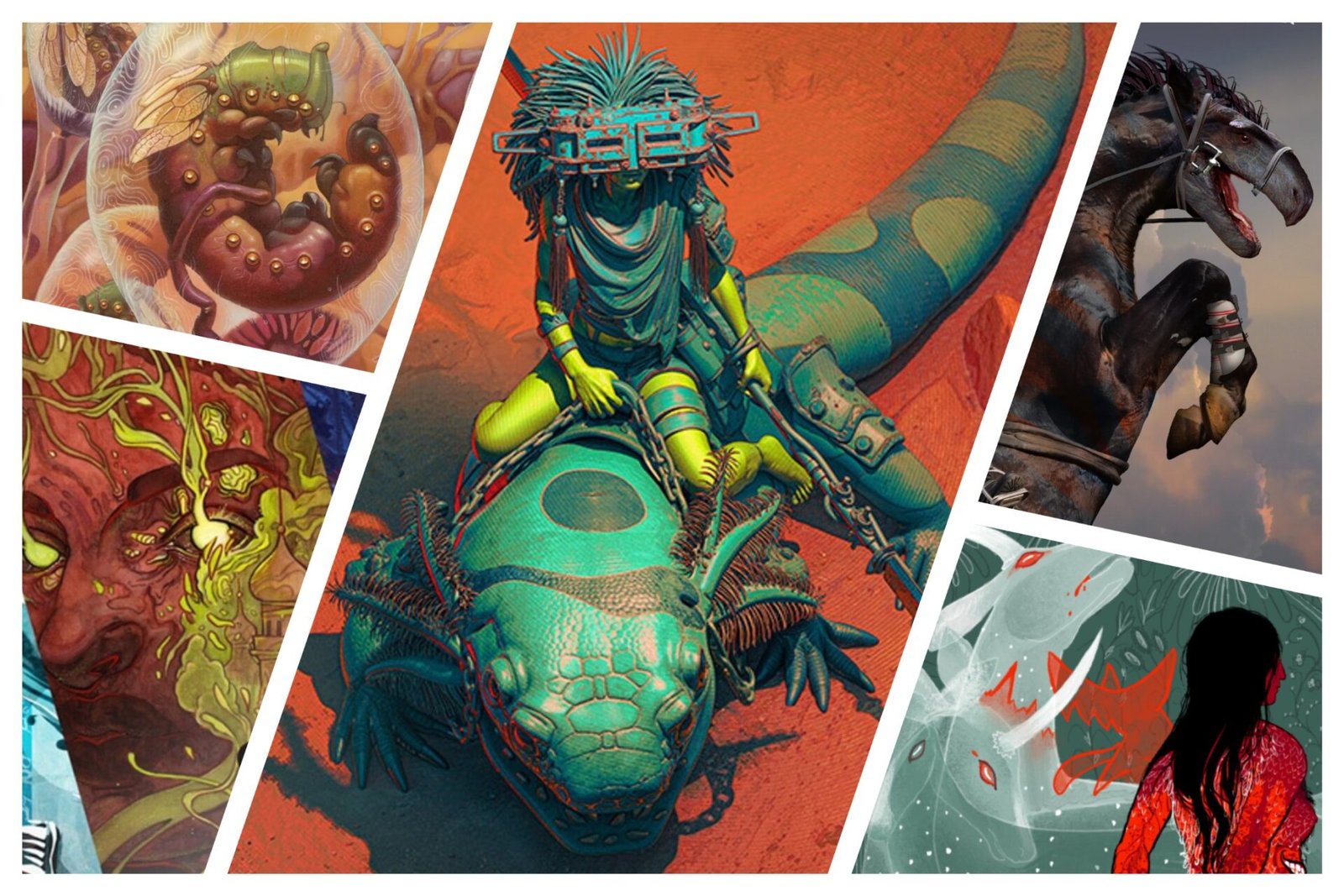
In 2026, reading science fiction, fantasy, and horror is no longer about keeping up. There is simply too much of it. Books, newsletters, Substack serials, small presses, endless releases. Discovery has become a problem, especially if you’re getting back into reading.
That’s where magazines still matter. Not (just) as relics of a golden age, but as short curated reads and radars. A good SFFF magazine doesn’t just publish stories, it gives a good sense of the current mood. It signals where the genre is drifting, mutating, or reinventing itself.
If you don’t want to read everything, but you still want to read well, these are the magazines worth your time in 2026.
1. Locus
The essential radar for SFFF publishing
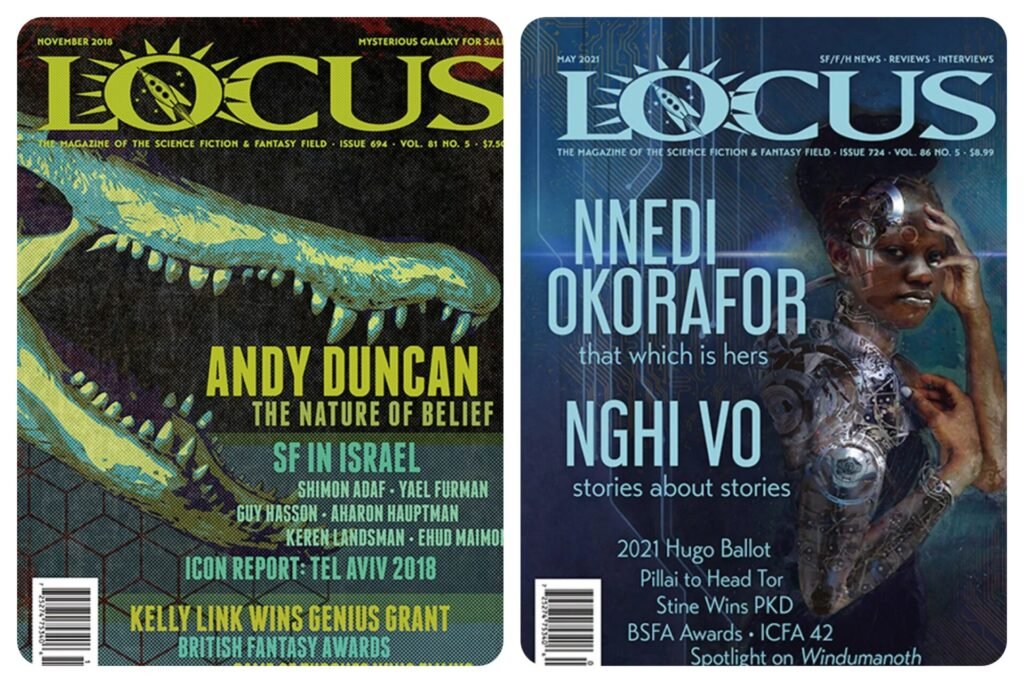
Locus is dangerous for your TBR list, and to your bank account. If you want to know what books are coming out, which awards matter, what editors are paying attention to, and where the center of gravity of SFFF currently sits, this is the place.
And since the picks are curated, elected with care by authors and editors with experience, it’s rare to be disappointed. Locus functions like a radar screen for the genre. You won’t necessarily find your next favorite story here, but you’ll understand the ecosystem it comes from.
In an algorithm-driven landscape, Locus remains one of the last reliable hand-crafted maps.
Locus has featured and recognised work by foundational figures of the genre, including Ursula K. Le Guin, Octavia E. Butler, Neil Gaiman, George R.R. Martin, China Miéville, Stephen King, and J.R.R. Tolkien.
2. Uncanny Magazine
Accessible, award-friendly contemporary speculative fiction

Uncanny publishes a wide range of science fiction, fantasy, and horror, generally in a clear and readable narrative style. Many of the stories it selects tend to stay close to character perspective and to foreground personal stakes, often within familiar genre frameworks.
Readers will usually find fiction that is conventionally structured, emotionally legible, and focused on how speculative situations affect individuals or relationships, rather than on technical speculation or complex worldbuilding.
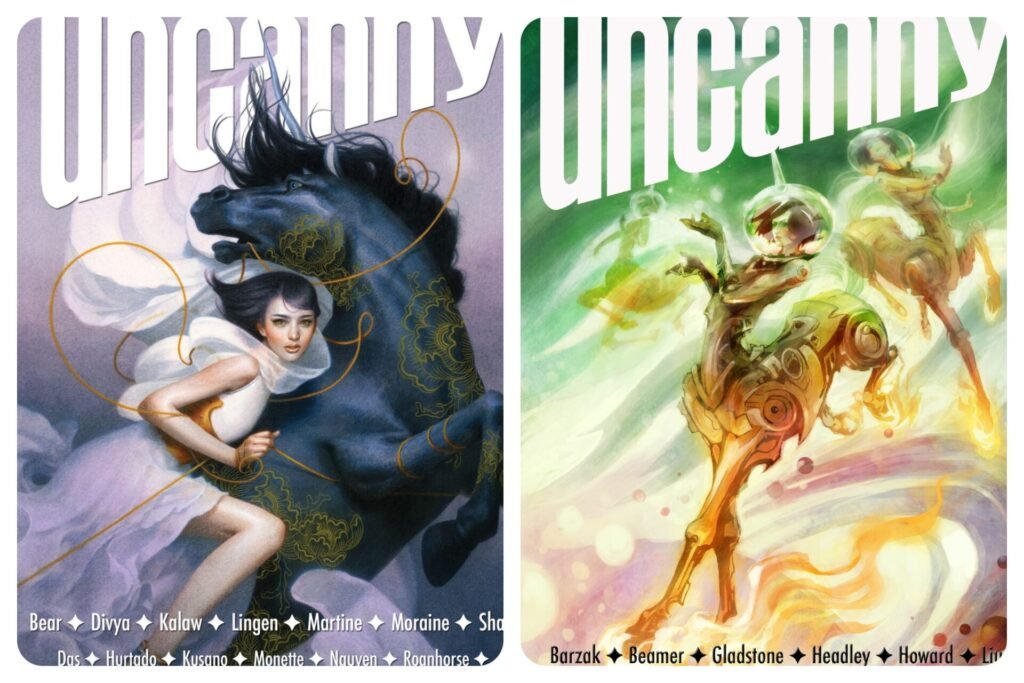
The magazine also has a strong presence in awards conversations, which makes it a good place to follow a certain mainstream of contemporary SFFF.
If you’re looking for polished stories that balance genre elements with attention to character and theme, Uncanny is a reliable place to start.
Uncanny Magazine has published major SFF voices such as Neil Gaiman, N.K. Jemisin, Charlie Jane Anders, Seanan McGuire, Naomi Novik, Catherynne M. Valente, Amal El-Mohtar, Nalo Hopkinson, and Jane Yolen, alongside emerging writers like Alyssa Wong.
3. Strange Horizons
Literary and experimental SFFF on the genre’s edges

Strange Horizons publishes speculative fiction that often leans toward the literary and the conceptual. Compared to more plot-driven magazines, its stories are more open to stranger or political ideas.
Many pieces published here are concerned with social, political, or philosophical questions, and may prioritize exploration of an idea or perspective over narrative resolution. If you seek something less common, this magazine could suit you well.
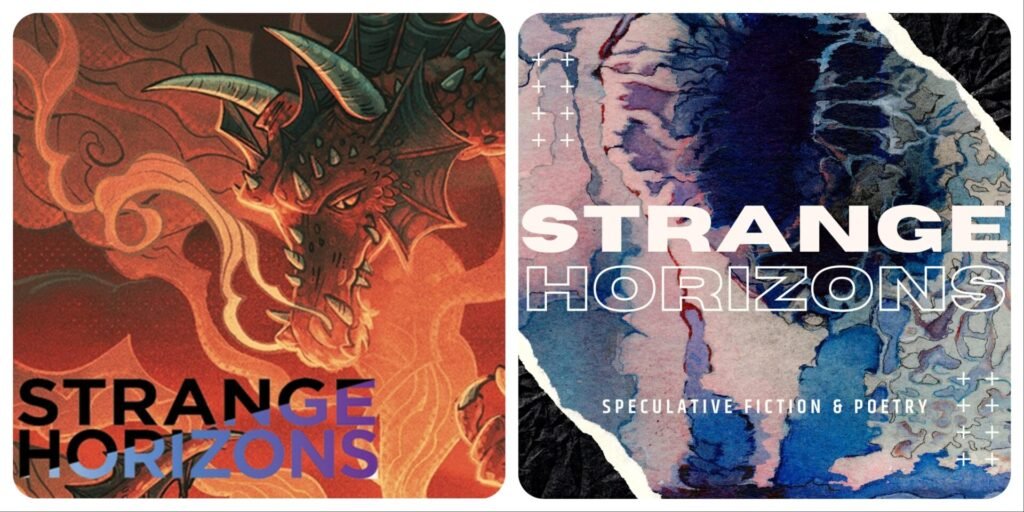
This makes Strange Horizons particularly well suited to readers and writers interested in experimentation rather than to deliver perfect and tightly plotted stories. It’s also more open to submissions than others.
Strange Horizons has published acclaimed speculative fiction authors including Nnedi Okorafor, John Scalzi, N.K. Jemisin, Ann Leckie, Ken Liu, Kelly Link, Mary Robinette Kowal, and Ursula Vernon, often featuring early work from future genre standouts.
4. Dark Horses
Unsettling weird fiction beyond genre comfort zones
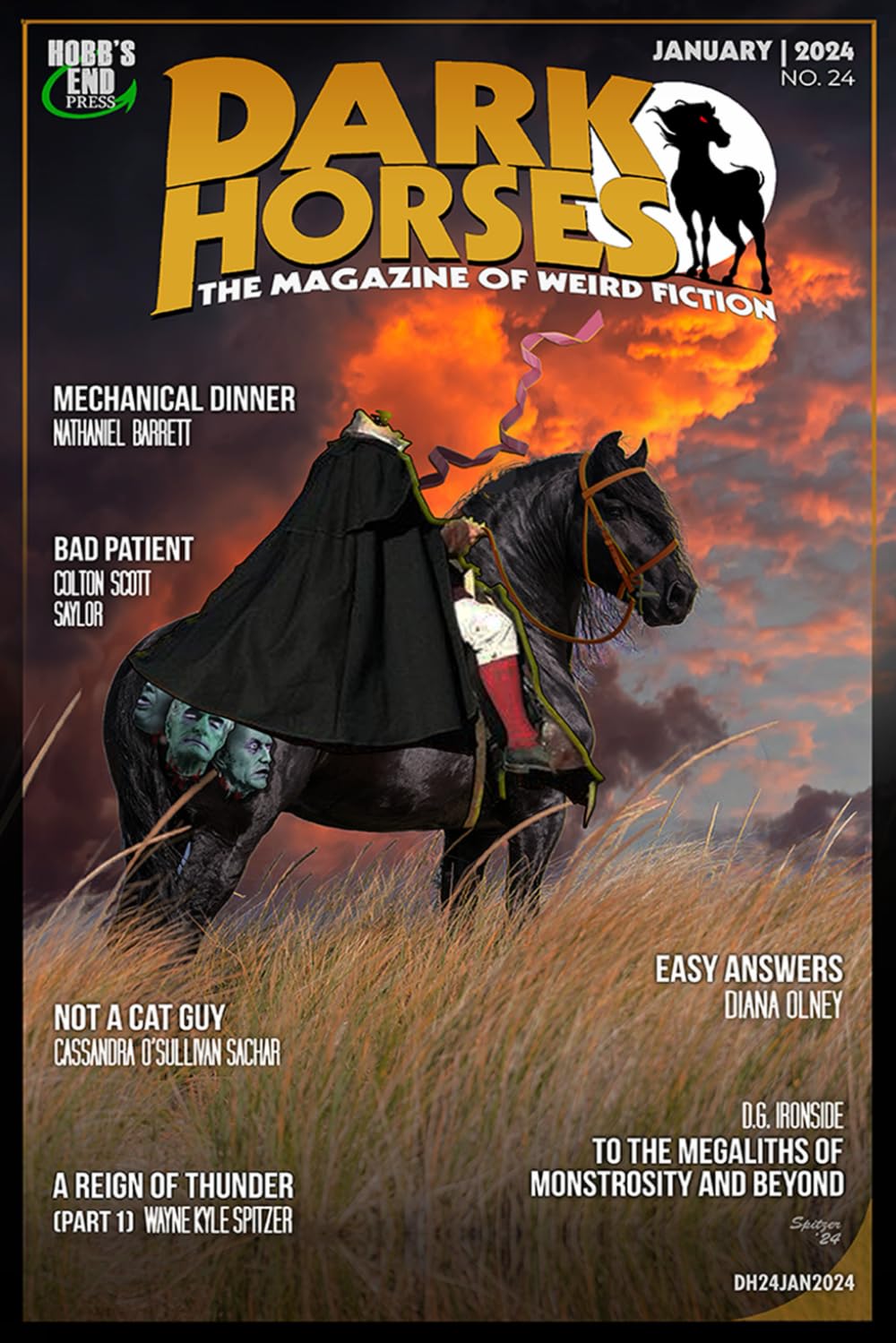
This one is my favorite. Dark Horses is where I go when genre boundaries start to feel suffocating.
This magazine leans into the strange, the liminal, and the hard-to-classify. Stories here are often unsettling, sometimes opaque, and rarely interested in explaining themselves. That’s the point, and the very essence of the weird.
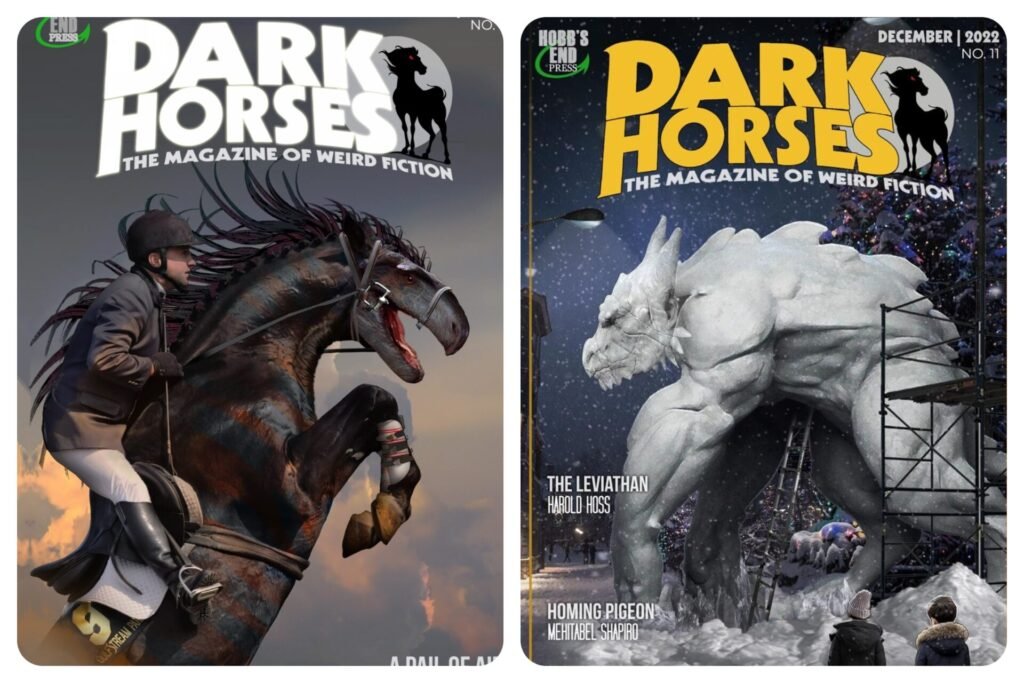
If you’re looking for clean arcs and comforting resolutions, look elsewhere. If you want fiction that leaves the greatest mental scars, this is one of the best places to find it.
Dark Horses has featured weird-fiction writers such as Wayne Kyle Spitzer, E.M. Anderson, and Michael Bondies, while its associated poetry journal has published established poets including Richard Wilbur, X.J. Kennedy, Douglas Dunn, and Anne Stevenson.
5. Clarkesworld
The global benchmark for modern science fiction
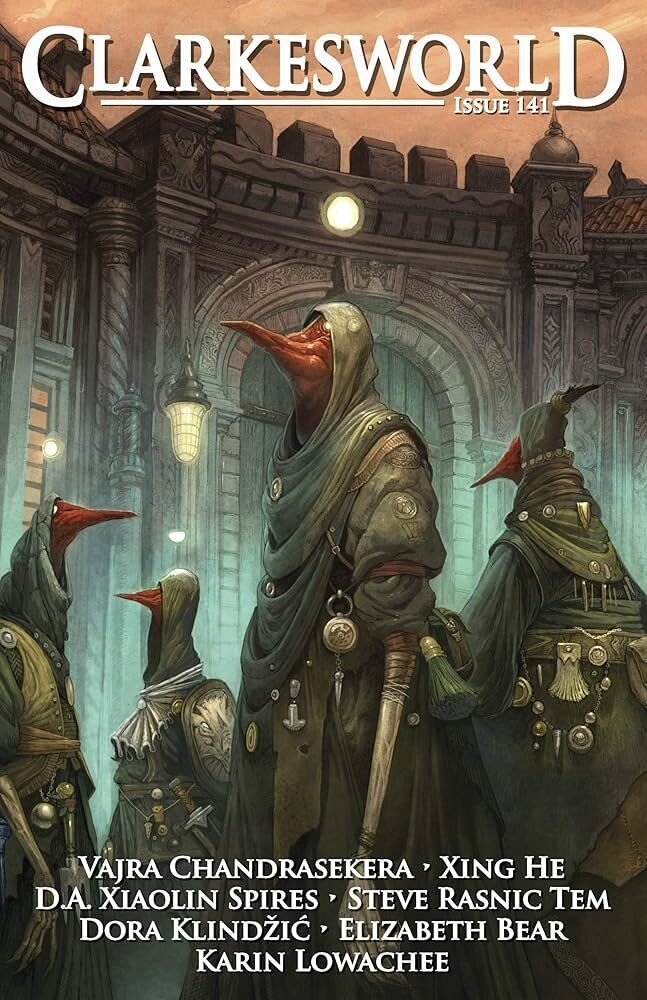
Clarkesworld remains unavoidable, and for good reason. It continues to set the tone for contemporary science fiction, particularly through its commitment to international voices and translated fiction.
If you want to understand where science fiction is going rather than where it has been, this is still the reference point, and possible the safest option for a financial commitment.
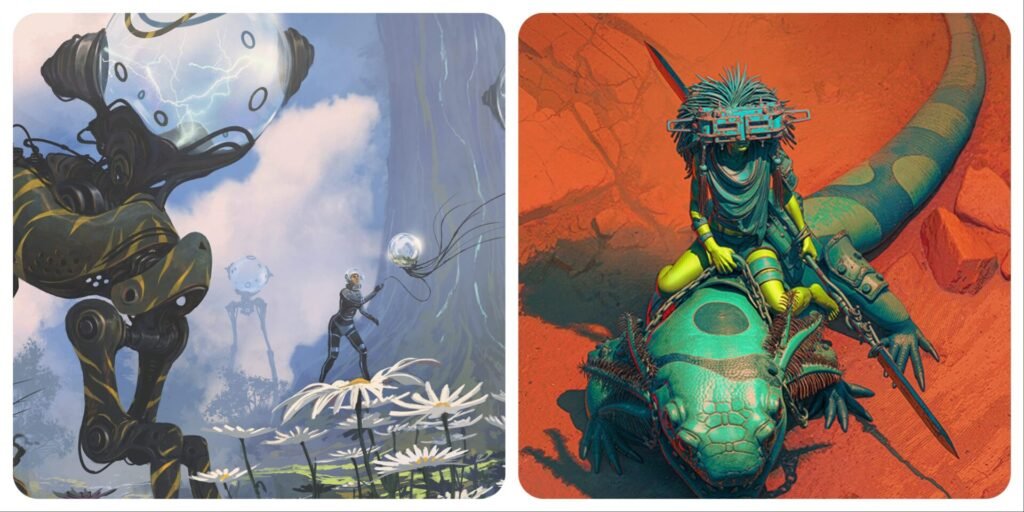
Clarkesworld doesn’t chase trends. It creates them. In 2026, it remains the magazine other magazines measure themselves against.
Clarkesworld has published landmark stories by writers such as N.K. Jemisin, Ken Liu, Jeff VanderMeer, Peter Watts, Suzanne Palmer, Naomi Kritzer, and Aliette de Bodard.
Conclusion
This list is for readers who want curated SFFF rather than endless releases (whether you’re returning to the genre or trying to keep up without burning out). And if you, like most of us, have been binging the latest SFF Netflix event, Stranger Things, we’ve got book reccomendations for that too: