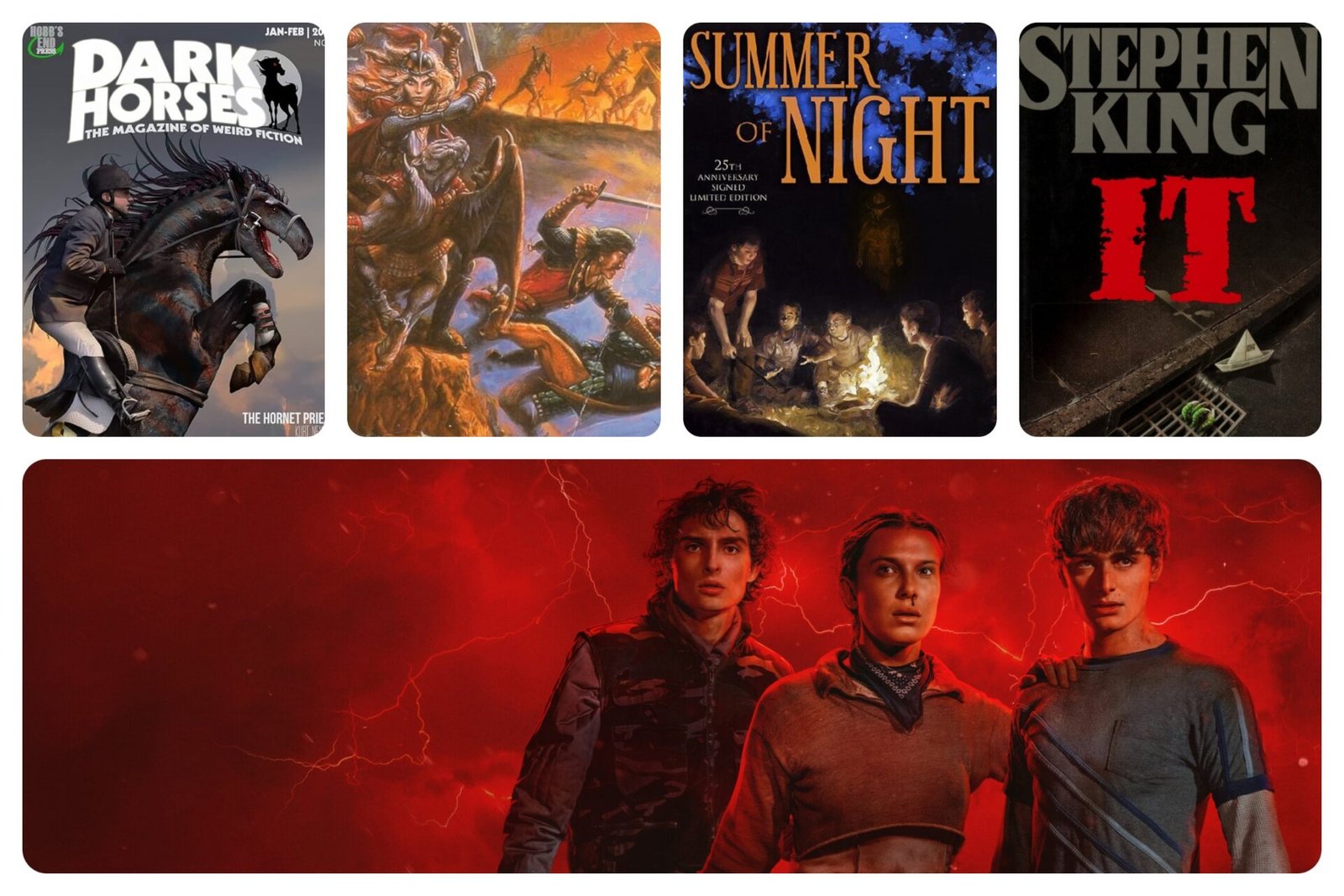
Stranger Things has ended with a movie-length episode. Yet the mood does not have to disappear with the credits.
What the series really gave us was not just monsters or nostalgia, but a story of childhood brushing against something vast and incomprehensible, friendship standing in for courage, and small towns hiding horrors they should not. That feeling is not exclusive to Hawkins. In fact, literature has been exploring it for decades.
If you are not ready to let go, these picks share Stranger Things’ DNA.
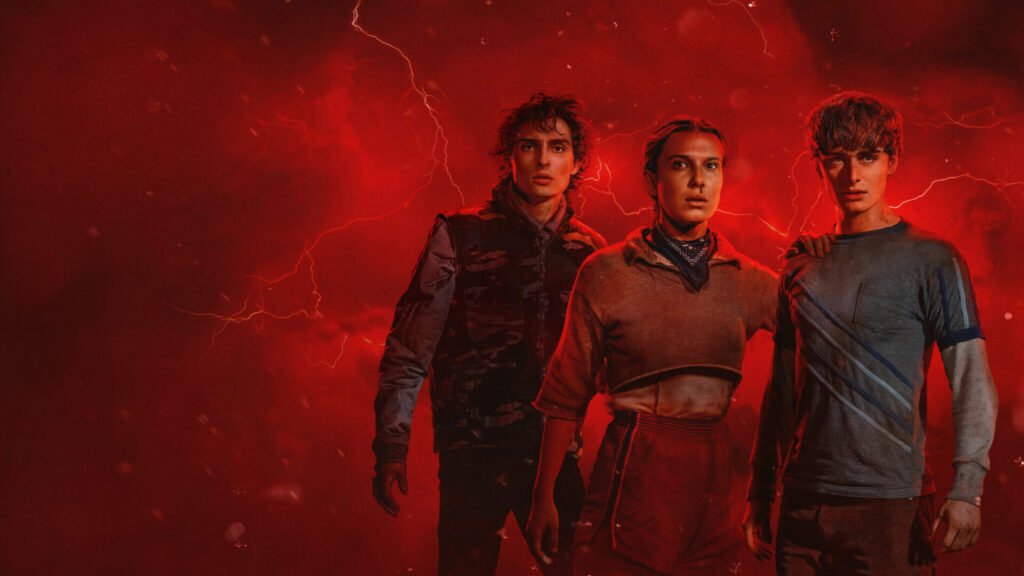
It – Stephen King
The source code
This is one of the main inspirations behind the series, so its presence here is inevitable. But reading It after the finale feels different than reading it before. Without the filter of pop energy and nostalgia, the novel reveals itself as heavier, crueler, and far less forgiving.
Derry bears the same curse as Hawkins. Its evil comes with a price, and that price is paid by children. The town survives by forgetting, while those who grow up inside it are permanently shaped by what they were forced to face.
If Hawkins is an entry point into small-town horror with unlikely heroes, Derry is the deeper descent into trauma and violence.
Dragons of Autumn Twilight – M. Weis and T. Hickman
The game they were actually playing
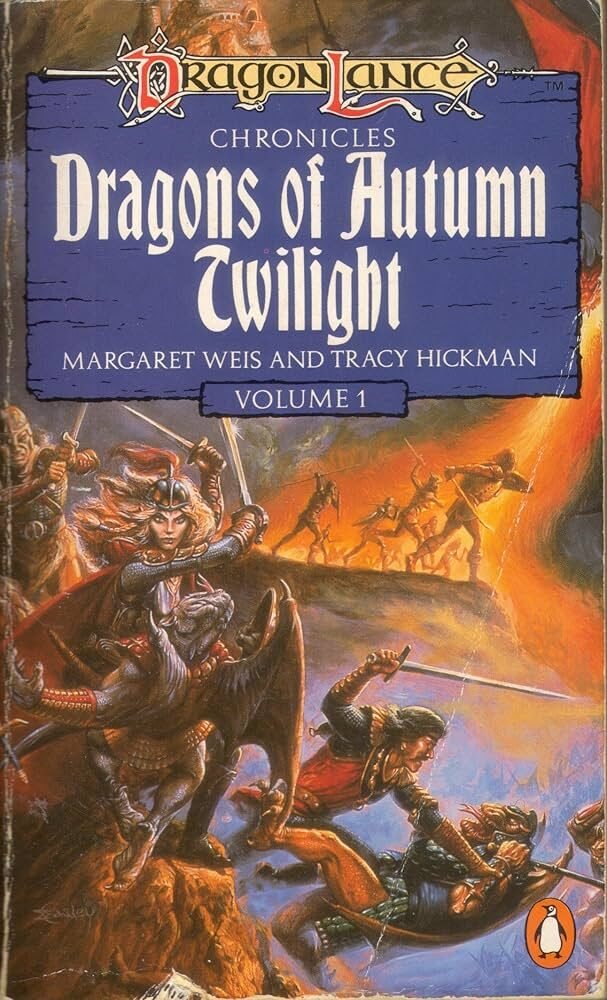
Before Stranger Things turned Dungeons and Dragons into a cultural shorthand, Dragons of Autumn Twilight was already there. Written in the mid 1980s and born directly out of tabletop sessions, the novel captures something essential about the series that often gets overlooked.
This is not horror, but it is the emotional backbone of the show. A group of friends bound by loyalty, facing a growing darkness together, and using imagination as both escape and preparation. The fantasy is not a distraction, but a way of learning how to stand together when the world stops making sense.
If Stranger Things is about naming monsters in order to survive them, Dragonlance is where that language comes from.
Summer of Night – Dan Simmons
When adults look away
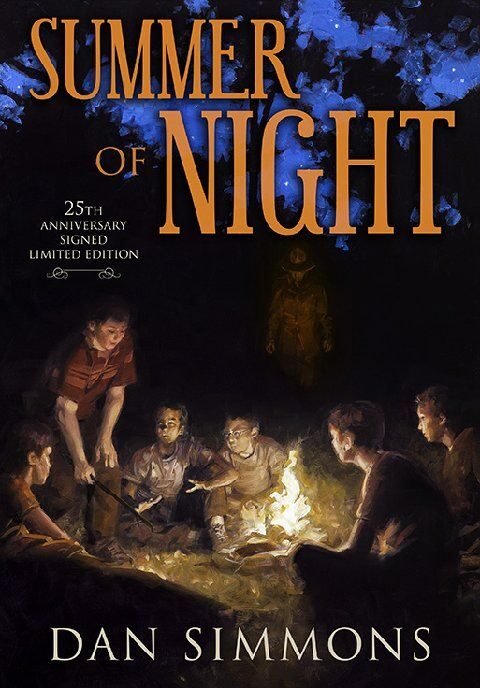
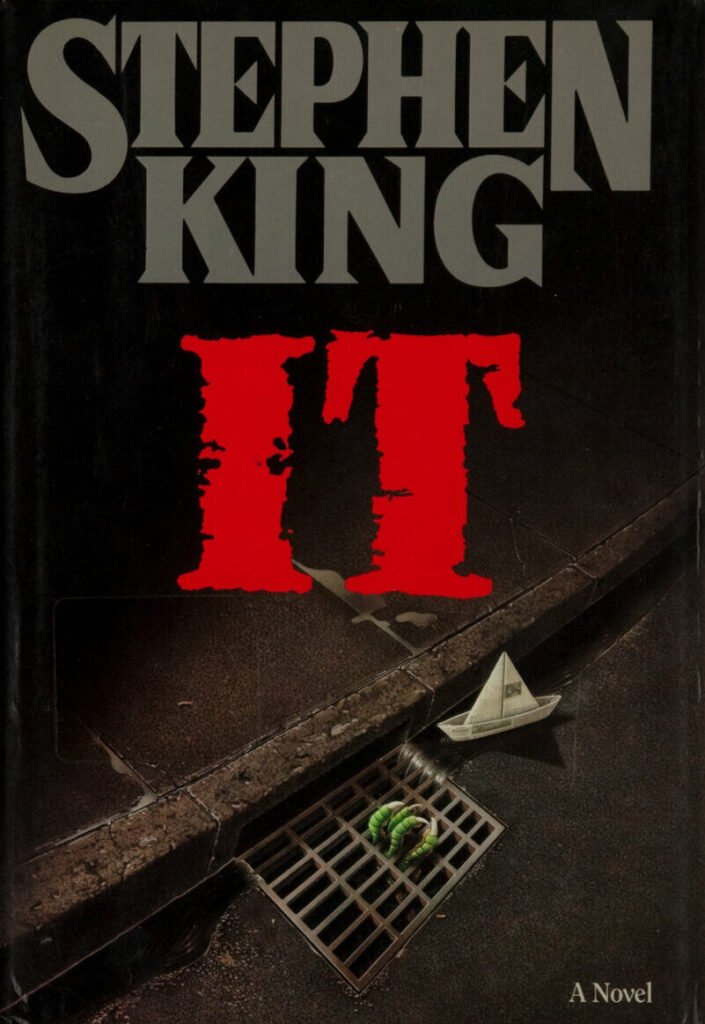
The similarities here feel almost intentional. Set in the small town of Elm Haven during the summer of 1960, Summer of Night follows a group of boys whose carefree season of bike rides and childhood games slowly collapses into something far darker.
As in Stranger Things, strange deaths occur and unexplained gaps in the town’s memory begin to surface, all pointing toward an ancient, parasitic evil hiding beneath the local school. What makes the horror truly effective is the absence of help. Adults are blind, unwilling, or subtly compromised.
Forced to rely solely on one another, the children confront a presence that cannot be defeated through conventional means. Childhood does not end cleanly here. It simply breaks.
Dark Horses Magazine
The Upside Down, in fragments
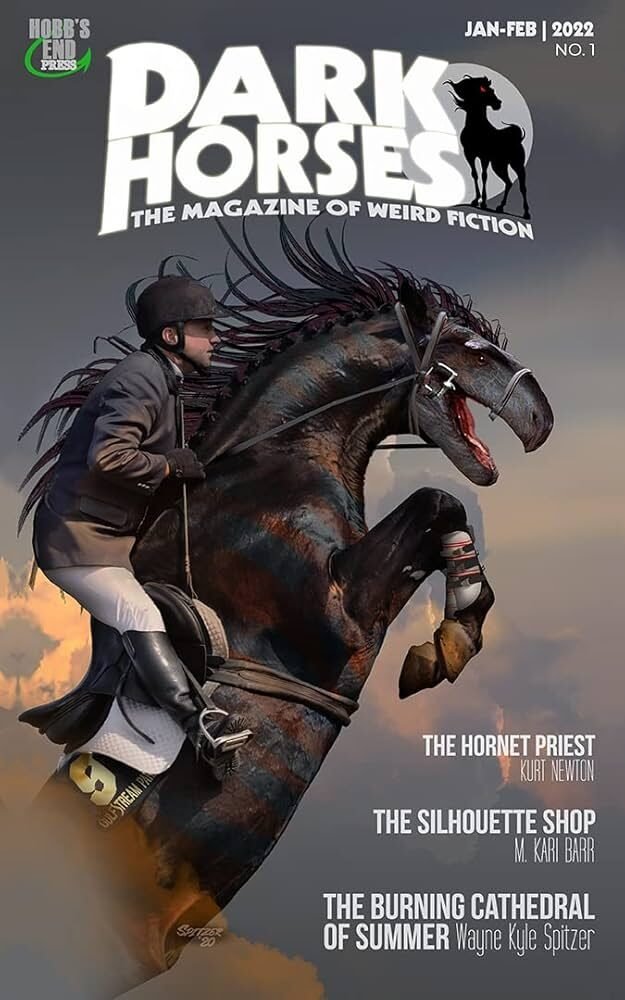
Dark Horses Magazine publishes contemporary weird and horror fiction rooted in unease rather than explanation. Its stories thrive on distorted memories, liminal spaces, and unnameable threats embedded in ordinary settings. In that sense, they share the same DNA as Hawkins’ Upside Down.
If what you loved about Stranger Things was the lingering sense of wrongness, this is where that energy lives today. The format is short, fragmented, modern, and consistently unsettling. Think of it as repeated descents into the Upside Down, one story at a time.
As an upside, the magazine regularly welcomes new contributors, making it not just a place to read, but a place where this tradition continues to evolve.
Stranger Things may be over, but the kind of story it tells is not. These books do not try to replace Hawkins, for Hawkins was already there. It’s childhood as a threshold, friendship as resistance, and horror as something that settles in slowly.
The gate of the Upside Down have closed. The feeling does not have to.