
Apple TV’s latest sci-fi series, Pluribus, has been hailed as having one of the best pilots of all time, and I wholeheartedly agree with that sentiment. That is if it’s your first time watching TV. If so, hello, welcome to Earth, and please do enjoy your stay. Pluribus is another addition to the growing list of Apple TV’s sci-fi success stories, as it comes hot on the heels of Severance. The series also marks the second collaboration between acclaimed screenwriter Vince Gilligan (Breaking Bad, Better Call Saul) and Rhea Seehorn (Better Call Saul). Put all that together and you can see why the buzz surrounding the show is what it is. I do hate to be the bearer of bad news, but it’s all just noise.
The series centers around Carol Sturka (Seehorn), a successful novelist whose claim to fame is peddling quintessential hetero romance slop. However, don’t be fooled by the pages of smut and agonizing over-descriptions of abs. Carol is harboring a secret or two. She’s an alcoholic lesbian who absolutely despises her fan base. After an alien virus decimates most of Earth’s population and morphs the remainder into the world’s most peace-loving and well-kempt hive-mind zombies, Carol’s immunity forces her to traverse a world in which honesty is not only a policy but the law of the land.
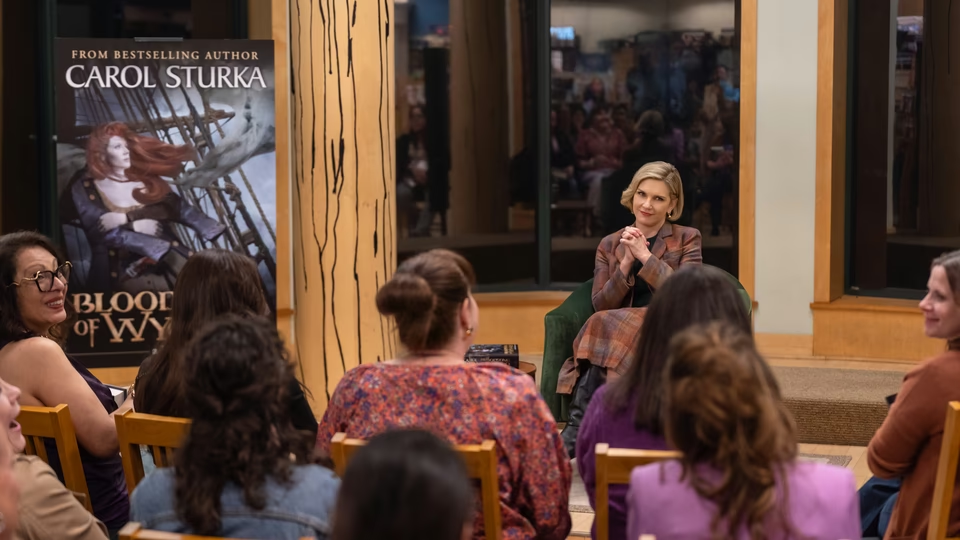
Carol’s crotchety characterization borders on cartoonish and is more of a caricature than a lived-in character. Her aversion to benevolence is briefly explored and quickly dismissed. The unwillingness to sit with that depth is a glaring issue that’s common for most of the characters in Pluribus. The show’s messaging, or more accurately its amorphous blobs of concepts of messages, is as vapid as the afflicted beings that have descended upon the world. Pluribus is pretty peculiar in this regard. The very fabric of the show is anxious. Going beyond surface-level exploration and actually attempting to answer the questions it poses is always met with trepidation. The more episodes you watch, the more you feel as if you’ve been forced into a thematic game of chicken.
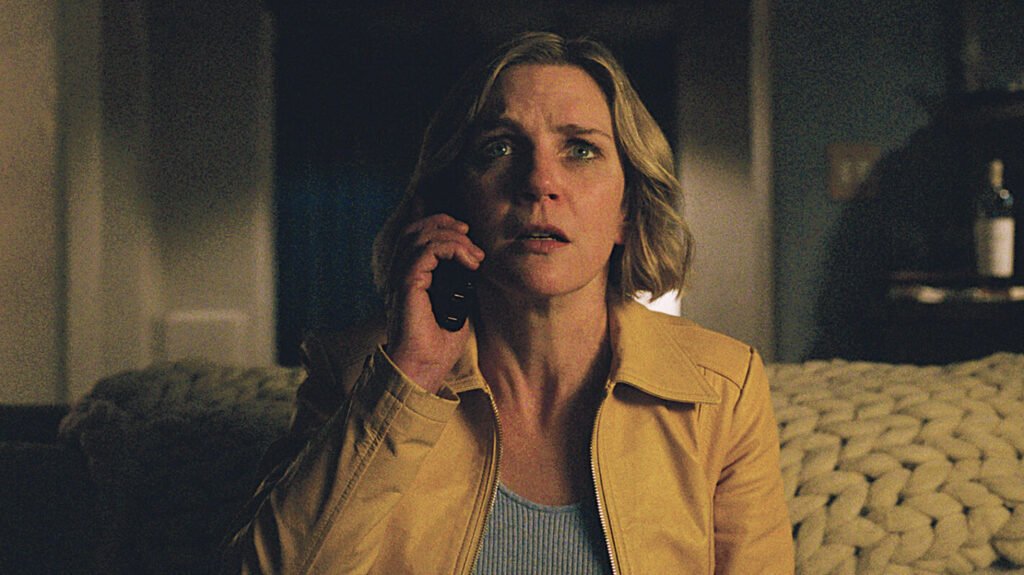
There’s no two ways about it. This is a slow show. Unconcerned with the typical do-or-die, adrenaline-laced scenes synonymous with post-apocalyptic stories, Pluribus envisions Armageddon as perpetually watching paint dry. Monotony is the name of the game. Drawn-out moments of stillness and unedited voice recordings that play in their entirety every single time they’re prompted to are just a few examples. Rest assured this is not a complaint. Those choices are indicative of a refreshing approach to storytelling. It’s a dose of hyperrealism in an unimaginable world. And for that I must tip my hat.
Unfortunately, Pluribus’ snail’s pace is just that, a mere mode of pacing that doesn’t expand upon any ideas nor does it enlighten. The narrative touches on autonomy, the true meaning of happiness, and the validity of anger and subsequently tosses them to the wayside.
Manousos Oviedo (Carlos-Manuel Vesga) is another immune survivor living alone in a storage facility in Paraguay whose storyline is subject to the same tepid and superficial methodology yet somehow harbors more intrigue than Carol’s happenings in Albuquerque. Manousos’ ordeal invokes actual stakes rather than just declaring them.
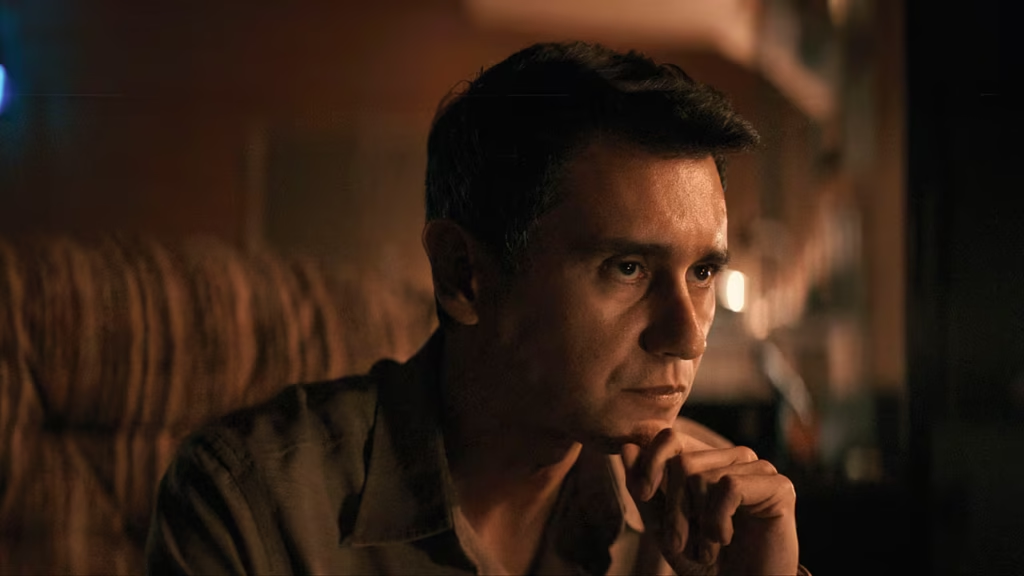
What do fast food burgers, cosmetic procedures, and episode five of Pluribus have in common? They’re all filler, baby! We’ve already established that Gilligan’s series is the tortoise in this race, but boy does it come to a screeching halt in this episode. Rest assured a quasi redemption comes in the form of the following episode, but the damage is already done.
I could dive into the AI metaphor, but frankly I just can’t be bothered. Besides the blatantly obvious, any commentary on the AI apocalypse of it all is a meek attempt at profundity. That being said, Pluribus shines in the oddest of places. Guest star monologues and synchronized walking choreography so crisp it conjured memories of the 2008 Beijing Summer Olympics opening ceremony.
Carol and the hive mind’s primary spokesperson Zosia’s (Karolina Wydra) romance is certainly… something. For heaven’s sake, Carol, your partner’s body isn’t even cold. The courting and eventual domesticity aren’t played to your typical beats, but the intent is to elicit the same response. This causes the romance to fall in a sort of no man’s land when it comes to impact.
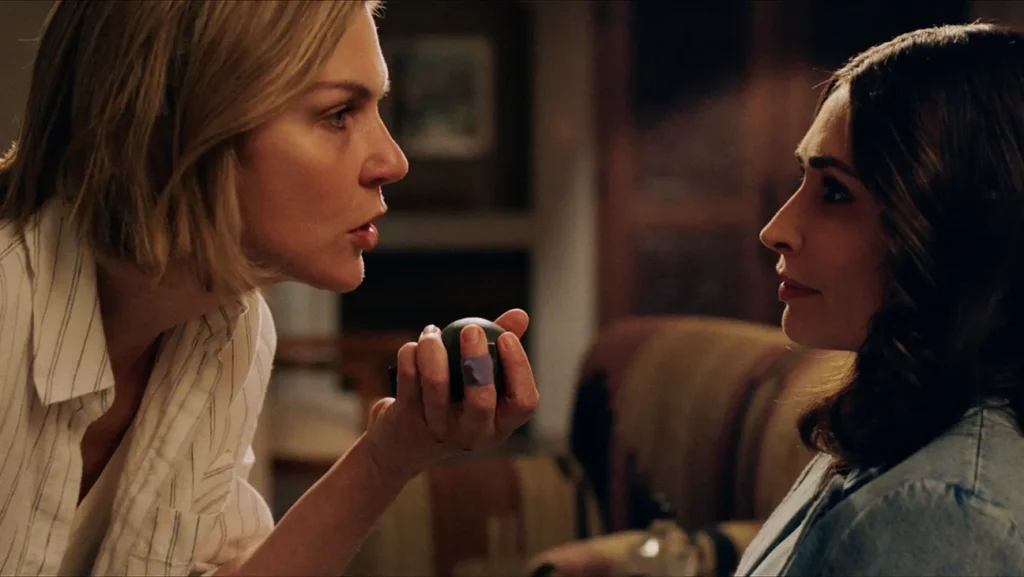
Honestly, by this point I knew exactly where to set my expectations when it came to the season finale. Or at least I thought I did. In a strange turn of events, Pluribus managed to pleasantly surprise me. I wouldn’t say all the pieces fit together, but the final episode was injected with an unmistakable vibrancy and got at the heart of the complex quandaries it glossed over earlier. So was I being impatient? Well, no, I still won’t take back any of my thoughts because in no way does Pluribus‘ season finale absolve the show of its many, many sins, but it does offer some hope in terms of going forward. And hope is as contagious as happiness.