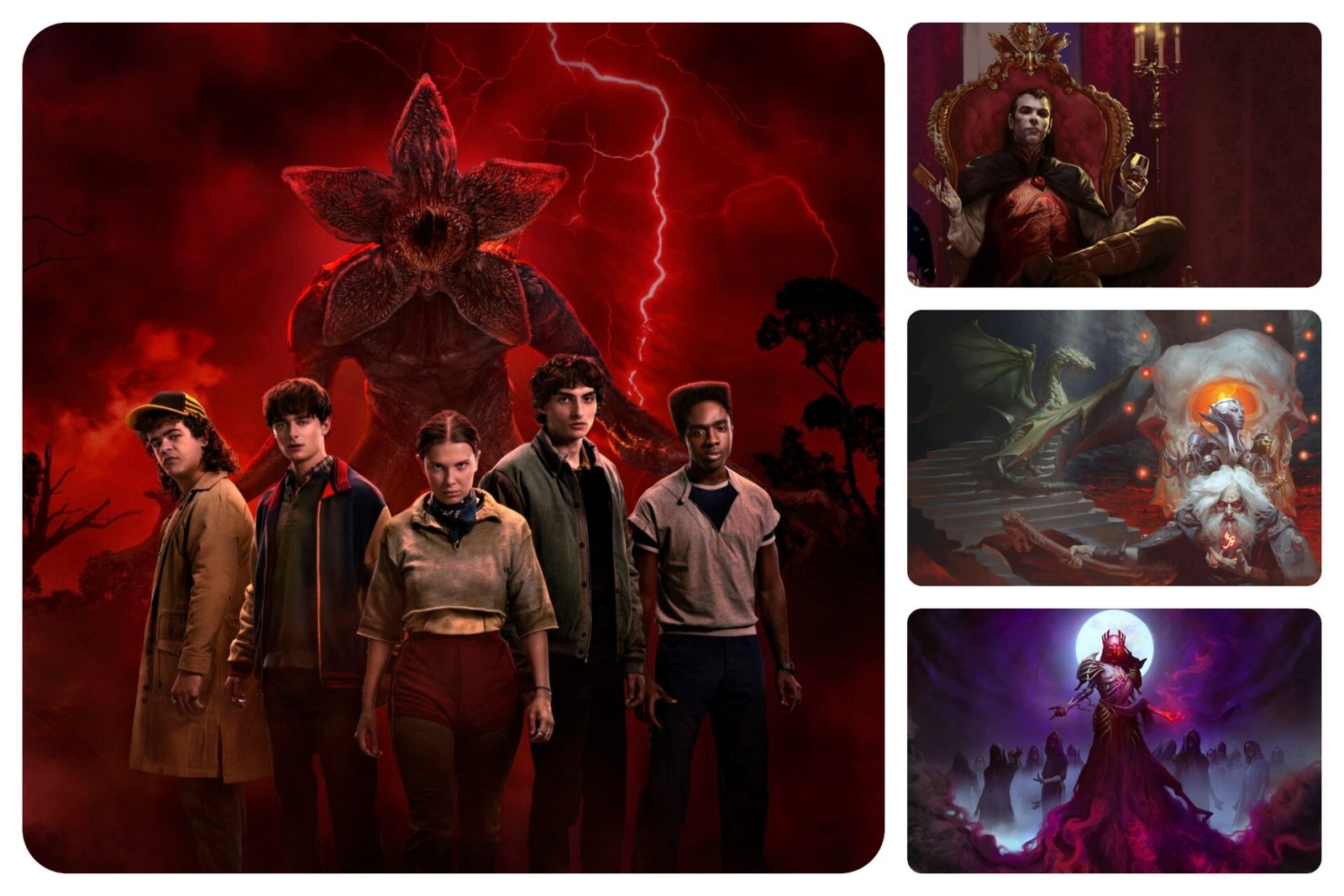
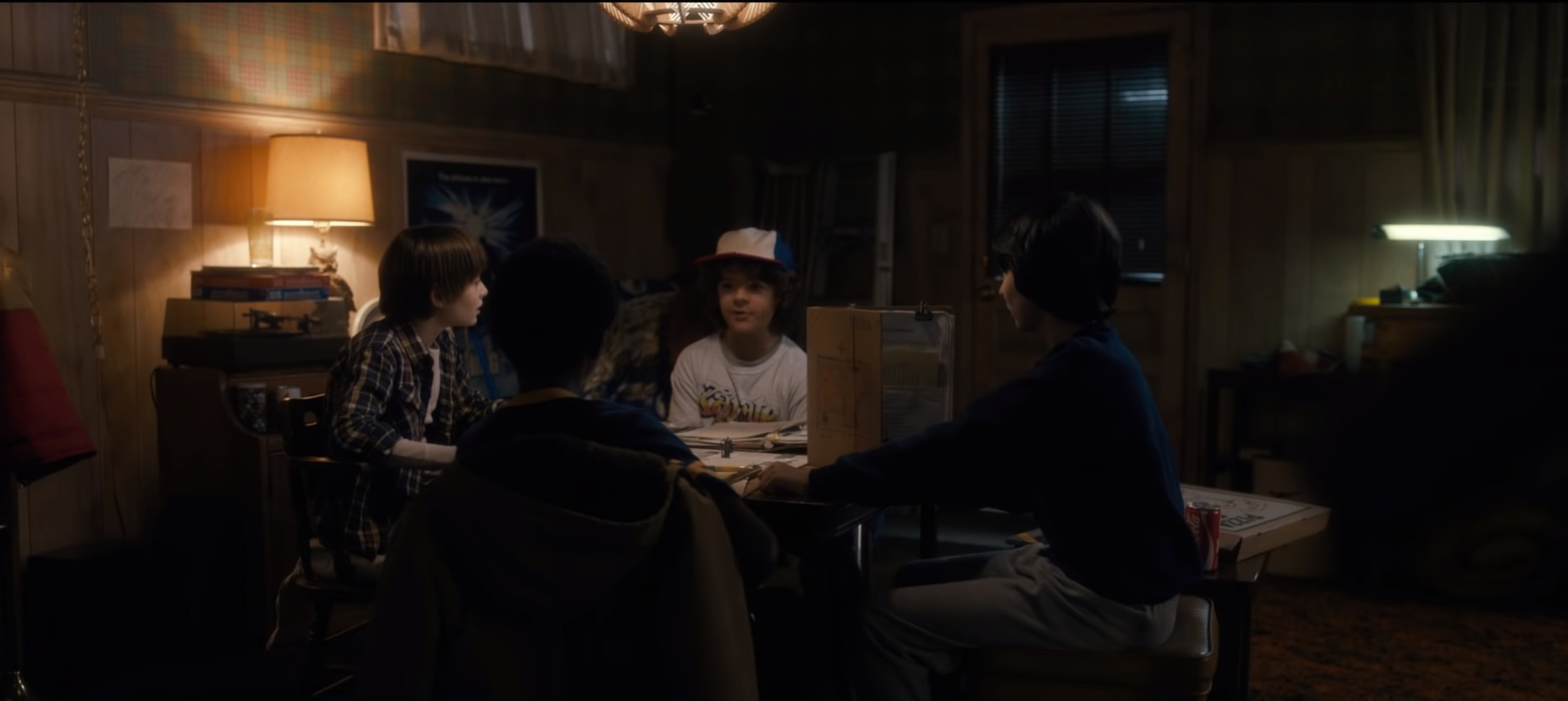
Stranger Things has always been about Dungeons & Dragons. I’d say it’s more than a gimmick. It’s as much a nostalgia trip as it is a way for the kids to make sense of the world around them. D&D is the place where they learned the power of cooperation, which is not a trivial part of the show.
Alongside cooperation, Stranger Things borrows other things from D&D: names, the idea of a parallel dimension, and a hostile archenemy. That’s why running a D&D campaign inspired by Stranger Things isn’t about copying Demogorgons or recreating Hawkins beat for beat, but about recreating the thrill of fighting an unavoidable force lurking in another dimension. Together.
If you’re a fan of Stranger Things eager to play some D&D, I’ve selected three campaigns that encapsulate the show’s thrill in the best way.
Curse of Strahd – Small Town, Big Shadow

Curse of Strahd is often described as “gothic horror D&D,” but that label doesn’t quite explain why it clicks so well with Stranger Things. The main reason is that Barovia, the main setting, is set in the Shadowfell, a dark parallel dimension, major inspiration for the Upside Down.
Barovia is a closed world. Leaving it is next to impossible. Everyone knows something is wrong, but no one knows how to fix it, or even where to start. And Strahd, like Henry/Vecna, isn’t just a villain waiting at the end of the adventure. He’s a presence. He watches. He waits. He steps in only when it matters and especially when it hurts. In that sense, he’s closer to Stranger Things’ Vecna than many other D&D villain.
Curse of Strahd excels at recreating that Hawkins feeling: a small community living under a shadow it only half understands, and fully fears. People go on with their lives not because they’re safe, but because they don’t have another option.
Played right, the campaign slowly shifts its center of gravity. It stops being about “beating” evil like an RPG boss fight and becomes about holding on, about surviving long enough for your choices, your bonds, and your small acts of courage to mean something at all.
The Alterdeep – Fake world, real prison
Characters beware! This part is only for twisted Dungeons Masters.
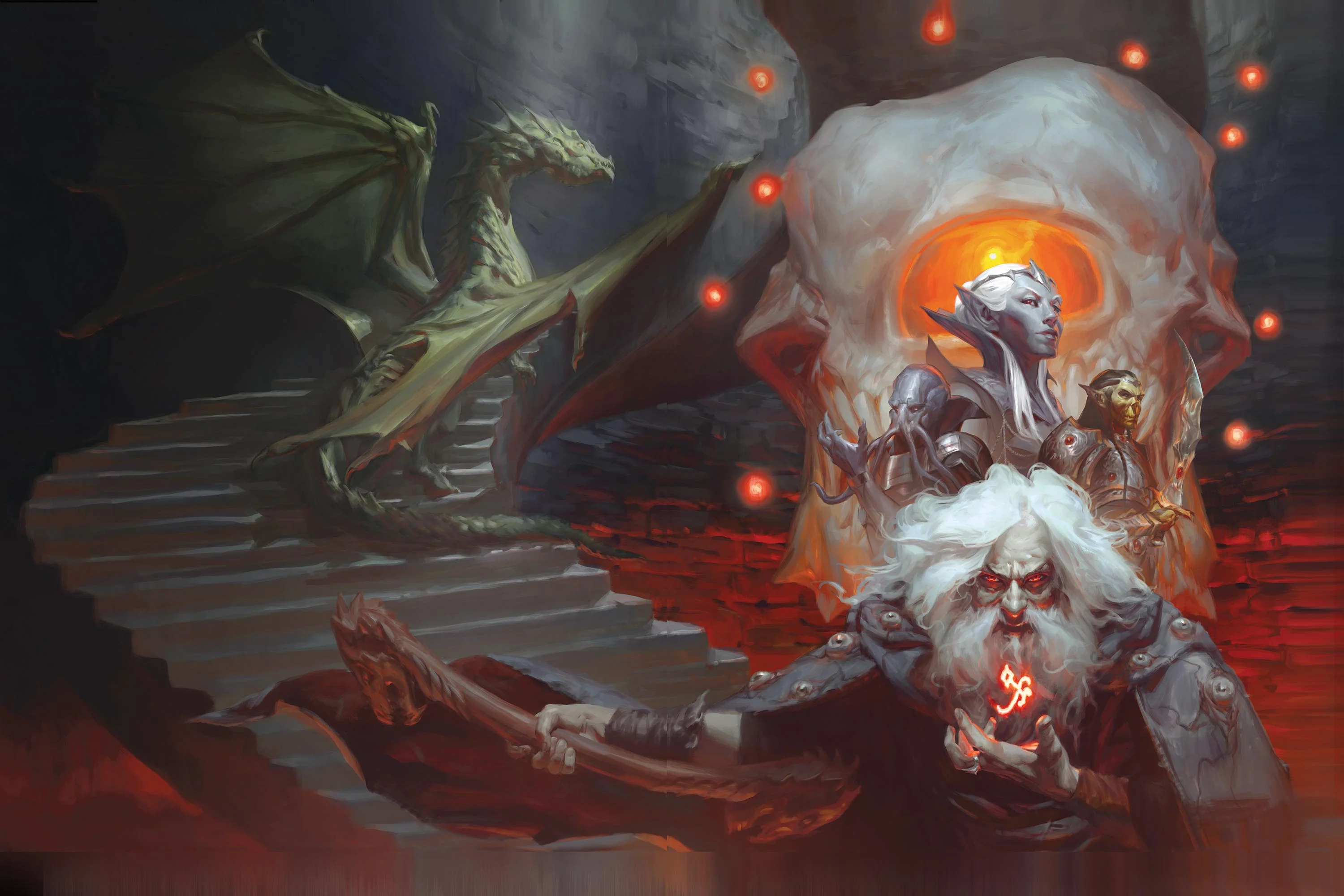
And it’s not a campaign or an adventure. It’s a subplot from one of the largest D&D campaigns to date: Dungeon of the Mad Mage. Dungeon of the Mad Mage is actually a sequel to another campaign set in the city of Waterdeep.
The premise of the Alterdeep subplot is devilish. At any point in the campaign, the Dungeon Master might transport you, likely after every character has been knocked down, back in the city of Waterdeep.
The change of setting is welcome at first, but that only because the players won’t yet realize that they are in a fake version of Waterdeep, a simulation created by Mind Flayers that hold them captive in pods, plugged by tubes in a horrific biomechanics device.
This is very much like Henry’s mind prison, and one of the hardest plot twist to drop on characters. I’ve had the chance to play this exact subplot with my party, and it’s, to this date, one of the most memorable moments of any campaign we had.
Vecna: Eve of Ruin – Big villain, real nostalgia
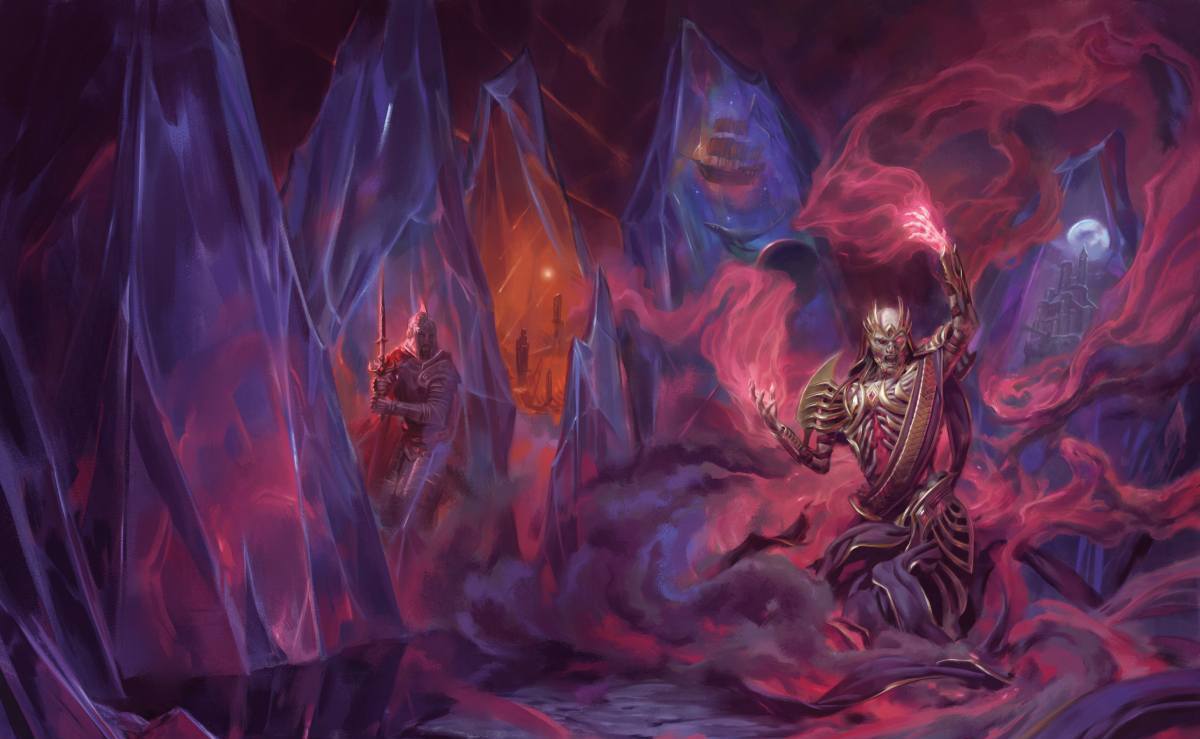
I couldn’t make a list of Stranger Things related campaigns without mentioning the one centered on Vecna. Even though D&D’s Vecna isn’t quite like Henry.
This adventure is still fit for lots of reasons. The one that hits me the most is nostalgia, which is another essential theme for Stranger Things.
The nostalgia does not come from a small town here, but from the fact that the campaign has adventures in almost every D&D campaign settings ever created, from the Forgotten Realms to Spelljammer.
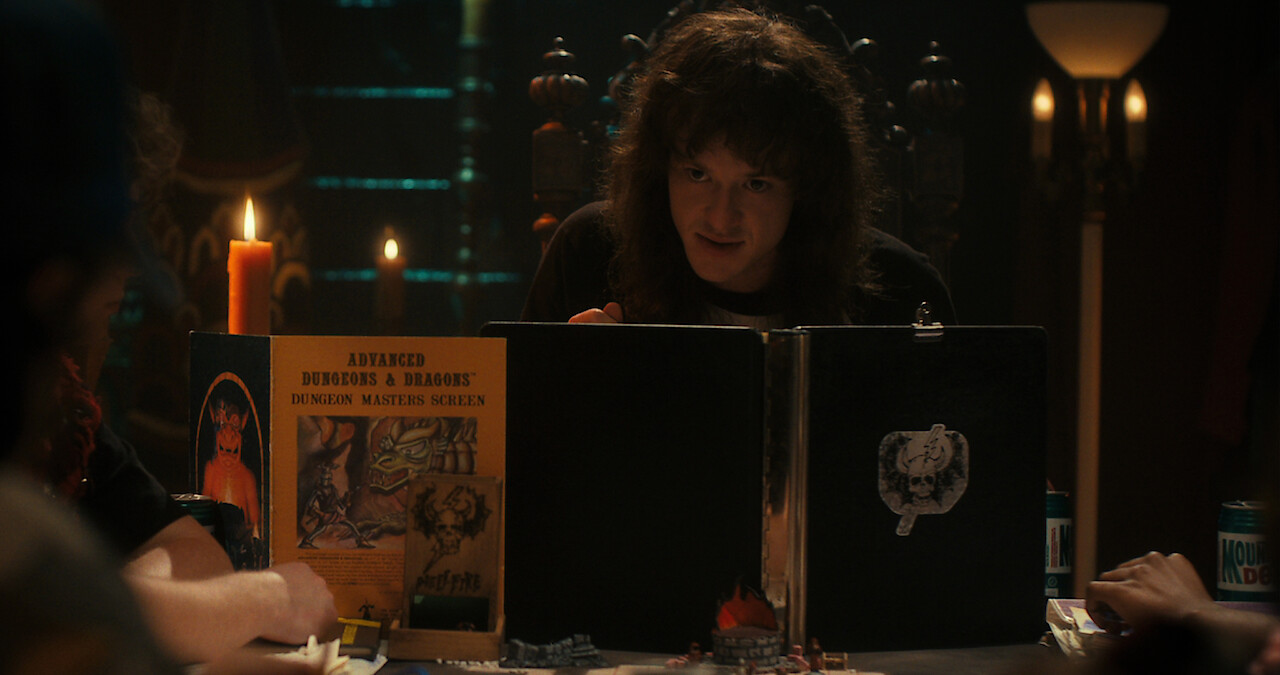
For seasoned players, this is pure gold. It’s the adventure of adventures, a collection of memories and a legendary villain waiting at the end for an unbelievable ending.
It’s a villain so powerful that dwelling in every dimension available is barely necessary. He’s everywhere. He’s powerful. He’s personal. It’s Vecna in the flesh.
What all three of these campaigns have in common isn’t their monsters, their settings, or even their villains. It’s the way they stay with you, much like the Upside Down did. If Stranger Things ever made you want to pick up dice again, these campaigns won’t give you Hawkins. They’ll give you something closer, and in many ways, more unsettling.
Roll initiative.