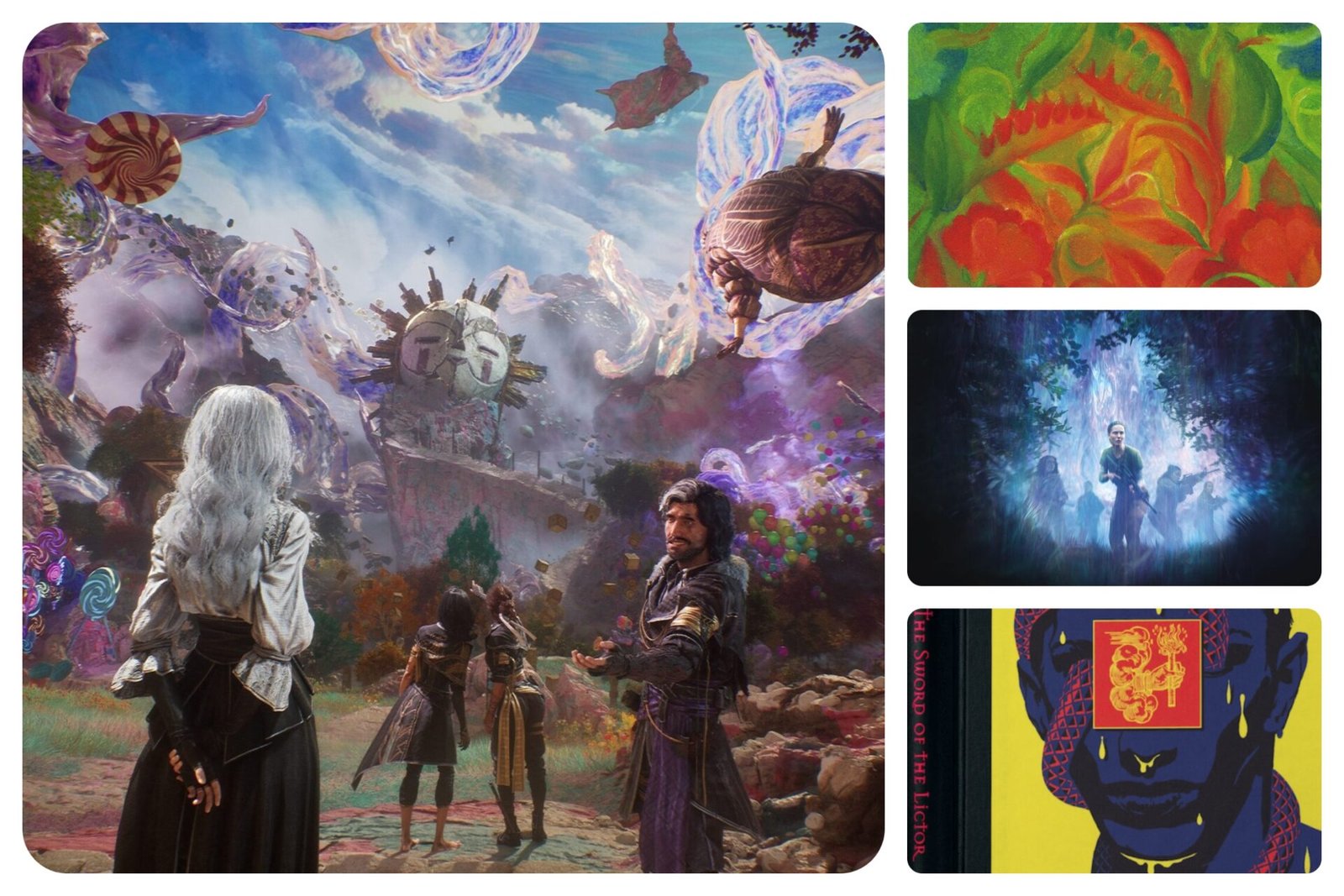
Clair Obscur: Expedition 33 didn’t just conquer everyone’s heart and the game awards by being pleasing for the eyes, ears and hands. It also did because it’s the kind of game which overstays in our minds and leaves us in a melancholic state.
The books I’ve listed below aren’t faithful replication of the game’s aesthetics. Instead, I chose them for their themes. I tried to focus on the game’s meaning and feeling instead of the Parisian looks. If Expedition 33 left you thoughtful rather than triumphant, this list is for you.
Perdido Street Station — China Miéville
Understanding makes things worse.
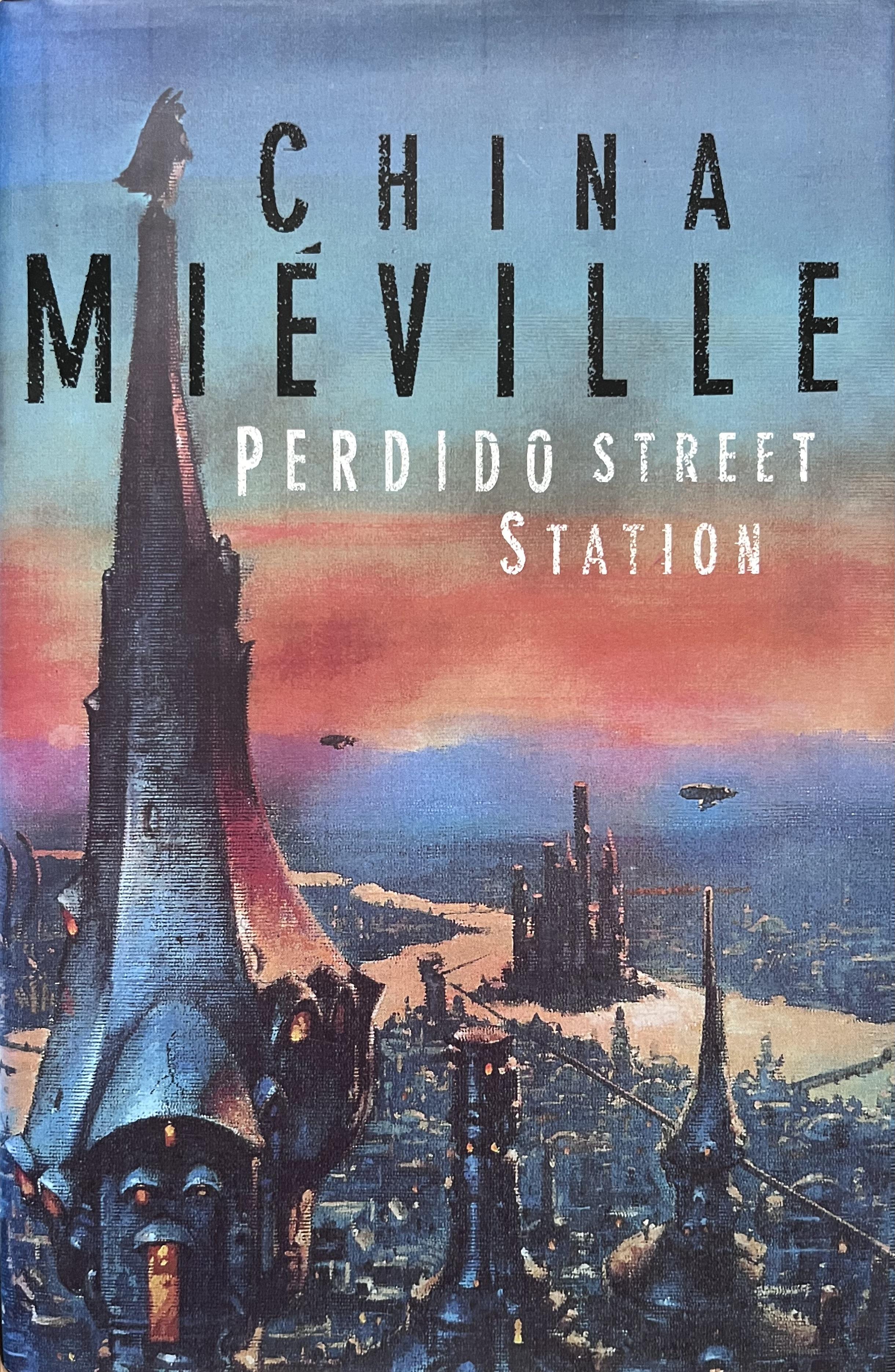
Miéville’s Perdido Street Station is the first one I thought about while drafting this list. It’ quite different in aesthetics, but I think it earns its place. Set in the sprawling city of New Crobuzon, the novel follows a burlesque cast of characters as they stumble into forces far beyond their ability to control. The deeper they dig, the clearer it becomes that knowledge itself is the enemy.
Its ties with Clair Obscur aren’t in the plot itself, but rather in the logic of the world. New Crobuzon is a weird place to grasp and understand, surprising with its locales and creatures, where cruelty looks systemic where beauty emerges from horror. Like the game, the novel has little to no heroic comfort. Victories are partial, and the world remains indifferent to human hopes. It’s heavier and slightly more politically charged than Expedition 33, but it offers the same vertigo.
The Other Side of the Mountain — Michel Bernanos
An expedition that erases its explorers.

This one isn’t just one of the closest I could find thematically, but it’s also French. The Other Side of the Mountain follows a group of sailors who reach desolate land dominated by a mountain and a constant sense of unreality. The narrative slowly ditches realism, drifting into something closer to a waking nightmare, where almost everything in the landscape is hostile to human life.
Bernanos’ novel shares Clair Obscur’s deep melancholy and its fascination with exploration turning into annihilation. The main difference would be that there are no clear antagonists here. What we get is an oppressive environment that absorbs those who enter it. The prose is dreamlike, and the book reads less like an adventure than like a descent into a symbolic world. For readers drawn to the game’s most abstract this might just be a perfect match.
The Invention of Morel — Adolfo Bioy Casares
Eternity at the cost of living.

The Invention of Morel is the closest to Clair Obscur: Expedition 33’s final twist, so if you’re not done with the game, you might want to skip this recommendation for now. Its setting is pretty far from a baroque Paris, and mainly consists in an island. Philosophically, however, it’s a close cousin.
The novel follows a fugitive who washes up on a seemingly deserted island, only to encounter a small group of visitors who live according to to strict patterns, and repeat the same gestures every day without ever noticing him. The mystery resolves into something strangely modern for a book written in 1940. The island is ruled by a machine capable of recording reality so perfectly that it reproduces people and moments forever. At the cost, of course, of killing those it records. Something we would call a hologram, only grimmer.
This device is what makes it close to Clair Obscur. The world system, initially presented as a flaw, ends up working exactly as intended. Immortality is achieved by erasing duration and beauty is preserved by sacrificing life. Morel, like the Paintress, is less a villain than an architect trapped by the logic of his creation. It’s a short and emotionally brutal read, ideal for readers who enjoyed the fact that the true antagonist was not a character, but the world itself.
Annihilation — Jeff VanderMeer
Discovery as self-destruction.

Maybe this one is another book I can’t not mention. It’s another kind of expedition entirely, though. Clair Obscur is about an expedition haunted by inevitability and a deadly countdown. Annihilation is more about being consumed by incomprehension. VanderMeer’s weird fiction novel follows a scientific team entering Area X, a quarantined zone where nature has begun to rewrite reality according to unknown rules. Every expedition sent there collapses, all for different reasons.
The connection to Expedition 33 lies in the idea of exploration that is doomed from the very beginning. Knowledge does not empower the characters, but threaten them, as in every weird fiction. The environment is, like in Clair Obscur or Bernanos’ novel, intrinsically hostile to humans. VanderMeer’s prose is clean and restrained, making the book far more accessible than its themes suggest. For readers who loved the game’s sense of dread and existential dislocation, Annihilation offers a modern, tightly focused echo. And there’s its fantastic film adaptation on Netflix too.
The Book of the New Sun — Gene Wolfe
A future built on broken memory.
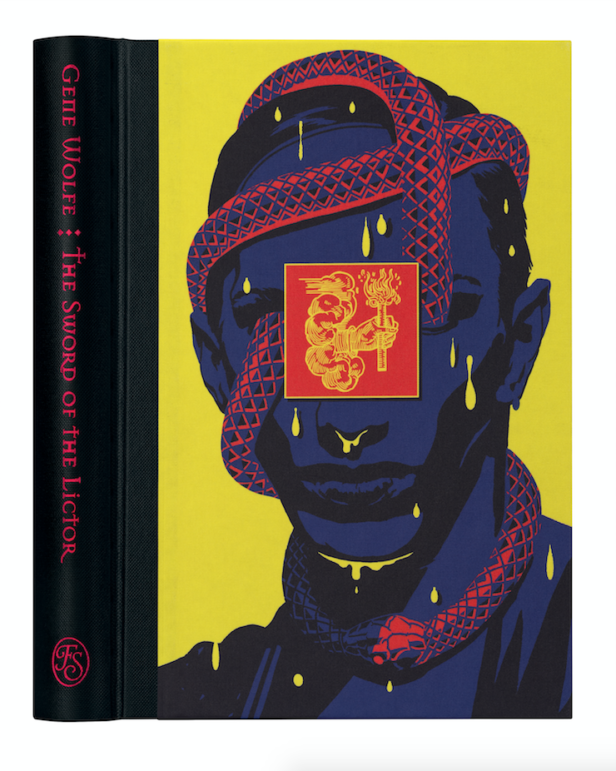
This is the most demanding entry on this list, but also the most rewarding. The link with Clair Obscur is more subtle. It’s set in a far future, so far and decayed it looks like medieval times. The series follows Severian, an executioner living in a civilization built on forgotten technologies and on the brink of war.
What links Wolfe to Clair Obscur is the sense that time itself is broken. Like the game, the series asks readers to question what is being remembered, and whether understanding the system actually offers any escape from it. It regularly inverts the common causal logic. Wolfe’s prose is dense and deceptive, often withholding clarity until long after the events. It’s not an easy read, and I’d probably recommend the rest of the list in priority, but for readers willing to commit, it delivers a similar slowburn that defines Expedition 33.
After the Expedition

None of these books recreates Clair Obscur: Expedition 33. The only way to return to Clair Obscur is to start a new game, which I probably will soon. What they share is not a look or aesthetic but exploring worlds which require death to function.
These are stories where systems outlast individuals, and where the adventure was never meant to end in victory. If Clair Obscur stayed with you for those reasons, I believe these books will feel like continuations.
Happy reading!