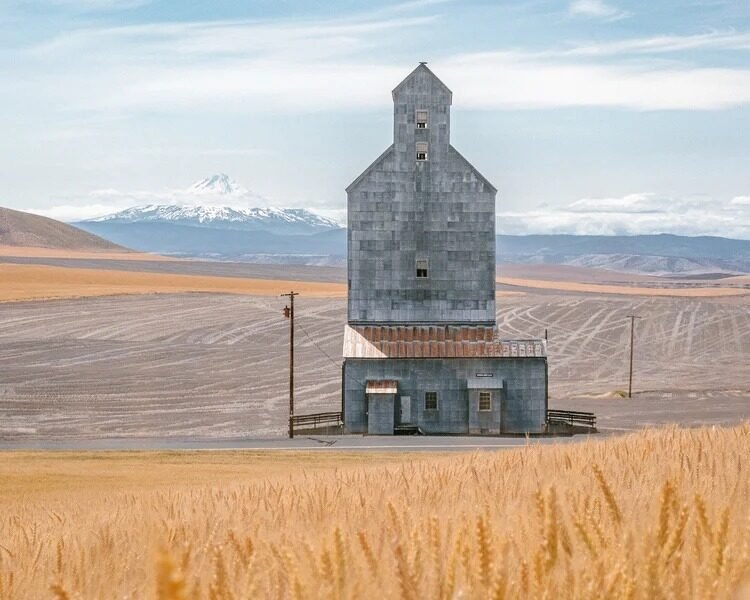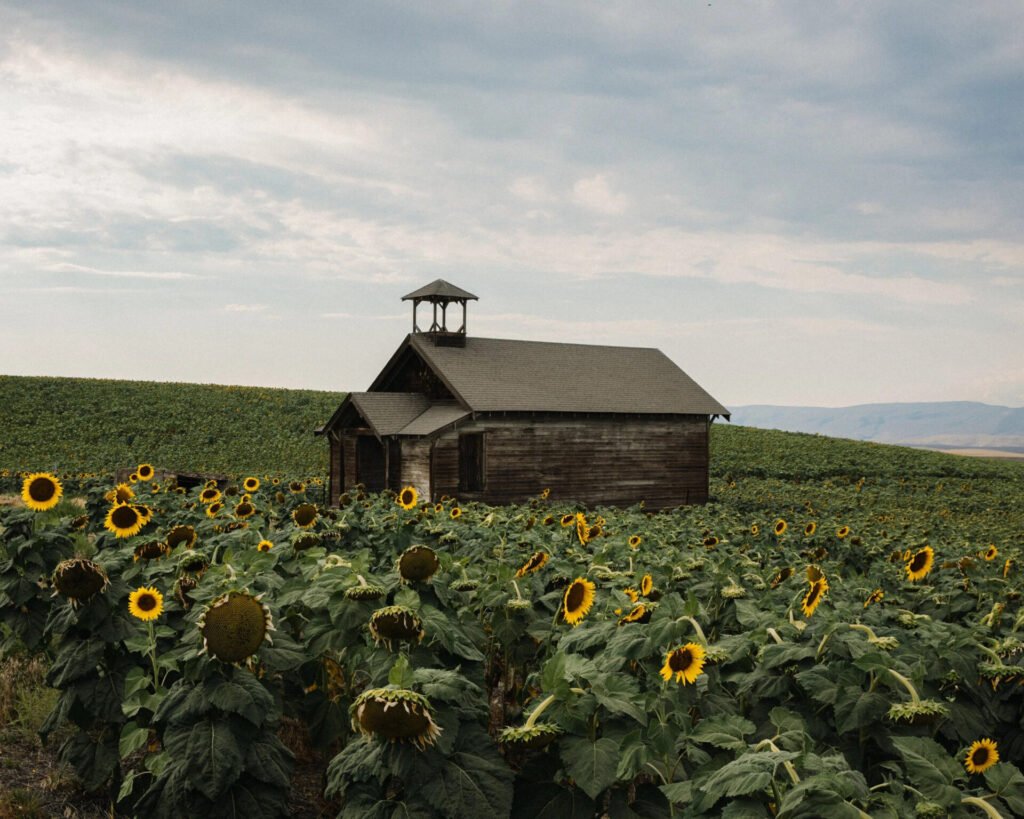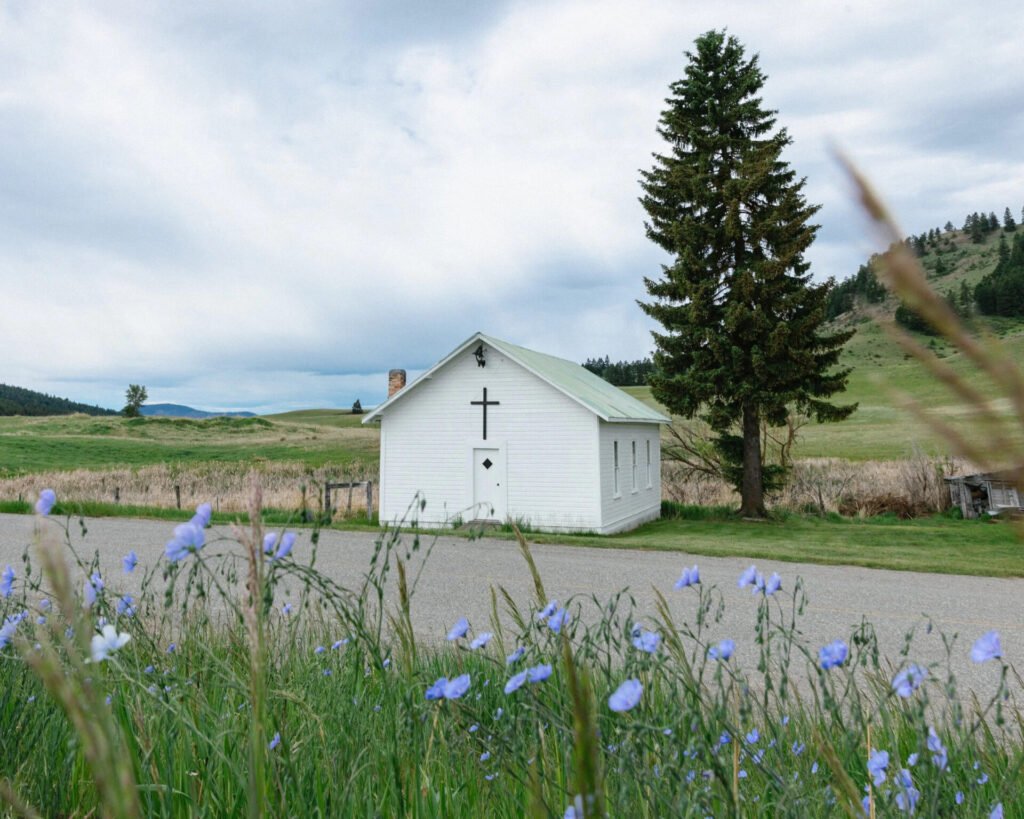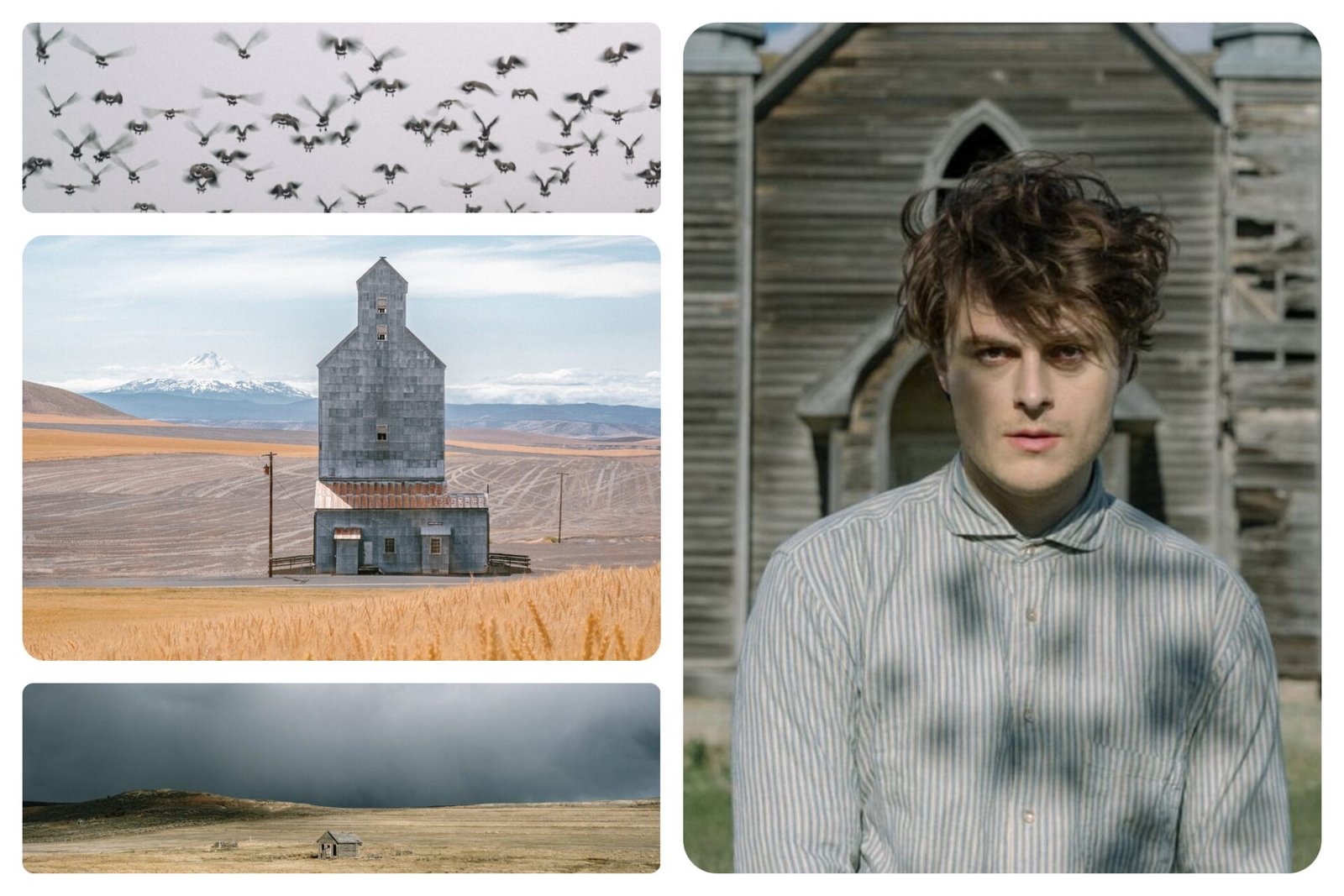
Gothic, rural, and poetic, Brendon Burton’s work creates a very cinematic beauty out of the vast, messy expanses of the North American countryside. Burton has spent the past decade building a distinct photographic voice shaped by rural spaces, quiet structures and the overlooked corners of North America. His debut photobook, Epitaph, gathers that work into a single collection for the first time.
I spoke with Brendon about his low-profile creative process, his tightly defined online presence, and what it took to narrow a decade of shooting into the 150 images that made the cut.
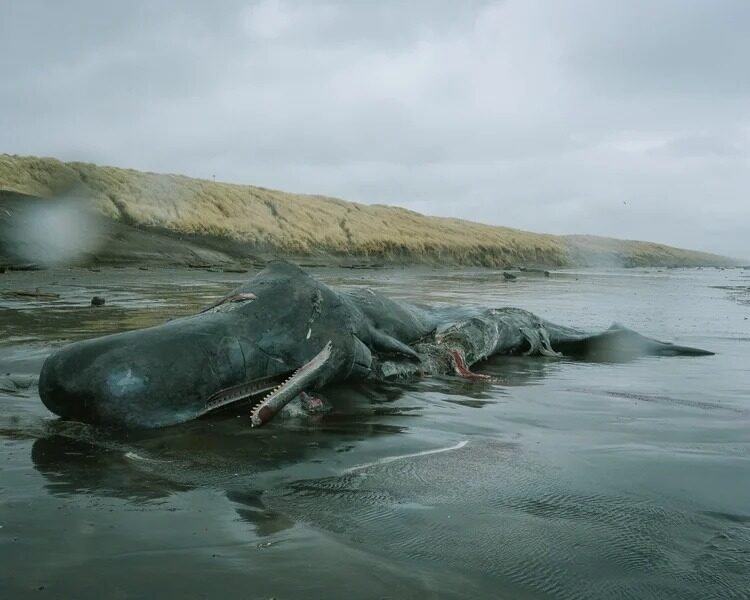
One of the best parts of your work is how little we see of your process. It’s like magic. We just see the best, no b-roll. Is that something you like to play up?
I do try to let the work speak for itself. I don’t want to be viewed as a personality that also takes photographs, I think the images are the point. The interpretation of it being left up to the viewer is both satisfying and also gives more opportunity for the work to mean different things for different people. It’s an unexplainable feeling that you get in a lot of the places I shoot, my goal is to share that mystery. Showing more of the process feels like revealing how a magic trick works, it removes something important from the experience for both the creator and the audience.
In your interview with Memento, you mention that your internet-persona way gets in the way sometimes. Do you have works that you didn’t post so that you could maintain your mysterious, gothic persona?
I have so many images that I’ve shot over the years that I love that just don’t really mesh with the rest of my work, from portraiture to street photography. While I think it’s important to experiment with styles with any art form I also believe that creating a visual language that is distinct enough to be recognizable is somewhat essential in the internet age. It’s not sacrificing any creativity as I’m still shooting in different ways, I just prefer my work to all exist within the same world somehow, it’s satisfying.
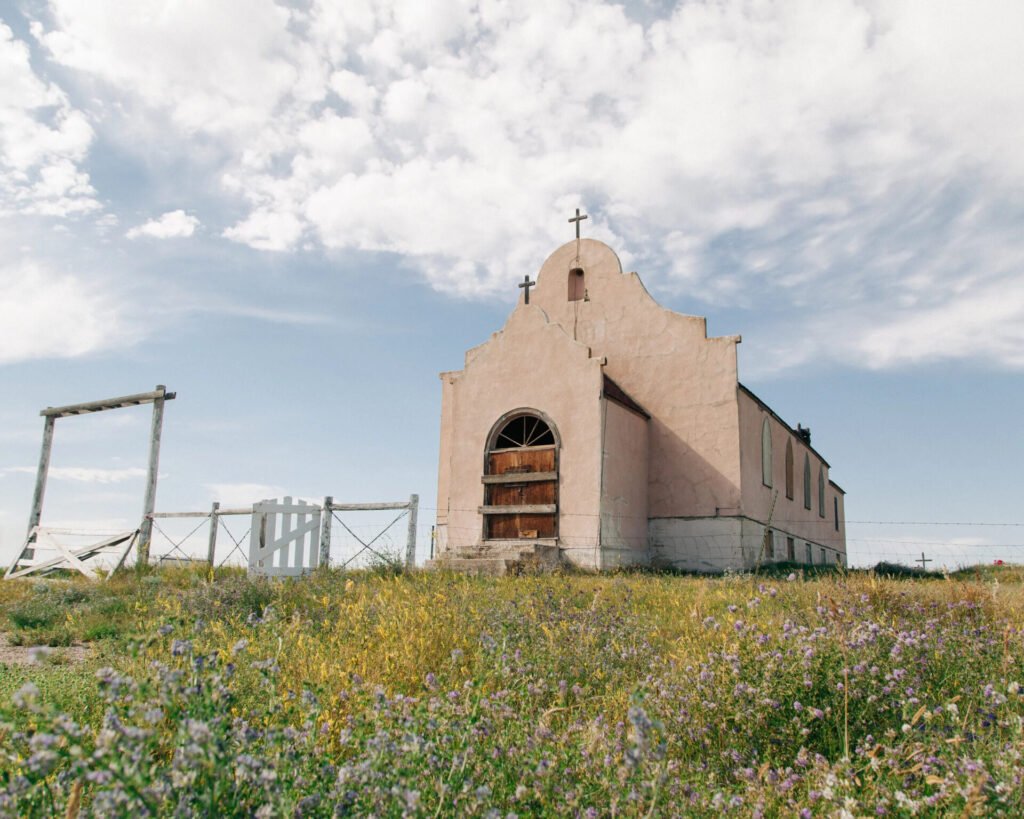
How do you get your shots? How much is planned and accounted for?
The planning aspect of shooting is hit or miss for me. If I have a client shoot or a large photography trip planned I make a point to have anchor locations to hit and leave enough padding in the schedule to explore things found along the way. In a perfect world where time isn’t a commodity to me I would prefer to just spend days in general 100 mile radiuses around the world to really examine the space and dig up stories. There never feels like there’s enough time or light in the day for me to really shoot everything I want.
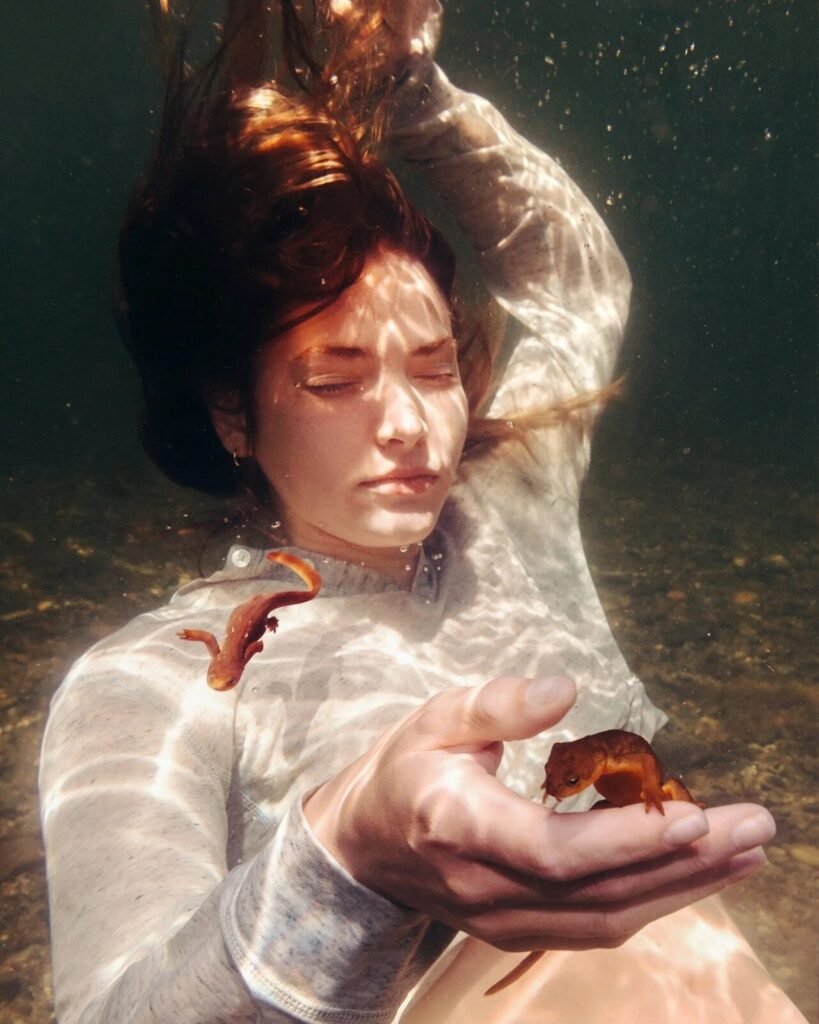
This shot specifically is like magic, just so many questions about it. How was it all done?
Thank you! This is a portrait of my friend Lauryn, she was visiting Oregon and some friends and I went swimming in a creek near my hometown. There was almost no planning involved in this, just an underwater camera bag and a few salamanders we caught that were native to the waterway. We only shot with them for about a minute or two, and didn’t want to stress them out unnecessarily. They also secrete a mild toxin that is best to wash off as quickly as possible. I was pretty excited to surface and see how it turned out.
Your new book, Epitaph, is a collection of a decade’s work. What was it like picking those ~150 photos? Did you already have the collection in mind, or was it its own curation process?
It did take a good amount of work and time to curate the images in Epitaph. I knew I wanted it to be a collection of images taken over the past decade that sort of set the course for the “feel” of all of my images currently. I had a slightly overwhelming amount of images to sort through but I did my best to follow my gut instinct in the assembly and presentation. I’m really excited with how it came out and really grateful for the positive response so far.
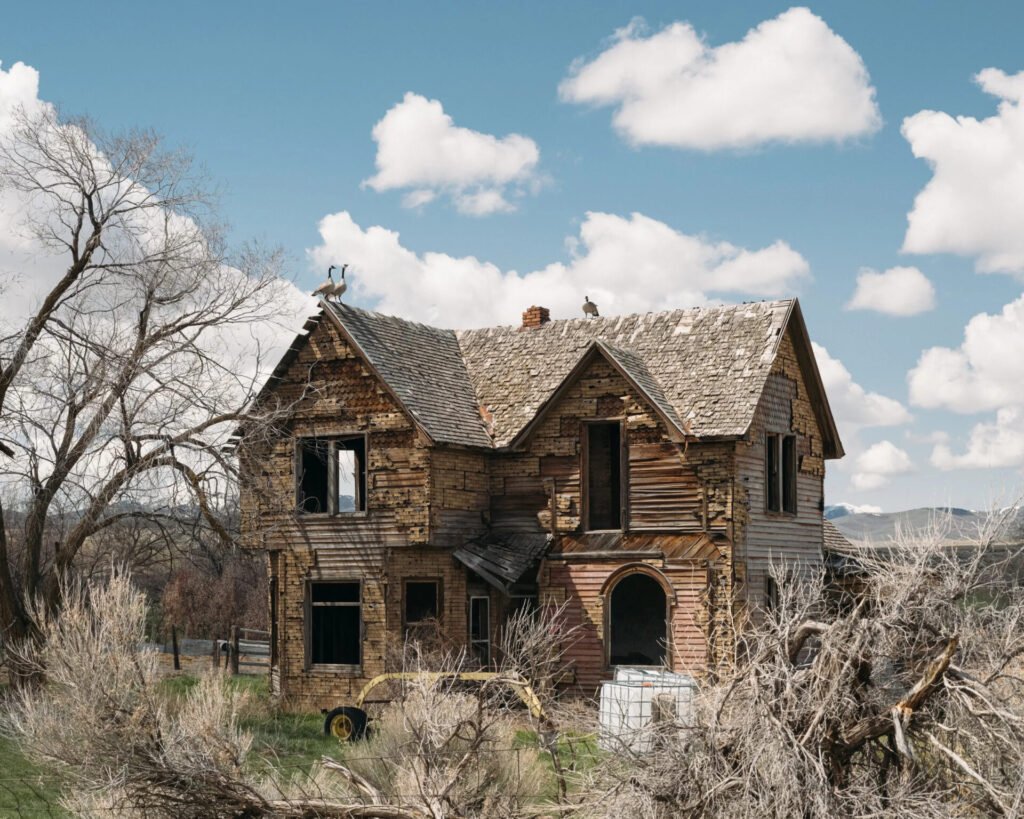
What was one of the photos that you love but didn’t make the cut, and why did you cut it?
A photo of one of my favorite abandoned houses. I left it out as it’s become somewhat of a tourist destination now after having shot a musical artist there and their fans finding the GPS coordinates. I couldn’t really see it in the same way, as it now has its own story that is much more developed than a small piece in a larger series.
Has it been inspiring? Maybe it gave you some ideas on how to tackle your next collection?
Definitely very inspiring, it makes me want to go out and shoot even more. I think I learned a lot about what I am drawn to instinctively with this collection of work. I’m considering working with more video for my next body of work, or formatting it in a more narrative style. There are so many stories out there that can be found with just a short drive.

And you said that you learned more about what you’re instinctively drawn to, is that like colours, compositions, items maybe?
Composition and subject matter mostly. Color pallets change from season to season or state to state but I find that I’m now drawn to specific colors as well. It becomes almost subconscious.
Thanks so much for the interview, your work is such an inspiration, and it’s so exciting to see that you’re having an amazing photobook published too. Congratulations and thanks again!
Thank you for the chat, appreciate the kind words!
More of Burton’s work can be found on his site, his Instagram, or his Twitter. His book can be pre-ordered on his site, which is expected to ship early jan and includes a random 4×5 print from the series.