Inside the Cult World of Japan’s Mini Movie Flyers
In the dim glow of a Japanese movie theater lobby, there’s a humble art form waiting by the ticket booth. It’s not on the screen. It’s stacked on a metal rack, maybe clipped behind a glass case. No flashing lights. No booming trailer. Just a flyer — about the size of a paperback book — with gorgeous, custom artwork printed on glossy paper.
They’re called chirashi, and for movie collectors, they’re a quietly obsessive treasure trove of cinematic ephemera. Part advertising, part miniature masterpiece, chirashi have become one of Japan’s most beloved — and affordable — forms of movie memorabilia.
Not Just a Flyer: What Chirashi Actually Are
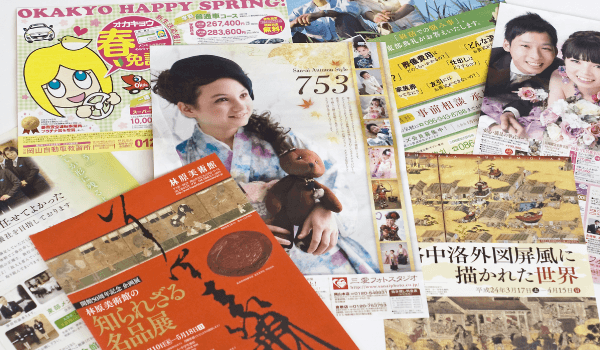
In the most literal sense, chirashi (チラシ) just means “flyer.” But in the movie world, chirashi are Japan’s uniquely compact movie posters, typically printed in B5 size (roughly 7” x 10”), and only available from theaters while a film is actively showing. That limited-time-only nature is what makes them collectible — and increasingly rare.
Unlike oversized one-sheets or rolled wall posters, chirashi are designed to be taken home in your tote bag. They’re often double-sided or bi-fold (like a tiny program), printed on surprisingly high-quality paper, and made to feel more like a keepsake than a throwaway ad.
Custom Design for a Custom Audience
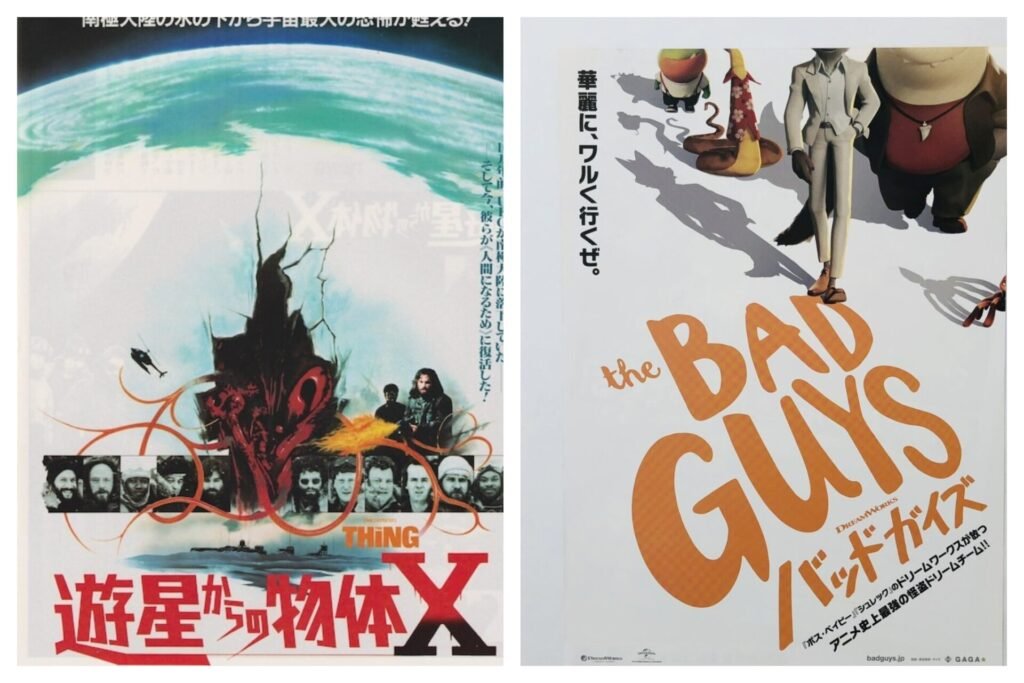
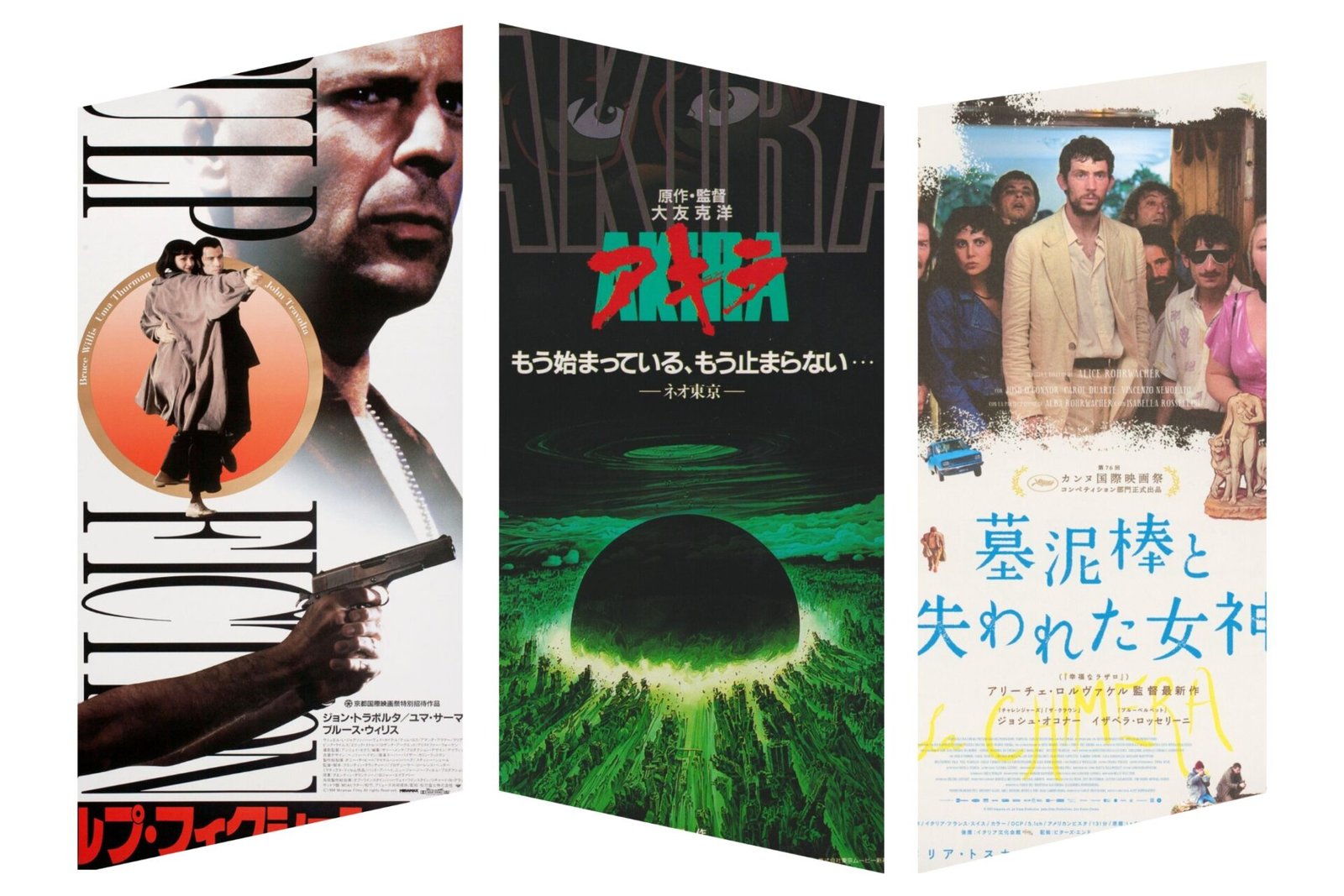
Here’s where chirashi truly shine: most feature exclusive art made specifically for the Japanese market. That means even big Hollywood films get a visual remix when they land in Tokyo or Osaka. The layouts are often sharper, the fonts more stylized, and the overall look — well, just better.
Sometimes these designs even include fold-outs, foil accents, or experimental layouts. Think tri-folds, die-cuts, metallic inks, and even spot UV gloss overlays that catch the light when tilted. You can find a chirashi for The Descent shaped like a cave mouth, or one for American Psycho with a chrome gleam that Patrick Bateman would approve of.
These aren’t mass-produced posters. They’re pocket-sized collector’s items with a distinctly Japanese design ethos — one that respects the visual language of cinema in its own right.
The Joy of Tiny Posters
In the collector world, size matters. And smaller can sometimes mean smarter.
Chirashi are easily stored in A4 folders or archival display books, which makes them a dream for anyone living in a one-bedroom with limited wall space (so, most of us). Want to frame them? A4 frames are cheap, and with a B5 matte, the result looks curated, not crammed. You can hang a mini-gallery of Battlefield Earth, Goldmember, and Immortals across your wall without breaking the bank — or the plaster.
Big Titles, Small Prices
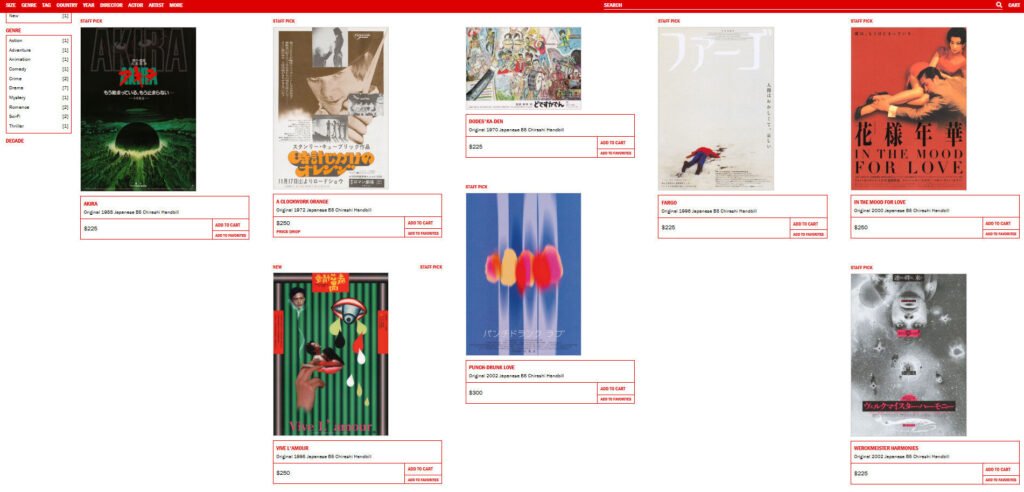
Despite their style, chirashi remain shockingly affordable. Most standard B5 flyers go for under $10, and thousands exist at price points as low as $2.50. The real rabbit hole opens when you start hunting for rare releases, re-issues, or genre oddities. Yes, some prized vintage chirashi have reached four-digit price tags, but the charm of the format is in how accessible it still is.
While investors might chase larger B1 or B2 formats for value appreciation, hobbyists love chirashi for the joy of the hunt. From Planet Terror to Alice in Wonderland, there’s a good chance your favorite film has a chirashi out there — and it might just be the best version of the poster that exists.
A Secret Stash of Global Film History
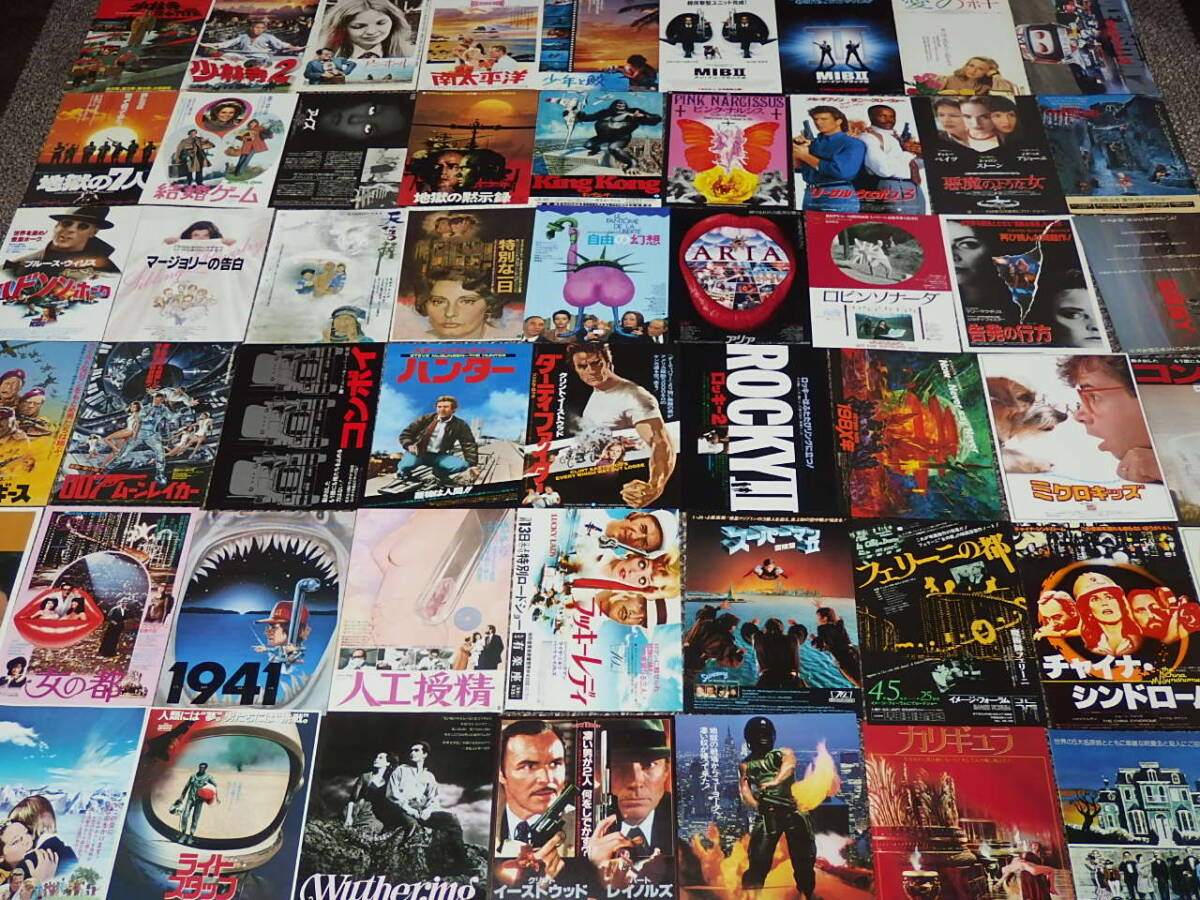
Japanese chirashi don’t just represent Japanese films. They’re a quietly sprawling archive of world cinema — from cult horror to prestige drama. In some cases, they’re the only remaining paper proof that a certain foreign title ever played in Japan at all.
Want a custom design for Pulp Fiction you’ve never seen before? A minimalist Drive flyer with better typography than the Blu-ray cover? A version of Star Wars that actually feels new again? Chirashi are where they live.
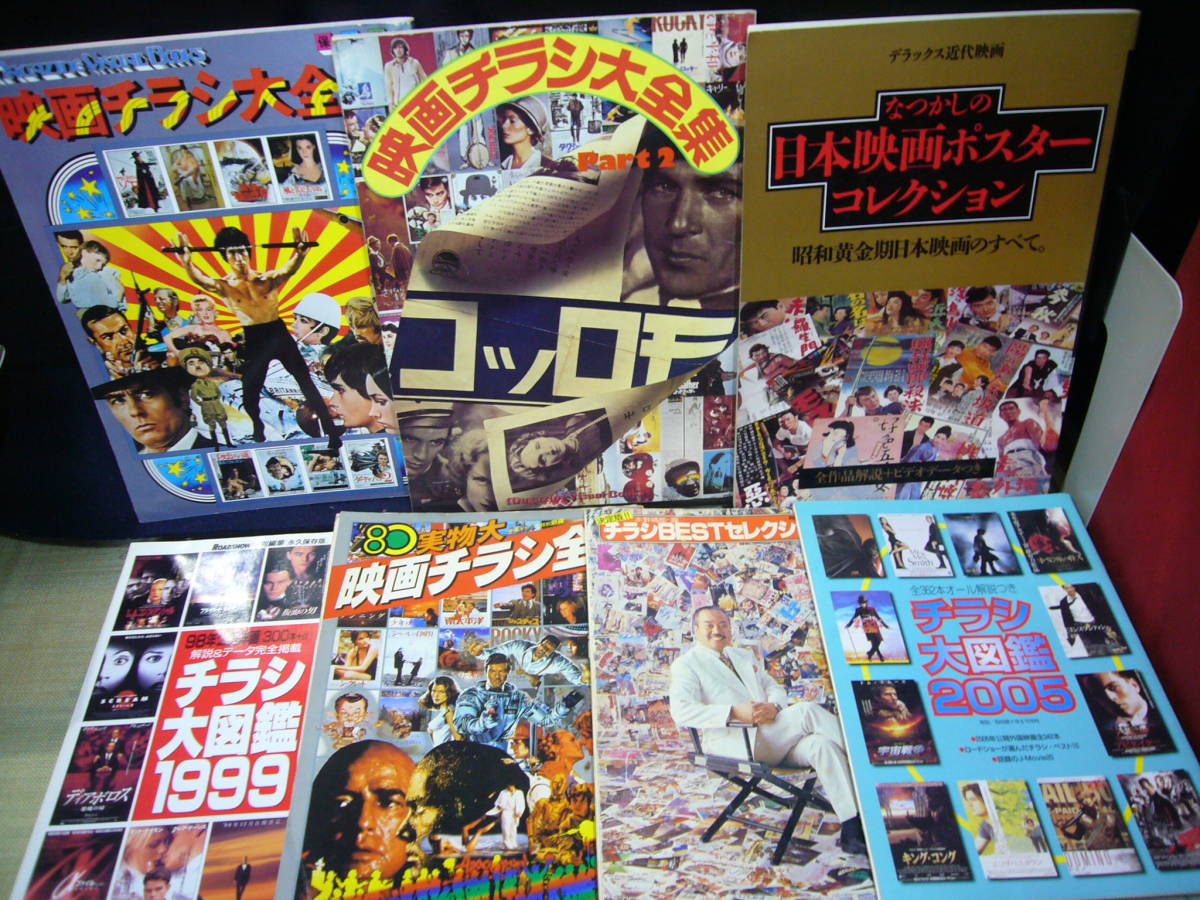
And thanks to dedicated shops (both physical and online), there’s an entire ecosystem devoted to sourcing and preserving them — sometimes with over 9000 titles in stock.
Final Frame
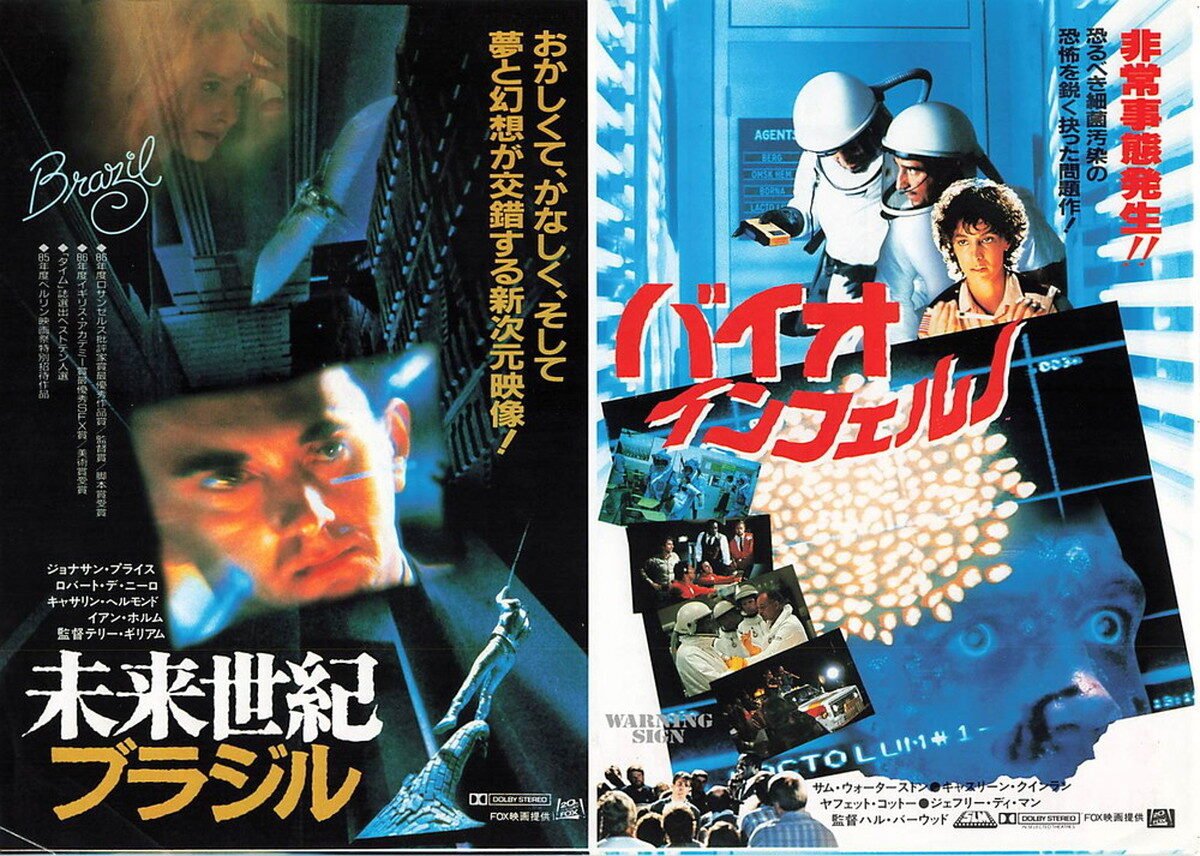
If movie posters are the big-screen billboards of fandom, chirashi are the zines: intimate, limited, a little offbeat, and entirely theirs. They’re a love letter to the idea that cinema isn’t just what happens when the lights go down, but what lingers when you leave the theater — tucked under your arm, or filed lovingly in a folder at home.
For collectors, designers, or cinephiles who crave something tactile and a little underground, chirashi aren’t just another print format. They’re an art form — and one Japan has quietly perfected.