
Halo’s latest cuts highlight a bigger shift inside one of tech’s most powerful companies
On July 2, Microsoft cut roughly 9,000 jobs globally, amounting to about 4% of its workforce. The official reason? A standard bit of corporate jargon: “organizational and workforce changes.” But inside the company—particularly in the Xbox division—employees tell a much more specific story: Microsoft is betting big on AI, and it’s already replacing people with it.
Among those hit were at least five employees at Halo Studios (formerly 343 Industries), including developers working on the next mainline Halo installment. The mood inside the studio is tense, with one insider telling Engadget that the studio is in “crisis” on at least one project, and that “nobody is really happy about the quality of the product right now.”
Behind the scenes, many believe this round of layoffs is about more than streamlining. “They’re trying their damndest to replace as many jobs as they can with AI agents,” one Halo developer said.
AI at the Center of the Storm

Microsoft’s shift to AI is no secret. CEO Satya Nadella said this spring that 30% of the company’s code is now written by AI, and internally, the use of tools like GitHub Copilot has become mandatory. AI now touches everything from engineering to documentation—and, increasingly, staffing decisions.
The result is a quieter kind of disruption. Microsoft is still hiring—but often in areas that support or expand its AI platforms, not the traditional teams that built its reputation in gaming, productivity, or even sales.
Halo Is Hurting. Again.
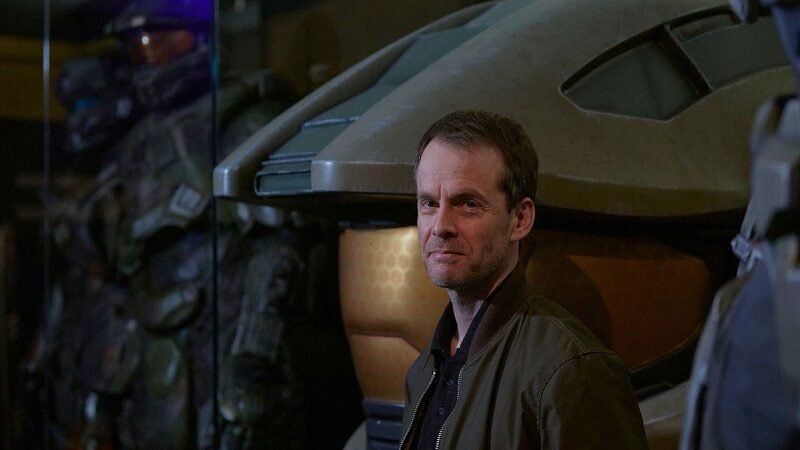
For Halo fans, the latest cuts are unsettling. The studio was already rattled by layoffs in 2023, including longtime creative lead Joe Staten, and since then has shifted toward relying on external studios and short-term contractors. It’s a model more common to Call of Duty or Battlefield, and while it can accelerate content production, it’s also led to instability—and visible gaps.
Halo Infinite, for instance, hasn’t delivered major narrative content in years.
Now, morale is reportedly low. “There’s been a lot of tension and pep talks trying to rally folks to ship,” one developer said. The studio is expected to reveal more about its work at this year’s Halo World Championship in October, but what shape that reveal takes is anyone’s guess.
It’s Not Just Xbox

While Halo Studios got the headlines, the layoffs affected a wide swath of Microsoft.
- Sales and marketing teams were hit hard, especially middle managers and field staff.
- The King division in Barcelona, best known for Candy Crush, lost 10% of its staff—about 200 people.
- Rare’s Everwild and The Initiative’s Perfect Dark reboot have been canceled entirely.
- Turn 10 Studios, which makes Forza Motorsport, reportedly lost the “vast majority” of its team.
- ZeniMax Online, Raven, Sledgehammer Games, and Blizzard were all affected.
- Longtime execs like ZeniMax president Matt Firor and Rare creative lead Gregg Mayles are both reportedly out.
Even Warcraft Rumble is being sunset by Blizzard—a quiet end for a once-hyped mobile spinoff.
The pattern is hard to ignore: Microsoft is shrinking some of its most iconic teams while AI takes center stage.
A Company Profiting While It Shrinks
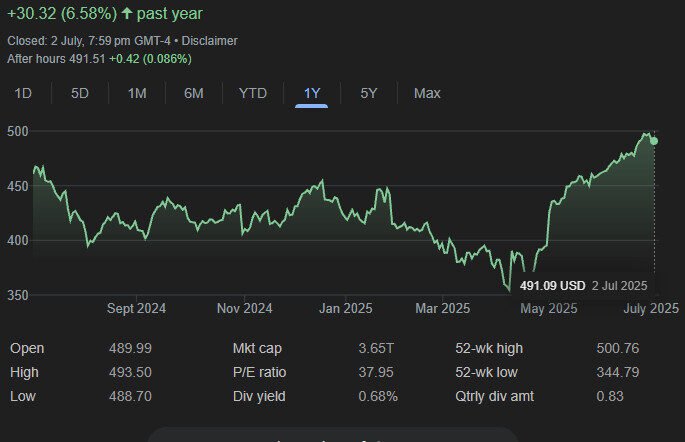
If this sounds like crisis management, Microsoft’s financials tell a different story. The company reported nearly $26 billion in net income last quarter, with $70 billion in revenue. Xbox content and services are up 8% year-over-year.
And yet, those same teams are being downsized or shuttered.
That contradiction wasn’t lost on employees. Phil Spencer, head of Xbox, sent a company-wide email celebrating Xbox’s “most profitable year ever”—the same email that announced the layoffs. “I wasn’t sure what part of that I was supposed to be proud about,” said one affected developer.
The Bigger Bet

Microsoft says the changes are designed to “position the company for success in a dynamic marketplace,” and the tech giant is far from the only company leaning into AI right now. But the scale and pace of the shift—combined with deep cuts across beloved franchises—suggest something larger than typical restructuring.
This isn’t just about efficiency. It’s about redefinition.
So as Microsoft ramps up its AI development tools, trims down its legacy game studios, and cancels projects midstream, one thing becomes clear: the company is not waiting for the industry to change—it’s forcing the change itself.
Whether that future includes the creative teams behind franchises like Halo, Perfect Dark, or Forza is still uncertain. But it will definitely include AI. Lots of it.