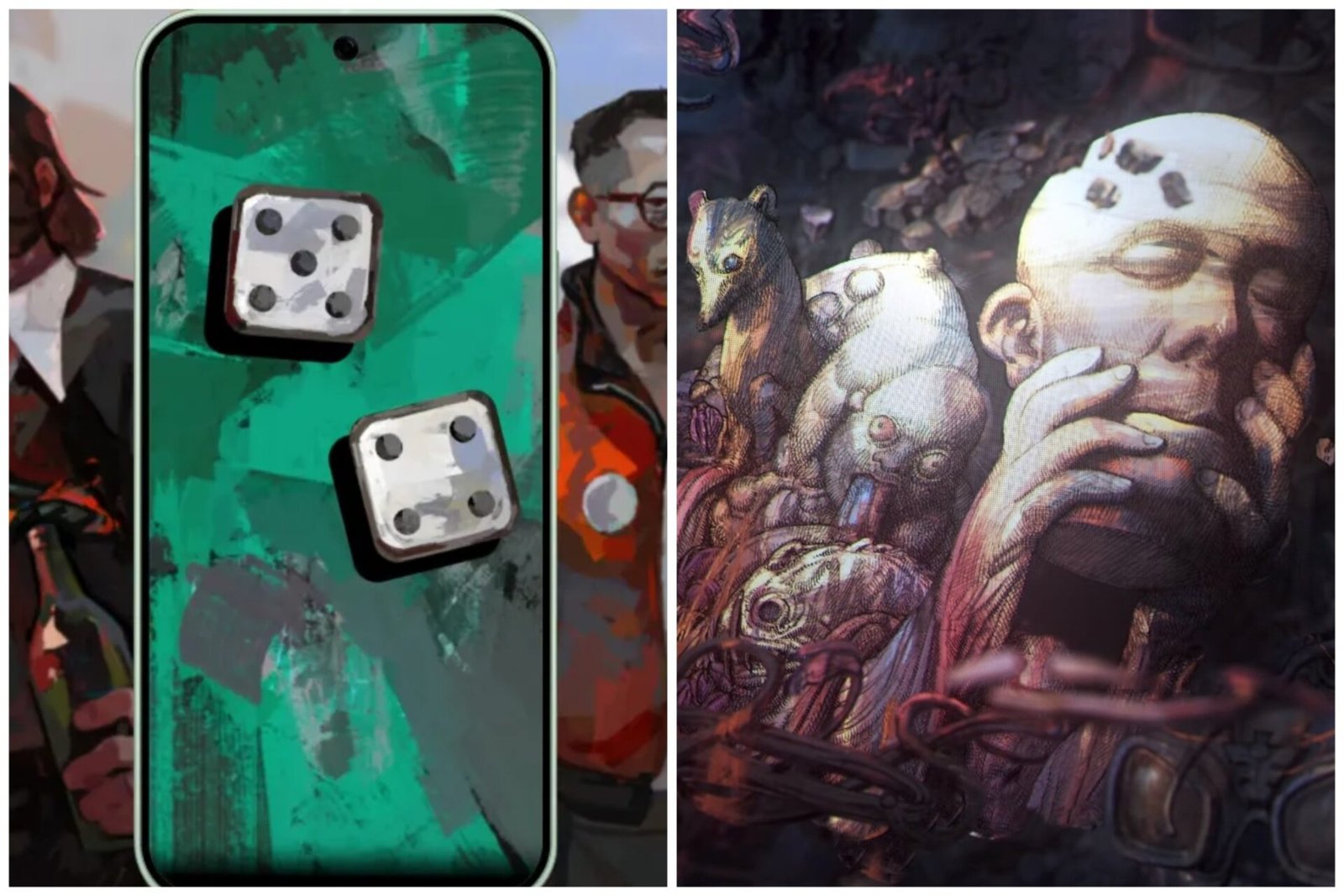
Joyce Messier said it best: Capital eats its critics.
Disco Elysium — the genre-defying RPG that lets you spiral into philosophical collapse in a crusty seaside town — is officially coming to Android on August 5. The first two chapters are free, with the full game unlockable for a price. But instead of celebrating, longtime fans are revisiting a familiar emotion: grief.
It’s not about platform snobbery. It’s about principle. A game that once looked you in the eye and told you the system was broken is now being re-released by the very system it condemned — in bite-sized mobile format, optimized for scrolling and swiping. You can now level up your Inland Empire while waiting for a rideshare. Capitalism wins again.
The Studio Implosion Heard Around the World

When Disco Elysium first launched in 2019, it felt like a miracle: a dense, dialogue-heavy fever dream full of ghosts, class struggle, and decaying ideology. It came from a studio that called itself a cultural association, ZA/UM — part development team, part art collective. Then the mask slipped.
In 2022, several of the core creatives — including lead writer Robert Kurvitz, art director Aleksander Rostov, and narrative designer Helen Hindpere — were quietly, involuntarily removed from the company. Martin Luiga, one of the original members of the ZA/UM collective, later declared the studio “dead in spirit,” citing a hostile corporate takeover. The new management, he claimed, had never been part of the game’s creation — just the monetization.
The game’s hauntingly prescient themes suddenly hit too close to home. In the words of Joyce Messier, one of Disco Elysium’s more unnervingly lucid characters:
“Capital has the ability to subsume all critiques into itself. Even those who would critique capital end up reinforcing it instead.”
If the original game was a firebrand’s manifesto, the Android release is its pamphlet — neatly folded, ad-friendly, and ready for conversion.
TikTok-Ready Alienation
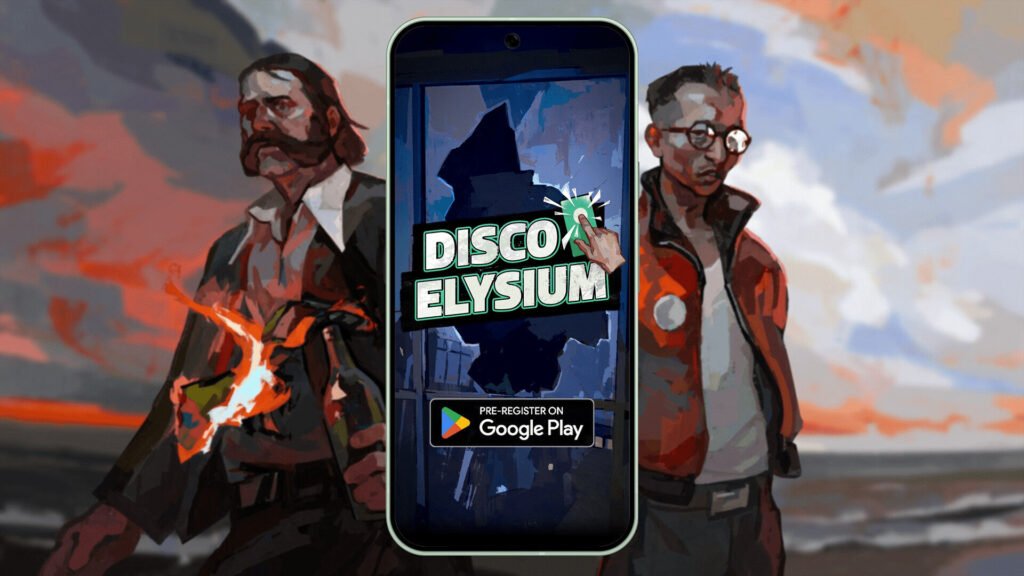
The Android port is being marketed with phrases like “mobile-optimized UI” and “streamlined for quick play.” In other words: TikTok brain. The idea of confronting your shattered ego through 20-minute bursts between meetings feels, to many fans, like dilution — not just of gameplay, but of meaning.
The original was a slow-burn descent into ideological rot. Now it’s part of a content pipeline.
It’s not lost on anyone that the creators who infused the game with its brutal political critique are absent from the credits. Or that they’re not being compensated for this re-release. Or that this repackaging — while aesthetically intact — is happening under the direction of a studio that allegedly silenced the very voices that made the game matter.
There’s a word for that: appropriation. And not the fun kind.
Can a Mobile Game Be a Tragedy?
The actual port might be fine. Reviews suggest it runs smoothly, and the writing remains as sharp and miserable as ever. But the context has curdled. Even those excited to replay it are quick to add disclaimers: Yes, but not like this.
Online threads read like obituaries. “It feels so incredibly weird hearing those voices say the most generic, video game trailer stuff imaginable.” one Redditor wrote. “This scares me.” Others call it “a cashgrab” or saying “Then you know, that the bourgeois are NOT human”.
The irony, of course, is that this is exactly the kind of slow, grinding co-option Disco Elysium warned us about. Not in vague terms, but with alarming clarity.
Joyce, again:
“Even those who would critique capital end up reinforcing it instead.”
ZA/UM’s Android release isn’t just a new way to play. It’s a cautionary tale in motion — about what happens when art that critiques power is handed over to it.
For New Players, It’s Just a Game. For Old Ones, It’s the Ghost of One.
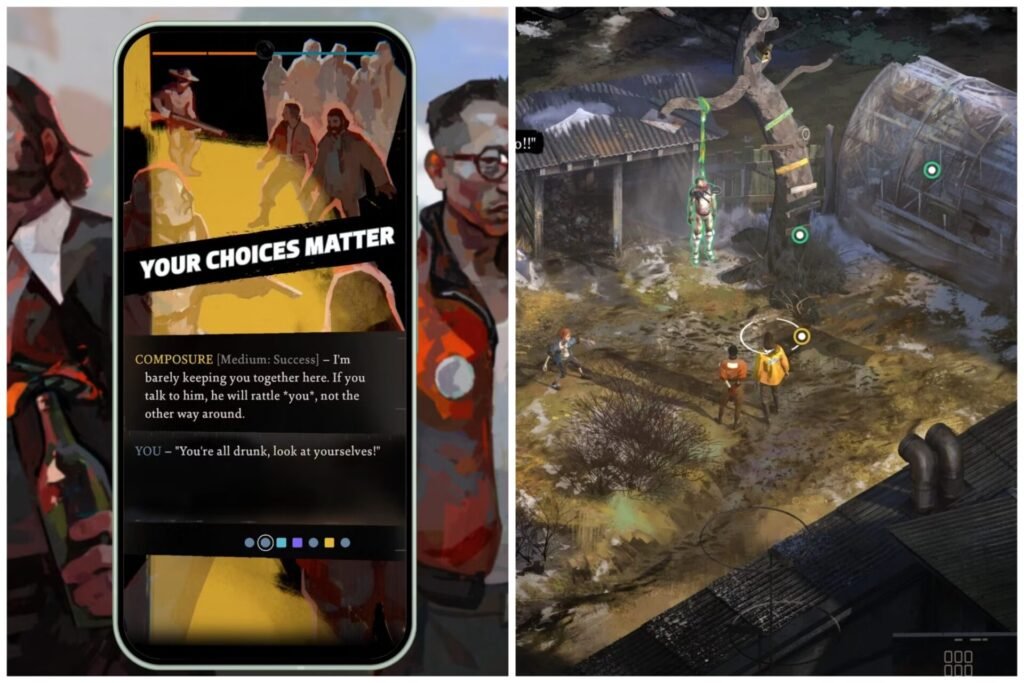
This port will bring in new players. It will introduce them to one of the most unusual, introspective, ideologically barbed games of the last decade. It may even change a few lives. But they’ll never experience it the way it was meant to be — as an act of rebellion by a rogue collective on the margins of the game industry.
They’ll be playing the version sold back to them by the system the game once loathed.
Disco Elysium is still brilliant. Still sharp. Still funny, bleak, and tender in equal measure. But it now arrives carrying something heavy: the weight of its own undoing.
And that’s the story fans can’t stop mourning.