
In another timeline, she’s the fox. Or the mother. Or the melancholic architect of a doomed underwater expedition.
Wes Anderson has a type. Several, in fact. The melancholic genius. The deadpan child. The emotionally stunted man-boy clinging to a childhood trauma in pastel corduroy. But while the Anderson Cinematic Universe has become a cozy, rotating carousel of familiar faces—Murray, Swinton, Brody, Goldblum, Schwartzman (somehow always a cousin)—there’s one name that almost joined the rotation. Repeatedly. For years.
“I had so many movies that I tried to get Jodie Foster to be in,” Anderson said in a recent Collider interview, in that almost-whispery way that sounds like someone trying not to admit they’ve been left on read since 2004. “It used to be every movie, we went to Jodie Foster for a part. I think I did it three movies in a row, maybe four.”
Four. That’s not a flirtation—that’s a campaign.
And it almost worked. He met her. He liked her. She sparkled. Specifically, he cites Little Man Tate, the movie she directed and starred in, where she plays a chain-smoking, working-class math prodigy mom with bangs and emotional availability issues. In other words: prime Anderson material.
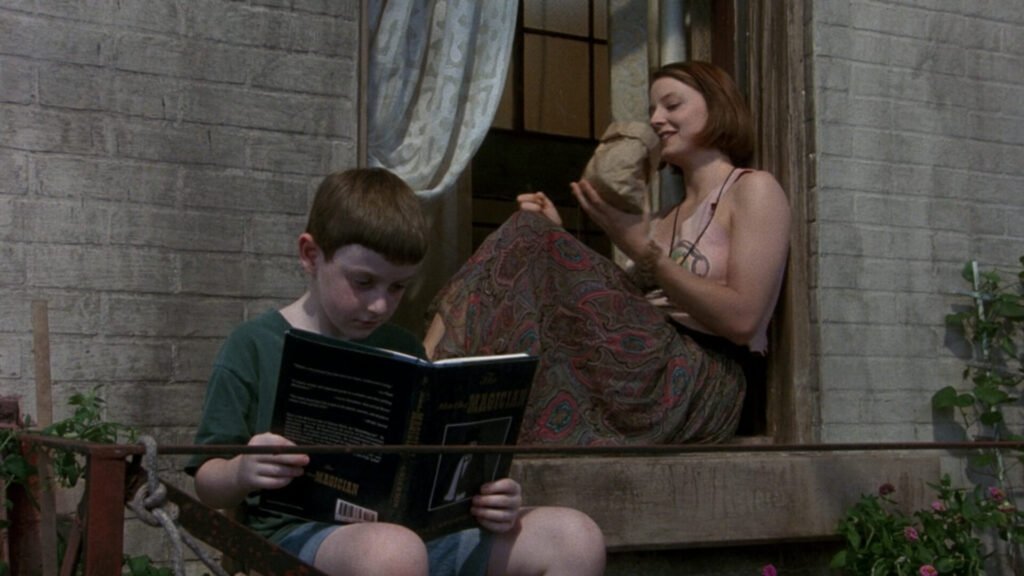
But she never said yes. “I think sometimes somebody has an idea of the kind of work they want to do,” he added, “and we weren’t right.”
Cue the montage of alternate timelines.
Let’s play the game Wes wouldn’t. He declined to name the movies, for fear of outing his backups (“Oh, so-and-so wasn’t your first choice?” he imagines you gasping). So we’ll do the speculating for him.
Was Foster almost Margot Tenenbaum?
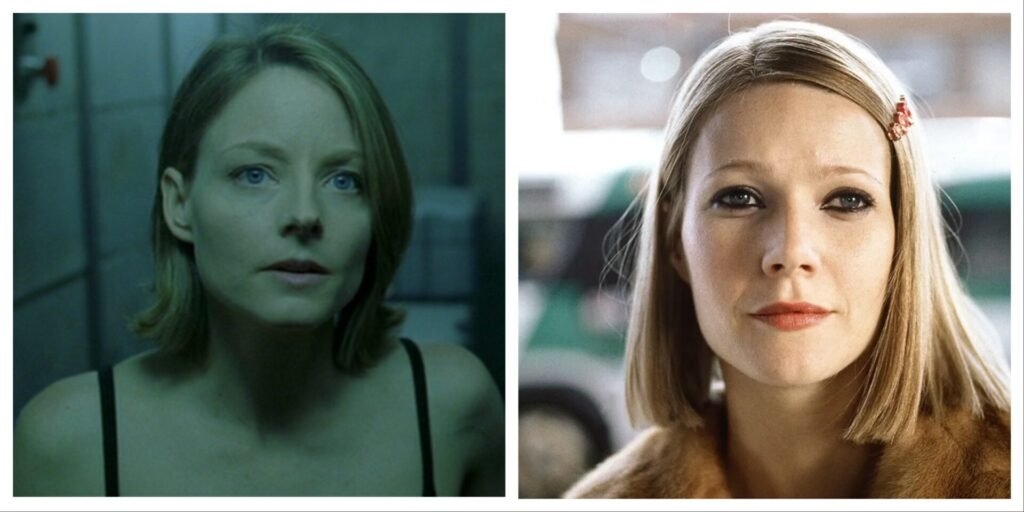
A secret smoker with a Bob Dylan haircut and a closet full of fur coats? Yes, that’s Gwyneth Paltrow’s Oscar-nominated sadcore princess. But slide Foster in and the vibe tightens. Less enigmatic sex doll, more bottled genius with a terrifying filing system. Foster brings a gravity Paltrow doesn’t. She might’ve ruined Luke Wilson’s character faster, and with actual eye contact.
Or maybe Jane Winslett-Richardson?

The Life Aquatic with Steve Zissou gifted us Cate Blanchett in one of her most delightfully brittle roles—a pregnant British reporter with an iron spine and a tape recorder that never stops rolling. But imagine that same role with Jodie Foster: the clipped diction, the built-in gravitas, the unblinking skepticism. Blanchett gave Jane a soft melancholy; Foster could’ve added flint. She wouldn’t just observe Zissou’s unraveling—she’d audit it, cross-examine it, publish the findings, and maybe sue.
Fantastic Mrs. Fox?
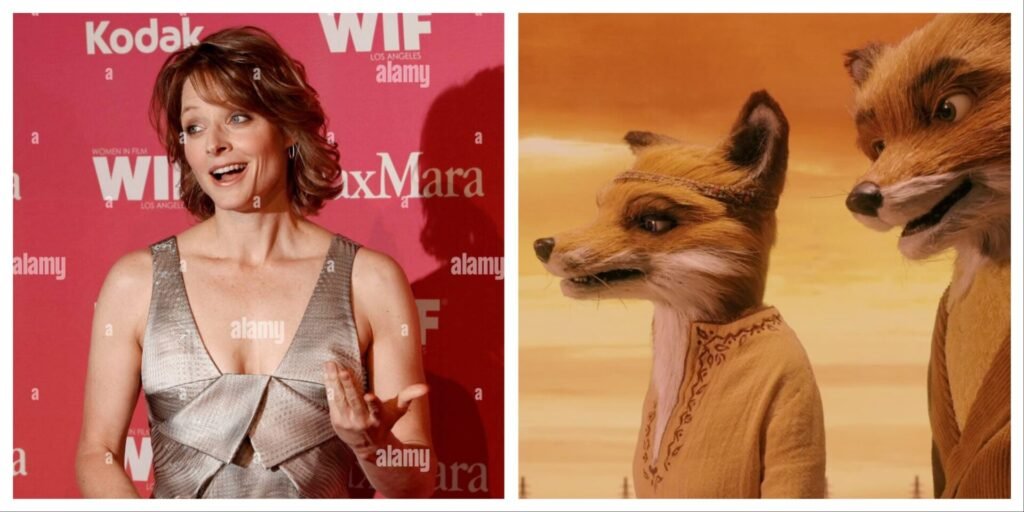
Streep lent her signature softness to the sly matriarch of Wes’s furriest film. But Foster has voice. Authority. Bite. The kind of vulpine elegance that suggests she could outmaneuver farmers and ruin your life in litigation, all before breakfast.
Or maybe Social Services in Moonrise Kingdom?
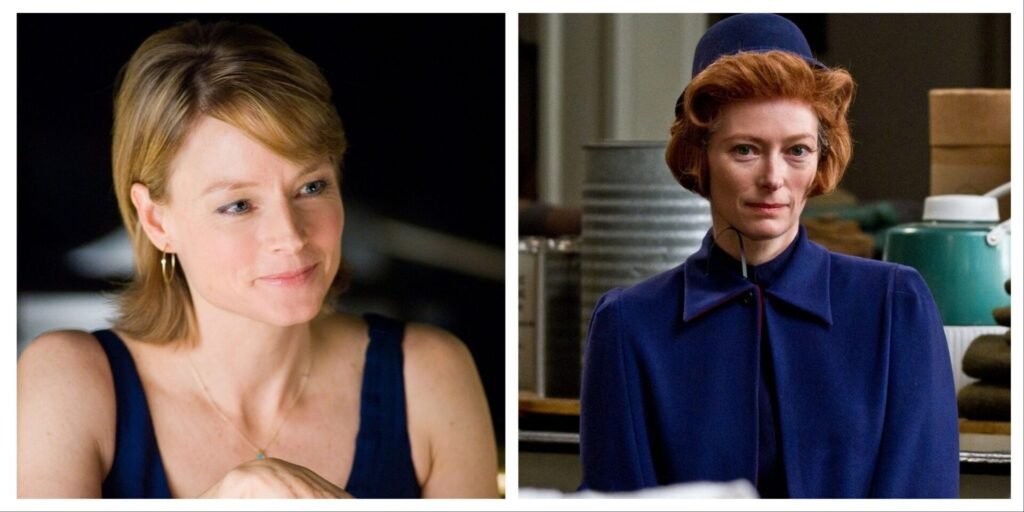
Tilda Swinton plays the character simply named “Social Services” like a sentient fax machine—crisp, authoritative, and a little terrifying. But Foster would’ve given her a different temperature. Not colder, exactly, but more internalized. Less theatrical menace, more bureaucratic dread with a human pulse. You’d still believe she’d send a troubled child to juvenile detention without blinking—but you might also see the flicker of someone who doesn’t sleep well after.
So why didn’t it happen?
Foster has always been picky. Since the early 2000s, she’s been directing more, acting less, and choosing roles that skew darker, meatier, sadder. WesWorld, for all its grief and trauma and daddy issues, lives in a heightened key. It’s possible she just didn’t want to play melancholy at 24 frames of whimsy per second.
But maybe it’s time. Anderson says he still wants her. The Foster chase may be dormant, but it’s not dead. And after Asteroid City, it’s clear he can summon whoever he wants if the moodboard is compelling enough. Tom Hanks. Margot Robbie. That kid from Euphoria.
There’s still space on the Anderson train. Literally—The Darjeeling Limited 2: Women Talking is just sitting there.
Come on, Jodie. Just one symmetrical two-shot. For old time’s sake.